

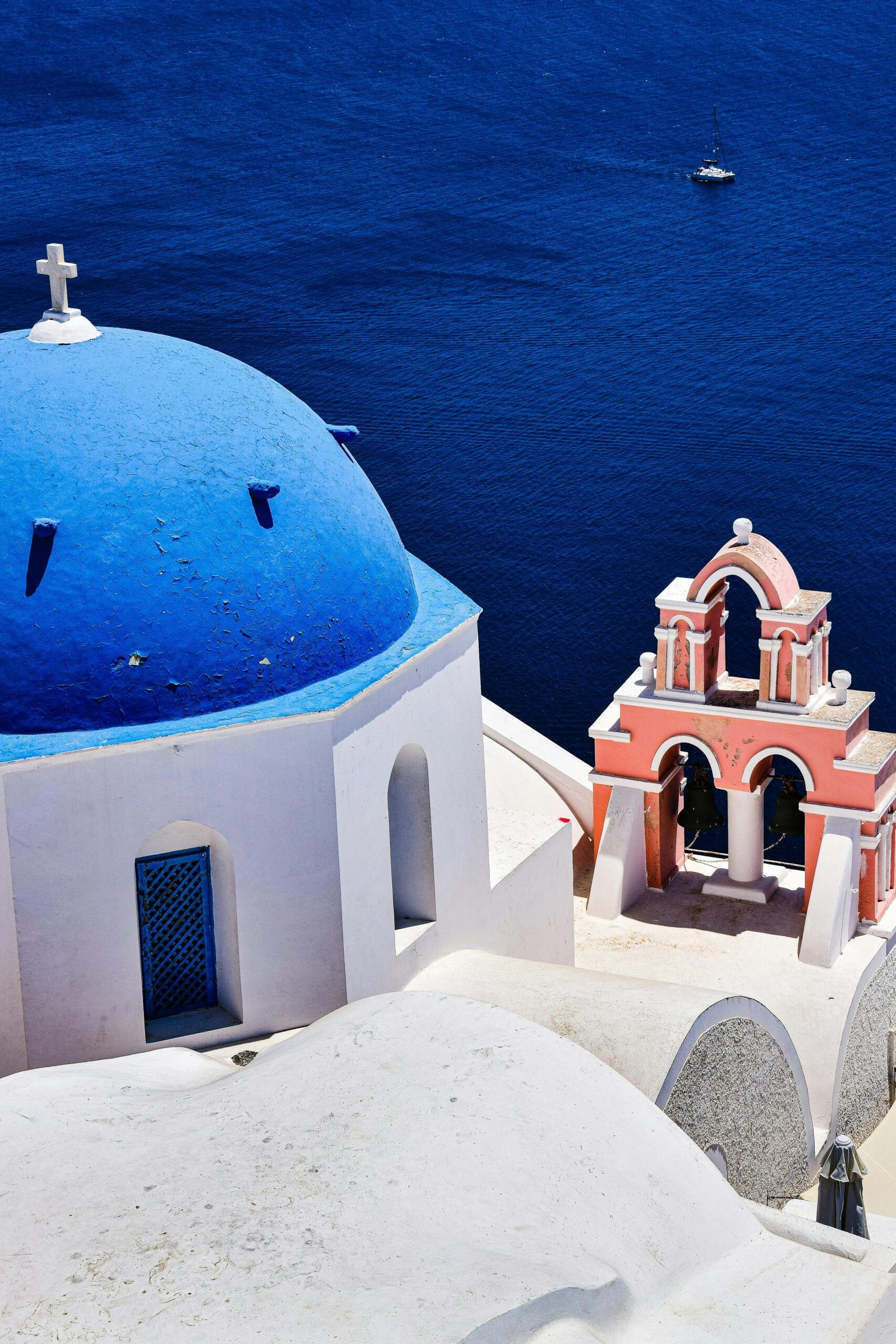
Why Most First-Timers to Santorini Leave Slightly Disappointed starts with one simple mistake: people arrive expecting the island to behave like its photos. They are not just choosing a destination; they are choosing an image they have already built in their heads.
That is why the letdown is so common in peak season. Santorini is not broken, and most travelers are not wrong to want it — but the emotional script they bring with them is usually out of sync with what the island actually delivers when it is crowded, hot, and fully booked.
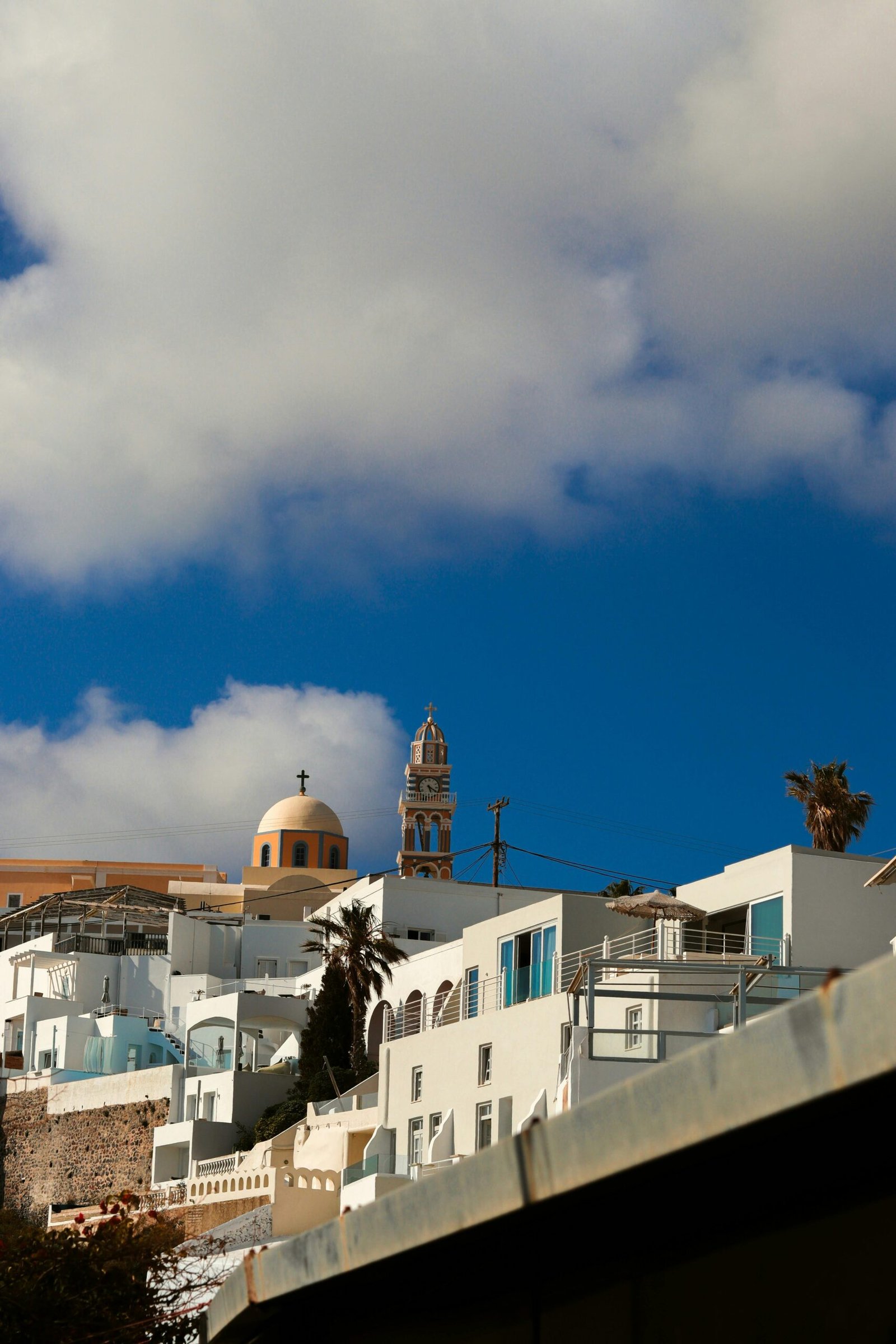
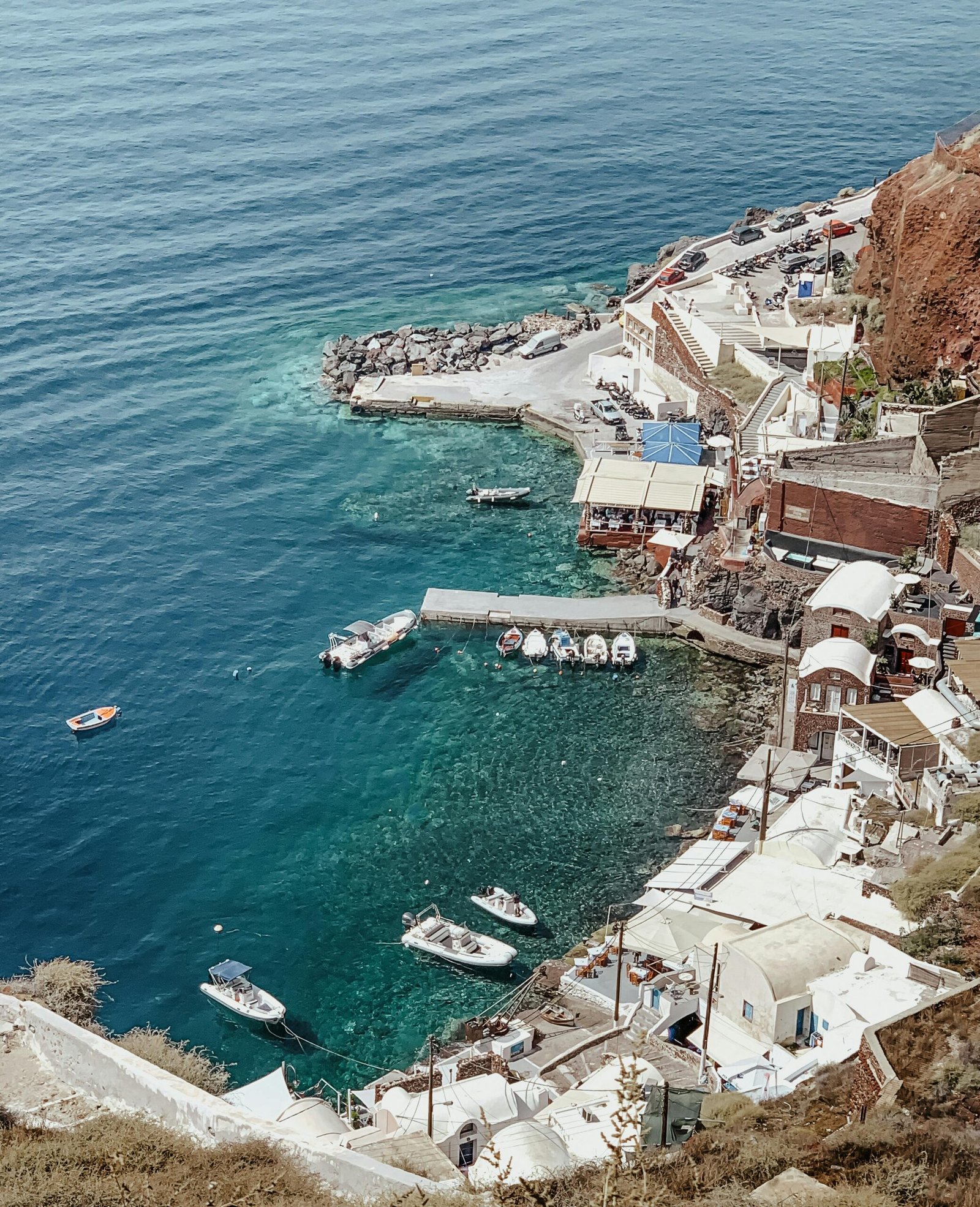
Why Most First-Timers to Santorini Leave Slightly Disappointed
The core pattern is projection. Travelers do not just want a Greek island; they want Santorini to confirm a story they have already decided to believe about romance, ease, and exclusivity. When the island behaves like a busy, expensive, heavily visited place instead of a private fantasy, the emotional drop is immediate.
This is not a small issue. Why Most First-Timers to Santorini Leave Slightly Disappointed is often less about what they saw and more about what they expected to feel. They expected relief, space, and effortless beauty. What they often get is heat, queues, inflated prices, and the constant awareness that thousands of other people had the same idea.
The image problem: why Santorini gets chosen before it is understood
Santorini is usually selected emotionally first and rationally second. People see the caldera view, the whitewashed villages, and the blue-domed churches, then assume the island will deliver a uniformly elegant experience from start to finish. That assumption is powerful because it feels safe; it gives the traveler a clear fantasy to hold onto before the trip even begins.
The problem is that the fantasy leaves no room for friction. In peak season, Santorini is not a private backdrop for a perfect stay. It is a high-demand destination with very visible crowding, limited tolerance for spontaneity, and a premium attached to almost everything.
Why Most First-Timers to Santorini Leave Slightly Disappointed in peak season
Peak season creates the emotional mismatch. Travelers arrive expecting a refined island escape and instead find a place that is under pressure from its own popularity. The views are still there, but so is the noise, the waiting, and the sense that the island is working harder than they expected.
This is where disappointment becomes concrete. The moment usually hits when someone reaches the famous viewpoint or a terrace they paid a premium for and realizes they are sharing the experience with a crowd. That is the exact point where the mental image collapses into the real one, and the trip suddenly feels less special than promised.
My position is simple: if you want Santorini in peak season, you need to accept that you are paying for access to a famous place, not for solitude or emotional exclusivity. That distinction matters, because it changes whether the trip feels worth it.
The emotional gap travelers do not prepare for
Most people expect Santorini to feel restful. They imagine slow mornings, clean visual order, and a sense that everything will be easy because the island is so famous and so photogenic. What they underestimate is how much mental energy it takes to navigate a place that is perpetually in demand.
That gap creates a strange kind of disappointment: not anger, just deflation. Travelers are not necessarily unhappy with what they saw; they are unhappy that the experience required more effort, more money, and more tolerance than they wanted to admit before they booked.
For context, this is why checking broader seasonal patterns matters before you lock in expectations. Even official tourism sources like
VisitGreece can help you see how different the island feels across the year, not just how it photographs in high season.
The specific moment when the disappointment usually hits
It usually does not happen on arrival. The first few hours are still powered by anticipation, and people are willing to overlook inconvenience because they have finally made it. The drop comes later, when the island’s pace becomes impossible to ignore and the traveler realizes they are not moving through a quiet escape — they are moving through a very popular place.
That moment often arrives after the first major crowd encounter, the first overpriced meal that feels ordinary, or the first sunset viewpoint that is more managed than intimate. The emotional response is predictable: “This is what all the fuss was about?” That question is the giveaway that the expectation was doing too much work.
Who is most vulnerable to this pattern
Some travelers are simply more prone to this letdown than others. The people who struggle most are usually the ones chasing a milestone feeling: honeymooners, first-time Greece visitors, and travelers who have spent years saving Santorini for “the big trip.” They are not being naive; they are carrying too much meaning into one destination.
- Couples expecting Santorini to deliver privacy and romance without crowd management
- First-time Greece visitors using Santorini as their reference point for the whole country
- Travelers who value calm, but book the most visible and busiest island in Greece
- Photo-led planners who care more about the image than the daily experience
These travelers are especially exposed because they are often least willing to adjust once the trip is underway. They came for a feeling, not a lesson, and that makes the correction more painful.
The counterintuitive truth: Santorini disappoints the people who want it most
This is the part most blogs avoid saying plainly. The travelers who are most excited for Santorini are often the ones most likely to leave underwhelmed. Not because the island is overrated in a simplistic sense, but because intense desire creates a rigid benchmark that real life cannot meet.
When you want a place badly enough, you stop seeing trade-offs as trade-offs. You start treating them as failures. That mindset is dangerous in Santorini, because the island has always been a place of sharp contrasts: famous views, real crowding; strong appeal, real cost; high recognition, limited softness.
If you want a wider frame for how Greece’s most famous places are actually experienced, the Hellenic Ministry of Culture is a useful reminder that these destinations are living places first, not set pieces built for visitor satisfaction.
What a better mindset looks like
The better approach is not lower expectations in the vague, self-help sense. It is clearer expectations. Santorini is a place to choose intentionally, not automatically, and certainly not because it is the default Greek island in your head.
Ask what you actually want from the trip. If you want dramatic views, iconic architecture, and a place that feels unmistakably famous, Santorini can absolutely deliver. If you want ease, privacy, and the feeling that the island belongs to you, this is the wrong emotional match in peak season.
Greece rewards travelers who arrive with a plan, but Santorini rewards travelers who understand what kind of experience they are buying. That is the difference between a satisfying trip and a polished disappointment.
Reframing the trip before the booking becomes the problem
The healthiest way to approach Santorini is to separate the image from the experience. The image is real, but it is only one layer of the island. The experience includes timing, crowding, cost, and your own tolerance for busy, high-profile destinations.
Once you admit that, the decision gets easier. You stop asking Santorini to be something it is not, and you start deciding whether its actual conditions fit the trip you are trying to take. That is a much more honest way to travel, and it prevents the kind of disappointment that comes from treating a famous place like a private fantasy.
Recognizing the pattern is the first step. The second is building a trip around how you actually travel — not the traveler you imagine yourself to be. Most great Greece experiences start with that honesty.
Frequently asked questions
Why do so many first-time visitors feel underwhelmed by Santorini?
Because they arrive with a polished mental image and then meet the reality of peak-season crowding, high prices, and limited space. The island is still impressive, but the emotional contrast is what creates the letdown.
Is Santorini actually disappointing, or are expectations too high?
For most first-timers, expectations are too high. Santorini is a strong destination, but it is often sold and imagined as more exclusive and effortless than it really is in busy periods.
What kind of traveler is happiest in Santorini?
Travelers who want iconic views, are comfortable paying for them, and do not need the island to feel quiet or private. Santorini works best for people who know exactly what they are buying.
When does disappointment usually show up?
Usually after the first crowd-heavy moment: a famous viewpoint, a sunset area, or a premium meal that feels more functional than special. That is when the fantasy meets the actual pace of the island.
Is Santorini a bad choice for a honeymoon?
Not automatically, but it is a risky choice if the couple wants privacy, ease, and a calm atmosphere. Santorini can feel celebratory, but it is not inherently intimate in high season.
How can first-timers avoid the common Santorini letdown?
By being honest about what they want from the trip and whether Santorini is the right match for that mood. The key is not chasing the image; it is choosing the island for its real strengths.