

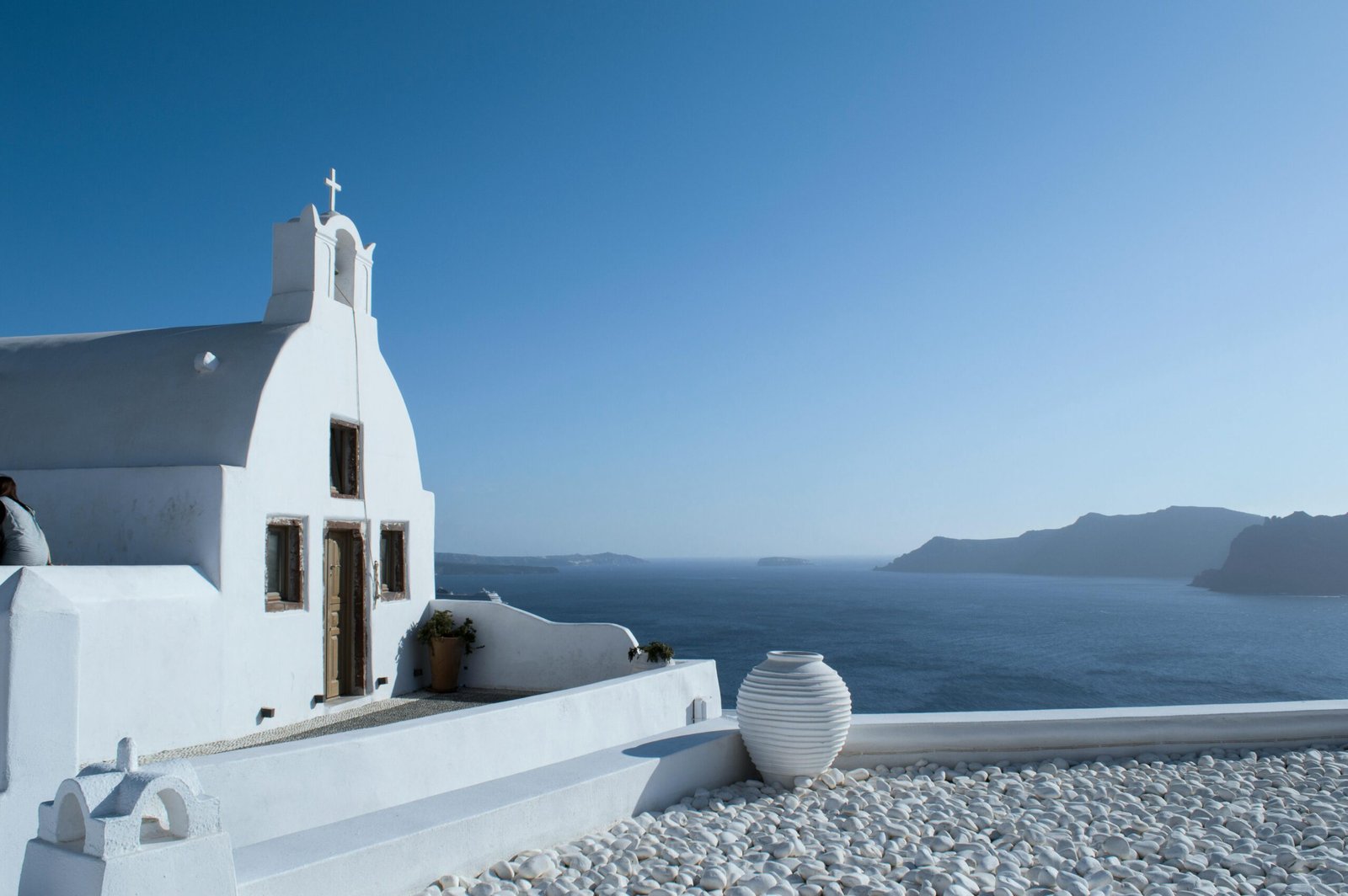
Why Most First-Timers to Santorini Leave Slightly Disappointed usually starts with a simple psychological trap: people buy the image first, then try to fit the trip around it. Santorini is one of the most pre-sold places in Greece, so first-timers arrive carrying a very specific movie in their head and very little tolerance for the messier reality of peak season.
The disappointment is rarely about the island being bad. It is about mismatch — between expectation and crowd levels, between the fantasy of privacy and the reality of shared spaces, between a fixed image and a place that still has to function as a living island. That gap is exactly where the frustration begins.
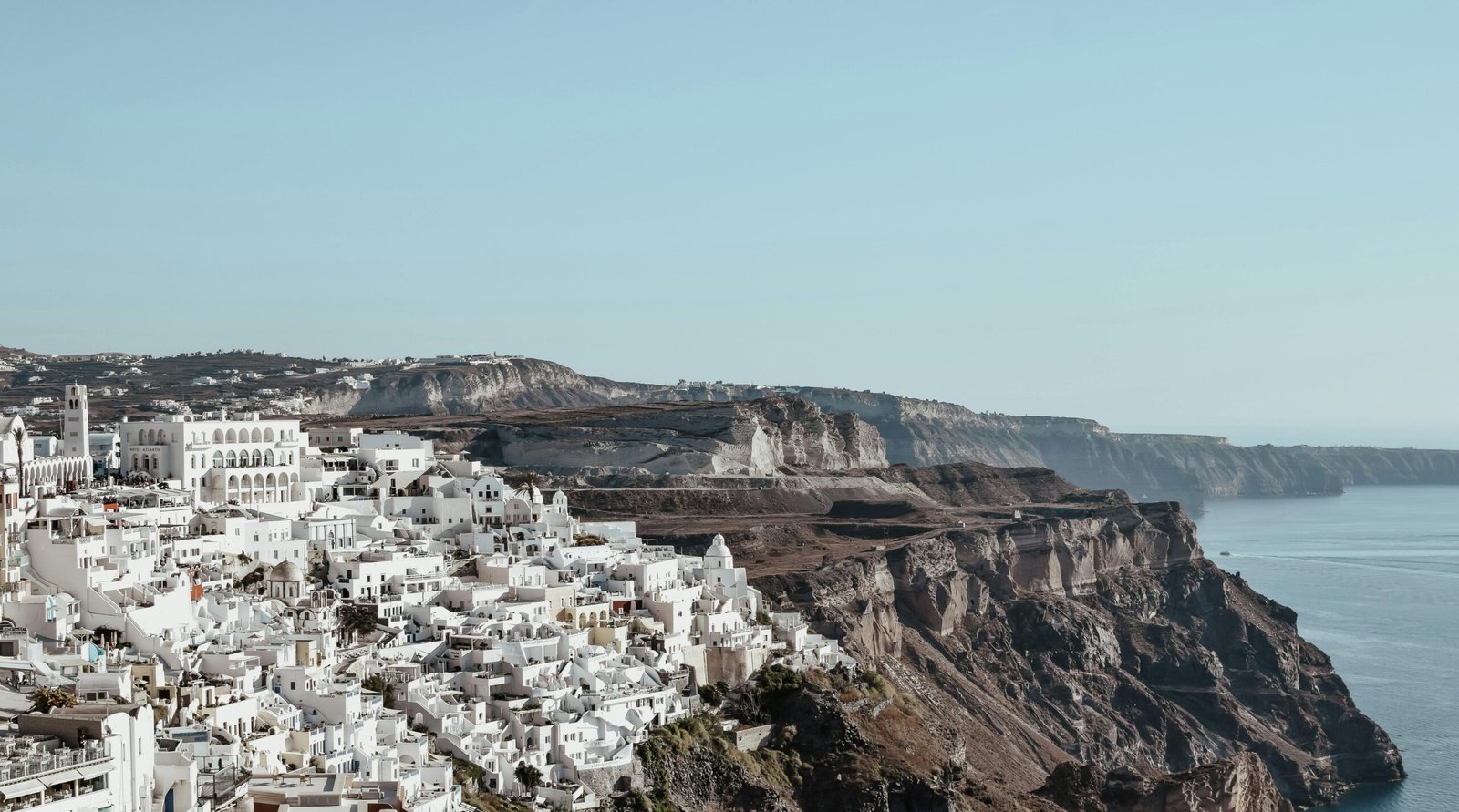
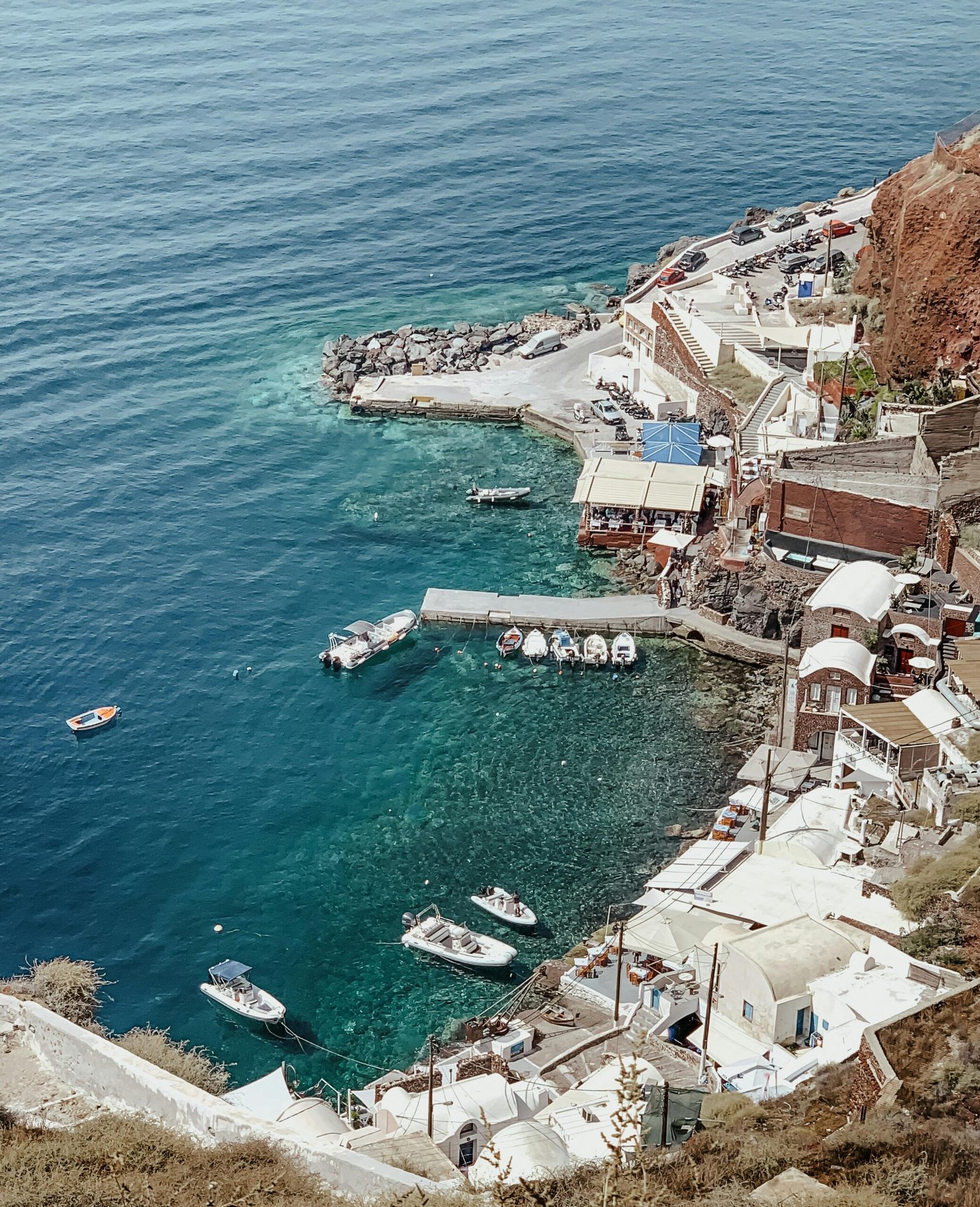
Why Most First-Timers to Santorini Leave Slightly Disappointed
Why Most First-Timers to Santorini Leave Slightly Disappointed is not a mystery to anyone who has watched arrivals in July and August. The island is marketed as if every visitor will have a private front-row seat to a perfect scene, but peak season turns that fantasy into a queue, a crowd, and a long wait for the exact moment people thought they had paid for.
The assumption behind the booking
The real driver is not romance alone. It is the desire to make a trip feel definitive, to say “we did Santorini” and believe that means something complete, polished, and emotionally satisfying. That is why people choose it even when they are already sensing it may be crowded: the image is so strong that they assume the island will compensate for the pressure.
First-timers also tend to confuse familiarity with value. They have seen Santorini in films, ads, proposal photos, and social media, so they assume recognition will translate into satisfaction. In practice, recognition often backfires; the more closely a place matches a preloaded image, the more obvious its limitations become when the crowd is in the frame.
Why the image wins over the reality
People do not just want a vacation. They want a proof point. Santorini is often chosen because it feels like a culturally accepted shorthand for success, romance, or a once-in-a-lifetime trip, and that makes it emotionally harder to question.
This is where the pressure becomes self-inflicted. Travelers tell themselves they should be impressed because the place is famous, expensive, and visually distinctive. When the actual experience includes noise, congestion, and a lot of sharing space with other visitors, they interpret their own fatigue as a personal failure to appreciate it.
That is a bad framework. Fame is not the same thing as comfort, and visual impact is not the same thing as emotional ease. Why Most First-Timers to Santorini Leave Slightly Disappointed is often because they expected the island to deliver a feeling, when what it really delivers in peak season is a very managed, very public version of itself.
The moment disappointment usually hits
The letdown usually arrives at the first point where the fantasy needs quiet to work. For some people it is the first sunset crowding, when the scene they imagined as personal turns into a shared event with no room to breathe. For others it is the first time they realize how much time is spent navigating people rather than actually enjoying the island.
That is the moment the emotional math changes. The traveler stops asking, “Is this beautiful?” and starts asking, “Is this worth the friction?” Once that question appears, the trip is already in a different category.
Here is the counterintuitive part: the disappointment is often sharpest among travelers who care most about aesthetics. They are usually the ones who have done their research, chosen the right hotel category, and paid for the right view, yet they are also the least prepared for how public the island feels once everyone else has made the same calculation.
Who is most likely to feel let down
There are a few traveler types who are especially vulnerable to this pattern.
- First-time Greece visitors who want one place to deliver the whole emotional experience.
- Couples planning a milestone trip who equate expense with privacy.
- Travelers who are heavily influenced by social media and expect scenes to look the same in person.
- People who dislike crowds but book the most crowded part of the season because the timing feels convenient.
- Visitors who want a relaxed island and choose a destination that is, in peak months, highly managed and heavily visited.
These travelers are not making irrational choices. They are making emotionally understandable ones. The problem is that they are using the wrong test: they ask whether Santorini is worth it in the abstract, when the real question is whether they will still enjoy it after the friction of peak season is added in.
Peak season changes the entire emotional tone
In peak season, Santorini stops behaving like a private reward and starts behaving like a global brand under pressure. That changes how people move, how long they wait, how much they notice other visitors, and how often they feel they are competing for the same view.
This is why first-timers often feel a strange mismatch between cost and calm. They have paid for a premium experience, but what they receive is high demand layered onto a place with finite space. Greece rewards travelers who arrive with a plan, but Santorini punishes the assumption that premium pricing automatically buys a premium mood.
That is also why the island can be more tiring than expected even when the weather is perfect and the photos are excellent. Emotional satisfaction is not built from scenery alone. It comes from the ratio between expectation and effort, and in Santorini that ratio gets worse fast once the season peaks.
What first-timers consistently underestimate
They underestimate how much of the trip is shaped by other people’s timing. Santorini is not disappointing because it lacks appeal; it is disappointing when too many visitors arrive wanting the same moments at the same time. That is a planning problem disguised as a mood problem.
They also underestimate how much they are using the island as a symbol. If the trip is supposed to validate a relationship, a celebration, or a long-awaited splurge, then any friction feels larger than it should. The island becomes responsible for more than it can reasonably deliver.
For context on how Greece is presented to first-time visitors, the official tourism site at
Visit Greece is useful, but the key is reading it with the right expectations. A destination can be iconic and still be demanding. Those two truths are not in conflict.
What a better approach looks like
The better way to think about Santorini is not as a guarantee of delight, but as a place that needs the right conditions to work well. That means understanding the difference between peak-season performance and a calmer, more usable experience. It also means admitting that not every traveler is actually looking for the same kind of island.
If you want the island to feel generous, you need to stop asking it to behave like a private fantasy. You are not looking for perfection; you are looking for the version of Santorini that matches your tolerance for crowds, structure, and shared space. That is the real filter most first-timers skip.
If culture matters more than image, pairing a Santorini stay with a broader Greece perspective often helps reset expectations. Greece is not one product, and the more you understand that, the less likely you are to mistake one famous island for the whole country. The national cultural context is worth reading through the Hellenic Ministry of Culture, especially if you want to move beyond the postcard version of Greece.
Conclusion: what to do with this information
Why Most First-Timers to Santorini Leave Slightly Disappointed is really a lesson in expectation management, not a verdict on the island. Santorini can still be worth visiting, but only when you stop asking it to match the fantasy that sold you the trip in the first place.
The travelers who leave satisfied are usually the ones who understand that the island is strongest when approached with clear eyes. They know what they are paying for, what peak season changes, and what kind of experience they actually want. That is the difference between a trip that feels overpromised and one that feels properly understood.
Greece doesn’t punish inexperience. It punishes unexamined assumptions. The travelers who leave disappointed rarely lacked information — they lacked a framework for using it.
Frequently asked questions
Why do so many first-time visitors feel underwhelmed in Santorini?
Because they arrive with a highly polished image of the island and then meet peak-season crowding, shared viewpoints, and a more public atmosphere than they expected.
Is Santorini actually disappointing for everyone?
No. It is disappointing mainly for travelers who expect privacy, calm, or a deeply personal experience during the busiest months. Travelers who understand the trade-offs often enjoy it more.
What is the biggest mistake first-timers make with Santorini?
They treat the island like a guaranteed emotional payoff. In reality, Santorini is a high-demand destination where timing and expectations shape the experience more than most people admit.
Why does peak season make such a difference?
Because the island’s finite space gets stressed by volume. The scenery stays the same, but the emotional experience changes once crowds, waits, and shared viewpoints dominate the day.
Who is most likely to be disappointed by Santorini?
Couples on milestone trips, social-media-driven travelers, and anyone who strongly dislikes crowds but still chooses the busiest season are the most common disappointment cases.
How can first-timers approach Santorini differently?
By treating it as a place with specific strengths and real limits, not as a one-size-fits-all luxury experience. That means aligning the trip with the kind of atmosphere you actually want.