

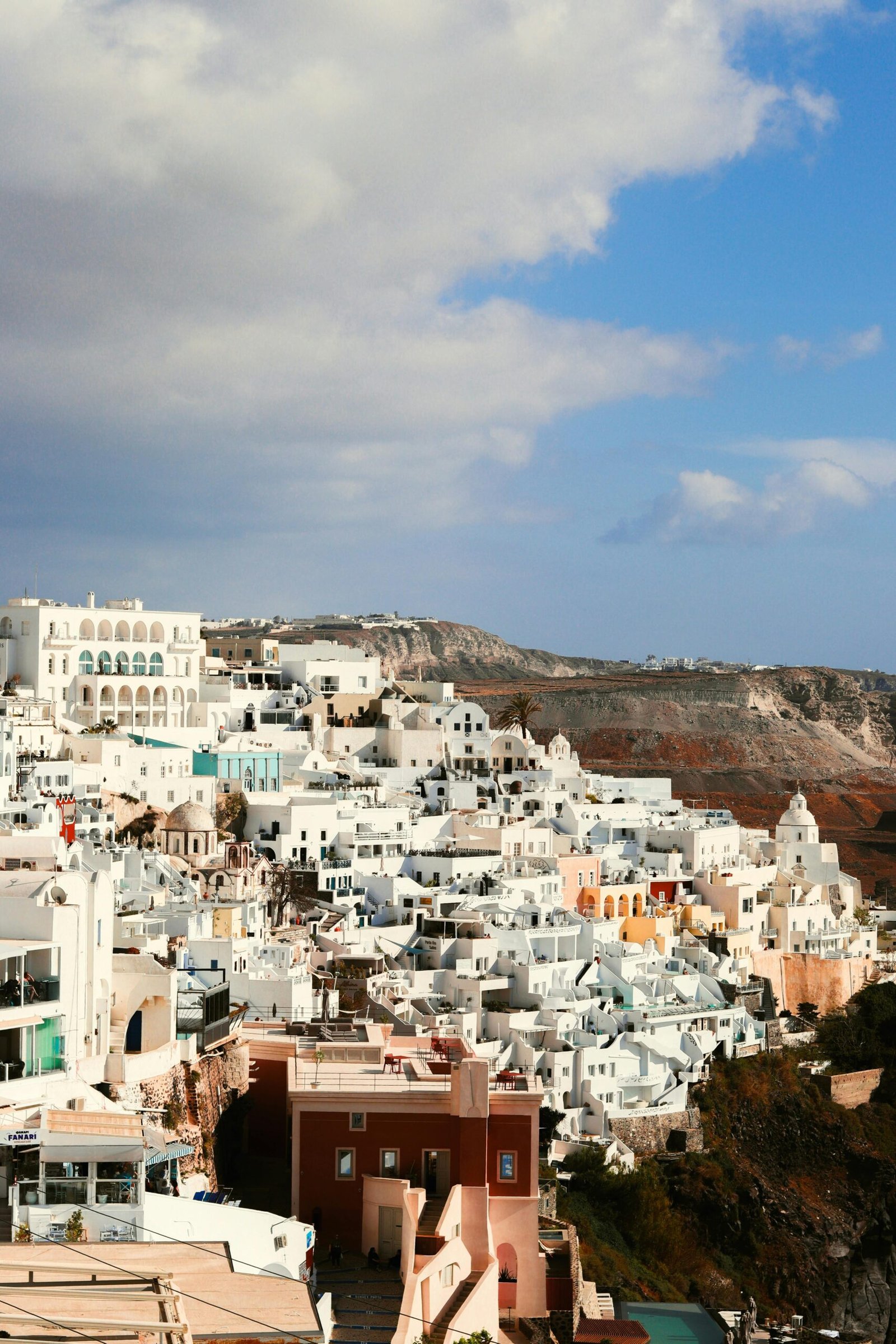
Why Most First-Timers to Santorini Leave Slightly Disappointed is usually not a problem of the island itself. It is a problem of expectation: travelers arrive looking for a polished version of the place they have seen in photos, then react badly when they meet the actual conditions of peak season.
That gap is predictable. Santorini is famous, expensive, crowded, and highly managed in ways most first-timers do not fully grasp until they are already there. If you understand the psychology behind the disappointment, you can see the trip more clearly before you spend money on the wrong version of it.
Why Most First-Timers to Santorini Leave Slightly Disappointed
The first mistake is emotional, not logistical. People do not choose Santorini because they want a Greek island; they choose it because they want the feeling attached to Santorini in their head: status, romance, certainty, and a trip that looks as good as it feels. That is a heavy expectation to place on one destination, and it is exactly why Why Most First-Timers to Santorini Leave Slightly Disappointed keeps showing up in real conversations after the trip.
What travelers underestimate is how quickly a famous place becomes work when everyone is trying to get the same experience at the same time. Peak season strips away the fantasy of privacy and ease. You are not just paying for a view; you are entering a high-demand environment where every small decision feels more crowded, slower, and more expensive than expected.
The image people buy is not the place they visit
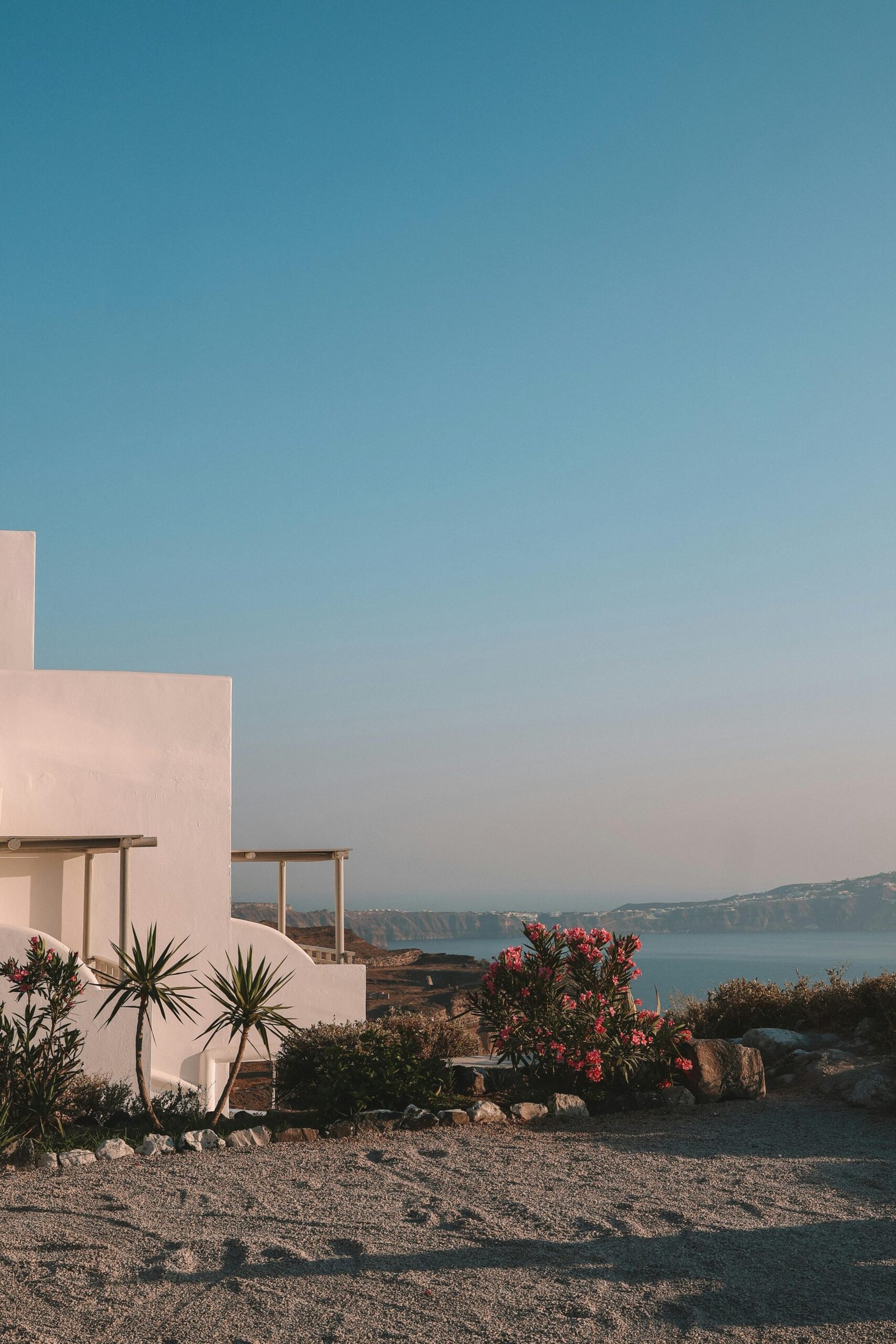
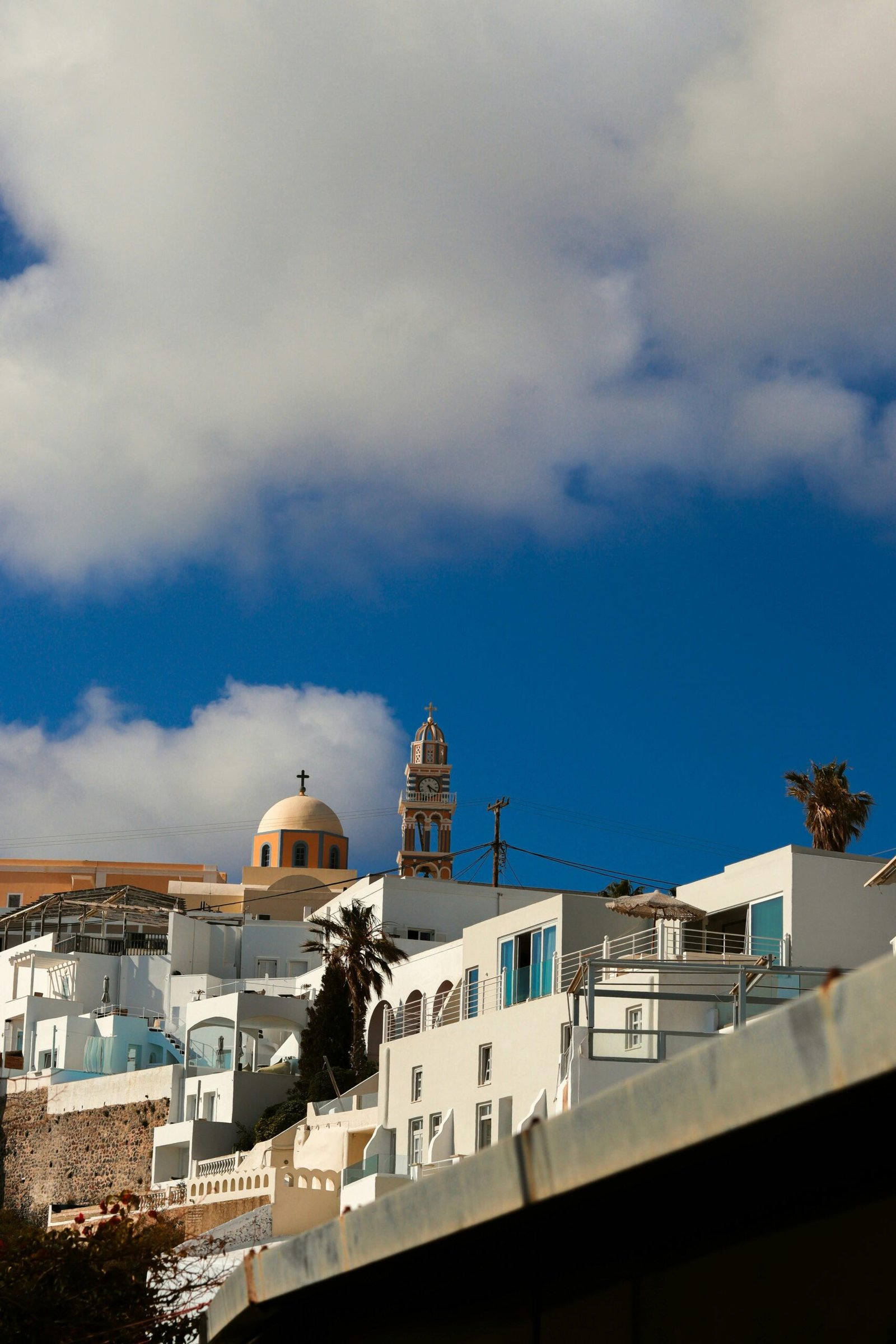
Santorini is sold as a clean visual promise: whitewashed edges, blue domes, sunset dinners, and a sense that everything will line up neatly. That promise is powerful because it flatters the traveler’s self-image. It says, in effect, that this will be the trip that confirms your taste.
The real island is more layered. It is beautiful, yes, but it is also heavily visited, seasonally strained, and shaped by tourism economics in a way first-timers often do not notice until they are standing in the middle of it. The disappointment comes from expecting a place to behave like an image.
That is the core of Why Most First-Timers to Santorini Leave Slightly Disappointed. They are not reacting to one bad meal or one crowded lane. They are reacting to the collapse of a fantasy they did not realize they were carrying.
Why travelers make this choice in the first place
Most people are not choosing Santorini purely for the island. They are choosing reassurance. Santorini is a socially approved decision, which matters more than travelers admit. It feels safe to book the place everyone recognizes, especially for a first Greece trip or a honeymoon where no one wants to be blamed for picking wrong.
There is also a status component that people rarely say out loud. Santorini signals that you have “done Greece” in a visible, polished way. For many first-timers, that matters as much as the experience itself.
This is why the disappointment can feel oddly personal. The traveler did not just expect a nice island; they expected the choice to validate their taste, their budget, and the effort they put into planning. When the island feels crowded or transactional, the emotional letdown is sharper than the practical one.
The moment the disappointment usually hits
It usually happens when the traveler realizes the island is not giving them solitude on demand. The classic moment is not arrival. It is the first time they try to enjoy a famous viewpoint, a dinner, or a sunset and discover they are sharing the experience with a large number of other people who had the same idea.
That is when the brain flips from expectation to comparison. Instead of thinking, “This is beautiful,” the traveler starts thinking, “This is not what I pictured.” Once that happens, every queue, every inflated price, and every crowded terrace starts to feel like proof that the trip is underperforming.
Here is the surprising part: many first-timers are not disappointed because Santorini is overhyped. They are disappointed because it is exactly as famous as it is supposed to be, and fame is rarely comfortable in peak season. If you want a quiet, easy island, Santorini is a poor match in high demand months. That is not a flaw in the island; it is a mismatch in emotional expectations.
Why Most First-Timers to Santorini Leave Slightly Disappointed in peak season
Peak season changes the psychological contract. People imagine they are booking a destination; what they are actually booking is access to a heavily compressed version of that destination. The island becomes less about discovery and more about managing friction.
That friction creates a specific kind of disappointment: not outrage, but fatigue. Travelers start noticing the cost of every convenience, the competition for every good seat, and the pressure to keep the trip looking effortless. A place that was supposed to feel indulgent can start to feel curated to exhaustion.
I take a clear position on this: if your main goal is a relaxed first Greece experience, Santorini in peak season is usually the wrong first island. It is not the best place to learn how Greece feels. It is one of the worst places to learn that lesson gently.
The traveler types most prone to this pattern
Some travelers are more vulnerable to disappointment because of what they are really seeking. The honeymoon couple often wants privacy, symbolism, and a sense that the trip will feel special without effort. The social-media-driven traveler wants visual proof that they made the right call. The first-time Greece visitor wants one iconic stop that removes uncertainty.
- Honeymooners who expect intimacy to come automatically
- First-time Greece visitors who want the “best” island rather than the right one
- Travelers who plan around photos more than daily conditions
- People who dislike crowds but still choose the most famous destination
These travelers are not naive. They are usually stressed, time-limited, and trying to make a high-stakes choice feel simple. Santorini looks like a shortcut to certainty, which is exactly why it attracts people most likely to feel let down when certainty turns into crowd management.
What people confuse with quality
One of the most common errors is mistaking visibility for value. A place can be famous, expensive, and heavily photographed without being the best fit for a particular trip. Santorini is the clearest example of that in Greece.
Travelers also confuse intensity with satisfaction. A dramatic view, a famous sunset, and a luxury hotel can create a strong first impression. Strong is not the same as good over three or four days, especially when the rest of the experience feels compressed by season and demand.
If you want a broader sense of how Greece presents itself beyond the postcard version, the official tourism materials at
Visit Greece are useful as a baseline. The important part is reading them as a starting point, not as a promise that every famous place will feel easy in peak months.
What a better approach looks like
The better question is not whether Santorini is worth visiting. It is what role you want it to play in the trip. If you want spectacle, a short stay, and you understand that you are entering one of the most heavily desired places in Greece, Santorini can still make sense. If you want ease, space, and a softer introduction to the islands, pick differently.
That shift in framing changes everything. You stop asking the island to deliver a fantasy and start asking whether it matches your actual travel temperament. Greece rewards travelers who arrive with a plan, but more than that, it rewards travelers who know what kind of discomfort they are willing to tolerate.
For travelers who want to understand the country beyond the obvious headline stops, it also helps to remember that Greece is larger than its most photographed places. The cultural context matters, and so does the habit of looking beyond the most obvious choice. The official cultural reference point at the Hellenic Ministry of Culture is one reminder that the country is not a single mood or one postcard island.
Reframing the decision before you book
The right frame is simple: do not ask whether Santorini is good. Ask whether your reasons for choosing it are emotional, social, or practical. Those are not the same thing, and first-timers often mix them together because the island’s image encourages that confusion.
If you want the trip to feel satisfying, choose Santorini because you understand its trade-offs, not because you hope the famous version will somehow override them. That is the difference between a considered choice and a disappointed one.
Why Most First-Timers to Santorini Leave Slightly Disappointed is not a warning to avoid the island. It is a warning to stop treating a high-demand destination like a private dream. Once you see that clearly, the trip becomes much easier to plan honestly.
Greece doesn’t punish inexperience. It punishes unexamined assumptions. The travelers who leave disappointed rarely lacked information — they lacked a framework for using it.
Frequently asked questions
Why do first-time visitors to Santorini often feel let down?
Because they arrive expecting a polished fantasy and encounter a busy, expensive, high-demand island instead. The disappointment is usually about the gap between image and reality, not the island alone.
Is Santorini still worth visiting for a first trip to Greece?
Yes, if you understand what it is: famous, crowded, and highly seasonal. It is a strong choice for spectacle, but not the easiest choice for a relaxed first impression of Greece.
What is the biggest mistake first-timers make with Santorini?
They choose it for the feeling it represents rather than for the conditions it actually offers. That usually leads to frustration once peak-season crowds and prices show up.
Which travelers are most likely to be disappointed?
Honeymooners seeking privacy, first-time Greece visitors wanting a simple win, and travelers who prioritize photos over daily comfort are the most vulnerable to disappointment.
When does the disappointment usually set in?
It usually hits when the traveler tries to enjoy a famous view, dinner, or sunset and realizes they are sharing it with a lot of other people. That is when the fantasy starts to feel crowded.
Should I avoid Santorini in peak season?
If you dislike crowds and friction, yes, it is usually a poor fit in peak months. If you want the famous version of the island and accept the trade-offs, it can still work.
How should I think about Santorini differently?
Treat it as a high-demand destination with real limitations, not as a guaranteed romantic escape. That mindset leads to better decisions and fewer surprises.