

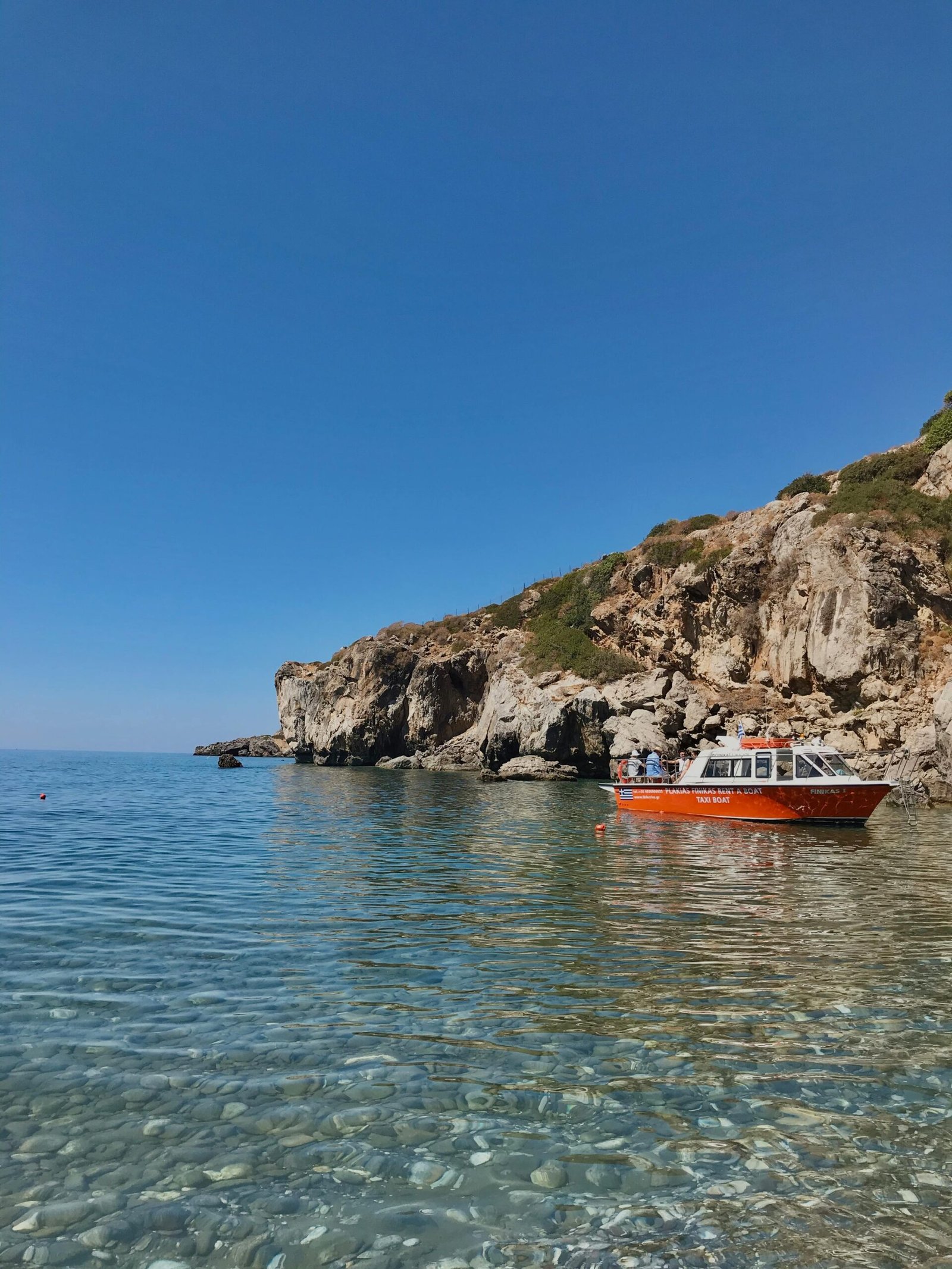
Crete Is Not One Trip: Why It Needs a Different Kind of Planning, and that is the first thing serious travelers need to accept. Crete is large enough to behave like several different destinations, and if you plan it like a compact island escape, you usually end up with a diluted trip that feels rushed in some places and underused in others.
The mistake I see most often is trying to “see Crete” in one sweep. That approach misses the point entirely: the island rewards travelers who choose a side, a pace, and a clear type of experience instead of trying to collect everything at once.
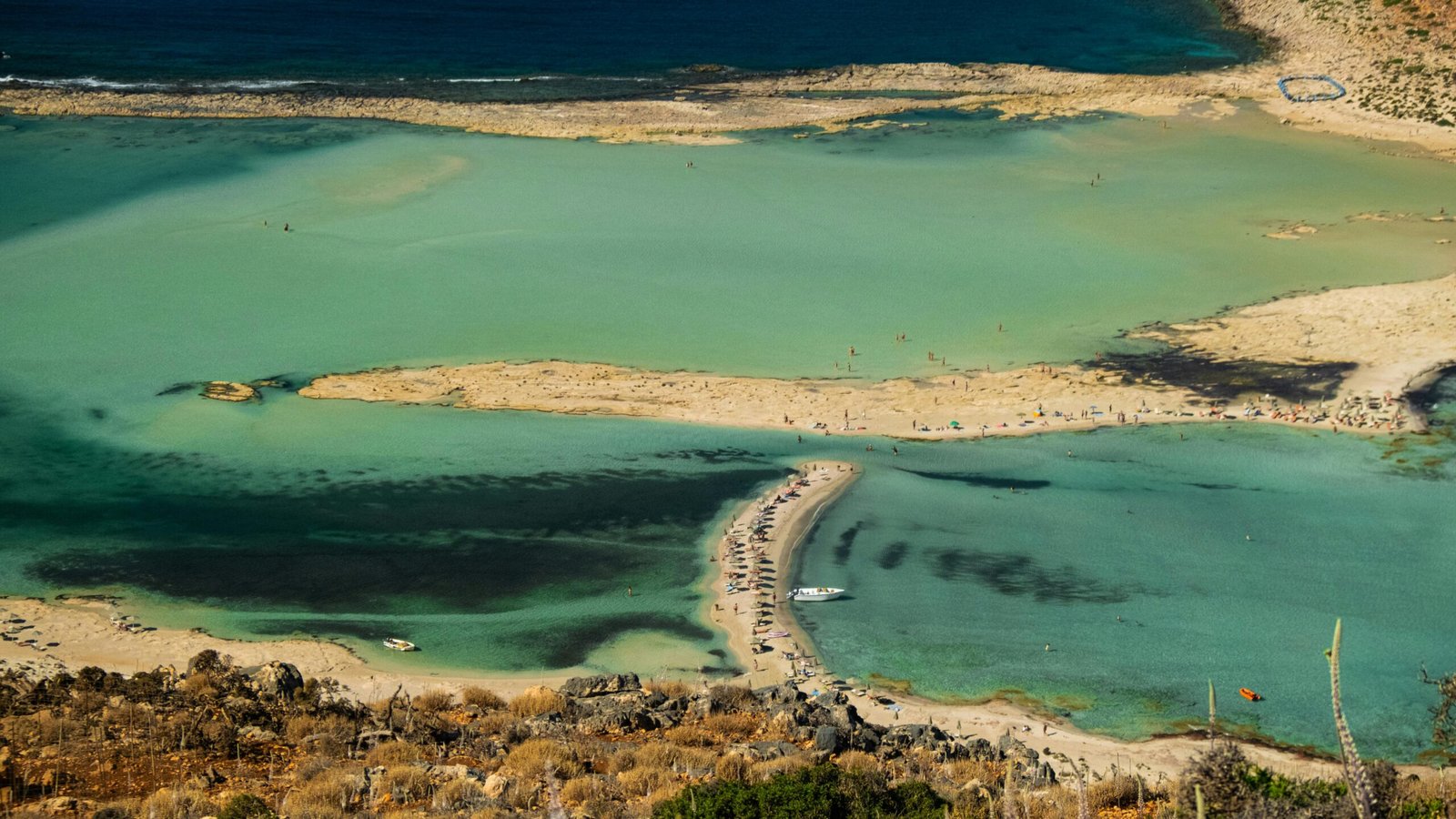
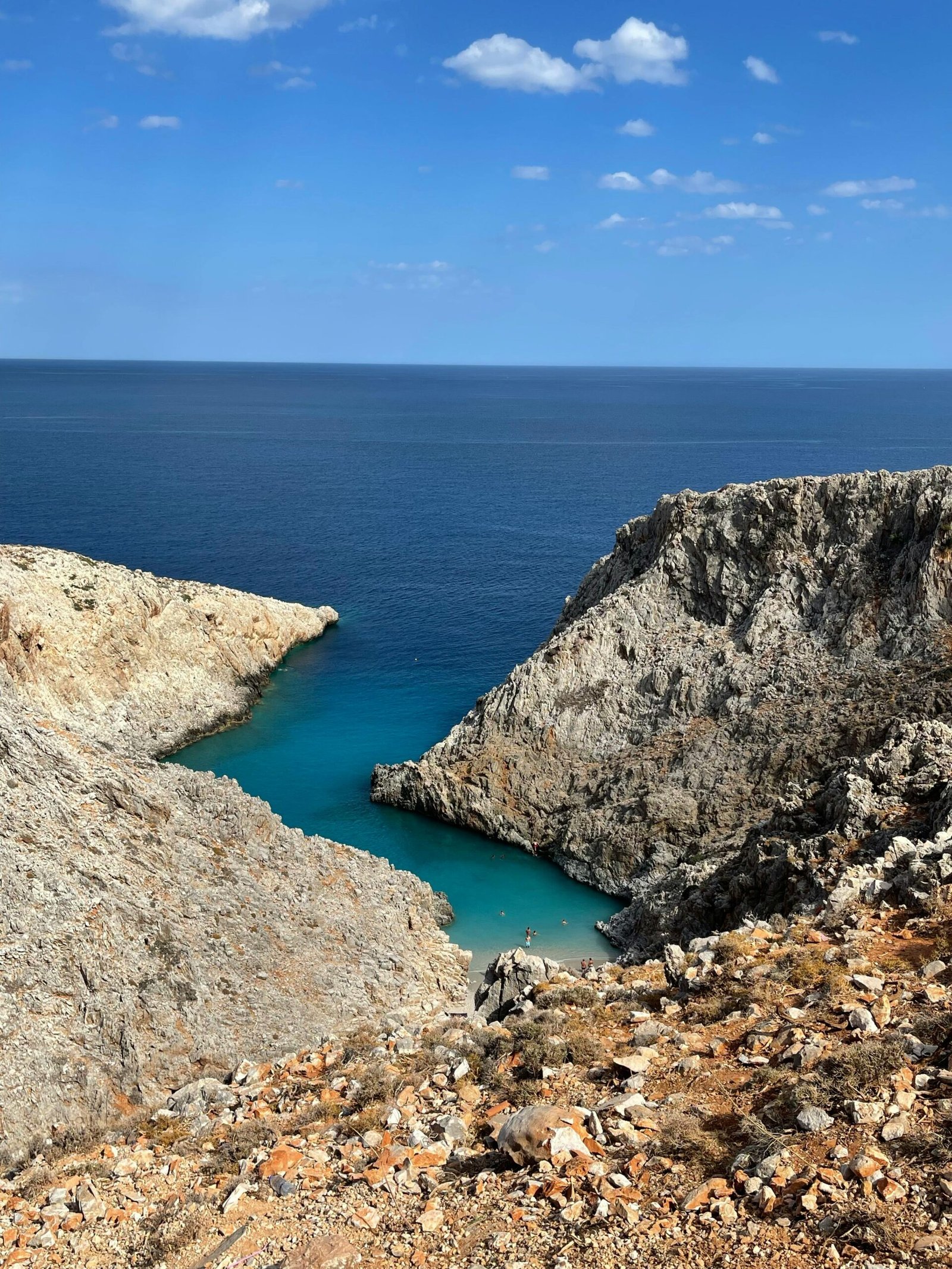
Crete Is Not One Trip: Why It Needs a Different Kind of Planning
Crete Is Not One Trip: Why It Needs a Different Kind of Planning
Crete Is Not One Trip: Why It Needs a Different Kind of Planning because the island is not a single product. The north coast, the south coast, the west, and the east each attract different travelers, and they do not all work for the same style of luxury trip. If you treat Crete like a smaller Cycladic island, you will make bad choices about where to stay, how long to stay, and what kind of pace is realistic.
The biggest planning error is assuming distance on a map tells you much. It does not. Crete eats time in a way first-time visitors consistently underestimate, which is why overpacked itineraries often feel thin even when they look ambitious on paper.
What travelers consistently get wrong in Crete
First, they split their stay into too many bases. That sounds efficient, but in Crete it usually creates check-in fatigue, weak continuity, and too much time spent adjusting instead of enjoying. Luxury travelers in particular lose the benefit of a well-chosen hotel when they keep moving before the stay has a chance to settle.
Second, they confuse “variety” with “coverage.” Chasing Elafonissi, Balos, Chania Old Town, Heraklion, and the south coast in a single short trip is how people produce a trip that feels busy but not satisfying. If you only remember logistics, traffic, and timing stress, you planned the island poorly.
Third, they book the wrong location for the kind of Crete they want. Chania suits travelers who want polished dining, easier access to western highlights, and a more settled base. Heraklion works better for culture-focused travelers and people who want a city with substance, while Rethymno sits in the middle but is often underestimated as a base because it is less obviously “luxury” on the surface.
Where Crete actually makes sense for luxury travelers
Chania is the most obvious starting point for travelers who want a stylish base with strong restaurants, a walkable old town, and easy access to the west. It is also the place where expectations can get inflated, because not every waterfront hotel matches the rate. You need to choose carefully or pay for location and marketing rather than quality.
Rethymno is a smarter choice than many travelers realize. It gives you a more balanced position on the island, a strong historic center, and less of the self-conscious resort feel that turns off experienced travelers. For couples and repeat Greece visitors, that balance often matters more than a famous beach name.
Heraklion is frequently dismissed too quickly, usually by travelers who only want a pretty harbor. That is a mistake if you care about museums, serious food, and a more urban, functional base. The Acropolis Museum is not in Crete, of course, but I mention it because travelers who value cultural context usually understand that Greece works best when you treat history as part of the trip, not an add-on after the beach.
Elounda is for a very specific luxury audience: travelers who want resort-level comfort, privacy, and a calmer pace. It is not the right choice if you want spontaneous wandering or a strong sense of local street life. You trade atmosphere for polish, and that trade-off should be made deliberately, not by accident.
The southwest around Sfakia and Paleochora suits travelers who want a more grounded, less staged Crete. This is where the island feels less packaged, but it also demands more patience and a willingness to accept that convenience is not the main feature. For many high-end travelers, that is exactly the appeal.
A counterintuitive truth about Crete
The surprising thing is that the most rewarding Crete trips are often the least ambitious on paper. Travelers who try to “cover” the island usually leave with a sense that they saw a lot but experienced very little. Travelers who choose one strong base, one secondary area at most, and a clear pace usually get a better trip even if they visited fewer headline names.
That is counterintuitive because luxury planning often gets confused with maximizing options. In Crete, more movement usually means less quality. The island is large enough that movement becomes a cost, not a bonus, and the people who ignore that end up paying for it in energy, not just time.
Who this suits
Crete suits travelers who want substance over novelty, couples who like a mix of good hotels and real local atmosphere, and repeat visitors to Greece who are ready to stop treating islands like collectibles. It also works well for travelers who like culture, food, and a slower rhythm without needing every day to feel curated to the minute.
It does not suit travelers who want one neat “best of Greece” checklist, first-timers who are trying to combine too many islands, or anyone who gets frustrated when a destination asks for patience. If your ideal trip is highly compact and easily digestible, Crete can feel overbuilt rather than elegant.
- Best fit: couples, culture-focused travelers, food-driven travelers, and repeat Greece visitors
- Poor fit: checklist travelers, very short stays, and people who want constant moving without friction
The real trade-offs: what you gain and what you give up
When you plan Crete properly, you gain depth, better hotel value, and a trip that feels more adult and less performative. You also gain the chance to choose a real point of view: west for atmosphere, east for calm, south for a more grounded feel, or a city base for culture and dining.
What you give up is breadth. You will not “do it all,” and you should not try. The travelers who accept that early usually end up with a much better Crete experience than the ones who keep trying to squeeze every famous name into a single stay.
Another practical consequence: when travelers ignore this advice, they often book a beautiful hotel in the wrong place and then spend the trip driving past the experience they actually wanted. That is an expensive mistake in Crete, because the island’s strongest luxury stays are only valuable when the base matches the trip style. Crete Is Not One Trip: Why It Needs a Different Kind of Planning is not a slogan; it is the difference between a coherent stay and a messy one.
How to think about Crete before you book
Start with the kind of trip you want, not the list of places you feel you should see. If you want polished comfort and easy dining, Chania or Elounda may fit. If you want culture and a more practical base, Heraklion deserves more respect than it usually gets. If you want balance, Rethymno is often the smartest compromise.
Also be honest about pace. Crete works for travelers who can leave room in the day and do not need every hour accounted for. If you are trying to force it into a fast island-hopping pattern, you are fighting the destination instead of using it well. Crete Is Not One Trip: Why It Needs a Different Kind of Planning, and the travelers who understand that usually get the best version of the island.
For broader trip framing, it helps to keep an eye on official destination guidance from
Visit Greece, but the real value comes from matching that information to the way you actually travel. That is where most generic planning falls apart.
Greece rewards travelers who arrive with a plan built around how they actually travel — not a generic template. The difference between a frustrating trip and a remarkable one often comes down to sequence, timing, and knowing which trade-offs matter for your situation.
Recommended experiences
Some experiences mentioned here are curated and managed by Elite Greece Travels.
- Best Of Greece Athens Paros Crete 7 Day Itinerary 6 Nights — Itinerary (managed by Elite Greece Travels).
- Athens Mykonos Santorini Crete Itinerary 9 Days — Itinerary (managed by Elite Greece Travels).
- Athens Santorini Crete Itinerary 7 Days — Itinerary (managed by Elite Greece Travels).
Frequently asked questions
Is Crete better as one base or multiple bases?
For most luxury travelers, one strong base plus at most one secondary area is the better choice. Too many bases usually create friction and weaken the quality of the stay.
What is the biggest mistake people make when planning Crete?
They try to cover too much of the island in too little time. Crete is large enough that this usually produces a trip full of movement and light on actual enjoyment.
Which part of Crete is best for a first luxury trip?
Chania is the easiest fit for many first-time luxury travelers because it combines strong dining, a pleasant old town, and access to the west. But it is not automatically the best choice for everyone.
Is Heraklion worth staying in?
Yes, if you care about culture, museums, and a more urban base. It is often overlooked by travelers who want only postcard scenery, which is a narrow way to judge Crete.
Can you do Crete in a short trip?
Yes, but only if you accept that you will see a limited version of the island. Short stays are where overplanning causes the most disappointment.
Who should avoid Crete?
Travelers who want a compact, low-decision island trip often struggle here. Crete asks for more thought than a small-island holiday, and that is not for everyone.