

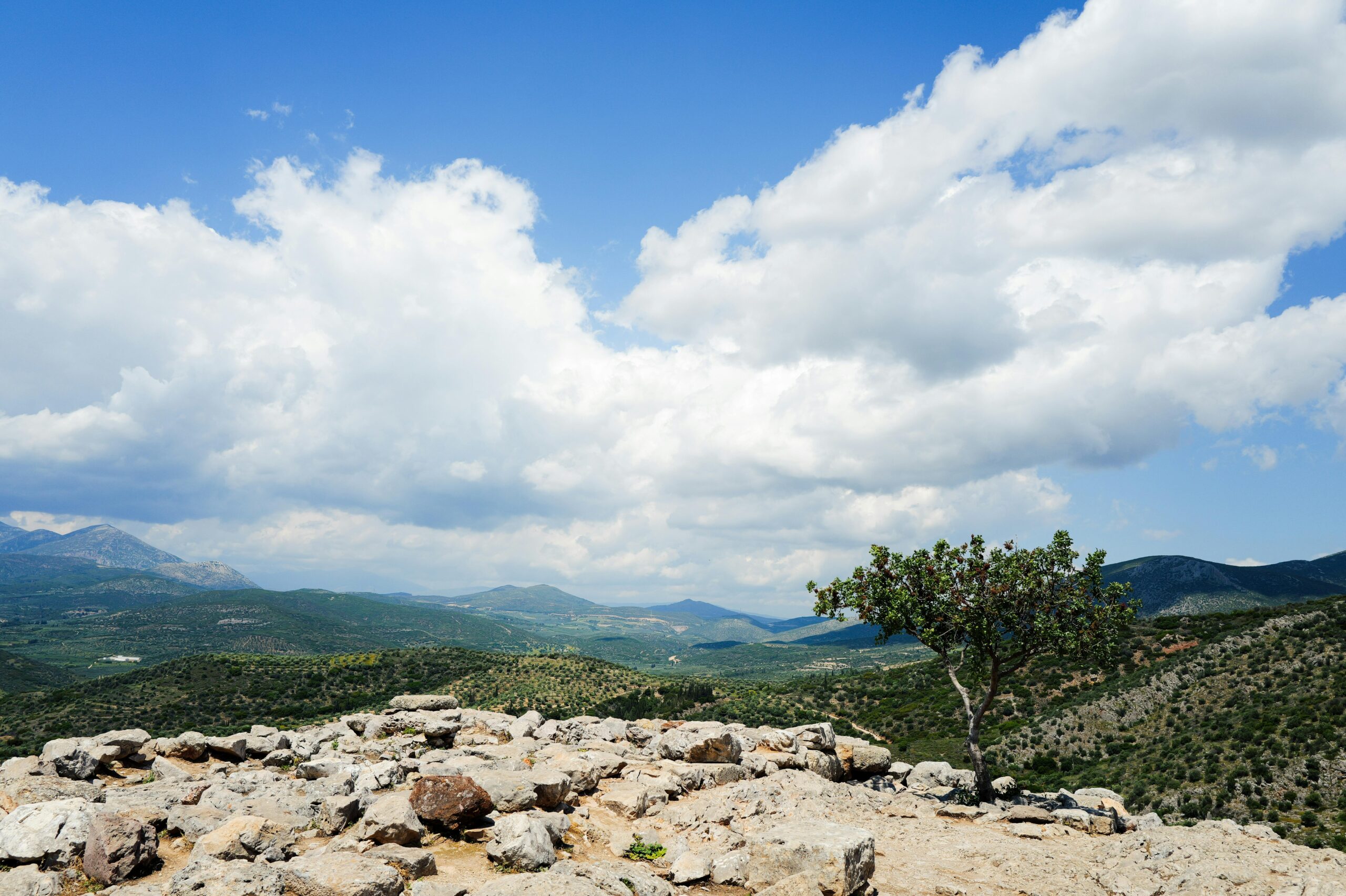
Crete Is Not One Island Experience, and That’s the Problem, and that is exactly why so many otherwise well-planned trips feel disjointed. Crete is large enough to behave like several different destinations, with sharp regional differences in pace, landscape, dining, and hotel quality. If you try to treat it like a compact Greek island, you usually end up wasting time and staying in the wrong place.
The mistake is not wanting variety. The mistake is assuming Crete’s variety organizes itself. It does not, and travelers who do not shape the island around a clear travel style usually leave with too much driving, mismatched bases, and a luxury stay that feels more fragmented than premium.
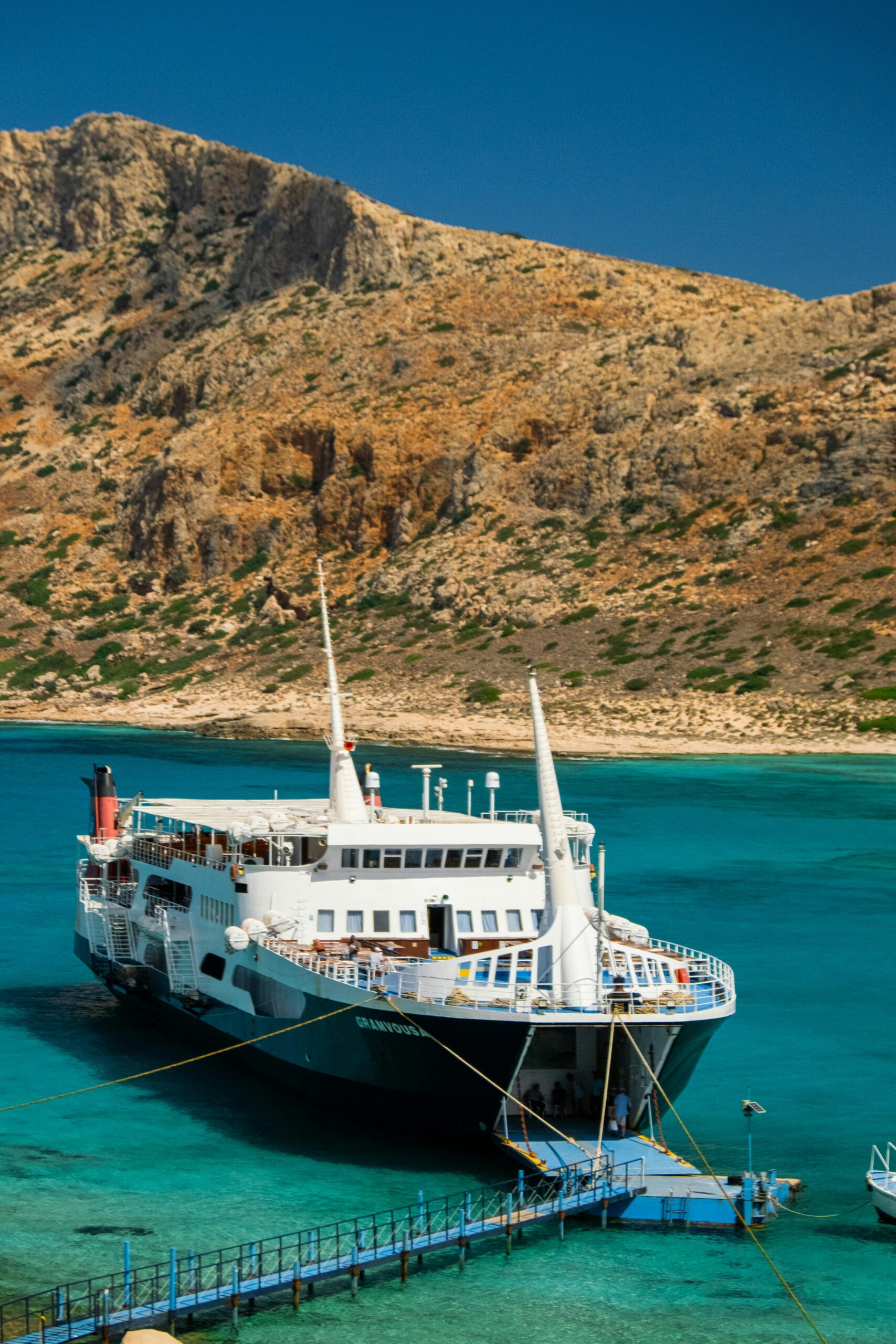
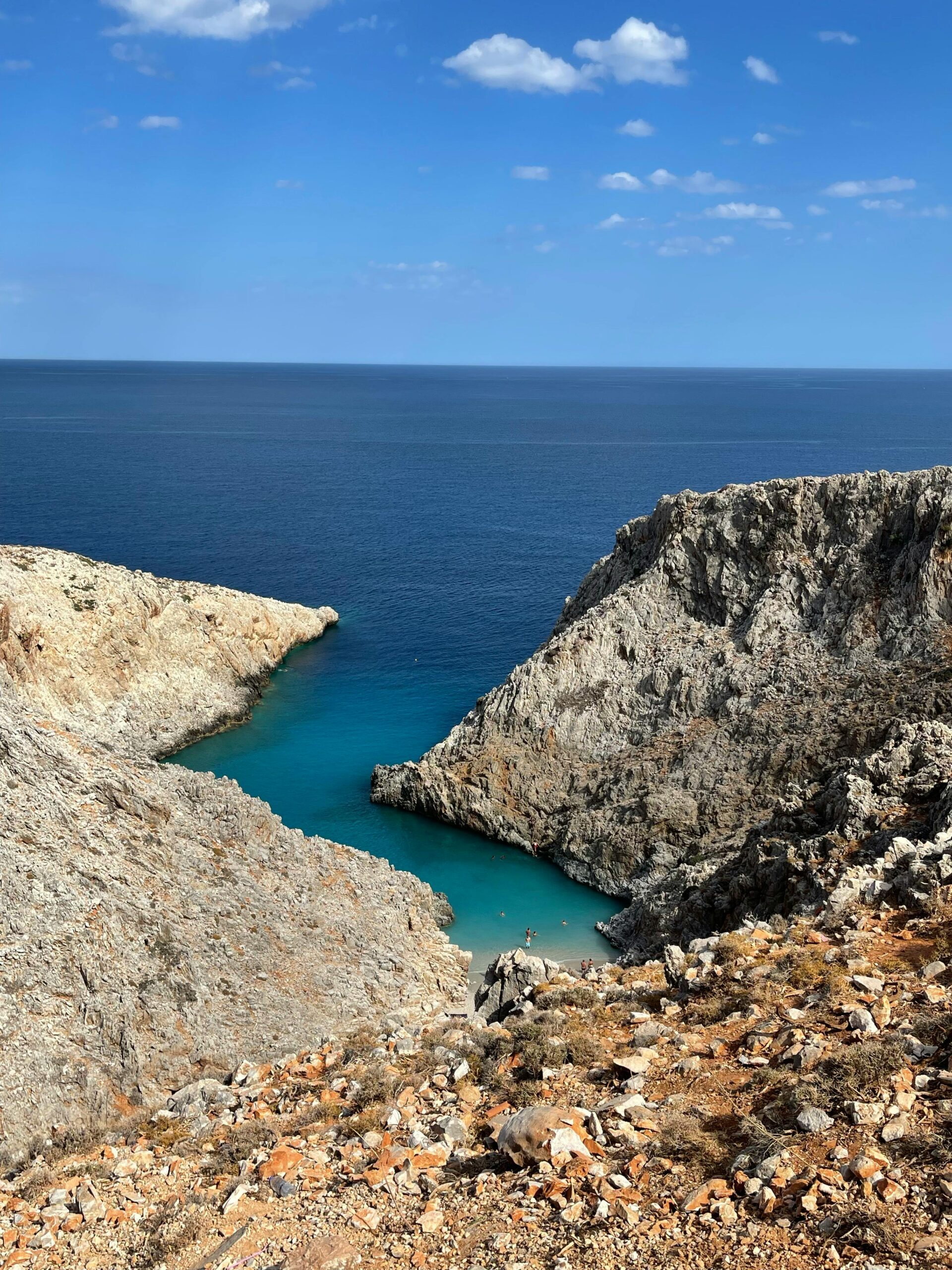
Crete Is Not One Island Experience, and That’s the Problem
Crete Is Not One Island Experience, and That’s the Problem is not a catchy line. It is the central planning reality of the island. Crete can deliver excellent food, serious beaches, strong hotels, and real character, but only if you accept that its regions are not interchangeable.
Most travelers get this wrong in two ways. First, they pick one base and expect it to cover the whole island. Second, they assume “luxury” on Crete means the same thing everywhere, when in practice the quality gap between areas is wide. A polished stay in Chania does not prepare you for the rougher, more functional feel of some other parts of the island.
Crete Is Not One Island Experience, and That’s the Problem: the island’s scale changes everything
Crete is not difficult because it lacks appeal. It is difficult because the island is large, and the distances matter more than first-time visitors expect. What looks manageable on a map often becomes a trip that feels chopped up by long days and poor sequencing.
The practical consequence is simple: if you ignore scale, you lose the calm that luxury travelers are usually paying for. Instead of a coherent stay, you get a series of transfers, rushed meals, and a constant sense that you are always heading somewhere else. That is not a premium experience; it is a logistics problem dressed up as a vacation.
Where Crete feels most coherent for luxury travelers
Some parts of Crete work far better than others for a high-end trip. Chania Old Town is the most obvious choice for travelers who want atmosphere, dining, and a strong urban base. Elounda is the island’s most reliable luxury pocket, with the kind of resort product that actually supports a relaxed stay.
Rethymno Old Town suits travelers who want a more balanced, less polished setting with enough character to hold interest. Heraklion is not where I would send someone for a leisure-focused luxury holiday, but it does make sense for travelers who care more about culture and access than resort ambiance. South Crete, including areas near Matala and the quieter western stretches, appeals to people who want space and a less packaged feel, but it asks for more tolerance of uneven infrastructure.
People also underestimate how much the island changes from one side to the other. West Crete and east Crete can feel like different islands in terms of mood, service style, and how polished the hospitality is. That is why a vague “Crete trip” is usually a weak plan.
What travelers consistently get wrong
The first mistake is choosing accommodation by view alone. On Crete, location inside the right district matters more than a dramatic outlook, especially if you care about dining, walkability, and not feeling isolated after dark. A beautiful room in the wrong area is still the wrong room.
The second mistake is overestimating how much ground they can cover while still calling the trip luxurious. Crete tempts people into trying to “do it all,” which is exactly how they end up with uneven nights and wasted energy. Luxury on this island is not about packing in more; it is about filtering harder.
The third mistake is ignoring seasonal reality. In peak summer, some areas become crowded enough to flatten the experience, while shoulder season can make certain beach-focused plans feel less useful. Crete is not a year-round copy-paste destination, and travelers who pretend otherwise usually overpay for the wrong kind of trip.
A counterintuitive truth about Crete
The most surprising thing about Crete is that the most “complete” trip is often not the best trip. Travelers think they need a little of everything: old town, beach, mountains, food, ruins, and a resort. In practice, that often produces a diluted itinerary with no real rhythm.
A sharper plan is usually better. One strong base in Chania, one polished resort pocket in Elounda, or a culture-led stay around Heraklion can feel more luxurious than a scattered island sampler. Crete Is Not One Island Experience, and That’s the Problem, but it is also the reason a focused plan works so well when it is built properly.
For travelers who want to understand the island’s cultural layers, official heritage information is worth consulting, especially before choosing which regions deserve time. The island’s archaeological and historical depth is not decoration; it shapes where a thoughtful itinerary should concentrate. A useful starting point is the Hellenic Ministry of Culture.
Who this suits
Crete suits travelers who want a real destination with range, not a one-note island. It works well for couples, repeat Greece visitors, food-focused travelers, and families who prefer a larger island with more room to spread out. It also suits people who are comfortable making trade-offs in exchange for better quality in the places they do choose.
- Best fit: couples seeking a polished base and good dining
- Best fit: repeat visitors who want more than a beach holiday
- Best fit: travelers who value regional character over convenience
- Not a fit: first-timers who want a simple, compact island experience
- Not a fit: travelers who dislike moving between distinct bases
- Not a fit: anyone expecting every part of the island to feel upscale
Crete is less suitable for travelers who want a single postcard version of Greece. It is also a poor match for people who get anxious when a destination does not behave uniformly. If you need one consistent standard everywhere, this island will frustrate you.
The trade-offs are real, and you should name them before booking
What you gain on Crete is breadth: serious food, distinct regional identities, quality resorts in the right places, and enough scale to support a longer stay without boredom. What you give up is simplicity. You cannot treat every part of Crete as interchangeable, and you cannot build a strong trip by choosing accommodation casually.
That trade-off is why expert planning matters here more than on smaller islands. The right sequence of regions, the right base, and the right expectation-setting can make Crete feel elegant and coherent. The wrong choices make it feel bigger, slower, and more tiring than it should.
If you want a broader sense of current destination standards and practical visitor context, use official tourism guidance rather than generic listicles. The
official Visit Greece site is a better baseline than most mass-market travel content, especially when you are deciding what kind of Crete trip makes sense for you.
Why expert help changes the outcome
Crete is not hard because it lacks options. It is hard because too many options are only good in the right context. Someone who knows the island well can tell you where the luxury product is genuinely strong, where the atmosphere is worth the premium, and where the trip will quietly fall apart.
That kind of filtering is the difference between a cohesive luxury holiday and a loose collection of bookings. Crete Is Not One Island Experience, and That’s the Problem, but it is also the reason a well-designed trip can feel far more refined than travelers expect. The island rewards precision, not ambition.
Greece rewards travelers who arrive with a plan built around how they actually travel — not a generic template. The difference between a frustrating trip and a remarkable one often comes down to sequence, timing, and knowing which trade-offs matter for your situation.
Recommended experiences
Some experiences mentioned here are curated and managed by Elite Greece Travels.
- Best Of Greece Athens Paros Crete 7 Day Itinerary 6 Nights — Itinerary (managed by Elite Greece Travels).
- Athens Mykonos Santorini Crete Itinerary 9 Days — Itinerary (managed by Elite Greece Travels).
- Athens Santorini Crete Itinerary 7 Days — Itinerary (managed by Elite Greece Travels).
Frequently asked questions
Is Crete better for one base or multiple bases?
For most travelers, one strong base plus a very clear reason to move is better than bouncing around. Crete’s scale makes casual base-hopping inefficient, and luxury trips suffer when the itinerary becomes too fragmented.
What are the best areas in Crete for a luxury stay?
Chania Old Town and Elounda are the most reliable high-end choices. Rethymno can work well for travelers who want character without the same level of polish, while some southern areas suit people who want space over convenience.
What do travelers underestimate most about Crete?
They underestimate the island’s size and the way regional differences affect the whole trip. They also underestimate how much accommodation location changes the quality of the stay, especially at night and during peak season.
Is Crete good for first-time visitors to Greece?
Yes, but only if they want a larger, more varied destination and are comfortable with trade-offs. It is not the easiest first island if the goal is simplicity, compactness, and a low-decision holiday.
When is Crete hardest to plan well?
Peak summer is the most unforgiving period because crowds and heat make poor planning more obvious. Shoulder season is often better for culture and dining, but some beach-centric expectations need to be adjusted.
Why does expert planning matter more on Crete than on smaller islands?
Because the island’s regions are not interchangeable, and the wrong base can weaken the whole trip. Good planning filters out weak fits and creates a trip that feels intentional instead of improvised.