

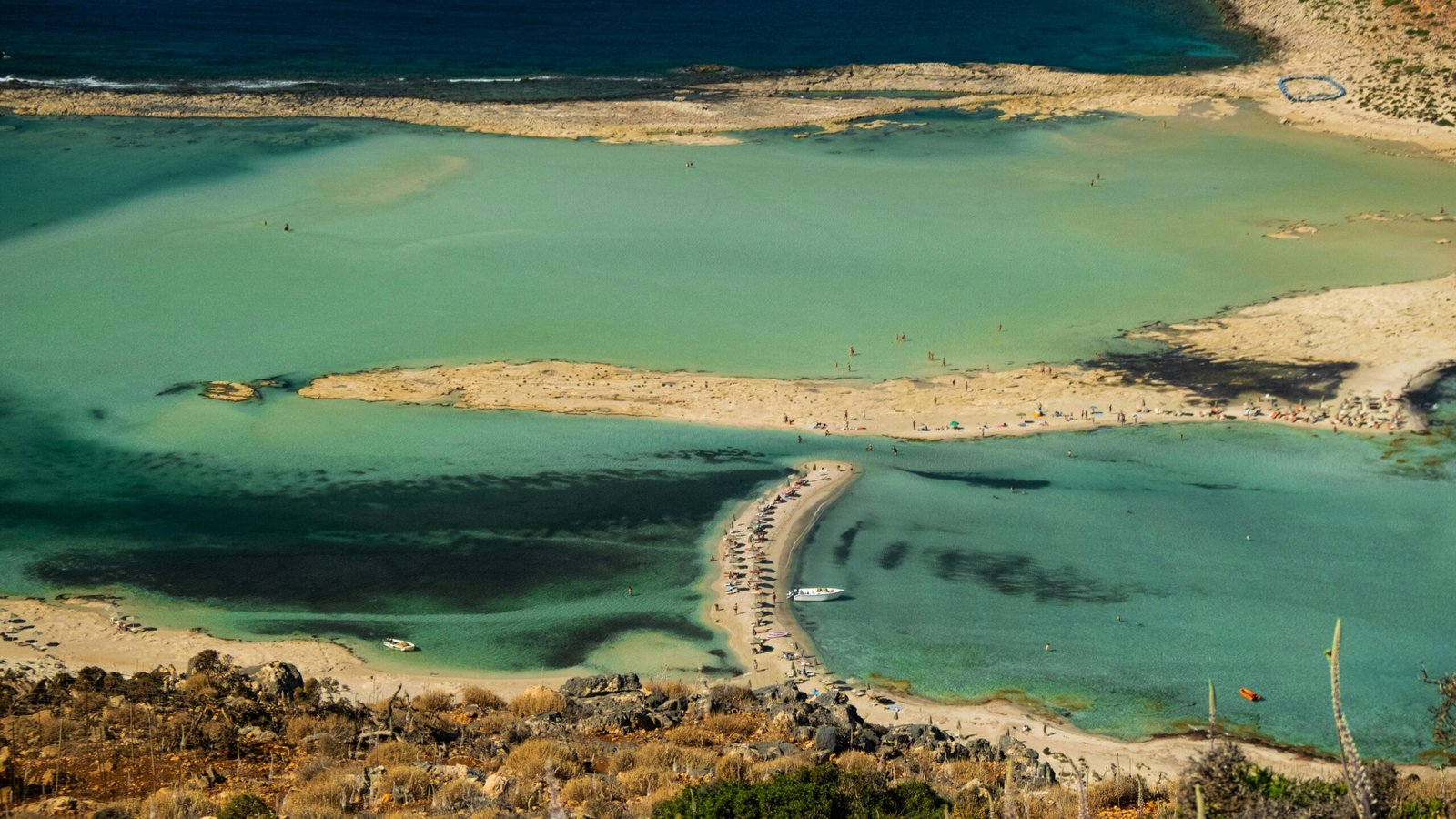
Crete Is Not One Trip — It’s Three Very Different Ones, and that is exactly why so many first-time plans fall apart. Travelers treat it like a single island with a few beaches and a couple of ruins, then wonder why their base feels wrong, their days feel rushed, or the whole trip feels less coherent than it should.
The island changes sharply from west to center to east, and each side suits a different kind of traveler. If you understand that early, you make better choices about where to stay, what to leave out, and what kind of Crete you actually want.
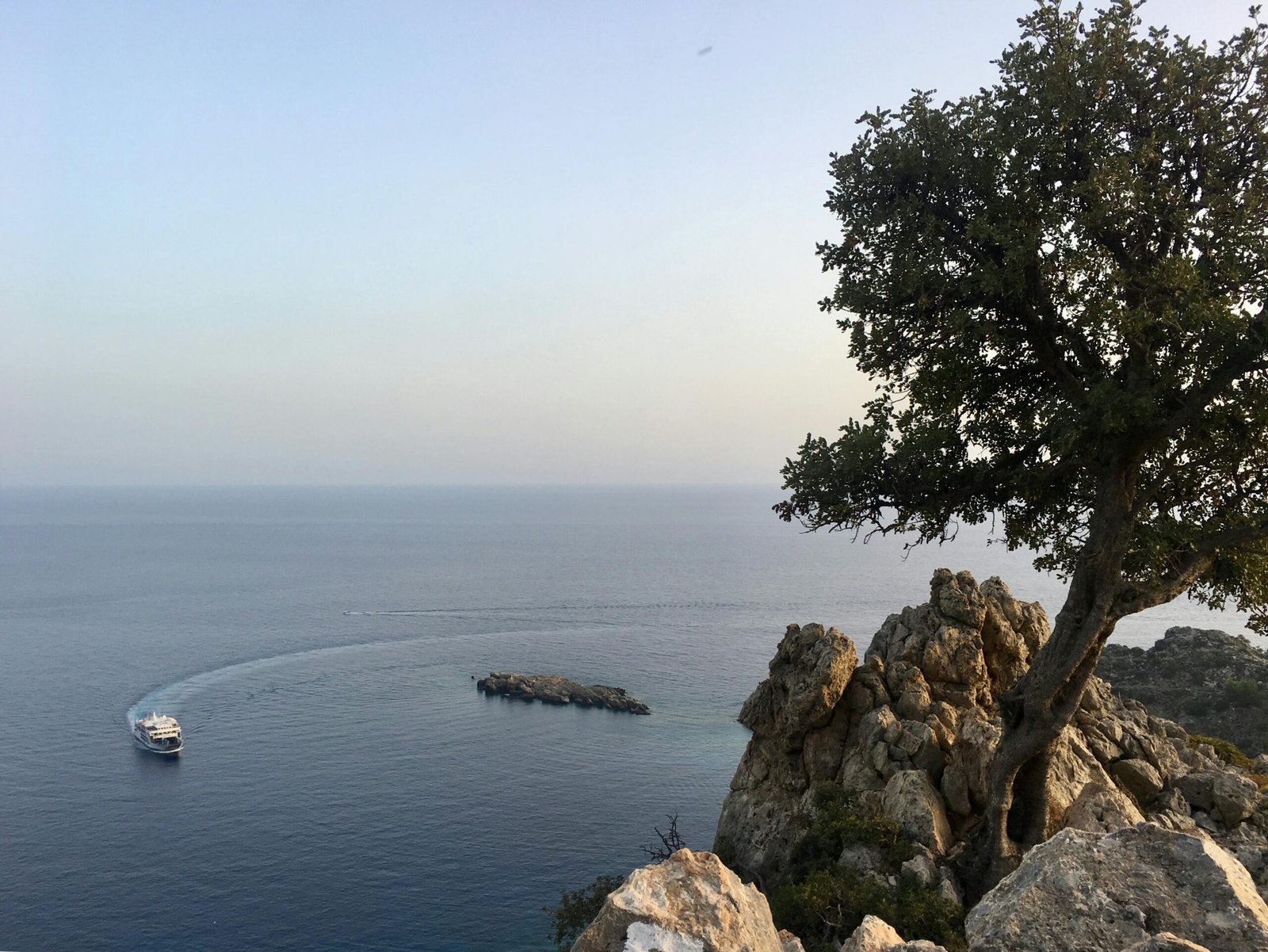
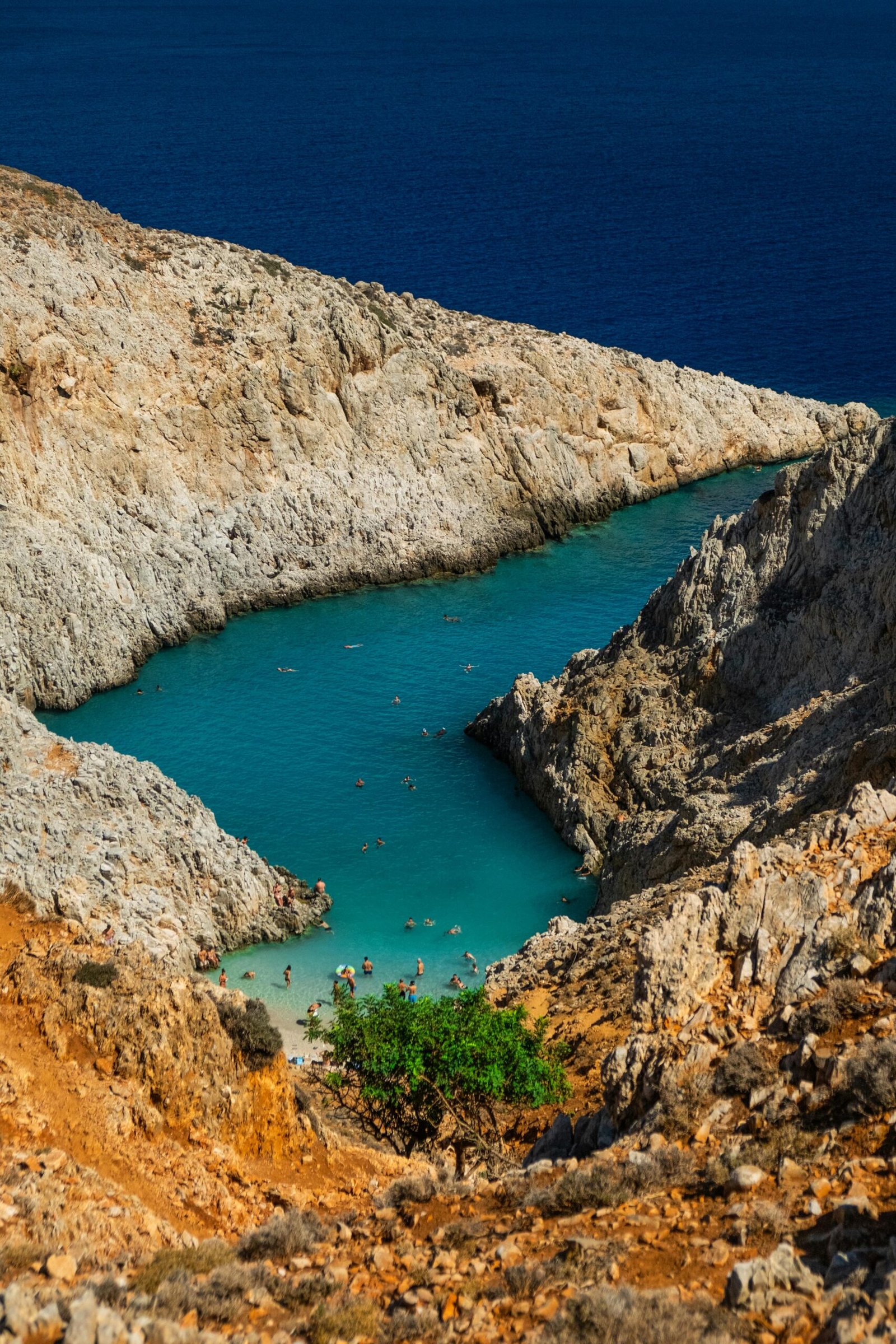
Crete Is Not One Trip — It’s Three Very Different Ones
Crete Is Not One Trip — It’s Three Very Different Ones, and I say that as someone who has seen too many travelers try to force a single “best base” onto an island that does not work that way. Crete is not a compact holiday island where one town solves everything. It is a large, layered place with real regional differences in pace, landscape, and what you can reasonably expect from a stay.
My position is simple: if you choose Crete as if it were one uniform destination, you will probably choose badly. The island is best understood as three different travel propositions — the west, the central corridor around Heraklion, and the east — and each one asks for a different mindset. Greece rewards travelers who arrive with a plan, but in Crete that plan has to be based on geography, not wishful thinking.
Crete Is Not One Trip — It’s Three Very Different Ones: west, center, east
The west is the part most people imagine when they picture Crete: Chania, the old Venetian harbor, the prettier coastal scenery, and easier access to the beaches people actually ask about. It is the most immediately appealing side for first-timers, but it is also the most exposed to overbooking, inflated pricing, and the kind of “everyone wants this” problem that makes a trip feel less relaxed than expected.
The center, anchored by Heraklion, is the practical Crete. It is where you stay if your priorities are museums, Minoan sites, and a more functional base rather than a romantic one. Knossos is the obvious draw, but the bigger point is that this side makes sense for travelers who care more about substance than atmosphere.
The east, around Agios Nikolaos, Elounda, and the wider Lassithi area, is the side many travelers underestimate. It tends to suit slower, more resort-oriented, or more polished trips, with fewer “must-do” distractions and a better fit for people who want to settle in rather than chase highlights. If you want a quieter, more controlled experience, this is where Crete starts to feel like a different island altogether.
What travelers consistently get wrong
The first mistake is assuming Crete can be treated like a smaller island with a neat center. It cannot. The distances, the road time, and the sheer spread of worthwhile places mean that choosing the wrong base can quietly drain the trip before it starts. A beautiful hotel in the wrong part of the island is still the wrong hotel.
The second mistake is trying to “see everything” in one stay. That is how travelers end up with a rushed, fragmented version of Crete that feels more like a checklist than a holiday. The island is not forgiving of vague planning, especially if you want both beaches and culture and a sense of place.
Another common error is underestimating how different the mood is between Chania, Heraklion, and the east. Chania can feel busy and polished in season, Heraklion is more functional and less decorative, and the east often feels calmer but more spread out. If you book based on photos alone, you are likely to miss the actual character of the area you chose.
Where the island actually feels different
Chania is the easiest sell and the hardest place to get right if you hate crowds. Stay too close to the most obvious harbor area and you get convenience with a lot of foot traffic. Stay a bit outside the center and you gain breathing room, but you also lose the easy, walk-everywhere feeling that makes people choose Chania in the first place.
Heraklion is often dismissed too quickly, which is a mistake. It is not the prettiest base, and it does not pretend to be. But for travelers who care about archaeology, serious history, and a more urban, less polished rhythm, it is the most sensible choice on the island.
Agios Nikolaos and Elounda are for travelers who want a smoother, more contained stay. You gain comfort, a calmer pace, and a more controlled environment. You give up some spontaneity, some dramatic street life, and the easy sense that you are in the middle of the island’s main action.
Rethymno sits in a useful middle ground, which is why it is often the smartest compromise for travelers who want a bit of old-town atmosphere without committing fully to Chania’s pressure. It is not as obvious a choice, and that is part of the appeal. The downside is that people who want a truly quiet base may still find it busier than they expected.
Matala is a good example of why Crete frustrates lazy planning. It has name recognition, but it is not the right answer for most first-timers who want a balanced trip. It suits a narrower traveler profile: people who want a distinct beach-town mood and do not mind being more limited in what surrounds them.
Who this suits
This island suits travelers who like making a deliberate choice, not those who want one base to solve every possible need. It fits couples, repeat Greece visitors, history-focused travelers, and people who are comfortable trading convenience in one area for better fit in another. It also suits travelers who are willing to say no to things.
- Best fit: couples, culture-focused travelers, and people who want a strong sense of place.
- Best fit: repeat visitors to Greece who already know they do not want an all-in-one resort holiday.
- Best fit: travelers who are happy choosing either atmosphere or access, but not pretending they can maximize both.
- Poor fit: first-timers who want a simple, compact island with minimal decision-making.
- Poor fit: travelers who hate driving decisions, long regional spreads, or bases that feel too different from one another.
- Poor fit: anyone who wants to sample all of Crete in one short stay and still feel rested.
This is not the island for people who need every day to be interchangeable. It suits travelers who understand that the base is part of the trip, not just the place where you sleep. If you choose well, Crete is deeply satisfying. If you choose badly, the trip feels harder than it should.
The counterintuitive part most people miss
The surprising thing about Crete is that the “most famous” side is not automatically the best one for everyone. Chania gets the most attention, so people assume it is the safest all-purpose answer. In practice, that can be exactly the wrong move for travelers who care about archaeology, quieter evenings, or a more grounded sense of the island.
Another counterintuitive truth: sometimes the more practical base produces the better holiday. Heraklion is not the prettiest option, but for the right traveler it creates a cleaner, less wasteful trip because it reduces the amount of compromise you make every day. That matters more than a lot of glossy advice admits.
If you want the official context behind Crete’s major cultural sites, start with Greece’s Ministry of Culture. It is a useful reality check if you are building a trip around archaeology rather than just scenery.
What you gain, and what you give up
Choose the west and you gain atmosphere, easier access to the island’s most obvious appeal, and a stronger first impression. You give up some breathing room, and in peak periods you also give up the illusion that you are in a quiet corner of Greece. That trade-off is worth it for some travelers and irritating for others.
Choose the center and you gain access to the island’s historical core and a more practical base for serious sightseeing. You give up polish and, for some people, the feeling of being on holiday in the conventional sense. This is the side for travelers who value content over ambiance.
Choose the east and you gain calm, comfort, and a more settled pace. You give up some of the instant-name recognition and some of the easy, high-energy buzz that first-timers often chase. That is not a flaw; it is the point.
If you want a broader official overview before narrowing choices,
Visit Greece is a useful starting point. Just do not stop there, because generic destination pages will not tell you which side of Crete actually fits the way you travel.
Why expert help matters here
Crete punishes vague planning more than most Greek destinations. The wrong base does not just waste time; it changes the entire feel of the trip, especially if you are trying to combine beaches, food, history, and a little downtime. That is why generic “best places to stay” lists are so often misleading here.
The real job is not finding a place with good reviews. It is matching the right side of the island to the right traveler profile, then deciding what to leave out so the trip feels coherent. Crete Is Not One Trip — It’s Three Very Different Ones, and once you accept that, the planning gets much sharper.
My advice is straightforward: do not ask which part of Crete is best in the abstract. Ask which part is best for the kind of trip you actually want. That is the difference between a trip that works and one that merely looks good on paper.
Most Greece trips follow the same tired script. The ones that don’t — the ones travelers still talk about years later — were built around a real understanding of how this country works. That kind of understanding takes time, or it takes someone who already has it.
Recommended experiences
Some experiences mentioned here are curated and managed by Elite Greece Travels.
- 5 Days Trip From Athens To Crete — Itinerary (managed by Elite Greece Travels).
- Best Of Greece Athens Paros Crete 7 Day Itinerary 6 Nights — Itinerary (managed by Elite Greece Travels).
- Athens Mykonos Santorini Crete Itinerary 9 Days — Itinerary (managed by Elite Greece Travels).
Frequently asked questions
Is Crete better for one base or multiple bases?
For most travelers, one well-chosen base is better than trying to cover too much ground. Multiple bases can work, but only if the trip is long enough to justify the added complexity. Short stays suffer when people keep moving without a clear reason.
Which side of Crete is best for first-time visitors?
The west is usually the easiest first choice because it has the strongest immediate appeal and the most obvious old-town atmosphere. That said, first-time visitors interested in history may be better served by the Heraklion side.
What do travelers underestimate most about Crete?
They underestimate how different the island feels from west to east, and how much that affects the quality of the trip. They also underestimate how much a bad base can distort even a good itinerary.
Is Heraklion worth staying in?
Yes, for the right traveler. It is the most practical choice for archaeology, museums, and a more grounded city stay. It is not the place for travelers who want a pretty harbor-town mood.
Which area is best for a quiet, upscale stay?
The east, especially around Agios Nikolaos and Elounda, is usually the better fit for a quieter and more polished experience. You gain calm and comfort, but you lose some of the energy and density found in the west.
Why do generic Crete itineraries fail so often?
Because they treat the island as though every region offers the same experience. In reality, the west, center, and east suit different traveler types, and ignoring that creates poor pacing, weak base choices, and a trip that feels overstuffed.