

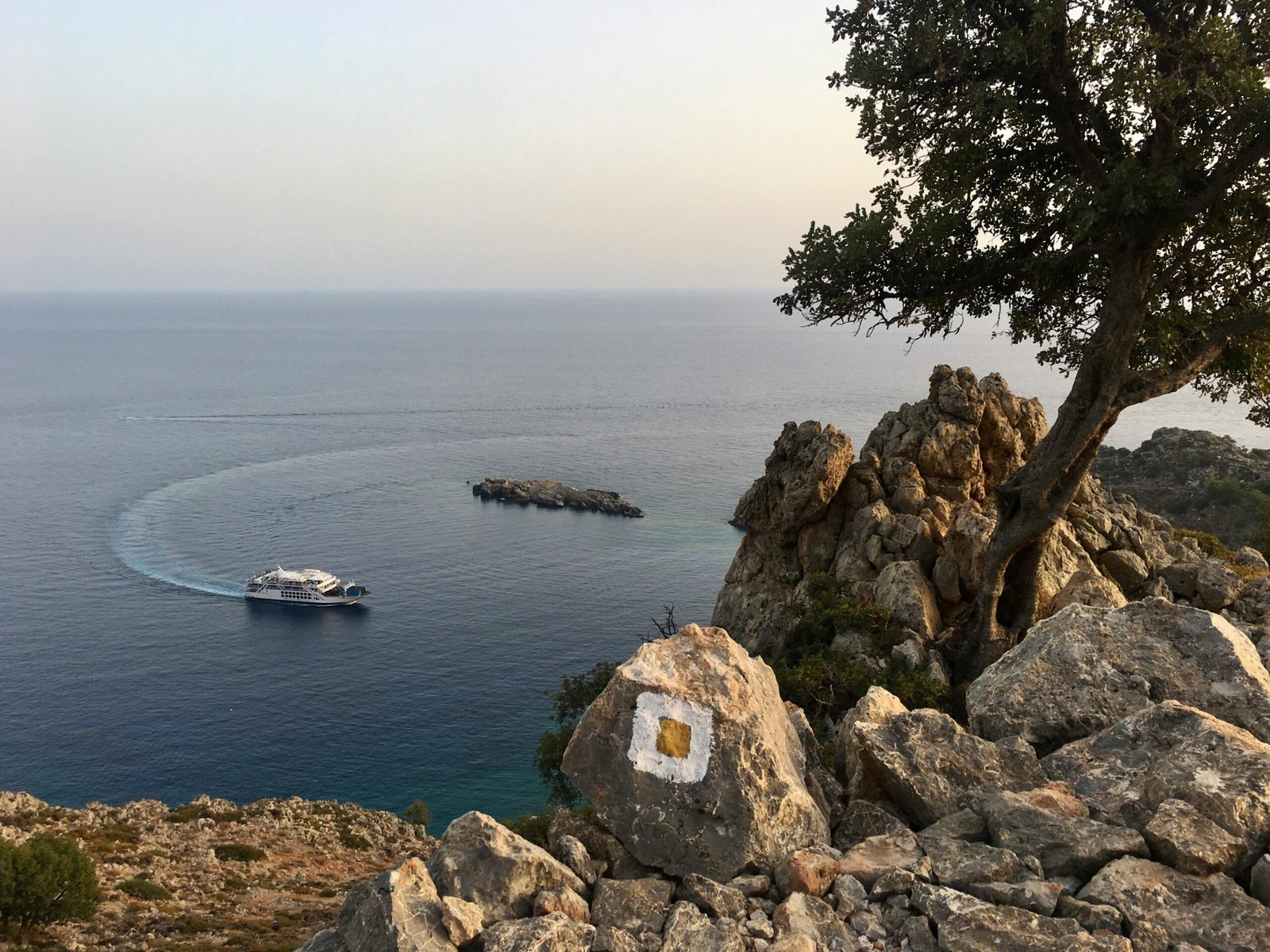
Why Crete Is the Island People Underestimate Most because most travelers still treat it like a single-island stop when it behaves more like a small country with beaches, mountain villages, serious food culture, and very different regional personalities. That mistake leads to rushed, shallow trips that miss the point entirely.
Crete is not difficult because it is chaotic; it is difficult because it offers too many good choices and too many weak ways to combine them. If you plan it like a compact island break, you will spend too much time moving between places and too little time actually understanding where you are.
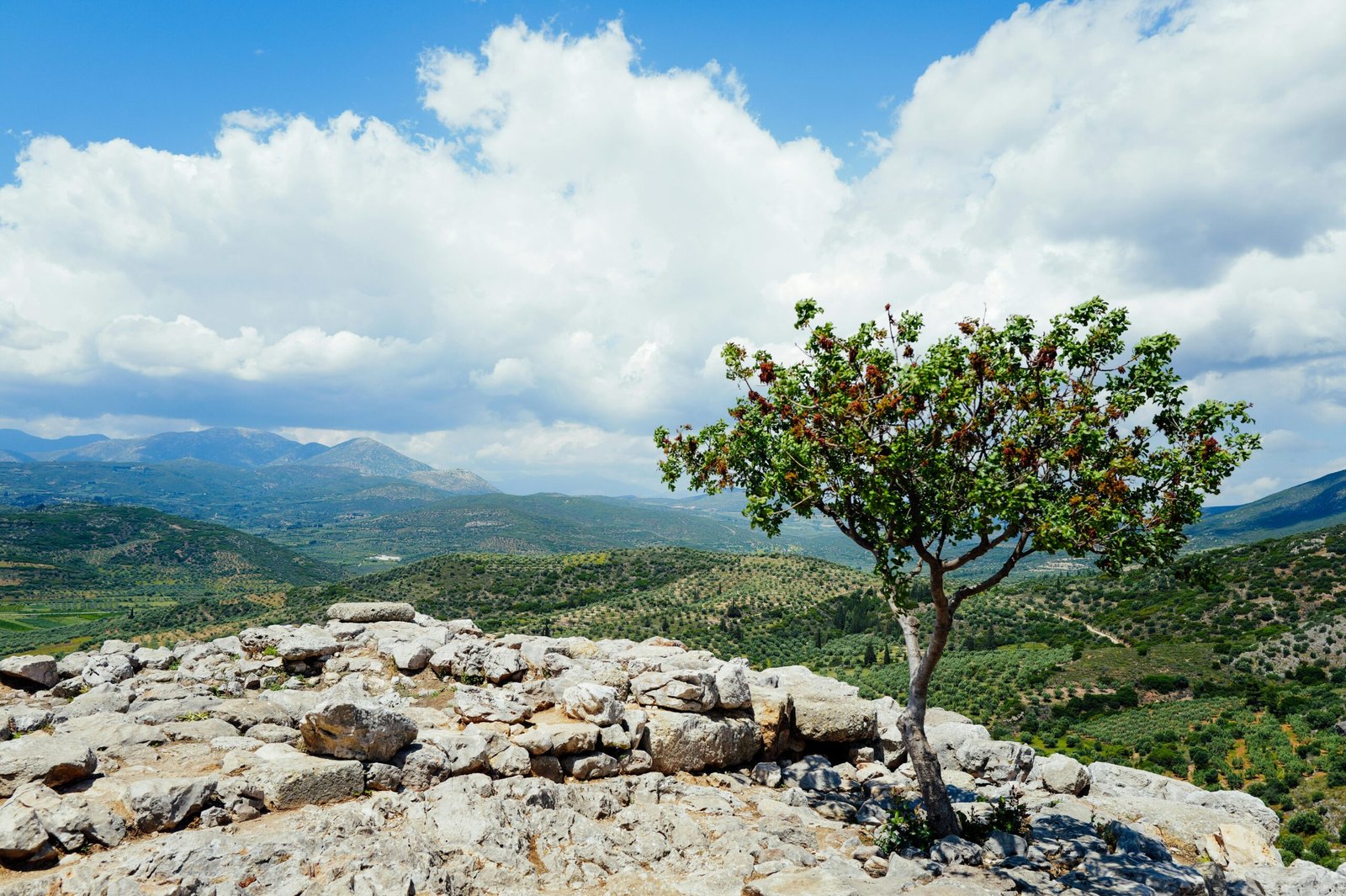
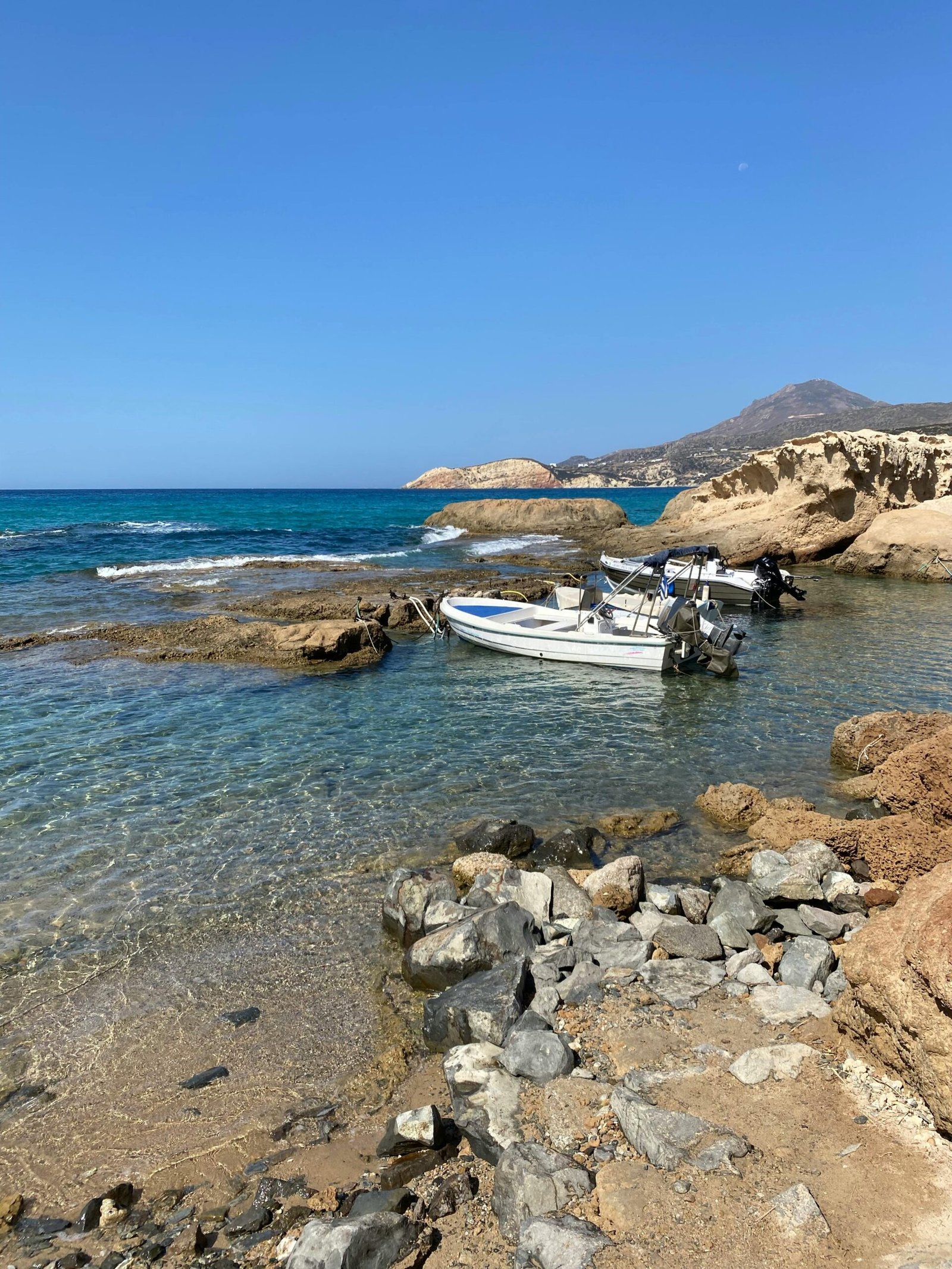
Why Crete Is the Island People Underestimate Most
If you want one clear position, here it is: Crete is the most underestimated Greek island because it punishes lazy planning more than almost anywhere else in the Aegean. People arrive expecting a simple beach holiday and end up with a trip that feels fragmented, because they tried to cover too much ground without understanding the island’s scale.
Why Crete Is the Island People Underestimate Most is not a slogan; it is the practical reality of selling and designing trips here for years. The island rewards travelers who choose a region with intent and stay long enough to let it make sense. That is where most amateur itineraries fail.
Why Crete Is the Island People Underestimate Most: scale changes everything
Crete is not just large by Greek island standards; it is large in a way that changes the whole planning logic. A traveler who wants to “see Crete” in a few nights usually ends up seeing transfer points, not the island itself. That is the first big mistake: treating distance as a minor detail when it shapes the entire experience.
The second mistake is assuming the island has one dominant character. It does not. Chania, Rethymno, Heraklion, the south coast, and the Lasithi side all produce different trip outcomes, and a bad match between traveler type and region is what creates disappointment.
Why Crete Is the Island People Underestimate Most also because people underestimate how much depth is inside the obvious places. Chania is not just for postcard-style old-town wandering; it works best for travelers who want polished dining, strong hotel inventory, and easy access to west Crete’s better day experiences. Heraklion is often dismissed too quickly, yet it is the practical base for travelers who care about archaeology, city energy, and a more local, less curated feel.
Places that matter more than most travelers realize
Some places on Crete are overused in generic planning, but they are still useful if you understand what they actually offer. Chania Old Town suits travelers who want atmosphere plus convenience, while Rethymno is better for people who want a smaller scale without sacrificing enough dining and accommodation choice. Heraklion works for serious culture-focused travelers, not for people who want a sleepy seaside mood.
Plakias and the south coast appeal to travelers who value space, lower density, and a less polished feel. Elounda and Agios Nikolaos attract a different crowd entirely: people who want a more upmarket base and are willing to pay for it. The Lasithi Plateau and inland villages are where Crete becomes more than a beach destination, which is exactly why many first-timers overlook them.
For context,
Visit Greece gives a broad national overview, but Crete needs more than a broad overview. The island is too varied for generic planning language to be useful.
What travelers consistently get wrong
They overvalue famous beaches and undervalue the quality of the base. That is a costly mistake because where you stay in Crete affects what kind of trip you actually have. A beautiful room in the wrong part of the island can leave you feeling like you spent money to be inefficient.
They also assume food is uniformly excellent everywhere. Crete does have one of Greece’s strongest food cultures, but that does not mean every tourist area delivers the same standard. The difference between a real Cretan meal and a tourist meal is not subtle, and the mediocre version is easy to fall into if you plan around convenience instead of place.
Another common error is treating Crete as a warm-weather-only island. That is a narrow view. Spring and autumn are often better for travelers who care about movement, food, and landscape, while midsummer can be rewarding for beach-focused visitors who tolerate heat and busier resort zones. If you want a more cultural angle, official resources such as the Ministry of Culture are useful for understanding how much heritage is actually spread across the island.
A counterintuitive truth: smaller trips often work worse here
The surprising thing about Crete is that a longer stay can feel easier to plan than a shorter one. That sounds backward, but it is true because the island gives you enough density to settle into one or two regions properly. Short trips often become frantic sampling exercises, and that is where Crete starts to look overrated to people who simply used it badly.
Why Crete Is the Island People Underestimate Most because the island does not flatter rushed travelers. The more you try to force in, the more generic the result becomes. A well-designed week in one area usually beats a scattered four-night attempt to “cover” the island.
Who this suits
Crete suits travelers who want substance over novelty. It is a strong fit for couples, food-focused travelers, repeat Greece visitors, families who need real infrastructure, and people who like combining beach time with culture and good dining. It is also a good match for travelers who dislike overstyled destinations and want something with more local weight.
It is a poor fit for people who want a tiny-island feel, minimal planning, and a trip where every day looks the same. If you want to wake up, walk five minutes, and have the whole island feel complete, Crete will frustrate you. That is not a flaw in Crete; it is a mismatch in expectations.
- Best for: travelers who want variety, repeat visitors to Greece, food-first trips, and families needing options.
- Not ideal for: first-time visitors chasing a simple beach break, ultra-short stays, or anyone who wants one compact base to “do everything.”
The trade-offs are real, and they matter
What you gain in Crete is range: better food, more regional character, stronger cultural depth, and a wider spread of accommodation styles than most islands can offer. What you give up is simplicity. There is no pretending otherwise.
If you want a polished, one-note island holiday, Crete is probably too much island for you. If you want a trip with actual substance, the trade-off is worth it. But the planning has to respect the island’s size and internal differences, or the trip gets diluted fast.
That is why Why Crete Is the Island People Underestimate Most is not just about appreciation; it is about discipline. The island does not need rescuing from obscurity. It needs travelers who stop planning it like a compact resort destination.
Conclusion
Crete is one of those places where expert planning changes the outcome more than people expect. Choose the wrong base, the wrong season, or the wrong trip length, and you get a tired, incomplete version of the island. Choose with intent, and Crete gives you far more than most travelers realize.
Greece rewards travelers who arrive with a plan built around how they actually travel — not a generic template. The difference between a frustrating trip and a remarkable one often comes down to sequence, timing, and knowing which trade-offs matter for your situation.
Recommended experiences
Some experiences mentioned here are curated and managed by Elite Greece Travels.
- Best Of Greece Athens Paros Crete 7 Day Itinerary 6 Nights — Itinerary (managed by Elite Greece Travels).
- Athens Mykonos Santorini Crete Itinerary 9 Days — Itinerary (managed by Elite Greece Travels).
- Athens Santorini Crete Itinerary 7 Days — Itinerary (managed by Elite Greece Travels).
Frequently asked questions
Why do so many travelers underestimate Crete?
Because they treat it like a small island with one main beach-and-town formula. Crete is much larger, more varied, and more regionally distinct than that, so generic planning produces weak results.
What is the biggest planning mistake on Crete?
Trying to cover too much ground in too few nights. That creates a trip built around movement instead of experience, which is exactly how Crete starts to feel disappointing.
Which area is best for a first visit to Crete?
Chania is often the easiest first base for travelers who want a balanced mix of dining, old-town atmosphere, and access to the west side. Heraklion is better for culture-focused travelers who care more about archaeology and city energy.
Is Crete better for beaches or culture?
It is strong at both, but the island is better when you stop forcing it into one category. The best trips combine beach time with food and regional exploration rather than trying to make Crete into a pure resort island.
When is the best time to visit Crete?
Spring and autumn are usually the smartest seasons for travelers who want comfortable movement, better dining experiences, and less pressure. Midsummer works best for people who are committed to beach time and can handle heat and busier resort areas.
Who should avoid Crete?
Travelers who want a tiny, simple island with one obvious base and very little decision-making may not enjoy it. Crete asks for a bit of planning discipline, and people who want everything effortless often end up frustrated.