

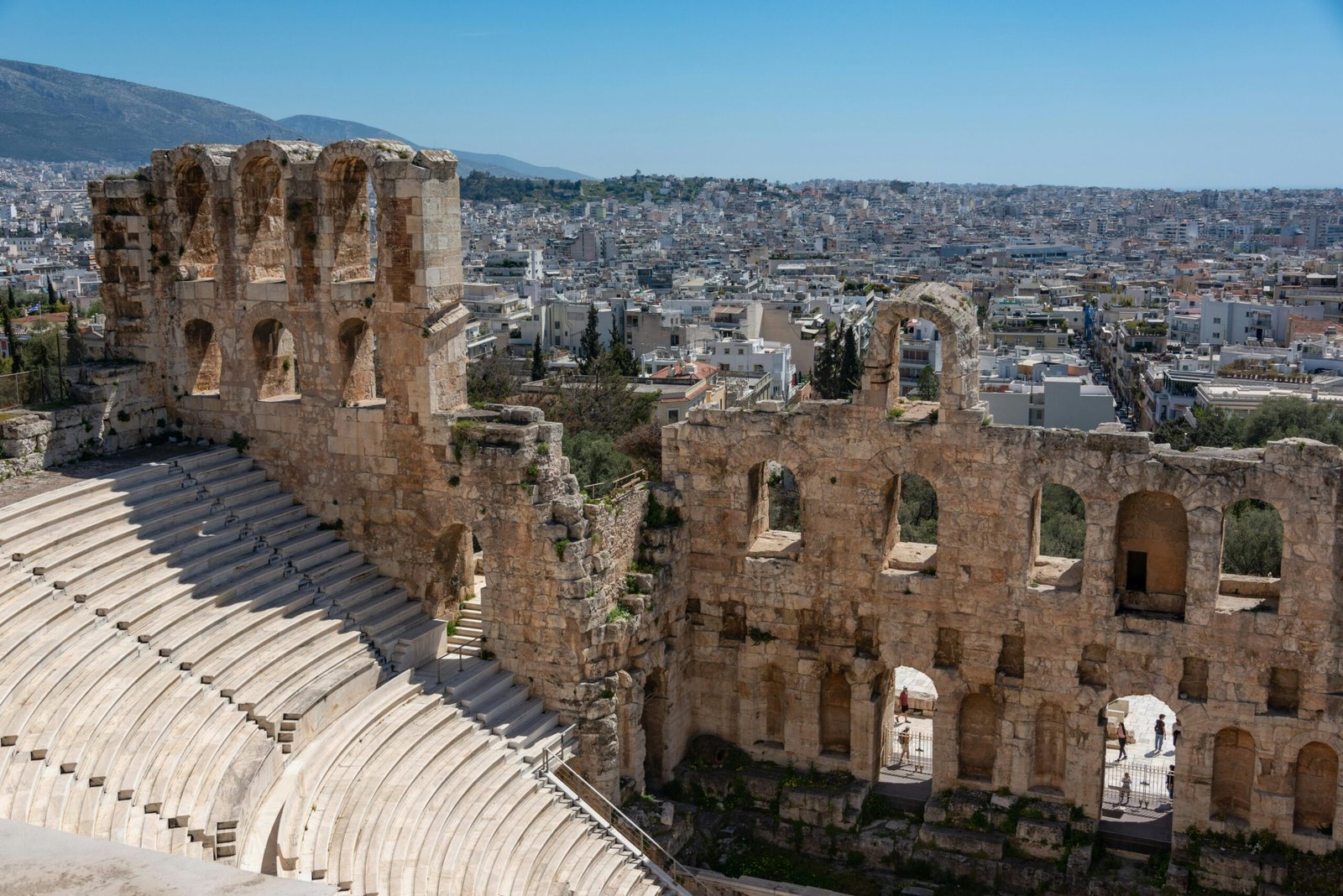
Athens Is Not Just a Stopover—But Only If You Plan It Properly, and that is the difference between a city that feels sharp and useful and one that feels like a scheduling problem. Too many travelers treat Athens as a box to tick before the islands, then blame the city when the real issue is bad positioning.
My view is simple: Athens should be a deliberate part of the trip, not leftover time. If you give it the right role, the city adds depth, context, and a proper sense of place; if you squeeze it in carelessly, it becomes noise.
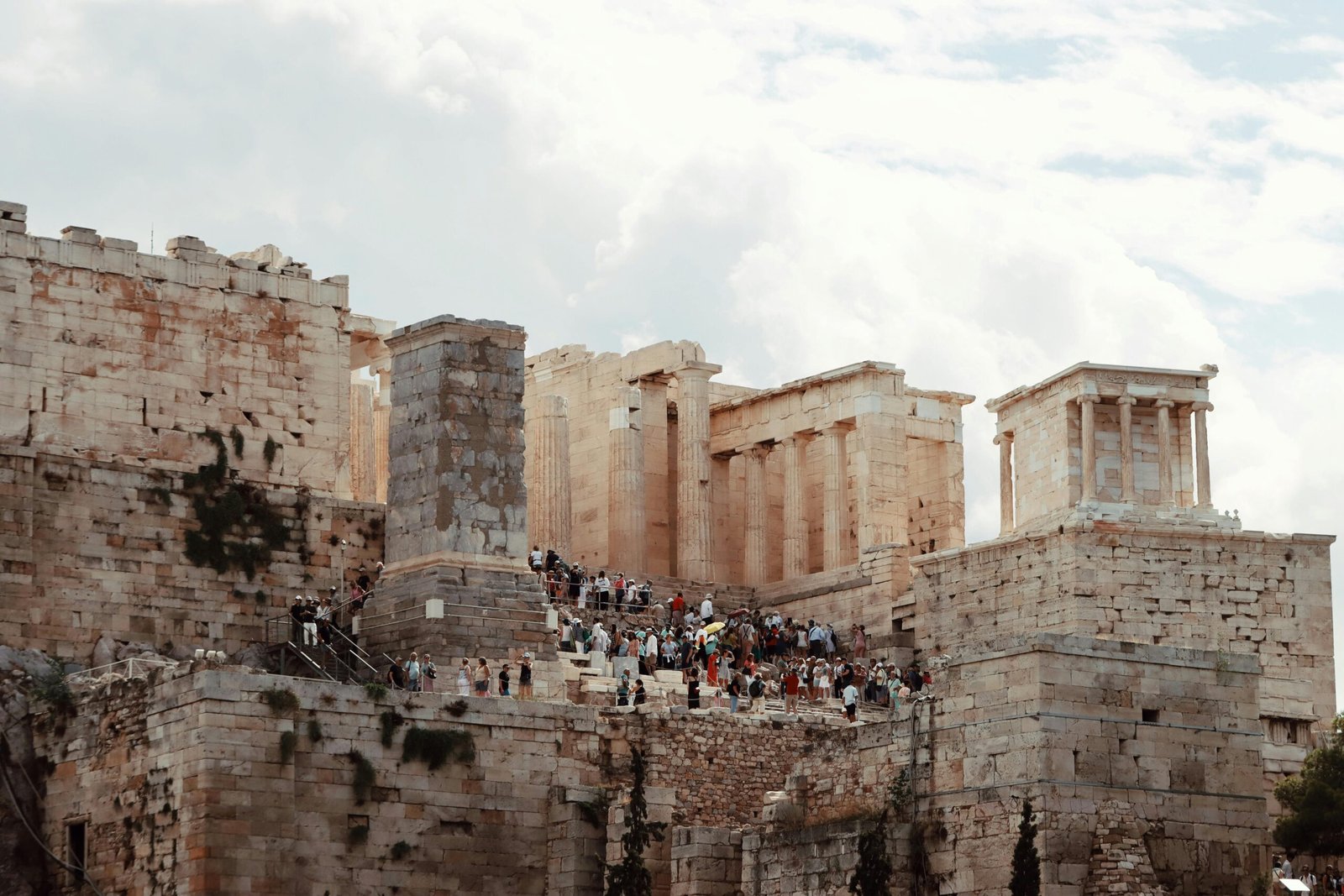

Athens Is Not Just a Stopover—But Only If You Plan It Properly
Athens is not a city that politely fits around a careless itinerary. It asks for a decision: are you using it as a cultural anchor, a first-night reset, or a final stop that gives the trip some weight? If you answer that badly, you lose time, energy, and often your best hotel nights.
I am firm on this: Athens should not be treated as disposable. Athens Is Not Just a Stopover—But Only If You Plan It Properly because the city only works well when you accept that it is busy, uneven, and more rewarding in the right neighborhoods than in the wrong ones.
Why Athens works when it is placed correctly
Athens earns its place in a Greece trip when travelers want context, not just scenery. The city gives you the Acropolis, yes, but also a direct sense of how modern Greece actually functions, which most island-only itineraries never provide. For many travelers, that context is what makes the rest of the trip make sense.
The mistake is assuming Athens is only about monuments. In practice, it is a city of contrasts: Plaka can be useful for first-time visitors, Koukaki is more grounded and better for people who want a real neighborhood feel, and Kolonaki suits travelers who want polished dining and easier access to higher-end hotels. Monastiraki is energetic and practical, but it is not the place to book if you want quiet.
The official cultural institutions matter here, especially if you want to avoid a shallow visit. The city’s historical sites and museums are not optional add-ons; they are the reason Athens should be planned with intention. For current context on heritage and public cultural programming, see the Hellenic Ministry of Culture.
What travelers consistently get wrong in Athens
The first mistake is using Athens as a buffer day. That sounds efficient, but it usually means arriving tired, staying in the wrong area, and leaving without seeing anything beyond a hotel breakfast and one hurried landmark. The practical consequence is simple: you waste one of the few city stays in Greece that can actually change the quality of the trip.
The second mistake is assuming all central areas are interchangeable. They are not. Syntagma is practical but can feel impersonal; Psyrri has energy but can be noisy; Koukaki is often the best compromise for travelers who want access without the worst of the chaos; Plaka is convenient but can feel overly packaged if that is all you see of Athens.
Another common error is underestimating how much the city changes by season. In peak summer, heat and crowds punish vague planning. In shoulder season, Athens is far more manageable, and the city’s museums, restaurants, and neighborhoods become the point rather than a tactical pause between ferries.
Athens Is Not Just a Stopover—But Only If You Plan It Properly
This is where most trip plans fall apart. Travelers decide on the islands first, then force Athens into the margins, which usually means the city gets the least suitable accommodation, the least time, and the least thought. That is backwards.
If Athens matters to you at all, it should shape the trip, not be squeezed into it. Athens Is Not Just a Stopover—But Only If You Plan It Properly because the city works best when you decide whether you want culture, food, design-forward hotels, or a softer arrival and departure rhythm. Those are different goals, and they need different planning.
A counterintuitive truth: the best Athens stays are often not the ones closest to the most famous sights. Travelers who stay too close to the obvious landmarks sometimes end up with a more exhausting experience, because the area is busier, less restful, and more exposed to day-tripper traffic. A slightly better-positioned neighborhood can produce a better trip even if it looks less convenient on paper.
Neighborhoods that change the experience
Plaka is the classic choice, but classic is not the same as best. It suits first-time visitors who want a compact base and do not mind a more tourist-facing atmosphere. If you are a repeat visitor, or if you dislike places that feel too curated, Plaka can feel thin after one evening.
Koukaki is one of the most sensible choices in Athens for travelers who want a neighborhood that still functions as a neighborhood. It has better everyday rhythm, good food, and enough character without trying too hard. Kolonaki is the cleaner, more polished option, and it suits travelers who want upscale hotels, shopping, and a more controlled environment.
Monastiraki is useful, but only for the right traveler. It works for people who want movement, easy access to major sights, and a lively atmosphere. It does not work well for travelers who are sensitive to noise, visual clutter, or constant activity.
Psyrri is the area people overestimate. It has nightlife and a strong dining scene, but it is not the best choice for everyone, especially not for couples seeking a quiet base or families who want predictable evenings. Syntagma is practical for business-style travelers and those who prioritize centrality over atmosphere, but it rarely feels like the most memorable part of a Greece trip.
Who this suits
Athens suits travelers who want more than a beach-and-ferry version of Greece. It is a good fit for first-time visitors who want historical context, couples who appreciate good hotels and serious dining, and culturally curious travelers who enjoy museums, architecture, and urban neighborhoods. It also suits people who like arriving in a place and understanding its logic quickly.
It does not suit every traveler. If you want Greece to feel slow, rural, and low-friction from the moment you land, Athens may feel too active and too layered for your taste. If your idea of a trip is only quiet beaches and minimal decision-making, Athens is useful only as a brief and well-managed introduction, not as a centerpiece.
- Best fit: first-time visitors who want context
- Best fit: couples who value city dining and good hotels
- Best fit: travelers who enjoy museums and neighborhood variation
- Poor fit: people who want a purely relaxed beach-first trip
- Poor fit: travelers who dislike city noise and density
What you gain, and what you give up
The gain is real: Athens gives your Greece trip structure, cultural depth, and a better sense of arrival. It also gives you stronger hotel and dining options than many travelers expect, especially if you choose the neighborhood carefully. That matters more than people admit, because a good city base can make the whole trip feel more coherent.
The trade-off is equally real: Athens asks for more attention than an island stopover. You give up the illusion of effortless simplicity, and you may need to accept that the city is not photogenic in the same way the islands are. That is fine. A trip does not need to be simple to be good.
If you want a reality check on the city’s museums, public sites, and the broader cultural frame, the official visitor resource at the Acropolis Museum is a useful place to start. It will not plan the trip for you, but it will remind you that Athens is a serious cultural stop, not a filler night.
Conclusion
Athens can be the part of the trip that gives everything else meaning, or it can be the mistake that makes the rest of the itinerary feel rushed. The difference is rarely the city itself. It is whether you place it correctly, choose the right neighborhood, and stop pretending every Greece trip should be built from the same template.
Greece rewards travelers who arrive with a plan built around how they actually travel — not a generic template. The difference between a frustrating trip and a remarkable one often comes down to sequence, timing, and knowing which trade-offs matter for your situation.
Recommended experiences
Some experiences mentioned here are curated and managed by Elite Greece Travels.
- Athens Milos Itinerary — Itinerary (managed by Elite Greece Travels).
- Athens Milos Santorini Itinerary 9 Days — Itinerary (managed by Elite Greece Travels).
- Greece 7 Day Itinerary Athens Delphi Meteora Santorini — Itinerary (managed by Elite Greece Travels).
Frequently asked questions
Is Athens worth more than one night?
For most travelers, yes. One night is usually too thin unless Athens is only serving a very specific arrival or departure role. Two nights is the point where the city starts to feel like part of the trip rather than a logistical pause.
Which Athens neighborhood is best for first-time visitors?
Plaka is the safest default for first-timers who want easy access to major sights. Koukaki is often the better choice if you want a more lived-in feel and less tourist pressure.
What do travelers most often underestimate about Athens?
They underestimate how much neighborhood choice affects the experience. Athens is not one uniform center, and staying in the wrong area can make the city feel more tiring than it needs to be.
Is Athens a good base for a luxury Greece trip?
Yes, if you treat it as a proper city stay with the right hotel and location. It is not a substitute for the islands, but it can add serious value when the itinerary is built with intention.
When is Athens easiest to enjoy?
Spring and autumn are the most forgiving seasons for most visitors. Summer can still work, but only if you plan around heat and crowd pressure instead of pretending they will not matter.
Who should skip Athens altogether?
Travelers who want a strictly slow, beach-led trip and have no interest in museums, urban neighborhoods, or historical context may not get much from it. For those travelers, Athens should be brief or omitted rather than forced in.