

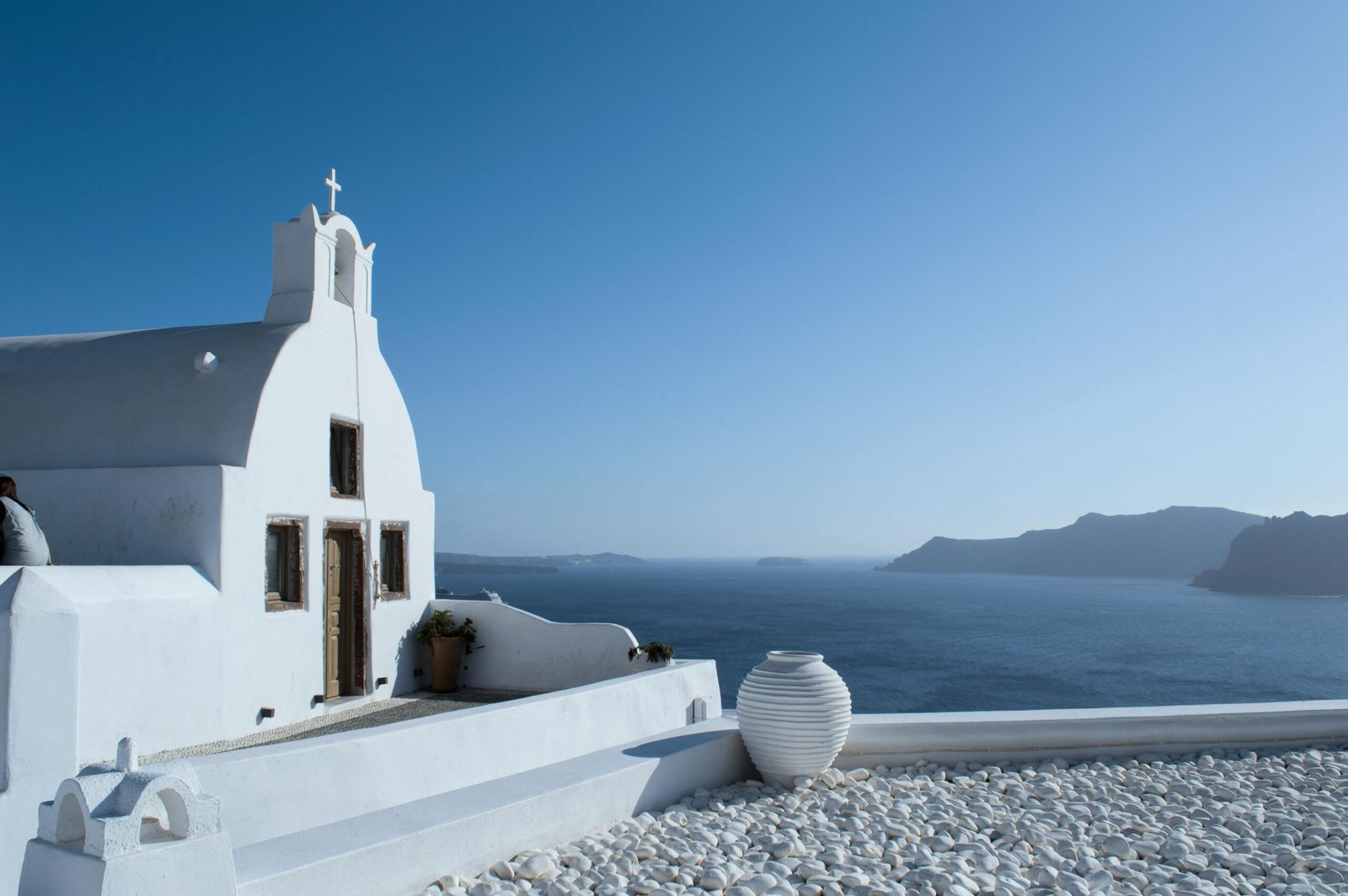
Why Most First-Timers to Santorini Leave Slightly Disappointed starts with a simple mistake: people arrive expecting the island to perform the way it looks in photos. They are not really choosing Santorini; they are choosing a version of Santorini that was filtered through social media, honeymoon marketing, and years of repetition.
The disappointment is usually not dramatic. It is quieter than that. It shows up when the island feels crowded, expensive, and less effortless than expected, and when the trip that looked like a reward starts to feel like work.
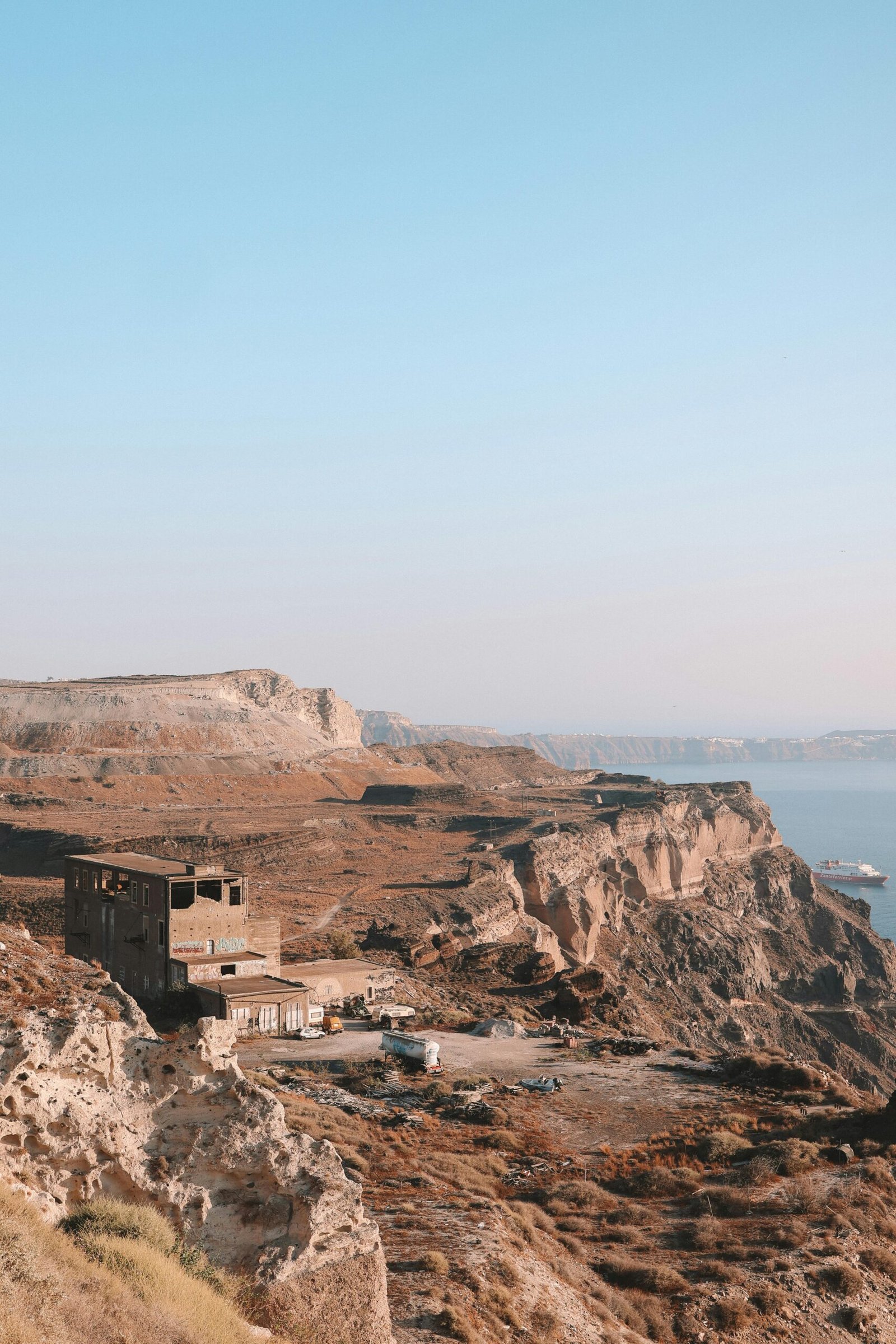
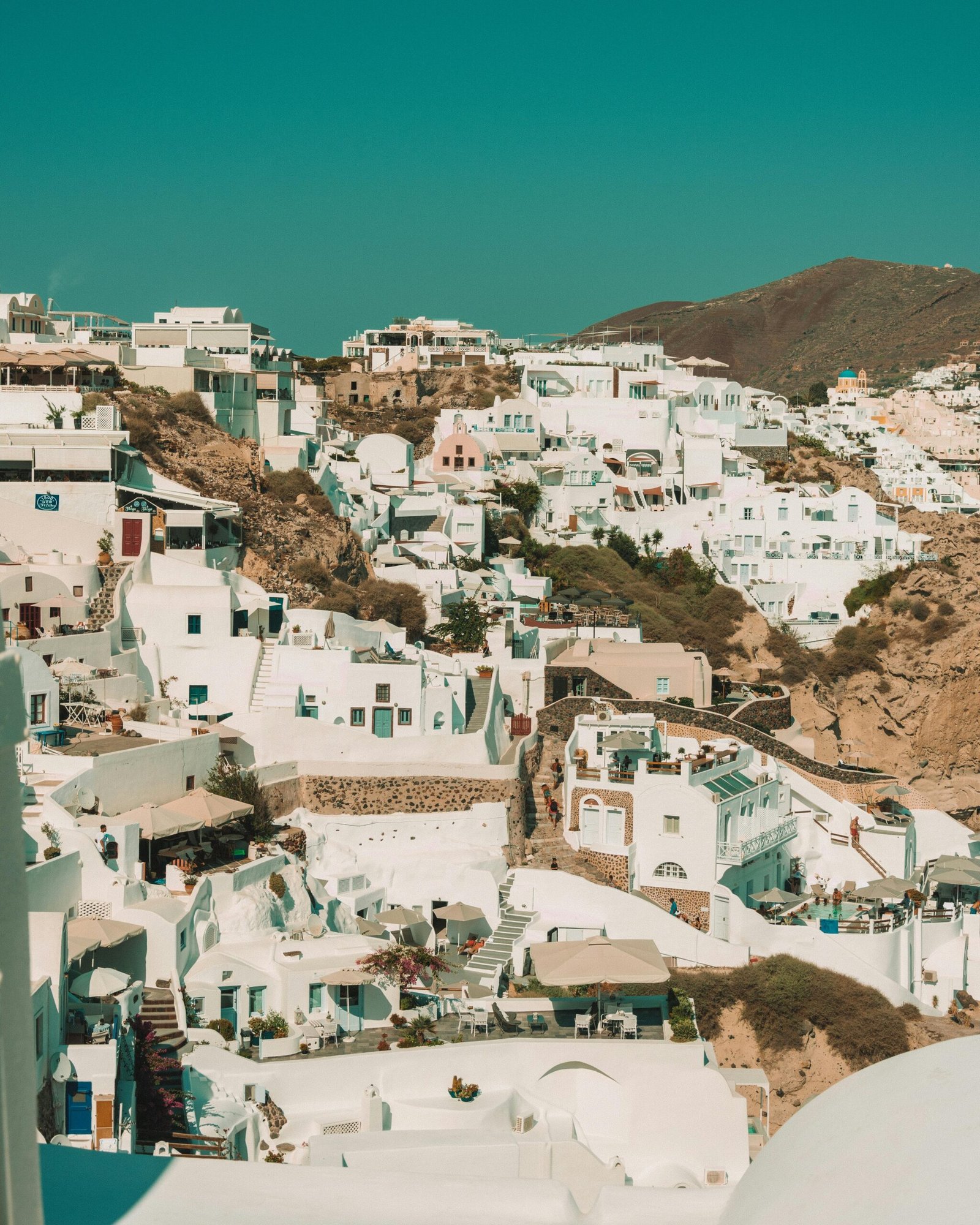
Why Most First-Timers to Santorini Leave Slightly Disappointed
The core problem is not Santorini. It is the fantasy travelers build around it before they go. People decide they want the island because they want a clean, high-status, low-friction experience, and that is exactly why the gap feels so sharp when reality arrives.
This is why Why Most First-Timers to Santorini Leave Slightly Disappointed is not really a question about the island’s quality. It is a question about expectation management, and Santorini is one of the clearest cases in Greece where image outruns experience.
The psychology behind Why Most First-Timers to Santorini Leave Slightly Disappointed
Most first-timers are not chasing a destination. They are chasing a feeling of arrival. Santorini has become shorthand for romance, success, and a trip that proves you made the right choice, which is a lot of pressure for one island to carry.
That pressure creates a very specific kind of disappointment. Travelers do not just notice crowds or high prices; they feel let down because the island did not confirm the story they were already telling themselves. That is why the letdown can feel oddly personal.
There is also a status component that people rarely admit out loud. Santorini is often chosen because others have been, posted about it, or said it is a must, and first-timers want to avoid missing out on the obvious Greece experience. The result is a decision driven more by social proof than by fit.
What travelers expect versus what they actually experience
People expect a polished island where everything feels easy, scenic, and worth the cost. What they often get in peak season is a place under heavy pressure: crowded viewing points, inflated rates, and a constant sense that they are sharing the island with everyone else who had the same idea.
The emotional gap is not just about inconvenience. It is about contrast. The more carefully someone has curated Santorini in their mind, the harder it is to accept that the island is not private, not quiet, and not designed around their pace.
One counterintuitive truth: many travelers are not disappointed because Santorini is overrated. They are disappointed because it is too recognizable. When a place has been consumed as an image for years, the real version can feel smaller, busier, and less dramatic than the mental version, even if it is objectively impressive.
The moment the disappointment usually hits
The letdown usually does not arrive on day one. It shows up at the first moment of friction: waiting longer than expected for a table, realizing a simple meal costs far more than planned, or standing in a crowded viewpoint and noticing that everyone is trying to capture the same shot.
For many visitors, the real moment is earlier and more ordinary than they expect. It is when they realize the island is asking them to manage timing, budget, and patience more actively than they thought. That is when the fantasy of effortless luxury starts to crack.
If you want a place that tells you the truth about your own assumptions, Santorini does that quickly. It exposes whether you wanted a destination or a performance of a destination.
Who is most likely to feel this way
The travelers most prone to this pattern are first-time visitors who only have one Greece trip to spend and want to “do it right.” They often choose Santorini because it feels like the safest answer, the most legible answer, the one that will not require explanation later.
Couples are especially vulnerable when the trip is carrying emotional weight. If the vacation is tied to a honeymoon, anniversary, or milestone, any inconvenience feels bigger. The island is then judged not just as a place, but as the backdrop to a memory they hoped would be smooth and flattering.
Another high-risk group is the traveler who likes beautiful places but dislikes crowds, premium pricing, and decision fatigue. Santorini can still work for them, but only if they understand that the island’s reputation is built on a very specific kind of experience that peak season rarely delivers cleanly.
- First-time Greece visitors trying to maximize “iconic” stops
- Couples expecting a romantic trip with minimal friction
- Travelers who equate famous with best
- People who dislike crowds but underestimate peak-season pressure
Why peak season makes the mismatch worse
Peak season does not just make Santorini busy; it changes the emotional tone of the whole island. When nearly everyone is arriving with the same expectations, the island becomes a competition for space, attention, and timing. That is not a small issue. It changes how the trip feels in the body.
This is where first-timers often misread the problem. They think they chose the wrong hotel, the wrong restaurant, or the wrong neighborhood. Sometimes that is true, but the deeper issue is that they chose a season that amplifies every weakness in their original assumption.
If you are looking for a broader sense of how Greece is presented versus how it actually works on the ground,
Visit Greece is a useful starting point for seeing the official framing. Just do not confuse the brochure version with the conditions you will actually face in the busiest months.
What a better approach looks like
The better approach is to stop asking whether Santorini is worth it in some abstract sense and start asking what kind of experience you are actually trying to buy. If you want a famous view and you are comfortable with crowds and premium pricing, Santorini can still make sense. If you want ease, space, and a sense that the island is working for you, you need to be more selective.
Greece rewards travelers who arrive with a plan, but more importantly it rewards travelers who know what problem they are solving. That is the real shift: not “How do I fit Santorini into my trip?” but “What am I hoping Santorini will do for me emotionally, and is this the right place for that job?”
For travelers who want a fuller sense of how Greek destinations are shaped by culture, season, and public pressure, the Hellenic Ministry of Culture offers a useful reminder that places are not just backdrops. They are working environments, lived-in spaces, and heritage sites with real constraints.
Conclusion
If you are reading this and recognizing yourself, that is the useful part. Santorini is not a mistake, but it is a poor choice when the decision is driven by image, urgency, or the fear of choosing wrong. The travelers who enjoy it most are usually the ones who accept its trade-offs before they arrive.
Why Most First-Timers to Santorini Leave Slightly Disappointed is not a warning to avoid the island. It is a warning to stop expecting a famous place to behave like a private fantasy. Once you understand that, you can decide with clearer eyes whether Santorini fits your trip or whether another Greek island will give you the experience you actually want.
Greece doesn’t punish inexperience. It punishes unexamined assumptions. The travelers who leave disappointed rarely lacked information — they lacked a framework for using it.
Frequently asked questions
Why do so many first-time visitors feel let down by Santorini?
Because they arrive with an image of the island, not a realistic sense of how crowded, expensive, and performance-driven it can feel in peak season. The disappointment is usually about expectation, not quality.
Is Santorini still worth visiting for first-timers?
Yes, if you understand what you are choosing. Santorini works best for travelers who want a famous, high-demand island experience and are comfortable paying for it.
What is the biggest mistake first-timers make with Santorini?
They assume the island will feel as effortless as it looks online. That assumption breaks down quickly once they encounter crowds, pricing, and the pressure of peak season.
Who is most likely to be disappointed by Santorini?
Travelers who dislike crowds, couples expecting a flawless romantic setting, and first-timers trying to make one Greece trip cover every iconic expectation are the most vulnerable.
Does visiting Santorini in peak season make a big difference?
Yes. Peak season intensifies the exact things that create disappointment: crowding, pricing, and the sense that the island is operating at maximum capacity.
How can I approach Santorini more realistically?
Decide what you actually want from the trip before choosing the island. If you want famous views and a high-profile experience, Santorini can fit. If you want space and ease, it may not be the best match.