

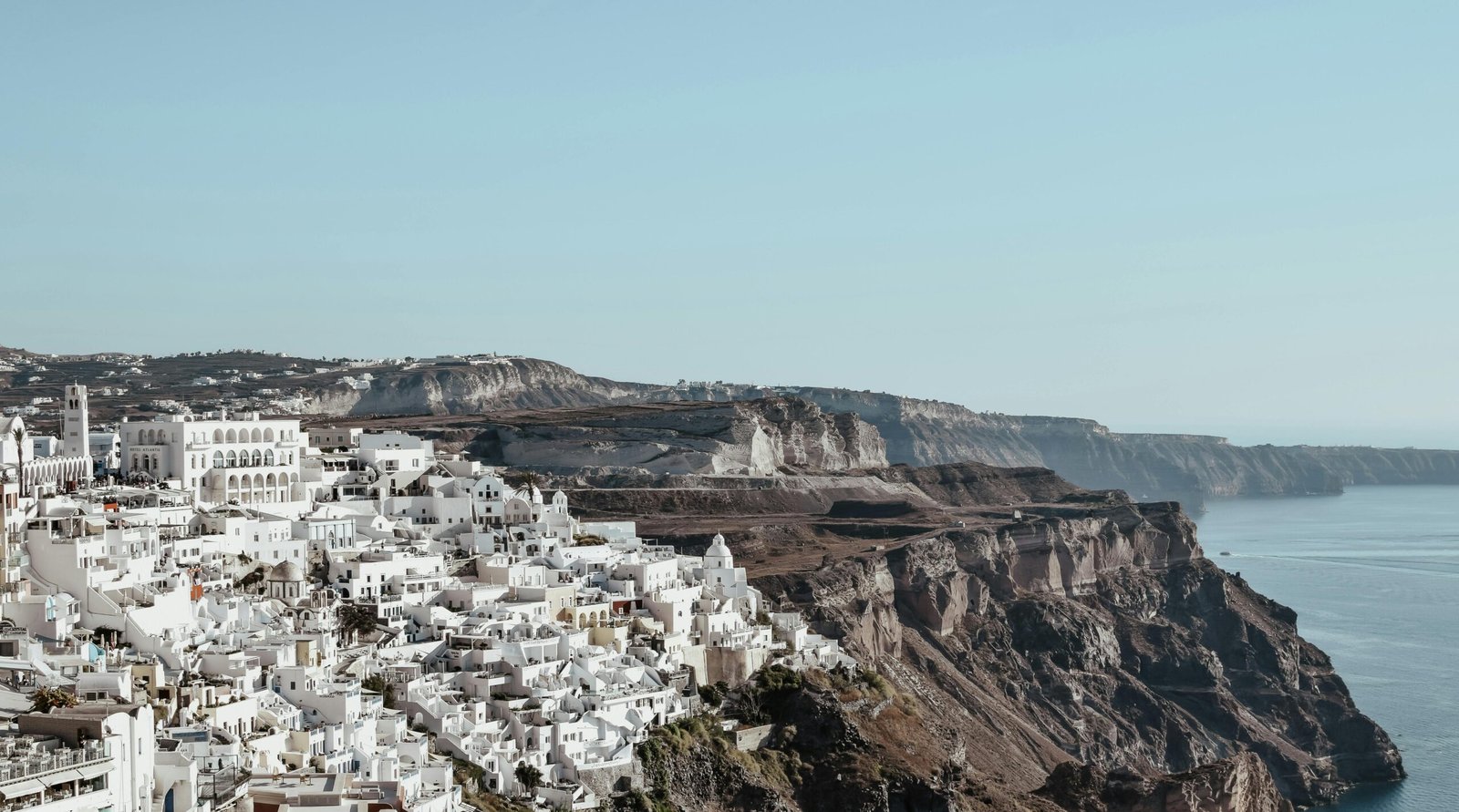
Why Most First-Timers to Santorini Leave Slightly Disappointed usually starts with a very specific assumption: that a famous place will deliver the same feeling in person that it delivers in photos. People don’t just book Santorini for the island; they book the version of themselves they imagine having there.
That is where the trouble begins. Santorini can be excellent, but peak season turns it into a place where expectation management matters more than taste, and the gap between image and reality is exactly what catches first-timers off guard.
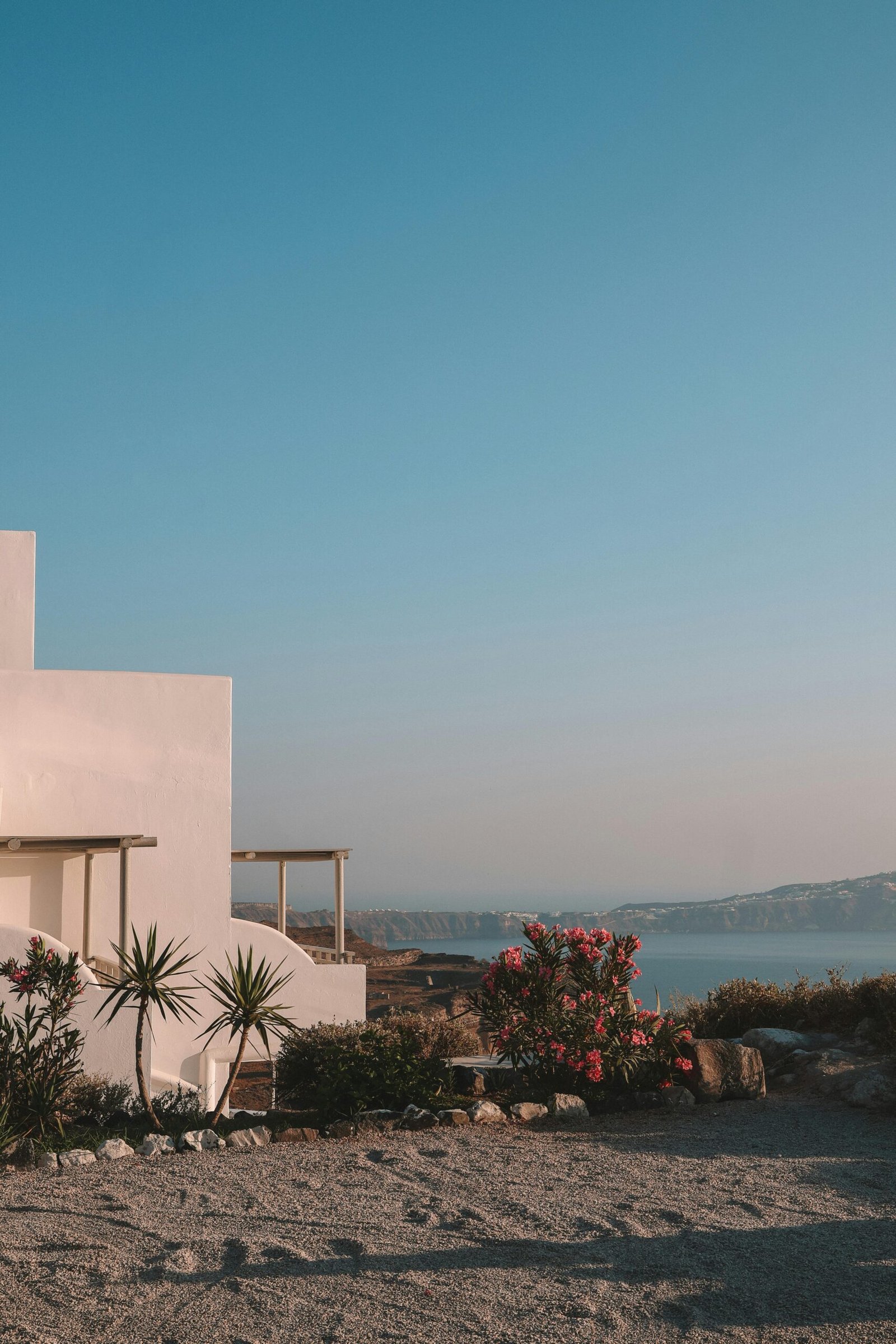
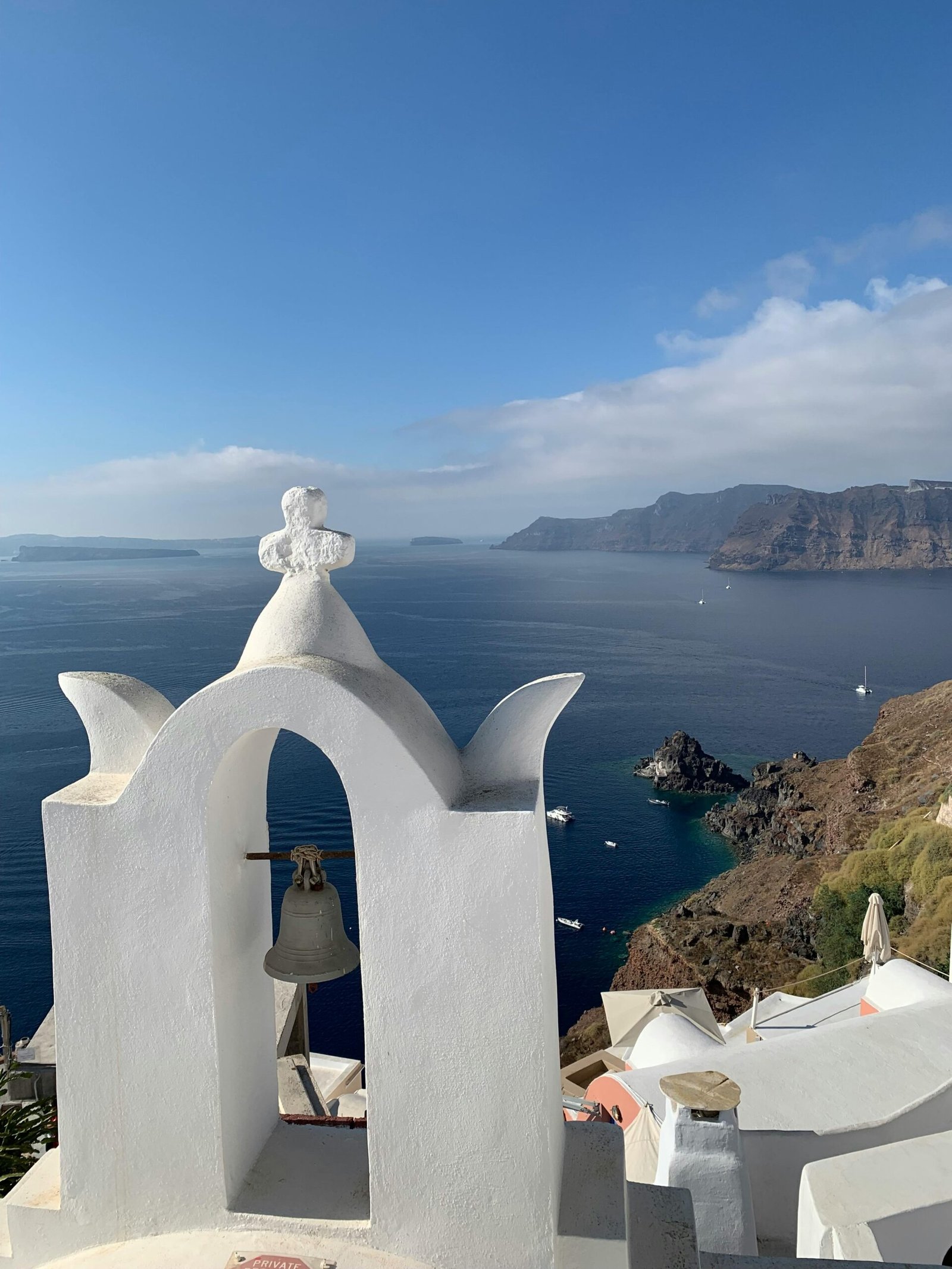
Why Most First-Timers to Santorini Leave Slightly Disappointed
The pattern is simple and very common: travelers arrive wanting a clean emotional payoff. They want the postcard view, the easy romance, the sense that they made a smart choice by picking the famous island everyone talks about. Santorini is one of the few places where the pressure to feel impressed can ruin the actual experience.
Why Most First-Timers to Santorini Leave Slightly Disappointed is not a mystery of the island. It is a mismatch between what people think they are buying and what a busy, expensive, high-demand destination actually gives them in peak season. The island is not failing; the fantasy is too tidy.
The real reason first-timers choose Santorini
Most people do not choose Santorini because they have studied the island carefully. They choose it because they already know what it is supposed to mean: romance, status, ease, and a sense of having “done Greece” properly. That is an emotional purchase before it is a travel decision.
This matters because emotional purchases are fragile. If the trip feels crowded, rushed, or more expensive than expected, the traveler experiences that as personal disappointment, not just practical inconvenience. Why Most First-Timers to Santorini Leave Slightly Disappointed is often a story about identity, not scenery.
There is also social proof at work. When everyone around you has posted Santorini as the default Greek honeymoon or bucket-list stop, it feels risky not to choose it. People confuse familiarity with fit, and that is how they end up in a place that looks right but feels wrong.
Why Most First-Timers to Santorini Leave Slightly Disappointed in peak season
Peak season changes the island’s emotional temperature. The famous views are still there, but they are now shared with crowds, queues, noise, and constant movement. The place becomes less about absorption and more about navigating other people’s expectations of the same scene.
The surprising part is that many travelers are not disappointed by the island itself. They are disappointed by how little private feeling they can extract from a public place. Santorini in high season can feel like a performance you are paying a premium to attend.
That is why Why Most First-Timers to Santorini Leave Slightly Disappointed is such a useful phrase: it points to the moment when the fantasy of exclusivity collides with the reality of popularity. People expect a personal experience; what they get is a heavily shared one.
The moment the disappointment usually hits
It usually hits when the traveler realizes the island is asking for more effort than expected. Not physical effort in the dramatic sense, but mental effort: managing crowds, timing meals, recalibrating expectations, and dealing with the fact that the view is not always a private reward. The mood changes when the trip starts to feel managed instead of effortless.
For many first-timers, the exact moment is not a disaster. It is a small, accumulating letdown: a crowded viewpoint, a long wait for a table, a room that looked larger online, or a sunset that felt more like an event than an experience. That is when the emotional math changes.
People rarely admit this out loud, but the problem is often that Santorini is too legible. You already know the image before you arrive, so the real island has very little room to surprise you. Once the image is fixed, any deviation feels like loss.
Traveler types most prone to this pattern
Some travelers are simply more vulnerable to this disappointment than others. These are the people who need a destination to confirm a story they already have in mind. They are not wrong to want that, but Santorini is a poor place to rely on for emotional certainty in peak season.
- First-time Greece visitors who want one place to “cover” the whole country in a single stop.
- Couples chasing a honeymoon feeling without wanting to think too hard about timing or trade-offs.
- Travelers who trust social media visuals more than destination context.
- People who dislike friction and assume a famous island will automatically feel easy.
These travelers often expect Santorini to behave like a reward. In practice, it behaves like a popular luxury product: recognizable, expensive, and crowded at the exact times everyone wants it most. That is not a flaw to be ignored; it is the main fact to plan around.
The emotional gap between image and reality
The image of Santorini is calm, private, and effortlessly romantic. The reality in peak season is often busy, exposed, and highly managed. That gap is why Why Most First-Timers to Santorini Leave Slightly Disappointed keeps showing up in conversation year after year.
What people underestimate is how much their own mood depends on small frictions. When a destination is expensive, crowded, and heavily photographed, every minor inconvenience feels louder. The island does not need to be bad for the traveler to feel let down.
There is a deeper issue too: many first-timers want Santorini to validate the idea that they made the right choice. When a place is famous enough, travelers start expecting emotional proof. If that proof does not arrive quickly, they interpret the whole trip as underwhelming.
A clear position: Santorini is a better second Greece trip than first one
I’ll be direct: for many travelers, Santorini works better after they already understand Greece. If it is your first Greek island, you are more likely to measure it against a fantasy than against reality. That is a bad setup for any famous destination, and Santorini is especially unforgiving of it.
First-timers often need a place that reveals itself gradually. Santorini does the opposite. It is immediately recognizable, immediately photographed, and immediately judged. Once you have seen the headline version, there is less room for discovery, which is exactly what many travelers are secretly hoping for.
If you want a broader sense of the country before choosing a single island around a famous image, start with context from
Visit Greece. That does not solve the Santorini problem by itself, but it does help travelers stop treating one island as the entire Greek experience.
What a better approach looks like
The better approach is not lower standards. It is better framing. Santorini should be chosen for what it actually is: a high-demand, high-visibility island with strong views, strong pricing, and a lot of shared space in peak season. If that sounds acceptable, fine. If it sounds exhausting, believe that instinct.
Why Most First-Timers to Santorini Leave Slightly Disappointed becomes less true when travelers stop asking the island to deliver a perfect emotional script. Go in wanting a specific experience, not a universal one. That shift alone changes the trip.
And if you care about the cultural side of Greece, not just the view, make room for places that give you more context and less performance pressure. The country has depth far beyond the postcard, and sources like the Hellenic Ministry of Culture are a better starting point than another round of filtered images.
Conclusion
The travelers who enjoy Santorini most are usually the ones who stop demanding that it feel like a private revelation. They accept that peak season is crowded, expensive, and highly visible, then decide whether the trade-off is worth it. That is a much more honest way to travel.
Why Most First-Timers to Santorini Leave Slightly Disappointed is really a lesson in expectation hygiene. If you understand the island as a famous, shared, high-pressure destination rather than a personal fantasy machine, the trip becomes far easier to assess honestly. Greece doesn’t punish inexperience. It punishes unexamined assumptions. The travelers who leave disappointed rarely lacked information — they lacked a framework for using it.
Frequently asked questions
Why do so many first-time visitors feel let down by Santorini?
Because they arrive expecting a private, effortless version of the island and meet a busy, expensive, highly photographed destination instead. The disappointment is usually about the gap between image and lived experience.
Is Santorini overrated for first-time travelers?
Not overrated in absolute terms, but often over-idealized. If you choose it expecting a calm, low-friction island experience in peak season, you are setting yourself up for frustration.
What is the biggest mistake first-timers make in Santorini?
They treat it like a universal Greece experience instead of a very specific one. Santorini is famous, but fame creates pressure, crowds, and a lot of shared space.
Who is most likely to be disappointed by Santorini?
Travelers chasing a honeymoon mood, people relying on social media images, and first-time Greece visitors who want one island to represent the whole country.
Does visiting Santorini in peak season always disappoint?
No, but peak season makes the gap between expectation and reality much more visible. If you already know the island is crowded and expensive, you are less likely to take that personally.
What mindset helps first-timers enjoy Santorini more?
Choose it for the specific trade-offs it offers, not for the fantasy attached to it. The moment you stop expecting a perfect emotional script, the island becomes much easier to evaluate honestly.