

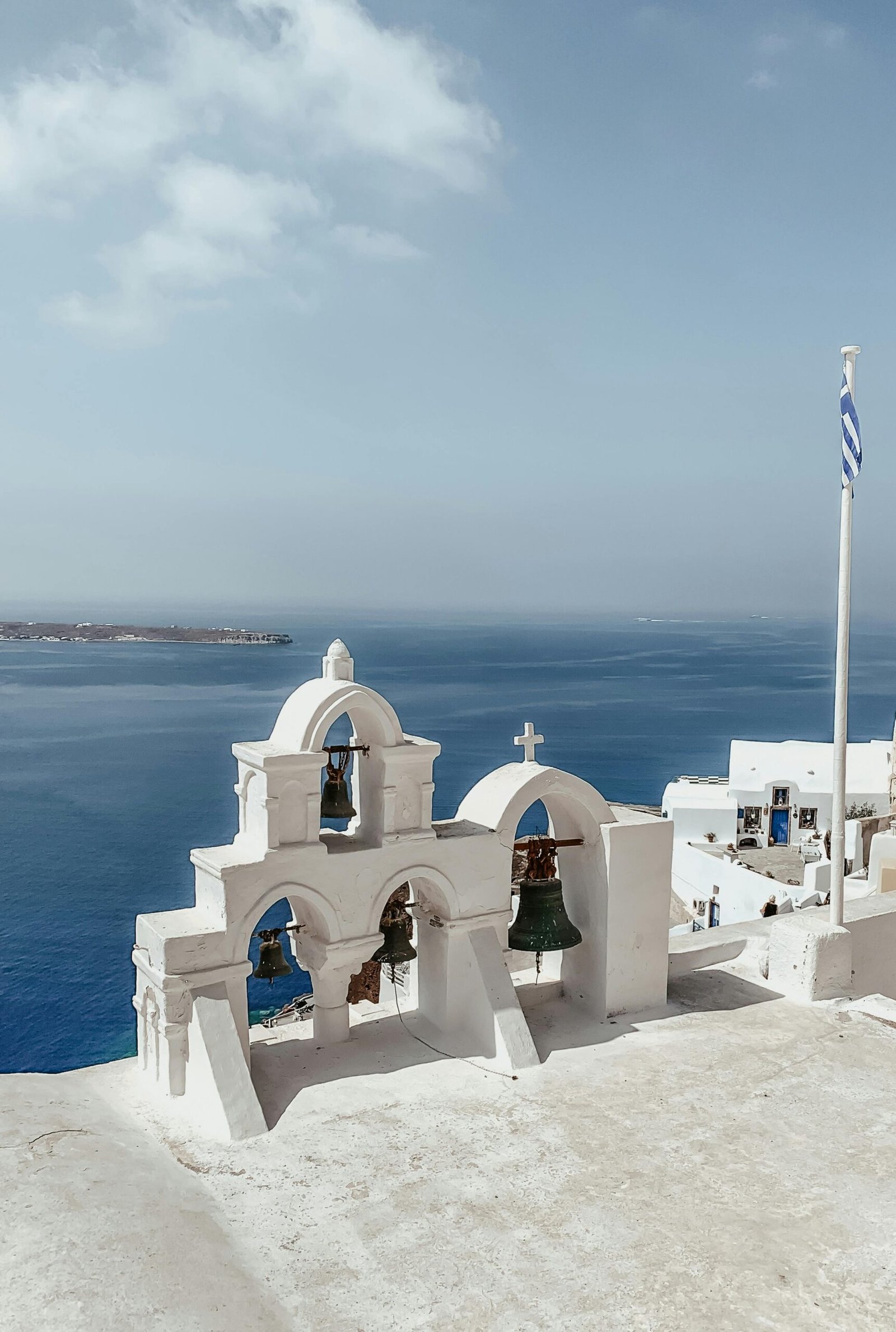
Why Most First-Timers to Santorini Leave Slightly Disappointed is usually not about the island failing to deliver. It is about travelers arriving with a very specific emotional script: they expect a private, cinematic version of Santorini and get a crowded, high-friction version instead.
The problem starts before they land. Santorini is one of the most heavily preloaded destinations in Greece, which means people often arrive wanting the image they have already seen a hundred times, not the actual place in peak season.
Why Most First-Timers to Santorini Leave Slightly Disappointed
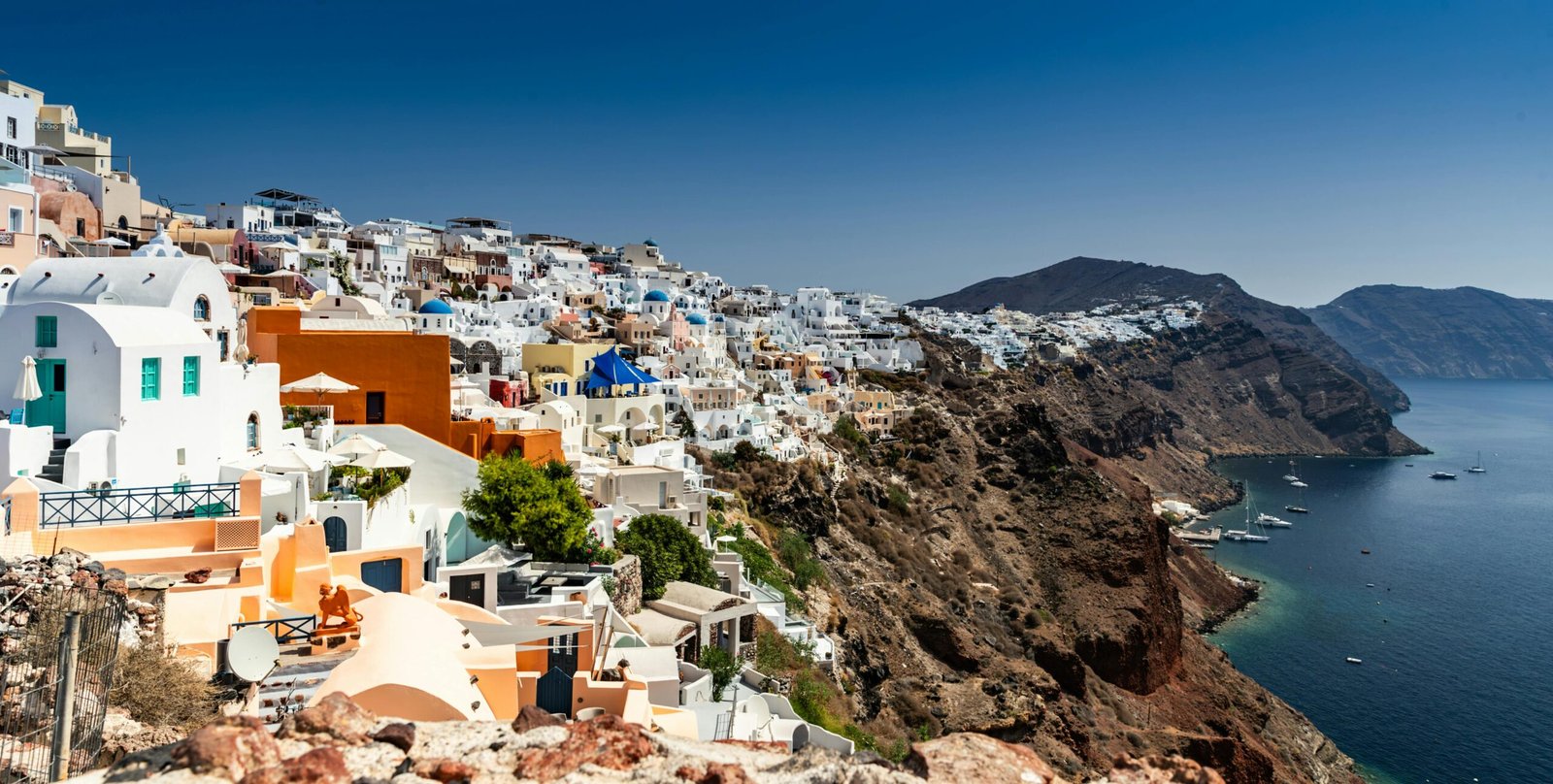
The core mistake is simple: people confuse familiarity with understanding. By the time they book Santorini, they already feel like they know it, because they have seen the same caldera views, white walls, and sunset shots repeated everywhere. That creates a dangerous expectation gap, and Why Most First-Timers to Santorini Leave Slightly Disappointed is really a story about that gap becoming visible in real time.
The assumption behind Why Most First-Timers to Santorini Leave Slightly Disappointed
Most first-timers are not choosing Santorini because they have analyzed the island. They are choosing it because it represents a proven image of Greece, and they want the emotional certainty that comes with a destination everyone recognizes. That is a comfort decision, not a research decision.
People also use Santorini as a kind of travel insurance. It feels safe to pick the place that has already been validated by millions of photos and social proof, because then the risk of making a “wrong” Greece choice seems lower. In practice, that same popularity is what creates the pressure, the crowds, and the disappointment.
What travelers expect versus what they actually meet
Travelers expect a place that feels intimate, elegant, and visually consistent. What they often meet in peak season is a destination where the best-known areas are busy, expensive, and shaped around volume rather than ease. That is not a moral failure of Santorini; it is the direct result of demand overwhelming a small island.
Here is the counterintuitive part: the disappointment is often strongest among people who care most about the island’s beauty. They are not underwhelmed by the views. They are underwhelmed by the amount of effort required to enjoy them in the way they imagined. That friction changes the emotional tone of the trip.
The first real crack usually appears in a simple moment: the traveler realizes that the experience they pictured as calm and effortless requires patience, timing, and tolerance for crowds. That is when the fantasy gives way to logistics, and the trip starts feeling less like a reward and more like a managed exercise.
Why peak season makes the mismatch worse
Peak season does not just make Santorini busier. It changes the psychology of the visit. When an island is saturated with short-stay visitors, everyone is chasing the same narrow windows for the same famous views, which turns a supposedly relaxed trip into a competition for space, attention, and timing.
This is where first-timers get caught. They assume that a high-end or famous destination will naturally feel polished and easy. In reality, peak-season Santorini can feel compressed, expensive, and oddly transactional, especially if you are trying to do what everyone else is doing at the same time.
If you want the broader Greece context, the official tourism baseline is useful, but it will not tell you how the island feels when it is full. For that, you need to understand the seasonal pressure behind the destination, not just the marketing around it. The national tourism picture is outlined at
visitgreece.gr, but the real issue is how that demand concentrates in one place at one time.
The traveler types most prone to this pattern
Three groups are especially vulnerable to disappointment. The first is the first-time Greece visitor who wants a “best possible” introduction and thinks Santorini is the obvious answer. The second is the couple planning a milestone trip and expecting the destination itself to carry the emotional weight. The third is the photo-driven traveler who cares more about how the trip looks than how it feels.
- First-timers who equate famous with easy.
- Couples expecting romance to happen automatically.
- Travelers chasing the version of Santorini they saw online.
These travelers are not wrong to want beauty or a memorable trip. They are wrong to assume the island will do the emotional work for them. Santorini is not a passive backdrop; it is a place that demands decisions, trade-offs, and a tolerance for being one of many people having the same idea.
Where the disappointment usually lands
The disappointment is rarely dramatic. It is usually a slow settling of feeling: too much effort, too much money, too many people, and not enough ease. The traveler still sees the famous views, but the emotional return is lower than expected because the day has been spent navigating pressure instead of absorbing the place.
That is why some people leave saying Santorini was beautiful but not worth the hype. They are not lying. They are describing a mismatch between the destination’s image and the actual experience of visiting it under peak-season conditions.
For travelers who want a more grounded sense of what Greece can deliver beyond the headline destinations, the cultural layer matters more than most people admit. The official cultural institutions are a useful reminder that Greece is not just a scenery product; it is a country with depth, institutions, and context, which you can explore through culture.gov.gr/en/.
What a better approach looks like
The better approach starts with dropping the idea that Santorini is supposed to feel private, effortless, or uniquely yours. It is a famous place with intense demand, and that reality should shape the decision, not get ignored until arrival. Once you accept that, you can judge the island on honest terms instead of fantasy terms.
That means asking a different question before booking: am I choosing Santorini because I want the island, or because I want the feeling I think it will give me? Those are not the same thing. When travelers answer that honestly, they make better decisions about timing, expectations, and whether Santorini should be the main event or just one part of a broader Greece trip.
Greece doesn’t punish inexperience. It punishes unexamined assumptions. The travelers who leave disappointed rarely lacked information — they lacked a framework for using it.
Frequently asked questions
Why do so many first-timers feel disappointed in Santorini?
Because they arrive with a polished image of the island and then meet peak-season crowds, high prices, and a lot more friction than they expected. The gap between image and reality is the issue, not the island itself.
Is Santorini overrated for first-time visitors?
Not universally, but it is often overassigned emotional value. People expect it to deliver romance, ease, and beauty all at once, and that is where disappointment starts.
What is the biggest mistake first-time visitors make?
They assume Santorini will feel calm and effortless just because it is famous and visually familiar. Fame usually means demand, and demand changes the experience.
Who is most likely to be disappointed by Santorini?
Travelers who want a quiet, intimate trip; couples expecting the destination to create romance automatically; and people who are mainly chasing the social-media version of the island.
Does visiting Santorini in peak season make a big difference?
Yes. Peak season compresses the experience, increases crowd pressure, and makes the island feel more managed than relaxed. That is when the mismatch becomes hardest to ignore.
How should I think about Santorini differently?
Treat it as a high-demand destination with real trade-offs, not as a guaranteed emotional experience. If you judge it on that basis, you will make more realistic choices.