

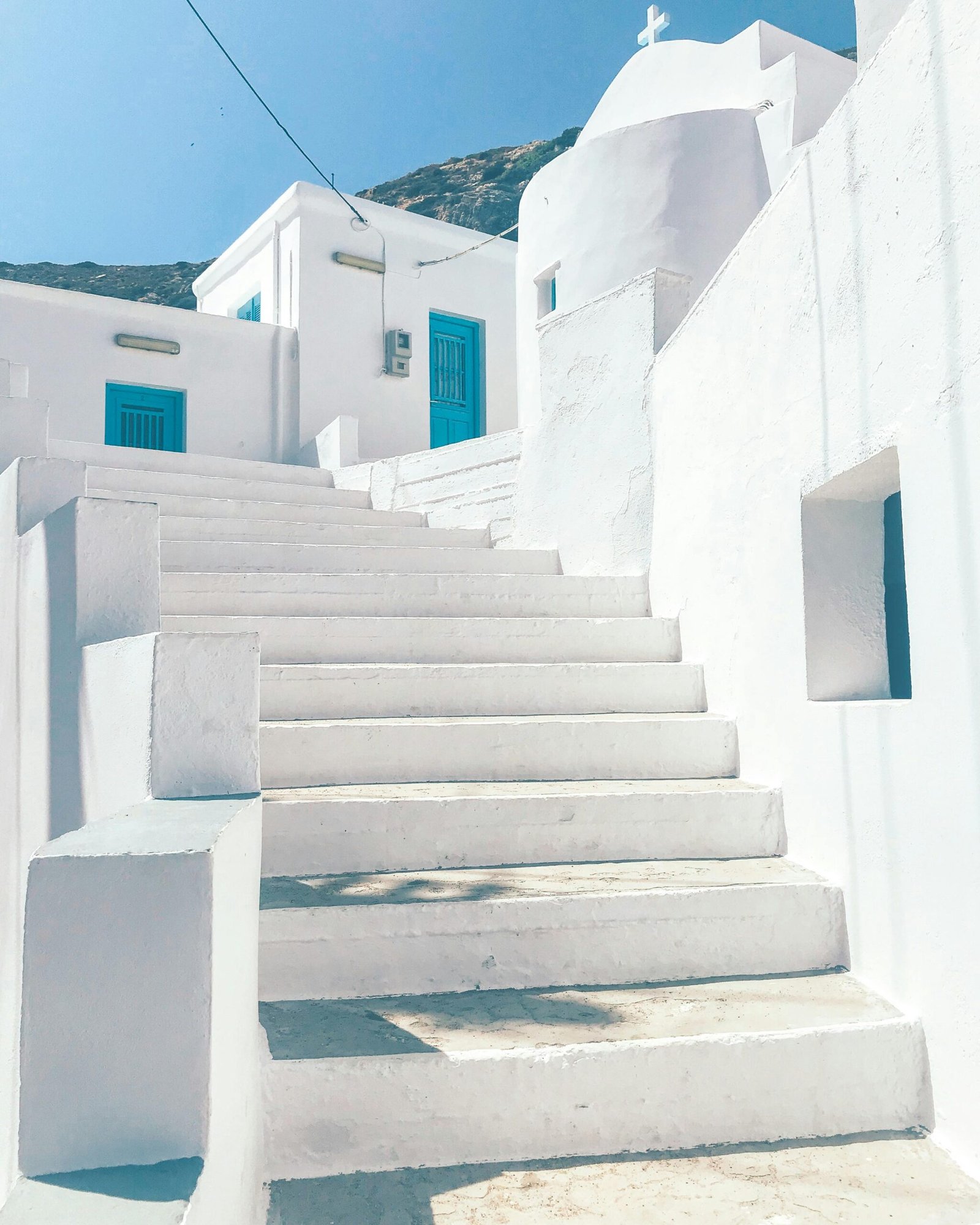
Why Santorini Works Better as a Short, Intense Stop is not a catchy idea; it is the way the island actually performs for most travelers. Santorini gives you a lot very quickly, then starts to feel expensive, repetitive, and overmanaged if you try to stretch it into the center of a long Greece trip.
The mistake is treating Santorini like a base when it is really a high-impact stop. If you want the caldera views, the cliffside villages, and the sense of being somewhere unmistakably Greek without wasting days, you use it decisively and move on.
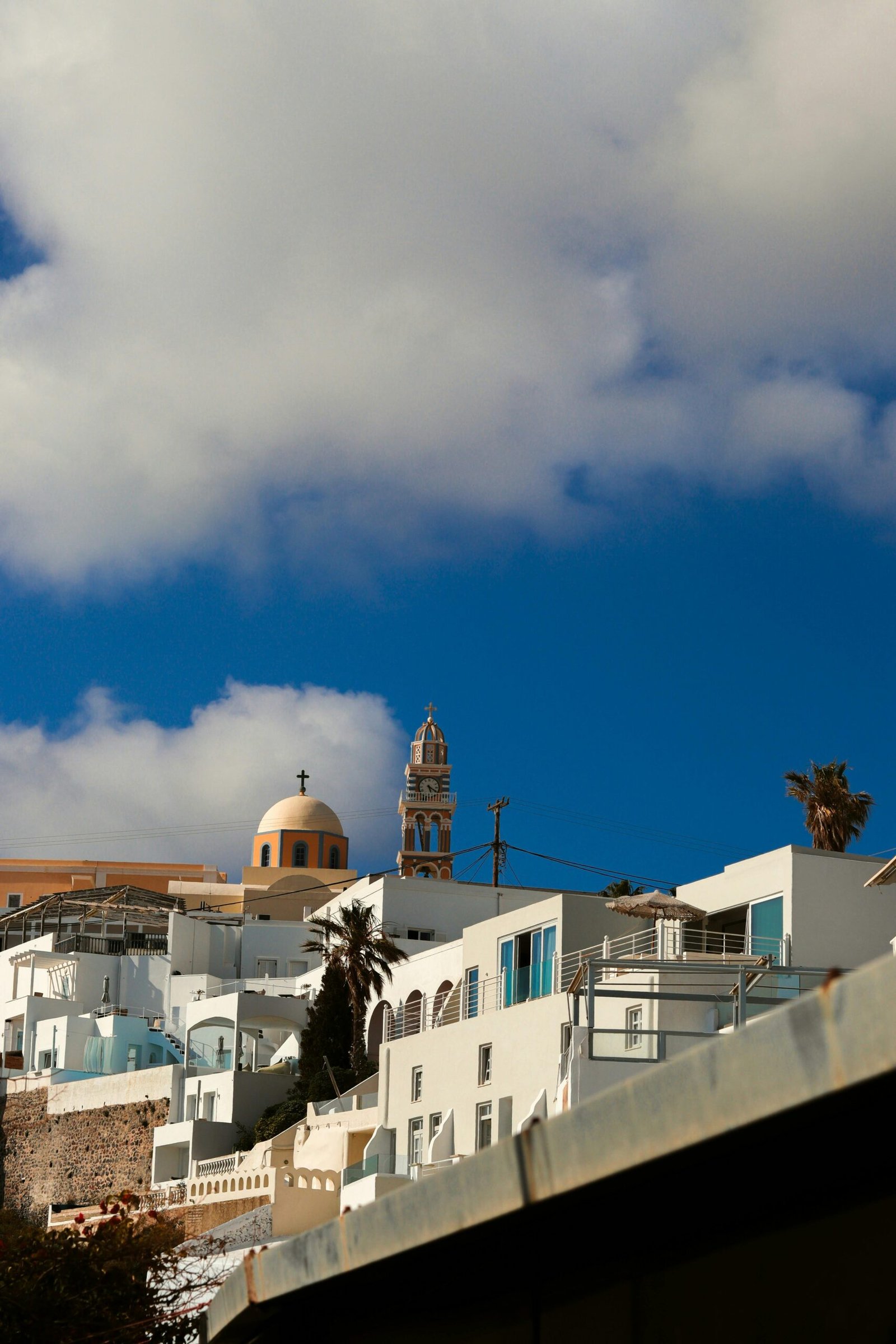
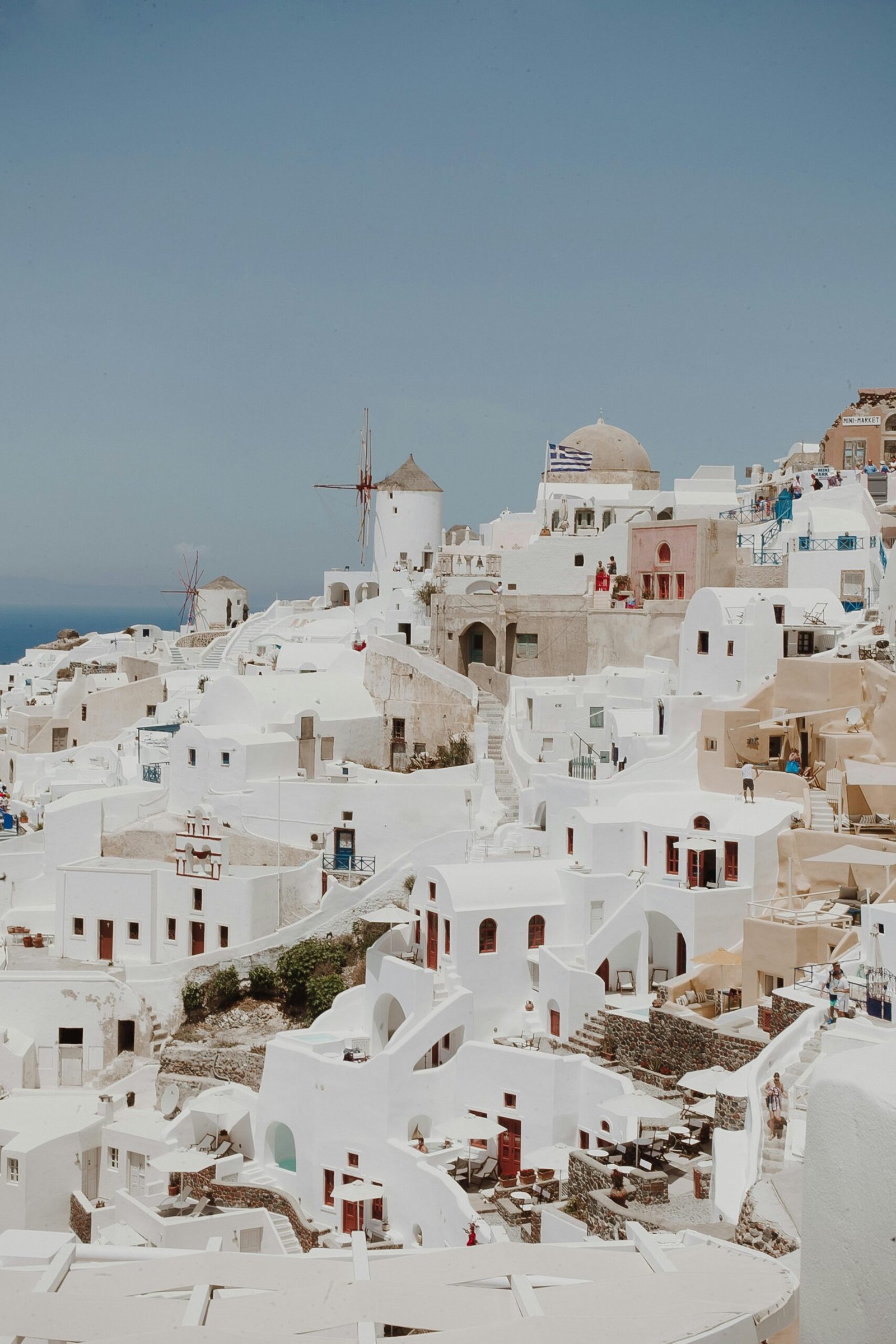
Why Santorini Works Better as a Short, Intense Stop
Why Santorini Works Better as a Short, Intense Stop for most travelers
My position is simple: Santorini is at its best when it is concentrated. You come for the visual hit, the village atmosphere, the wine, the caldera edge, and the sense of place, then you leave before the island starts asking you to pay too much for too little return.
Why Santorini Works Better as a Short, Intense Stop is not just about attention span. It is about value. The island has a very specific rhythm, and the longer you stay, the more you notice the gaps: limited beach variety, crowded peak areas, and a premium price structure that does not magically improve because you booked more nights.
What travelers consistently get wrong
The first mistake is overallocating nights. Many travelers think Santorini should anchor an entire Greece holiday because it is the place they have seen most often online. In practice, that usually means they spend too much money on a setting that is strongest in small doses and weaker as a long base.
The second mistake is choosing the wrong side of the island for the wrong reason. People book around a view, then discover they actually wanted easier access to food, quieter evenings, or a more practical pace. Oia, Imerovigli, Fira, Firostefani, Megalochori, and Pyrgos each solve a different problem, and mixing them up is how trips become irritating instead of efficient.
A third mistake is assuming Santorini is a beach island in the usual Greek sense. It is not. If your idea of a successful Greece trip is long days on sand with easy swimming and a relaxed village feel, Santorini will underdeliver unless you treat it as a stop, not the whole story.
The places that matter, and what they are actually for
Oia is for travelers who want the most famous caldera setting and are willing to pay for it in crowds and pricing. It is not the place I recommend for people who dislike being around other people at peak times, because the village is too small for the demand it carries.
Imerovigli is the cleaner choice for travelers who want caldera views without the same level of churn. It is quieter, more controlled, and better for people who care about the overall feel of their stay rather than being in the most photographed spot. Fira is the practical center, and that matters more than most people admit.
Firostefani gives you a useful middle ground: close enough to the action, less frantic than Oia, and usually easier to live with. Megalochori and Pyrgos are for travelers who want a more grounded village atmosphere and less performance. They are also the places where people finally realize Santorini is not only about cliff-edge drama. For a broader planning frame, use
Visit Greece as a reference point, not as a substitute for local judgment.
A counterintuitive truth about Santorini
Here is the part many travelers do not expect: Santorini often feels more generous when you spend less time on it. That sounds backwards, but it is true. The island’s strongest qualities are concentrated and visual, so the first impression is often the best one.
Once travelers settle in for too long, they start measuring Santorini like a normal island and it loses the argument. They begin comparing it to places that are built for slower living, broader beaches, or more varied day-to-day routines. Santorini was never the best island for that job.
Why Santorini Works Better as a Short, Intense Stop is exactly about preserving that first impression. Use the island for impact, not for domesticity. That is where it makes sense.
Who this suits
Santorini suits first-time Greece visitors who want a strong visual identity in their trip and are comfortable paying for it. It suits couples, design-minded travelers, and people who care more about atmosphere, views, and dining than about having a broad range of activities.
It also suits travelers who are building a wider itinerary around Athens, the Cyclades, Crete, or the Dodecanese and want one high-value stop that feels distinct. The island works very well as a premium accent, especially when paired with places that offer a different pace and texture.
- Best fit: couples, honeymooners, short-stay luxury travelers, and first-timers who want a concentrated Greek experience.
- Poor fit: long-stay beach travelers, families who need easy movement and space, and visitors who get frustrated by crowds or premium pricing.
If you want the cultural context around why some Greek places are preserved and managed the way they are, the Hellenic Ministry of Culture gives useful background. That matters in Santorini, where the built environment is part of the product and part of the constraint.
What you gain, and what you give up
What you gain is clarity. Santorini gives you a concentrated, high-recognition Greece experience with strong visual identity, serious dining, and a sense of place that is easy to understand quickly. For many travelers, that is enough and then some.
What you give up is flexibility. You give up space, lower prices, and the relaxed sprawl that makes other Greek islands easier to live on for longer periods. You also give up the illusion that you can do everything here without compromise.
That trade-off is why Why Santorini Works Better as a Short, Intense Stop is not a slogan but a planning principle. If you try to make Santorini do the work of three destinations, it will usually disappoint. If you let it do the one thing it does best, it becomes much more valuable.
Planning mistakes that create real problems
The most common practical failure is sequencing. Travelers put Santorini too early, spend too long there, and then realize the rest of the trip feels flat by comparison. Others leave it too late and end up rushed, overpriced, and tired when they should be enjoying the island’s strongest hours.
Accommodation location mistakes are the other big one. Book too high and too isolated, and every simple dinner becomes a small project. Book too central without understanding the noise and foot traffic, and the experience becomes less refined than expected. This is where professional planning matters, because the difference is not theoretical; it changes how the island feels every day you are there.
One more thing travelers underestimate is seasonal pressure. In peak months, Santorini punishes indecision. The island is small, the premium areas are tightly packed, and the margin for a bad choice is thin. That is why Why Santorini Works Better as a Short, Intense Stop is especially true in summer, when the island is least forgiving.
Final advice
Do not ask Santorini to be your whole Greece trip. It is too narrow for that job, and the cost of forcing it is usually disappointment, not delight. Use it as the high-impact stop it is, then let the rest of Greece do the rest of the work.
Why Santorini Works Better as a Short, Intense Stop is the right way to think about it because it protects both your budget and your expectations. Greece rewards travelers who arrive with a plan built around how they actually travel — not a generic template. The difference between a frustrating trip and a remarkable one often comes down to sequence, timing, and knowing which trade-offs matter for your situation.
Recommended experiences
Some experiences mentioned here are curated and managed by Elite Greece Travels.
- Athens Milos Santorini Itinerary 9 Days — Itinerary (managed by Elite Greece Travels).
- Greece 7 Day Itinerary Athens Delphi Meteora Santorini — Itinerary (managed by Elite Greece Travels).
- Santorini Sunset Cruise With Dinner In The Caldera — Cruise (managed by Elite Greece Travels).
Frequently asked questions
How many nights are enough in Santorini?
For most travelers, Santorini works best with a short stay. Long stays usually expose the island’s limits: higher costs, crowd pressure, and less variety than people expect.
Is Santorini worth it if I only care about beaches?
Usually not as a main destination. Santorini’s beaches are not its strongest asset, and travelers who want a classic Greek beach holiday are often happier elsewhere.
Which area is best to stay in Santorini?
It depends on what you want the island to do for you. Oia is the most famous, Imerovigli is calmer, Fira is practical, Firostefani is a useful middle ground, and Megalochori or Pyrgos suit travelers who want a more grounded village feel.
Why do people say Santorini is overplanned?
Because many itineraries give it too many nights and too much emotional weight. Santorini is strongest as a concentrated stop, not as the centerpiece of a long Greece trip.
Is Santorini good for families?
Only for families who are comfortable with premium pricing, limited space, and a more controlled environment. It is not the easiest island for children who need room to move or for parents who want simple logistics.
What is the biggest mistake travelers make with Santorini?
Treating it like a normal island base. That usually leads to a bad location choice, too many nights, and a trip that feels expensive without delivering enough variety.