

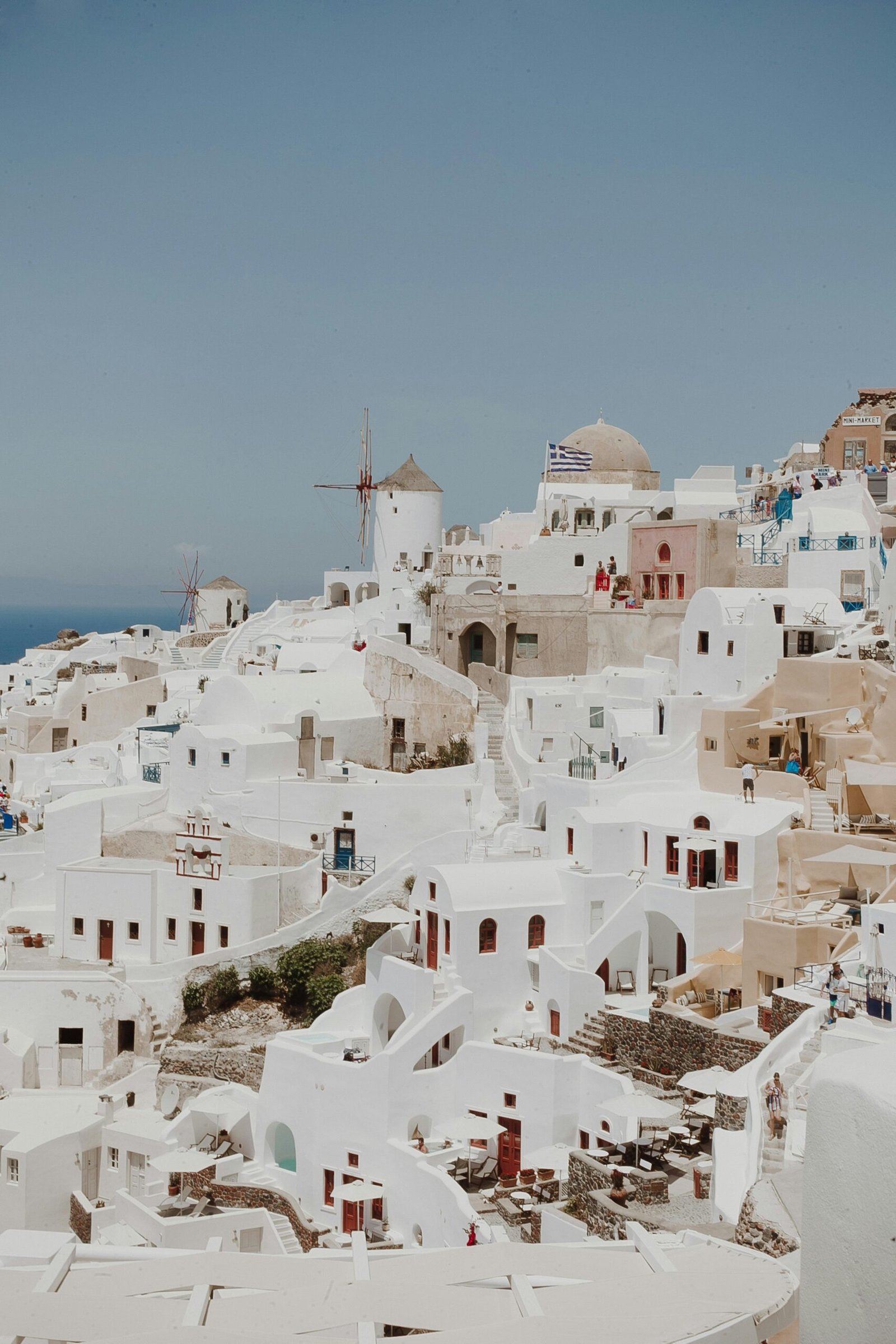
Why Most First-Timers to Santorini Leave Slightly Disappointed usually comes down to one simple assumption: people think they are buying the version of Santorini they have seen in photos, not the version that exists in peak season. That gap is where the frustration starts.
Most travelers are not making a bad choice because they are careless. They are making a very human one: they want the place to match the feeling they have already attached to it. Santorini is especially good at attracting that kind of projection, which is exactly why the disappointment is so common.
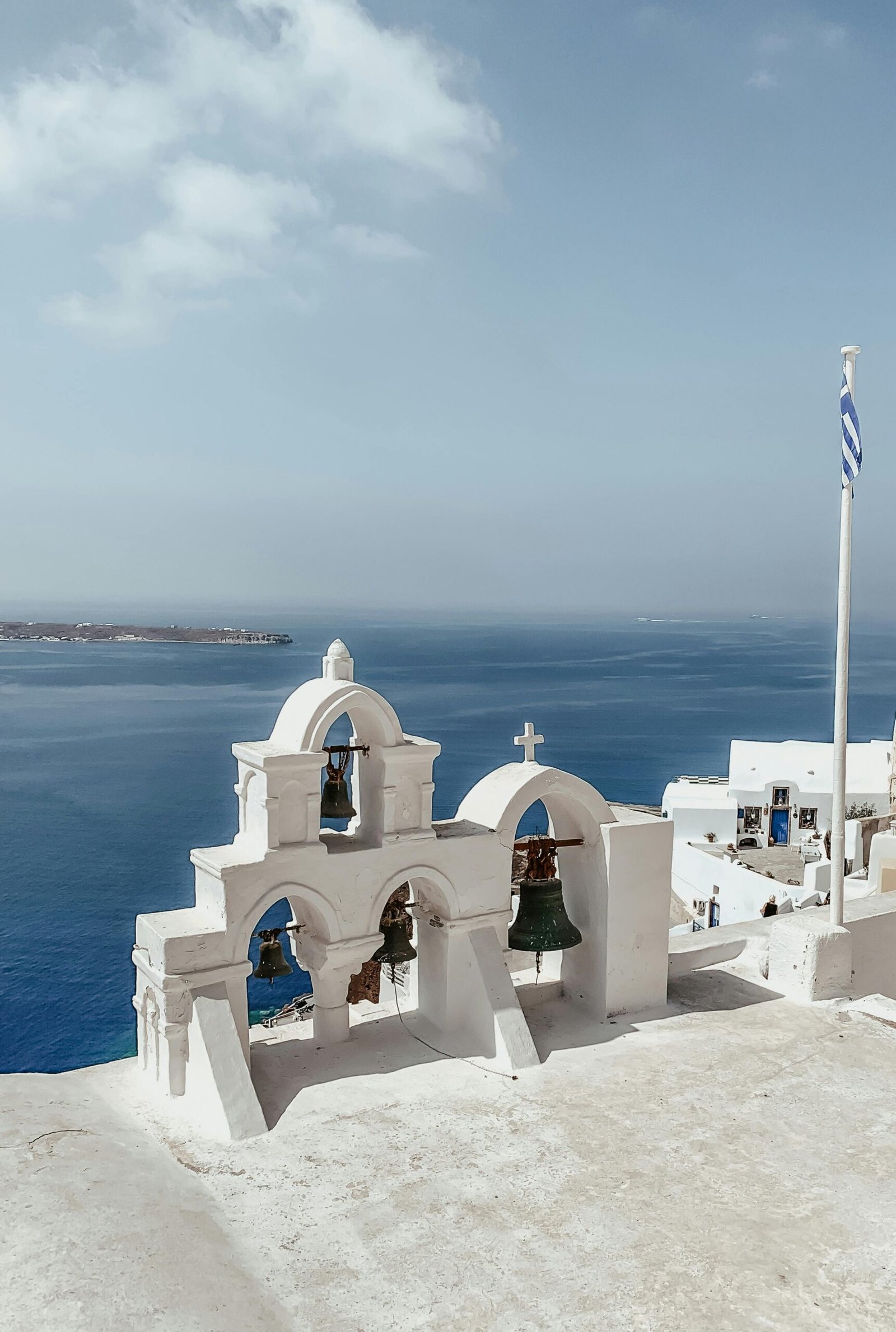
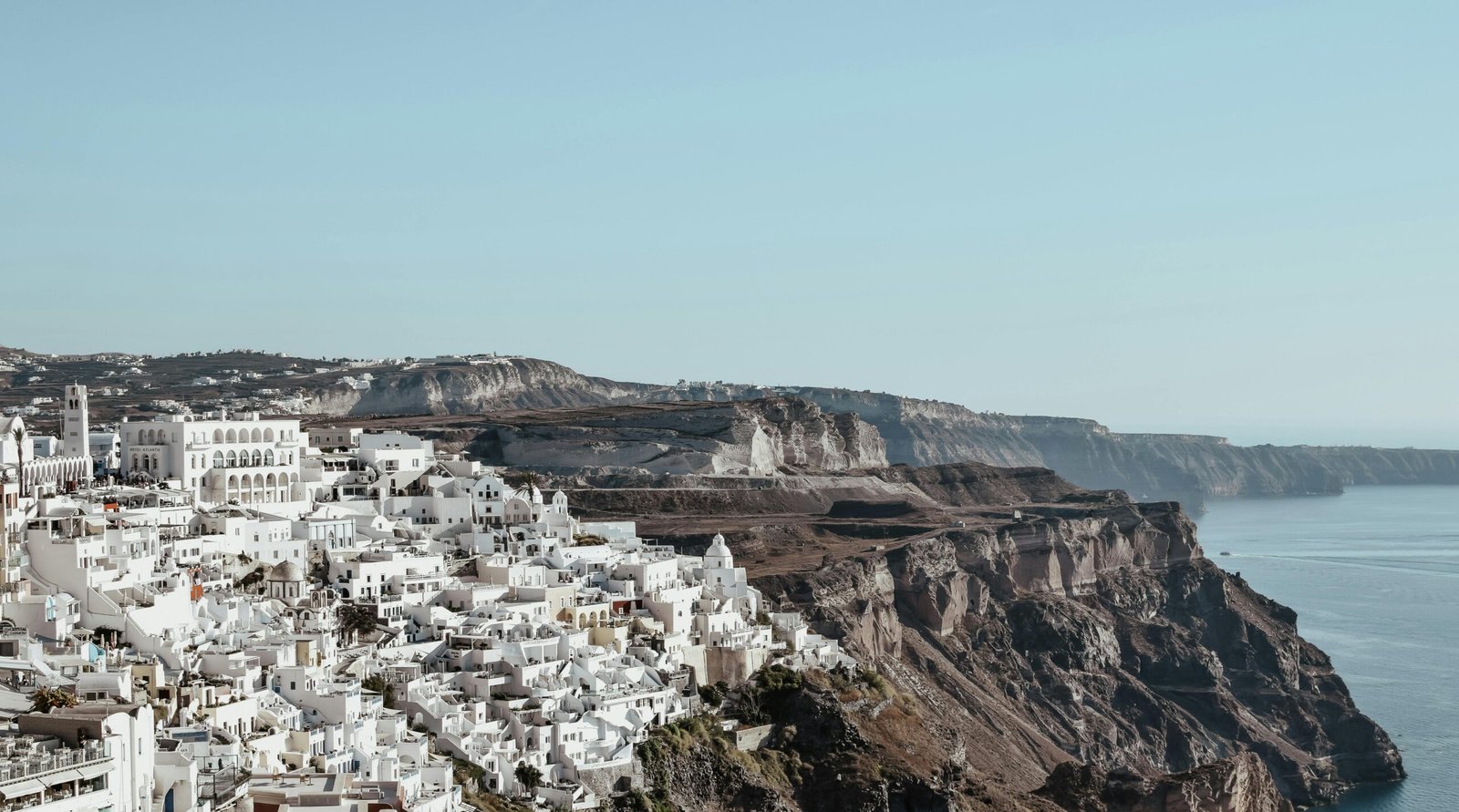
Why Most First-Timers to Santorini Leave Slightly Disappointed
The core mistake is emotional, not logistical. People arrive expecting Santorini to function as a peak life moment, when in reality it is a very popular island with real crowd pressure, high prices, and a constant strain between scenery and convenience. Why Most First-Timers to Santorini Leave Slightly Disappointed is not a mystery to anyone who has watched this pattern repeat for years.
The image problem starts before the trip is even booked
Travelers do not choose Santorini only because of geography. They choose it because it has been sold to them as a shorthand for romance, status, and a certain kind of successful vacation. That is a powerful emotional pull, and it makes people less willing to ask practical questions about what they actually want from a Greek island.
The problem is that the island becomes a symbol before it becomes a destination. Once that happens, the traveler is no longer evaluating what Santorini offers in peak season. They are trying to protect the image they already built in their head, and that is a bad setup for satisfaction.
Why Most First-Timers to Santorini Leave Slightly Disappointed in peak season
Peak season is where the fantasy collides with volume. The caldera views are real, but so is the crowding, the heat, the queues, the inflated pricing, and the feeling that many other people are trying to have your exact same experience at the exact same time. Santorini does not become less attractive in summer; it becomes more exposed.
This is the part travelers underestimate: the island is small enough that congestion changes the emotional temperature of the trip. A place that looks serene in photos can feel tightly managed and heavily consumed when everyone is moving through the same narrow spaces at once. That is why Why Most First-Timers to Santorini Leave Slightly Disappointed is such a predictable outcome in July and August.
For context, travelers who want to understand the broader setting of Greek travel seasons should look at official destination guidance from
Visit Greece. The country is not one uniform experience, and Santorini in peak season is one of the clearest examples of how timing changes the entire feel of a place.
The emotional gap: what people expect versus what they actually feel
What people expect is ease. They expect a clean visual payoff, a sense of being in the right place, and a trip that feels naturally elevated because the destination is famous. What they often feel instead is pressure to keep up with the image, to justify the cost, and to make every moment look more meaningful than it actually is.
That is where disappointment gets personal. The traveler starts asking whether they did something wrong, when the real issue is that the destination was never going to deliver the same emotional return it promised in marketing. Santorini can be good, even excellent, but it is rarely effortless.
Here is the counterintuitive part: some first-timers are disappointed not because Santorini is overhyped, but because it is too recognizable. They arrive already knowing what the famous view should look like, so the actual experience has less room to surprise them. Familiarity is a bad thing when you are paying premium prices for a sense of discovery.
The exact moment disappointment usually hits
It usually hits when the traveler realizes they are spending more energy managing the experience than enjoying it. That can happen when a view is blocked, when a meal feels overpriced for what it is, or when the atmosphere feels more transactional than relaxed. The island is beautiful enough to delay that realization, which is why people often feel fine on arrival and slightly let down by the time they leave.
The deeper issue is not a single bad moment. It is the accumulation of small compromises that chip away at the emotional payoff people expected. Once that happens, even the good parts can start to feel like they need to justify themselves.
Who is most prone to this pattern
The travelers most likely to leave underwhelmed are the ones seeking a once-in-a-lifetime feeling without wanting the trade-offs that come with a highly visited place. Honeymooners are especially vulnerable because the pressure to make the trip feel exceptional is already built in. So are first-time Greece visitors who assume the most famous island must also be the best fit.
These travelers often share one trait: they want the trip to confirm a story they already told themselves. That is a fragile way to choose a destination. Santorini can still work for them, but only if they accept that the island is not a private stage for their expectations.
- Couples chasing a romance script rather than a realistic island experience
- First-time Greece visitors who equate fame with fit
- Travelers who dislike crowd pressure but still book the busiest places
- People who want luxury but are not prepared for premium pricing everywhere
What people consistently underestimate about Santorini
They underestimate how much peak-season Santorini is shaped by other travelers. The island is not just a place; it is a shared performance of arrival, viewpoint seeking, dining, and photo-taking. If you are sensitive to crowd energy, that matters more than the scenery.
They also underestimate how quickly novelty wears off when every choice feels expensive. That is not a moral failing. It is a planning issue. If you want a broader sense of how Greek cultural and destination standards are framed, the official Ministry of Culture site is useful context, especially for travelers who want more than a surface-level view of the country.
Greece rewards travelers who arrive with a plan, but Santorini rewards a more specific kind of honesty: know whether you want spectacle, comfort, romance, or breathing room. Trying to get all four in peak season is where people start feeling shortchanged.
What a better approach looks like
The better approach is not to lower your standards. It is to choose Santorini for what it actually does well, not for the fantasy you built around it. If you want iconic views, a strong sense of place, and a polished experience, Santorini can deliver that. If you want a relaxed island rhythm, more space, and less crowd management, this is not the cleanest match.
That reframing matters because it changes the planning question. Instead of asking, “Is Santorini worth it?” ask, “Am I the kind of traveler who will enjoy Santorini at full volume?” That is a much more honest filter, and it prevents the most common form of regret.
Why Most First-Timers to Santorini Leave Slightly Disappointed is really a lesson in expectation management. The island is not broken, and neither are the travelers. The mismatch is usually between the emotional story people bring and the operational reality they meet.
Recognizing the pattern is the first step. The second is building a trip around how you actually travel — not the traveler you imagine yourself to be. Most great Greece experiences start with that honesty.
Frequently asked questions
Why do so many first-time visitors feel let down by Santorini?
Because they arrive expecting the island to match the polished image they have seen for years. In peak season, crowding, pricing, and pace make the real experience feel less effortless than the fantasy.
Is Santorini actually overrated?
Not exactly. Santorini is highly specific. It is excellent for certain travelers and frustrating for others, especially those who want calm, space, and a less managed atmosphere.
What is the biggest mistake first-timers make with Santorini?
They confuse a famous destination with the right destination. Fame creates expectation, but expectation is not the same thing as fit.
Why does peak season make Santorini feel worse?
Because the island’s small scale means crowd pressure affects the whole experience. Even good views and good meals can feel less satisfying when everything is busy and expensive.
Who tends to enjoy Santorini the most?
Travelers who genuinely want iconic scenery, a polished setting, and do not mind paying for it. It also suits people who are comfortable sharing a destination with many others.
How should I think about Santorini differently?
Treat it as a specific experience, not a universal Greek island standard. If you know what emotional payoff you want, you can judge whether Santorini is the right match instead of assuming it must be.