

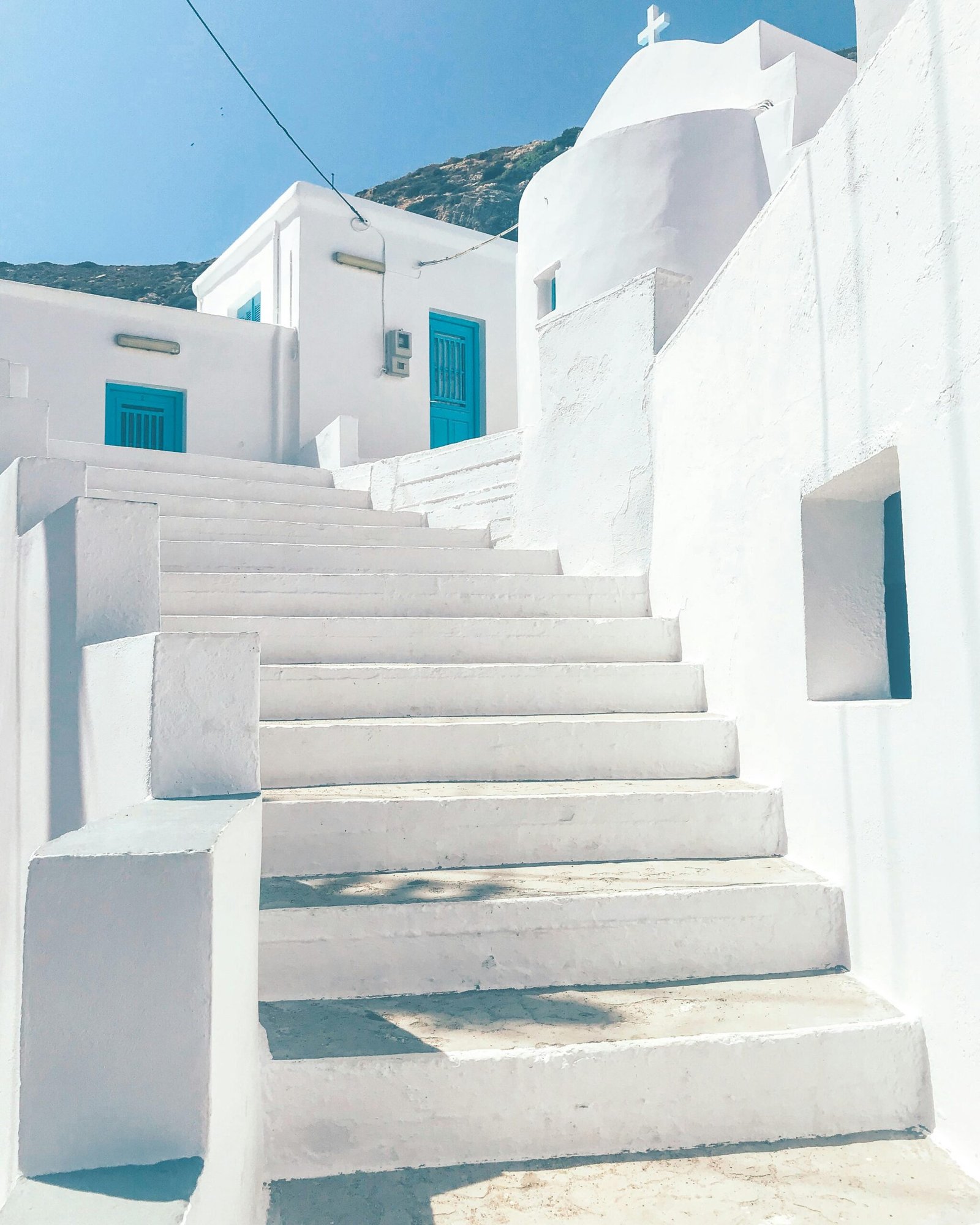
Why Most First-Timers to Santorini Leave Slightly Disappointed starts with a simple psychological mistake: people arrive expecting a place to behave like its photos. They are not really choosing an island; they are choosing a feeling they have already built in their heads.
That is why Santorini so often creates a strange mix of admiration and letdown. The island is real, expensive, crowded, and highly managed in peak season, which is very different from the clean, quiet image many first-time visitors carry with them.
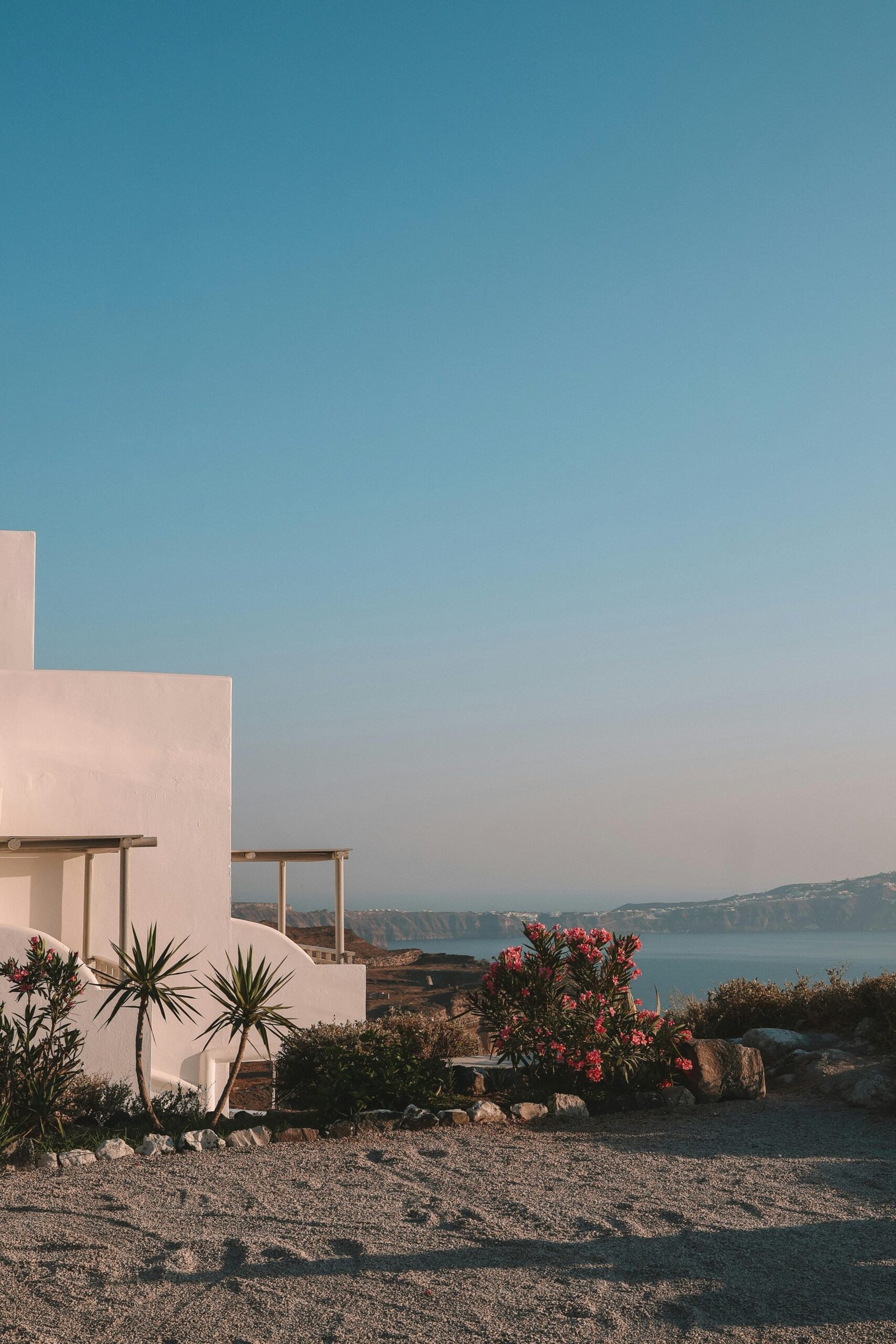
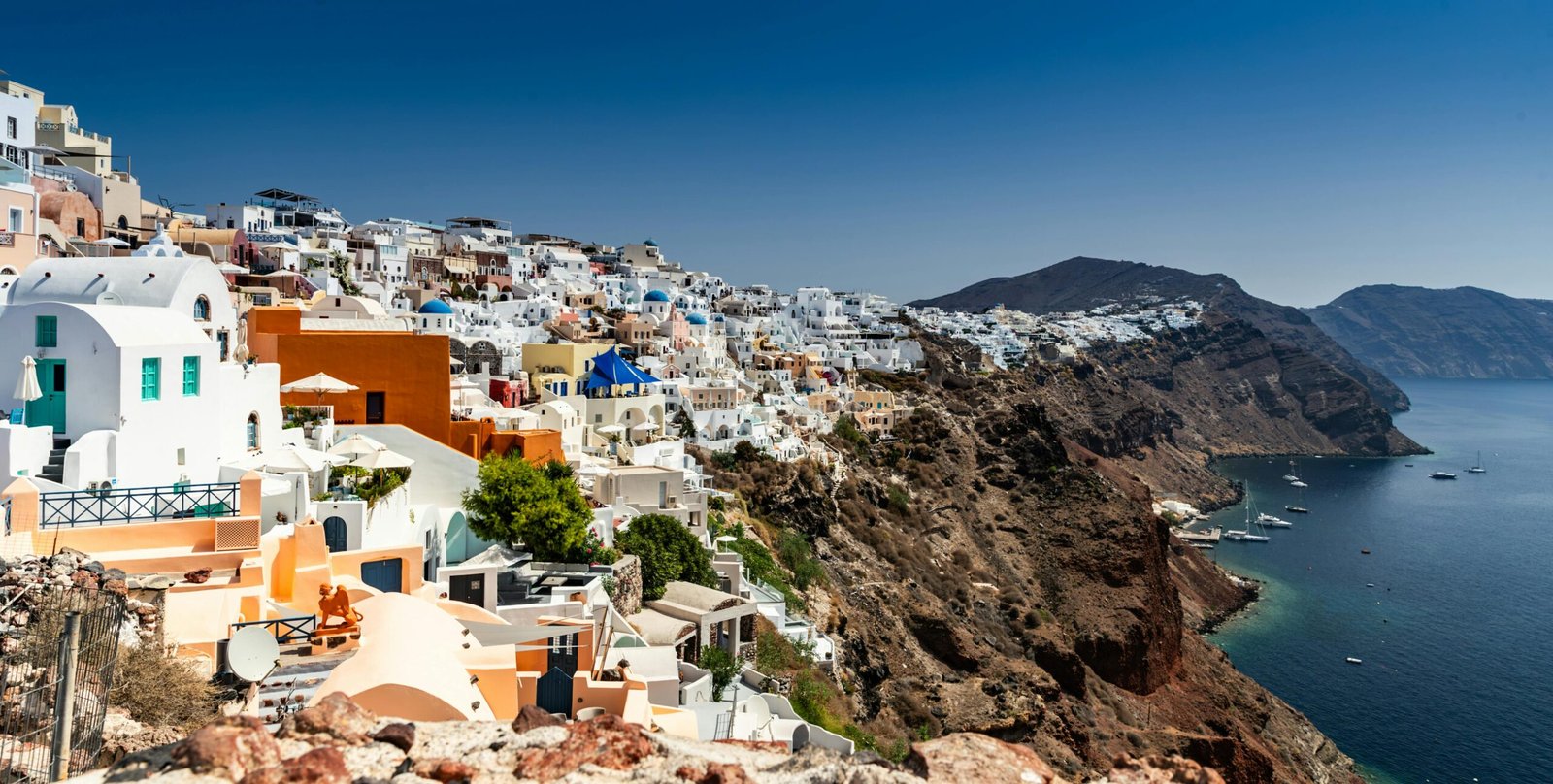
Why Most First-Timers to Santorini Leave Slightly Disappointed
The core problem is not that Santorini fails to deliver. It is that many first-timers arrive with a fantasy of ease, space, and exclusivity, then meet an island that is heavily visited, tightly packed, and built around short, high-intensity consumption. Why Most First-Timers to Santorini Leave Slightly Disappointed is really a story about expectation management, not quality.
The expectation gap is emotional, not just visual
People do not usually choose Santorini because they want an island. They choose it because they want a benchmark experience: the trip that finally feels like the Greece they have seen online for years. That creates a lot of emotional weight before they even arrive.
Once you understand that, the disappointment makes sense. The island is often judged against a private internal movie, not against what it actually is: a dramatic, expensive, crowded destination with very little tolerance for spontaneity in peak months.
Why Most First-Timers to Santorini Leave Slightly Disappointed is often less about the island itself and more about the collapse of that internal movie. The traveler expected relief, beauty, and control; what they get is friction, queues, heat, and constant competition for the same viewpoints.
Why travelers make this choice anyway
There is a status element here that people rarely admit out loud. Santorini signals that you have “done Greece properly,” so first-timers often feel pressure to include it even when their own travel style points elsewhere. That pressure is powerful, especially for honeymooners and once-a-year vacationers who want the trip to feel definitive.
There is also a fear of missing out. Many travelers worry that skipping Santorini means skipping the version of Greece everyone else recognizes, so they force it into the trip even when they prefer quieter places. That is how an island becomes a box to tick instead of a destination to understand.
Greece rewards travelers who arrive with a plan, and Santorini punishes those who arrive with a fantasy. That is not a moral statement. It is a practical one, and Why Most First-Timers to Santorini Leave Slightly Disappointed is often the result of ignoring it.
The moment disappointment usually hits
It usually hits when the visitor realizes the island does not give them much room to relax into it. The first real shock is rarely the view; it is the crowd density, the pace, and the sense that every desirable place is being actively consumed by other people at the same time.
For many, the second shock comes at sunset, when they discover that the famous experience is not a private reward but a managed event shared with everyone else who had the same idea. That is the moment the image breaks. The traveler stops feeling like they are in a special place and starts feeling like they are in a very expensive queue.
This is the part people underestimate: disappointment is often triggered by logistics of emotion, not logistics of transport. They expected a slow release of stress. Instead they get a constant need to negotiate space, timing, and attention.
What peak season does to Santorini
Peak season does not just make Santorini busier. It changes the emotional tone of the island. The place becomes more performative, more expensive, and less forgiving of indecision, which is a bad combination for travelers who were hoping to “just figure it out when they get there.”
The island still looks like Santorini, but the lived experience becomes narrower. Restaurants book out, the most photographed areas feel processed, and even small decisions carry more weight because the margin for error shrinks so much.
Here is the counterintuitive part: many first-timers are not disappointed because Santorini is overrated. They are disappointed because it is exactly as famous as they expected, and fame is exhausting in real life. The more a place is built up in advance, the more ordinary inconveniences feel like betrayal.
Who is most prone to this pattern
Romantic travelers are especially vulnerable, which is ironic because they are often the ones most determined to go. They are not just booking a destination; they are booking a milestone, so any friction feels personal. When the island is crowded or expensive, they do not experience that as a minor inconvenience. They experience it as the trip failing to match the meaning they attached to it.
First-time Greece visitors are another high-risk group, especially if Santorini is their entire reference point for the country. They can end up treating it as representative of Greece, which is a mistake. If you want a broader sense of the country’s cultural depth, the Acropolis Museum is a useful reminder that Greece is not one visual template repeated across islands.
There is also a very specific traveler type that struggles here: the person who likes beautiful places but dislikes being managed. Santorini is not a casual, low-friction destination in peak season. If you resent paying premium prices for constrained access, you will feel that resentment quickly.
What people misunderstand about the island’s appeal
Many visitors think Santorini’s appeal is primarily visual. That is only partly true. Its real appeal is symbolic: it represents an image of Greece that is instantly legible, highly shareable, and easy to sell to yourself and to other people.
That is why Why Most First-Timers to Santorini Leave Slightly Disappointed keeps repeating itself. The island delivers the symbol very well, but symbols are thin when you try to live inside them for more than a few hours. Once the novelty fades, the traveler has to deal with the actual island underneath the image.
If you want a broader sense of what Greece offers beyond the headline destinations, the national tourism site at
Visit Greece is a better starting point than social media feeds. It will not solve the disappointment problem by itself, but it does help reset the frame before you commit to the wrong version of the trip.
A better way to approach Santorini
The right way to approach Santorini is to treat it as a high-demand destination with a narrow set of strengths. It is strong on drama, views, and short-stay impact. It is weak on ease, privacy, and the feeling of discovering something at your own pace.
That means the planning question should not be, “How do I make Santorini fit my dream?” It should be, “Am I actually the kind of traveler who enjoys a place this concentrated?” If the honest answer is no, forcing it into the itinerary will usually create the exact disappointment you were trying to avoid.
Why Most First-Timers to Santorini Leave Slightly Disappointed is not a warning to avoid the island altogether. It is a warning to stop mistaking intensity for comfort and fame for fit. Once you make that distinction, you can decide whether Santorini belongs in your trip for the right reasons.
Recognizing the pattern is the first step. The second is building a trip around how you actually travel — not the traveler you imagine yourself to be. Most great Greece experiences start with that honesty.
Frequently asked questions
Why do first-time visitors to Santorini often feel let down?
Because they arrive expecting a calm, effortless version of the island they have seen online. In peak season, Santorini is crowded, expensive, and tightly managed, so the real experience feels less private and less relaxed than the image they brought with them.
Is Santorini actually disappointing, or is the expectation the problem?
Usually the expectation is the problem. Santorini is a strong destination for people who understand what it is: compact, high-demand, and best approached with realistic expectations. The disappointment usually comes from treating it like a quiet escape.
What is the biggest mistake first-timers make with Santorini?
They assume the island will feel easy. That assumption creates problems fast, because peak-season Santorini rewards advance thinking and punishes casual planning. The result is stress around timing, crowding, and cost.
Who tends to enjoy Santorini most?
Travelers who like concentrated experiences, do not mind premium pricing, and are comfortable sharing popular places with many other visitors. Honeymooners and short-stay travelers often do well if they know what they are signing up for.
Who is most likely to be disappointed by Santorini?
People who value space, spontaneity, and low-friction travel. First-time Greece visitors can also be disappointed if they treat Santorini as representative of the entire country, which it is not.
How should I think about Santorini if I still want to go?
Treat it as a specific kind of destination, not the default Greece experience. Go with the understanding that it is famous, busy, and expensive, then decide whether that trade-off fits the trip you actually want.