

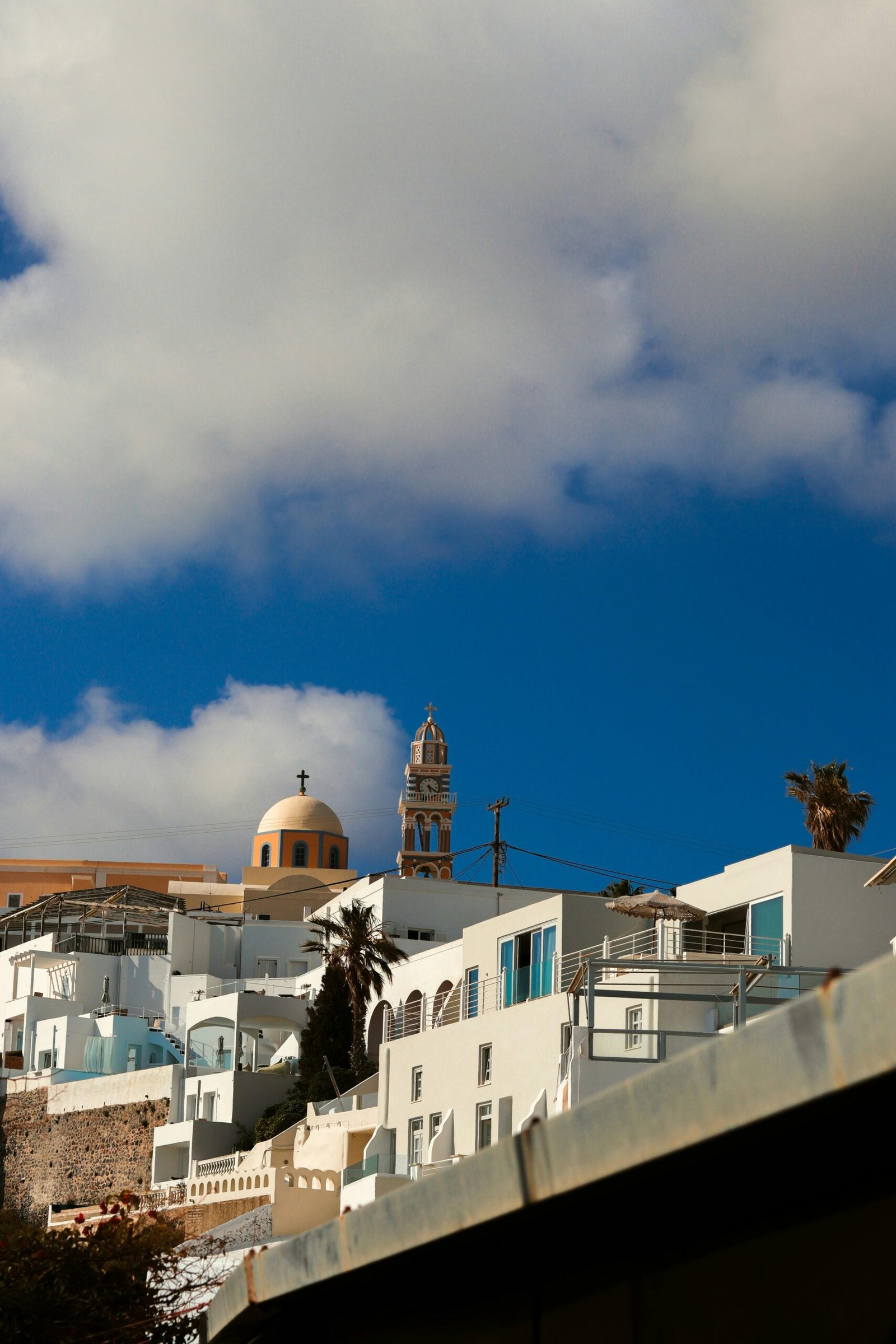
Why Santorini Is Harder to Plan Than People Expect is simple to explain and easy to get wrong: the island looks compact, but the experience changes sharply by area, season, and pace. A lot of travelers assume any view is a good view and any hotel in the caldera is the right hotel. That mistake gets expensive fast.
The real problem is not whether Santorini is worth visiting. It is whether you want the version of Santorini you think you want, or the version the island actually delivers in your travel month, budget, and tolerance for crowds. Those are not the same thing.
Why Santorini Is Harder to Plan Than People Expect
Santorini is not a difficult island in the abstract. It is difficult because travelers treat it like a single product when it is really a set of very different experiences, many of which do not suit the same person. Why Santorini Is Harder to Plan Than People Expect is not a marketing line; it is the practical reality behind nearly every bad booking I see.
Why Santorini Is Harder to Plan Than People Expect: the real issue is fit
People usually start with the view and work backward. That is the wrong order. The caldera-facing side, the quieter inland villages, the black-sand beach side, and the cliff-edge towns are not interchangeable, and they do not produce the same trip.
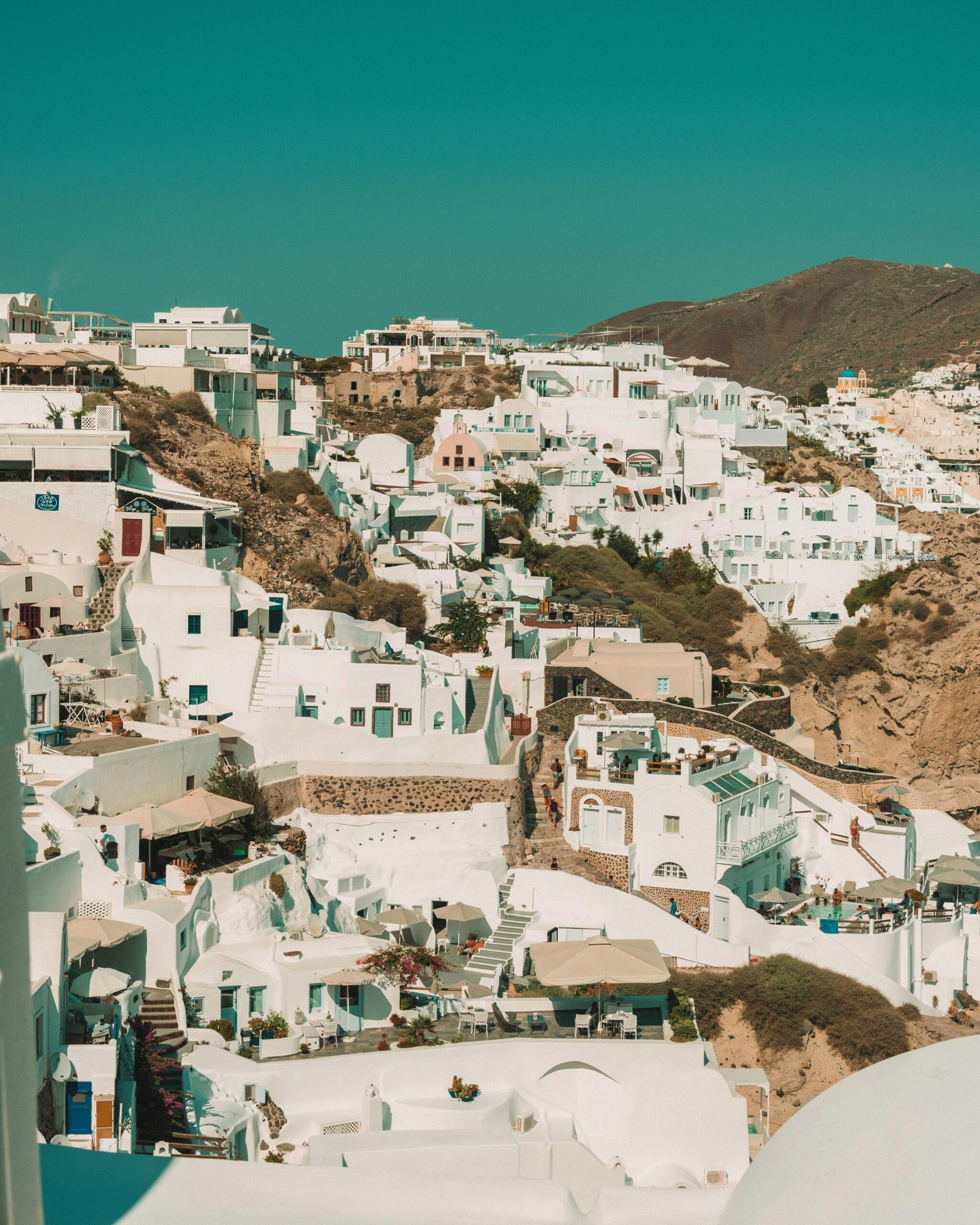
If you want privacy, space, and a calmer pace, certain parts of Oia and Imerovigli can work well, but you will pay for the privilege and you need to accept that you are buying scenery first. If you want easier access to restaurants, a more social feel, and less pressure on your budget, Fira is the more practical base. Firostefani sits between those two in a way that sounds ideal and often is, but it still comes with the same cliffside trade-offs.
What travelers consistently get wrong
The first mistake is assuming the whole island feels the same. It does not. Oia is not Fira, Fira is not Pyrgos, and Pyrgos is not the beach side around Kamari or Perissa. Each one serves a different type of traveler, and choosing the wrong one means you spend the trip compensating for a bad base.
The second mistake is underestimating how much season changes the island. In peak months, places that look serene online can feel crowded and operationally strained. In shoulder season, some travelers love the breathing room, while others are surprised by reduced energy, fewer open venues, and a more subdued atmosphere than they expected. This is one reason Why Santorini Is Harder to Plan Than People Expect keeps coming up in serious trip design.
Another common error is overpaying for a caldera hotel when the traveler actually wants convenience and comfort more than drama. I see this constantly: people spend for a view they admire for two minutes, then complain about access, steps, noise, or being far from the kind of dining they wanted. That is not a luxury decision; it is a mismatch.
The places that matter, and what each one really gives you
Oia is the obvious choice for first-timers, and it is also the easiest place to get wrong. It gives you the most recognizable views and the highest concentration of demand, but it also brings the most pressure, the least margin for error, and the biggest premium for mediocre space. If you want calm, Oia is usually not the answer.
Fira is the most practical center of gravity for travelers who want activity, dining, and a less precious atmosphere. It gives you more flexibility and usually better value, but you give up some of the polished, postcard-facing feel that drives Santorini’s reputation. For many travelers, that is the smarter trade.
Firostefani works for people who want caldera character without being dropped into the thickest part of the action. It is often underestimated because it lacks Oia’s name recognition, yet that is exactly why some travelers like it. You still need to know what you are buying, because “quieter than Oia” does not mean “quiet.”
Imerovigli suits travelers who want a more refined, less chaotic cliffside stay. It is one of the better choices for couples who value views and privacy more than nightlife. The trade-off is that it can feel too removed for people who want to wander into a lively center every evening.
Pyrgos is the choice people discover late, often after realizing they do not actually need to stare at the caldera all day. It gives you a more grounded village feel and a better sense of local rhythm, but you sacrifice the classic cliff-edge drama. That is a good trade for some travelers and the wrong one for others.
Kamari and Perissa are for travelers who care more about easygoing beach time, room to breathe, and less financial pain. They are not the Santorini most people picture, and that is the point. If someone wants a beach-oriented stay without paying caldera rates, these areas deserve more respect than they usually get.
The counterintuitive part most people miss
The surprising truth is that the most expensive option is not always the safest choice. In Santorini, a high-price caldera room can be a poor purchase if it leaves you isolated, overcommitted to the view, and frustrated by the practical side of the stay. I have seen travelers spend more and enjoy less because they bought the image instead of the experience.
That is why Why Santorini Is Harder to Plan Than People Expect is really about restraint. The island rewards people who know what they are giving up, not just what they are getting. A smaller room in a better location can produce a better trip than a dramatic suite in the wrong part of the island.
Who this suits
Santorini suits couples, design-conscious travelers, honeymooners, and repeat Greece visitors who already know they are paying for atmosphere and are comfortable with that. It also suits travelers who want a short, polished stay and are willing to accept that the island is curated and busy in the places everyone wants to see.
It does not suit travelers who want a relaxed, low-friction island holiday with plenty of space and no premium attached to every decision. It is also a weak fit for families who need easy movement, travelers chasing nightlife as a primary goal, and anyone who gets irritated when a destination feels managed rather than casual. If you want a place that behaves like a simple beach island, Santorini will annoy you.
Planning consequences people ignore until it is too late
When travelers ignore the location question, the usual consequence is not a ruined trip; it is a trip full of small frustrations that add up. They overbook the wrong area, spend too much for a view they barely use, and then realize the island’s best parts are not aligned with how they actually like to travel. That is how a supposedly special stay becomes expensive and oddly inconvenient.
There is another consequence too: sequencing mistakes. Santorini is often used as a final stop because people assume it is the easiest place to end on a high note, but that can backfire if they are already tired, overbudget, or expecting a relaxed wind-down. Why Santorini Is Harder to Plan Than People Expect is partly about knowing when the island should come in a trip and when it should not.
What you gain, and what you give up
If you plan Santorini well, you gain a highly specific kind of trip: strong views, a polished stay, and a sense that every decision was intentional. That can be excellent for a short, focused visit. It can also be the most memorable part of a Greece trip if the rest of the itinerary is built around it sensibly.
What you give up is flexibility. Santorini is not forgiving of vague expectations, and it is not the place to improvise your way into the right experience. The island charges a premium for certainty, and if you do not know what certainty you want, you will pay for the wrong version of it.
For travelers comparing Santorini with other Greek destinations, the smart move is to stop thinking in generalities and start thinking in fit. If you want to see the broader context of Greek destinations and how they differ, the official national tourism site at
Visit Greece is a useful starting point, but it will not make the key judgment calls for you.
My position is straightforward: Santorini is worth booking only when the base, the season, and the pace are chosen with intent. Otherwise, you are just paying more to feel slightly more stressed in a prettier setting. That is the core of Why Santorini Is Harder to Plan Than People Expect, and it is why serious planning matters here more than almost anywhere else in Greece.
For travelers who want the island done properly, the difference is not subtle. The right area changes the whole trip, and the wrong one can make even a luxury stay feel oddly inefficient. Most Greece trips follow the same tired script. The ones that don’t — the ones travelers still talk about years later — were built around a real understanding of how this country works. That kind of understanding takes time, or it takes someone who already has it.
For cultural context and official updates that can affect planning, the Greek Ministry of Culture keeps a useful public reference at the Ministry of Culture. That is not a substitute for destination judgment, but it is the right place to check when you want facts rather than assumptions.
Recommended experiences
Some experiences mentioned here are curated and managed by Elite Greece Travels.
- Athens Milos Santorini Itinerary 9 Days — Itinerary (managed by Elite Greece Travels).
- Greece 7 Day Itinerary Athens Delphi Meteora Santorini — Itinerary (managed by Elite Greece Travels).
- Santorini Sunset Cruise With Dinner In The Caldera — Cruise (managed by Elite Greece Travels).
Frequently asked questions
Why is Santorini harder to plan than other Greek islands?
Because the island is small but not uniform. Different areas serve very different traveler types, and the season changes the feel more than people expect. A bad match between base, budget, and pace is the most common planning problem.
Which area of Santorini is best for first-time visitors?
For many first-timers, Fira is the most practical base because it offers more flexibility and easier access to dining and services. Oia is the famous choice, but it is also the easiest place to overspend and overcomplicate the trip.
Is a caldera hotel always worth it?
No. A caldera hotel is worth it only if the traveler genuinely values the view and accepts the trade-offs in price, access, and sometimes convenience. Many people buy the view and then realize they wanted comfort and ease more than scenery.
What do travelers most often get wrong about Santorini?
They assume the island is one experience and that any famous area will do. They also underestimate how much season affects crowding, availability, and the overall mood of the island.
Is Santorini a good choice for families?
It can work for some families, but it is not the easiest Greek island for that purpose. The cliffside areas can be inconvenient, and the island’s premium pricing makes it a poor fit for travelers who need space and practicality.
When should Santorini be placed in a Greece trip?
It should be placed deliberately, not by habit. For some trips it works best as a short, focused stop; for others it is better avoided if the traveler is already tired, budget-sensitive, or looking for a lower-friction island stay.