

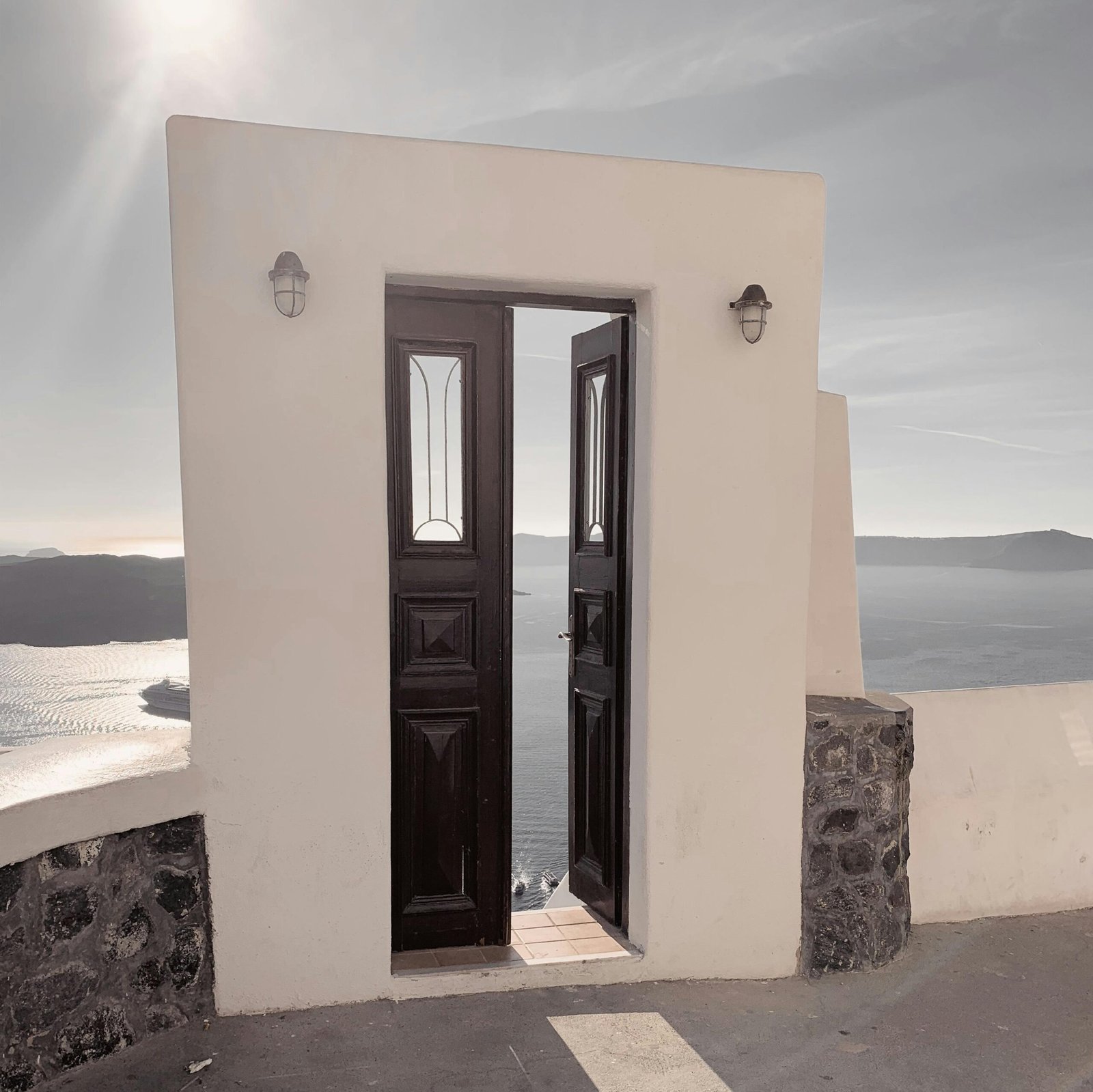
Why Most First-Timers to Santorini Leave Slightly Disappointed usually comes down to one thing: people arrive expecting a place to perform the way it looks online. They are not wrong to want beauty, but they are often unprepared for how crowded, compressed, and managed that beauty feels in peak season.
The mistake is psychological before it is practical. Travelers do not just choose Santorini for a holiday; they choose it to satisfy a picture they already have in their heads, and that picture is usually too clean, too quiet, and too easy.
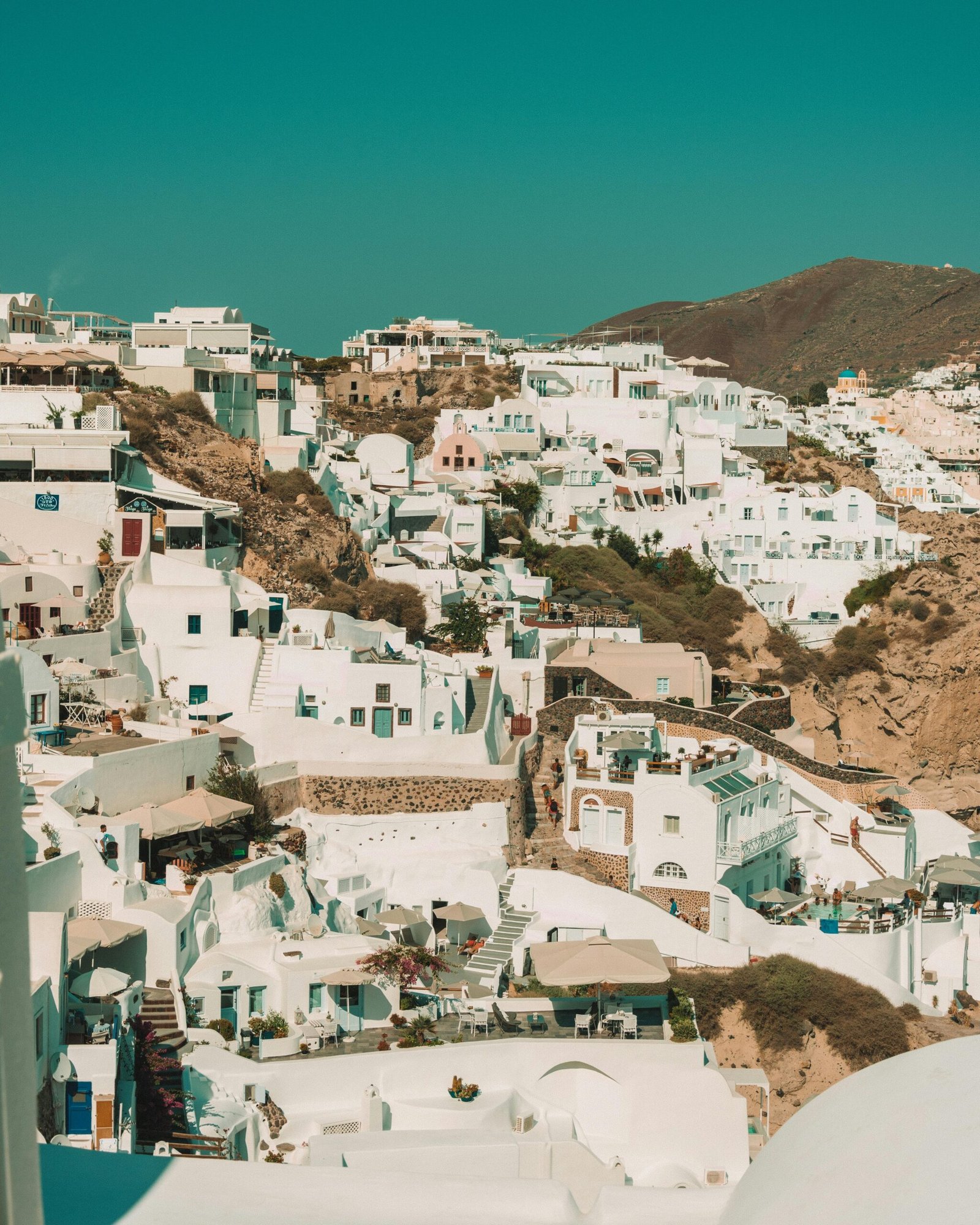
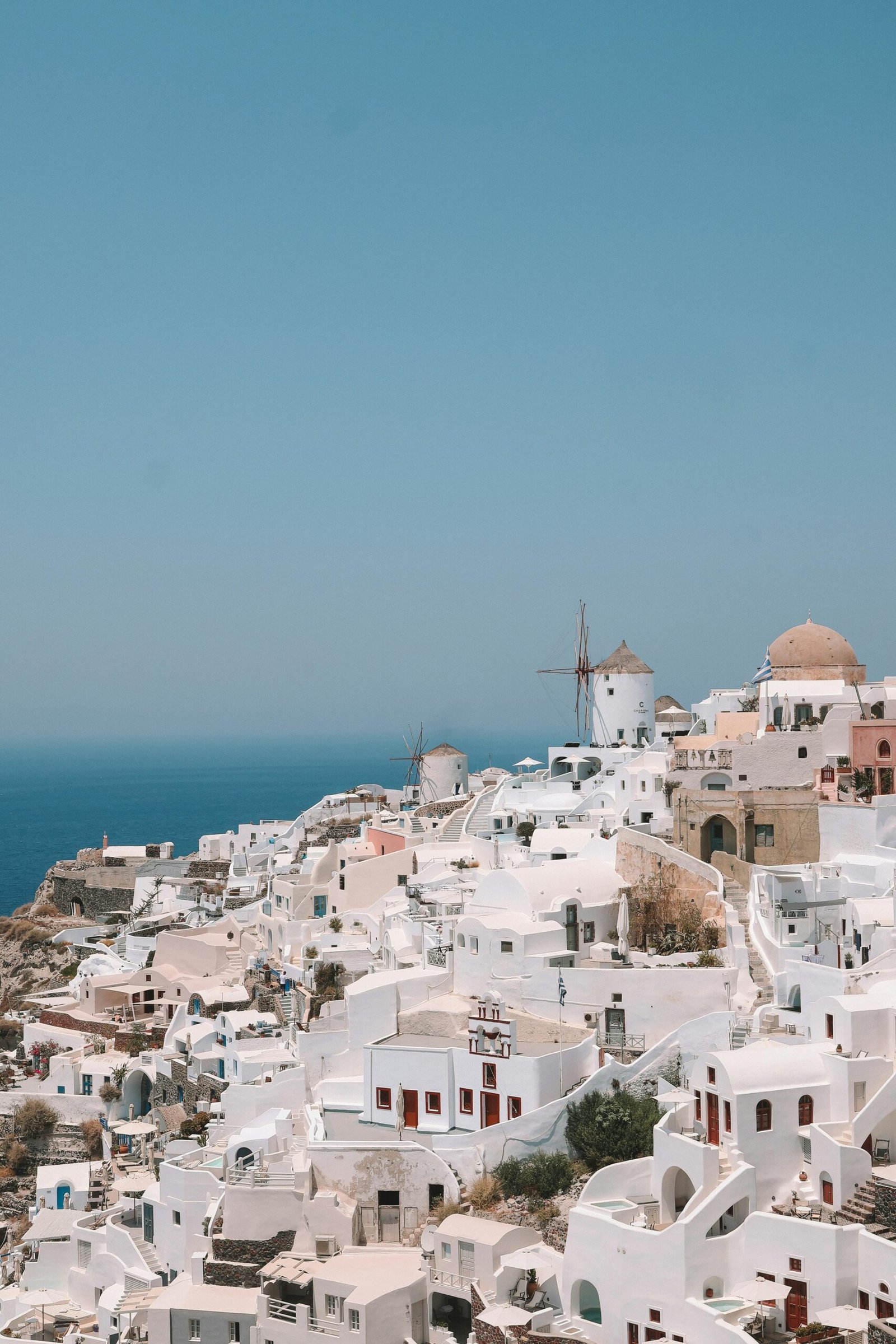
Why Most First-Timers to Santorini Leave Slightly Disappointed
That disappointment is usually mild, not dramatic. People still enjoy the island, but they feel a small, persistent mismatch between what they thought they were buying and what the place actually delivers in high season. That mismatch is the real story behind Why Most First-Timers to Santorini Leave Slightly Disappointed.
The fantasy is not the island — it is control
First-timers do not just want a pretty view. They want certainty: the right room, the right sunset, the right photo, the right mood, all with minimal friction. Santorini sells that fantasy extremely well because it has a visual brand stronger than almost any other Greek island.
The problem is that a brand is not a lived experience. In peak season, the island feels heavily curated, heavily priced, and heavily shared with everyone else who had the same idea. That is why Why Most First-Timers to Santorini Leave Slightly Disappointed is less about the island failing and more about the traveler discovering they were chasing a feeling of control that Santorini cannot consistently provide.
Why Most First-Timers to Santorini Leave Slightly Disappointed in peak season
Peak season changes the emotional math. Travelers expect to feel relaxed the moment they arrive, but what they often feel first is compression: crowded viewpoints, booked-out restaurants, slow service, and the constant sense that every good angle has already been claimed. Santorini is not subtle about demand; it makes you feel it immediately.
This is where the disappointment usually hits: the first sunset scramble. People imagine a calm, elevated experience and instead find themselves negotiating space, timing, and noise with hundreds of strangers. That is the point where Why Most First-Timers to Santorini Leave Slightly Disappointed stops being a phrase and becomes a lived reaction.
The emotional gap: what travelers imagine vs what they actually feel
Before the trip, Santorini feels like a reward. It is treated as a milestone destination, the kind of place you save for, so expectations naturally rise. Travelers assume a place that expensive and famous must feel exclusive in a satisfying way.
What they often feel instead is mild pressure. They start watching the clock, watching the crowd, watching the bill, and watching whether the experience matches the image they paid for. That constant self-monitoring is exhausting, and it is one of the main reasons Why Most First-Timers to Santorini Leave Slightly Disappointed keeps repeating across seasons.
The specific moment when disappointment usually lands
It rarely happens at check-in. It usually happens when the traveler realizes the island is asking for more patience than they expected. A long wait, a crowded terrace, a noisy lane, or a sunset that feels more like a public event than a private moment can puncture the fantasy fast.
Here is the counterintuitive part: many travelers are not disappointed because Santorini is less beautiful than expected. They are disappointed because it is exactly as beautiful as expected, but that beauty is packaged inside a highly managed, high-friction environment. The image was not false; the assumption that beauty alone would carry the experience was false.
Who is most prone to this pattern
Certain traveler types are much more exposed to this letdown. The first is the milestone celebrator: honeymooners, anniversary travelers, and anyone treating Santorini as a once-in-a-lifetime reward. The second is the social-media traveler, who has already seen the island through a narrow visual filter and expects real life to look the same.
- Milestone travelers who want the trip to feel emotionally perfect.
- First-time Greece visitors who assume the most famous island is the safest choice.
- Short-stay travelers who need the island to deliver immediately.
- Travelers who dislike crowds but still choose the busiest place in the Cyclades.
These groups are not naive. They are just more vulnerable to disappointment because they are arriving with a story already written. When the island refuses to match the story, they feel they made a bad choice, even when the actual mistake was choosing a destination for symbolism instead of fit.
The wrong assumption that creates the real problem
The most common bad assumption is that famous automatically means easy. It does not. Santorini is famous because it is visually distinctive, not because it is the most relaxing or forgiving Greek island for a first trip.
That assumption creates planning problems fast: too little time, too much pressure to “do it all,” and too much money spent on the wrong kind of stay. Greece rewards travelers who arrive with a plan, but Santorini punishes travelers who arrive with a fantasy. If you want the island to feel worth it, you need to know what kind of experience you are actually buying.
What a better approach looks like
The better way to approach Santorini is to stop asking it to validate the image in your head. Ask instead whether you want a visually intense, high-demand destination that will require patience and a thicker skin in exchange for memorable views and a strong sense of place.
That shift sounds small, but it changes everything. You stop trying to force the island into being calm, private, or effortless, and you start judging it on what it really is: a famous, expensive, heavily visited island that can still be worth visiting if you accept the trade-offs early.
If you want a broader sense of how Greece presents itself versus how it actually works on the ground, start with the official tourism baseline at
Visit Greece. It will not solve the psychology, but it helps reset expectations before the trip gets too expensive to reinterpret.
Reframing Santorini before you book
The healthiest question is not, “Will Santorini be amazing?” That question is too vague and too emotional. The better question is, “What am I expecting this island to do for me, and is that a fair job description?”
Once travelers answer that honestly, the disappointment usually softens. Some realize Santorini is exactly the wrong fit for their first Greece trip. Others realize they still want it, but for clearer reasons and with fewer emotional demands attached. For travelers who want to understand the country beyond one famous island, the cultural context matters too; the broader Greek setting is worth reading through the Ministry of Culture before reducing the trip to a single sunset.
Conclusion
Why Most First-Timers to Santorini Leave Slightly Disappointed is not a warning against going. It is a warning against confusing recognition with readiness. Santorini is easiest to enjoy when you stop asking it to be a private fantasy and start seeing it as a high-demand, high-visibility destination with real trade-offs.
Greece doesn’t punish inexperience. It punishes unexamined assumptions. The travelers who leave disappointed rarely lacked information — they lacked a framework for using it.
Frequently asked questions
Why do first-time visitors expect Santorini to feel more relaxed than it does?
Because Santorini is marketed through calm, polished images, but peak-season reality is crowded and highly managed. Travelers often mistake visual beauty for emotional ease.
Is Santorini actually disappointing, or are expectations just too high?
For many first-timers, expectations are too high and too specific. The island is beautiful, but it does not reliably deliver privacy, quiet, or low-friction movement in high season.
What is the most common emotional mistake people make before visiting Santorini?
They treat the trip like a reward that should feel effortless. That mindset makes every delay, crowd, or extra cost feel like a personal failure of the destination.
Who is most likely to leave Santorini disappointed?
Milestone travelers, social-media-driven travelers, and people who dislike crowds but still choose the busiest parts of the island are most vulnerable to disappointment.
When does disappointment usually set in?
Usually on the first crowded sunset or when the traveler realizes the island feels more public and managed than private and relaxed.
How should a first-timer think about Santorini differently?
Treat it as a famous, high-demand island with real trade-offs, not as a guaranteed emotional payoff. That framing leads to better decisions about timing, budget, and expectations.