

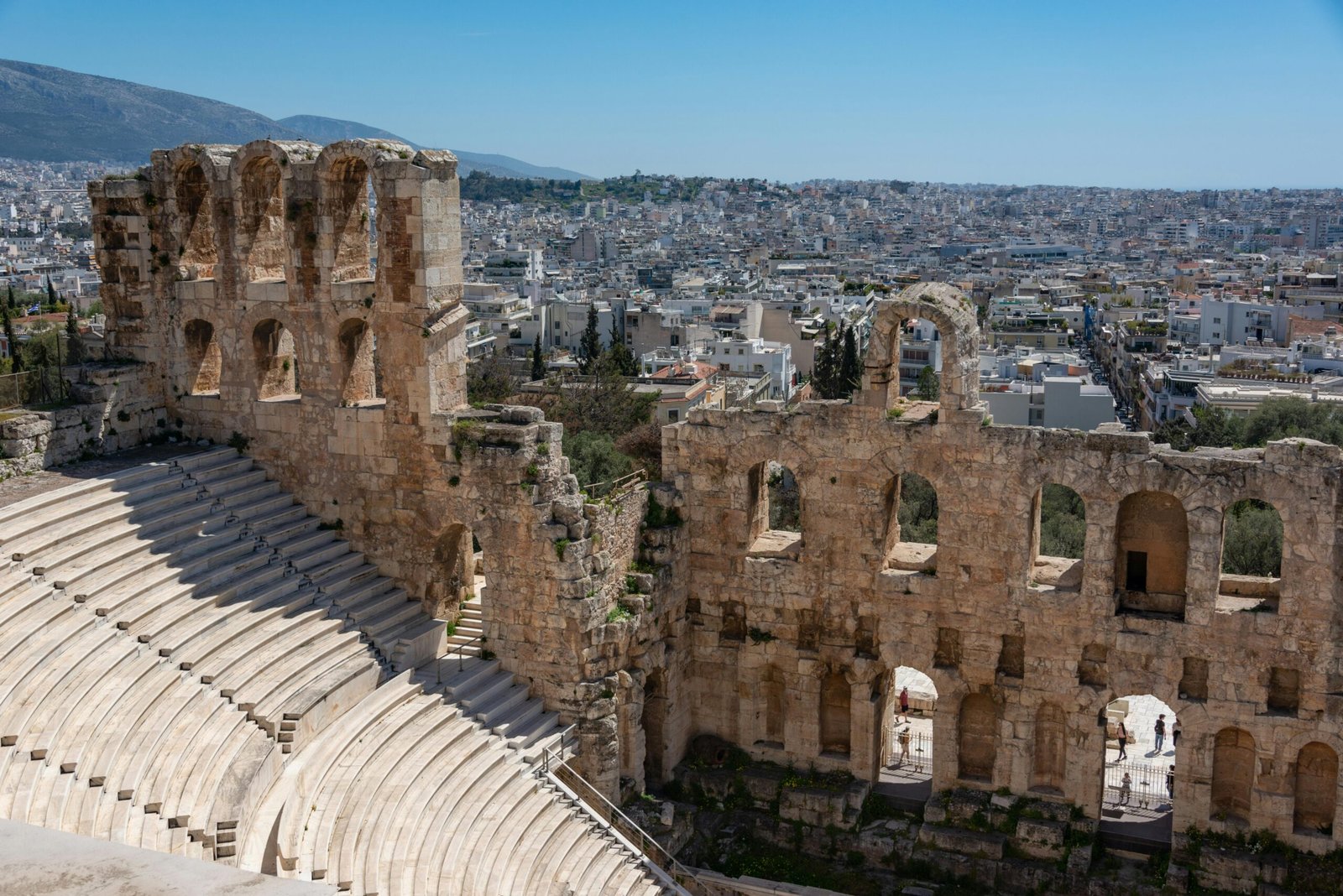
Athens Is Not a Stopover City If You Actually Want Greece to Make Sense. If you treat it like a place to kill time before the islands, you miss the part that explains the rest of the country: the layers, the pace, the contradictions, and the way Greeks actually live in a capital that still functions as a capital.
The mistake is not just rushing the city. It is assuming Athens is only about the Acropolis, when the real value is in how its neighborhoods, museums, and daily rhythm change your understanding of everything that comes after it. Athens Is Not a Stopover City If You Actually Want Greece to Make Sense, and that is not a romantic claim — it is a planning fact.

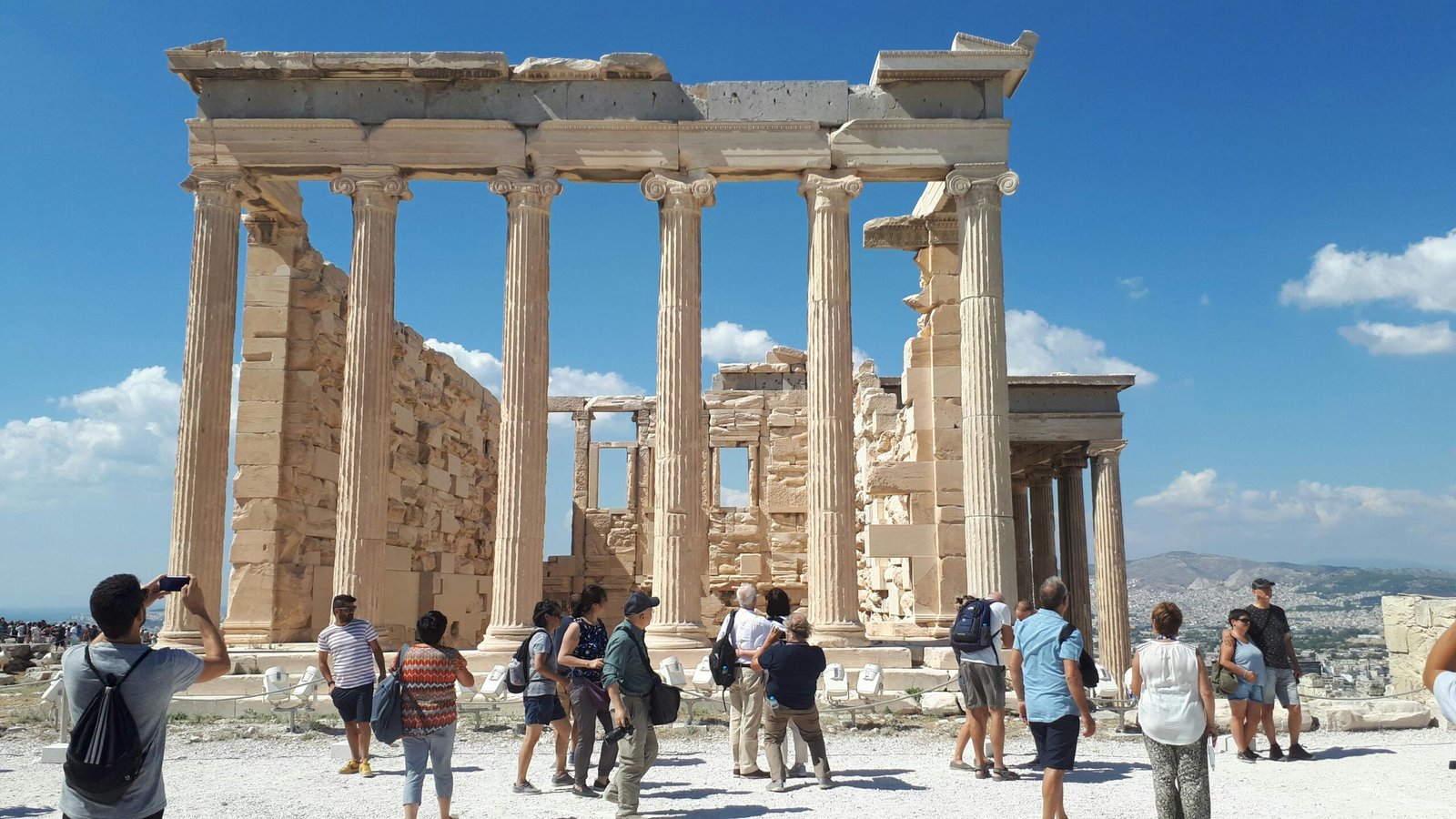
Athens Is Not a Stopover City If You Actually Want Greece to Make Sense
My position is simple: if you give Athens one rushed night, you are choosing a thinner Greece. The city is not a decorative prelude to the islands; it is the place where the country’s history, politics, class divide, and modern habits are most visible in one place. Athens Is Not a Stopover City If You Actually Want Greece to Make Sense, and travelers who ignore that usually end up with a trip that feels disconnected.
The city also exposes a common planning flaw: people build a Greece trip around scenery and forget context. That is why they leave Athens saying they “did the basics,” while still not understanding why the rest of the country feels the way it does. If you want a trip with depth, Athens has to be treated as part of the argument, not a footnote.
What travelers consistently get wrong in Athens
The first mistake is assuming the center is interchangeable. It is not. Syntagma, Monastiraki, Plaka, Koukaki, Psyrri, and Kolonaki each serve a different kind of traveler, and choosing badly changes the whole experience. Stay in the wrong pocket and you will spend your time compensating for noise, tourist density, or dead evenings instead of actually enjoying the city.
The second mistake is overcommitting to monuments and underestimating the city around them. The Acropolis matters, but so do the streets below it, the museum context, and the neighborhoods where Athenians actually spend time. If you only collect famous sites, Athens feels efficient but flat.
Athens Is Not a Stopover City If You Actually Want Greece to Make Sense because the city punishes shallow planning. People who rush it often make the same practical error: they book accommodation for convenience instead of for how they want the city to feel after dark. That is how a trip becomes more tiring than it should be.
The neighborhoods that tell you more than the landmarks
Plaka is useful, but only if you understand what it is: a highly managed historic zone, not a full picture of Athens. It works for first-time visitors who want easy orientation, but it can feel overly packaged if you stay too long. Koukaki is more grounded and usually a better fit for travelers who want to walk, eat well, and avoid the most obvious tourist drag.
Monastiraki is where many travelers start and where many make their first wrong assumption. It is energetic and practical, but it is not where you go for a calm Athens experience. Psyrri has more edge and more late-night life, while Kolonaki is cleaner, more polished, and better for travelers who prefer order over atmosphere.
Syntagma is the city’s formal center, which matters more than people think. It gives you a sense of Athens as a working capital, not just a heritage site. That distinction is exactly why Athens Is Not a Stopover City If You Actually Want Greece to Make Sense.
What Athens gives you — and what you give up
You gain context, better trip rhythm, and a more intelligent transition into the islands or mainland. You also gain a better read on Greek food, urban life, and the difference between a place built for visitors and a place built for residents. For many travelers, that is the part of the trip that makes everything else land properly.
You give up the illusion of simplicity. Athens asks for more attention than a quick box-ticking stop, and that can feel inconvenient if your priority is only beaches or a fast island circuit. But the trade-off is worth it because a Greece trip without Athens often feels like you skipped the introduction and then wondered why the rest of the story felt incomplete.
One practical consequence of ignoring this: travelers often place Athens at the wrong point in the trip and then complain that the city feels like a chore. That usually happens when they arrive exhausted, stay in the wrong area, and expect the city to perform on arrival. Athens is better when it is used deliberately, not as a recovery room.
A counterintuitive truth about Athens
The surprising thing is that Athens often works better for travelers who are not obsessed with ancient history. People assume the city is only for archaeology fans, but the real value is broader: it gives structure to a Greece trip. If you care about food, neighborhoods, contemporary culture, and understanding how Greeks actually move through daily life, Athens can be more useful than another island night.
That is why Athens Is Not a Stopover City If You Actually Want Greece to Make Sense is not a slogan; it is a warning against lazy sequencing. The city is not trying to compete with the islands. It is doing a different job, and that job matters if you want the rest of the country to feel coherent.
Who this suits
Athens suits travelers who want more than scenery: first-timers who care about context, repeat visitors who want to understand the country better, food-focused travelers, and anyone building a Greece trip around culture rather than just beaches. It also suits people who are comfortable in a real city, with all the noise, density, and friction that comes with that.
- Best fit: culturally curious travelers, couples, independent planners, and people who like walking neighborhoods.
- Best fit: travelers who want museums and urban life to shape the rest of the trip.
- Poor fit: travelers who want a resort feel, minimal decision-making, or a quiet base with no city energy.
- Poor fit: people who dislike heat, traffic, and the occasional rough edge of a working capital.
If you are the kind of traveler who wants Greece to feel legible, Athens is essential. If you want a polished, frictionless holiday, Athens may still be worth it — but only if you accept that it is a city first and a sightseeing checklist second.
How to think about timing without wasting the city
Season matters more in Athens than many travelers expect. In peak summer, the city can feel harder, hotter, and less forgiving, especially if you are trying to do too much in one day. Shoulder season is usually the smarter choice for travelers who want to combine major sites with neighborhood time and still have energy left.
Morning and evening are when Athens makes the most sense. Midday can be punishing, especially if you are trying to force a full sightseeing program into the hottest part of the day. That is another reason Athens Is Not a Stopover City If You Actually Want Greece to Make Sense: the city rewards pacing, not rushing.
For official cultural context and current site information, I always tell travelers to check the Greek Ministry of Culture before they lock in assumptions. It is a small habit that prevents a lot of bad planning.
Why the Acropolis is not the whole point
The Acropolis Museum matters because it gives structure to what you are seeing, not just more objects behind glass. Without that context, many visitors leave with a list of famous names and very little understanding of why the site matters in the broader Greek story. The museum is one of the few places in Athens where the city’s past is presented with enough clarity to change how you read the rest of the trip.
That is also why Athens works best when you stop treating the Acropolis as a standalone event. The surrounding neighborhoods, the museum, and the city’s lived-in center all matter. If you want a more complete read on the capital, the Acropolis Museum is not optional background reading — it is part of the experience.
Athens Is Not a Stopover City If You Actually Want Greece to Make Sense because the city’s value is cumulative. The more you let it connect the dots, the more the rest of Greece stops feeling like disconnected highlights.
In the end, Athens is for travelers who want a trip with structure, not just a list of places. It gives you context, but it asks for attention, and that is the trade-off. Greece rewards travelers who arrive with a plan built around how they actually travel — not a generic template. The difference between a frustrating trip and a remarkable one often comes down to sequence, timing, and knowing which trade-offs matter for your situation.
Recommended experiences
Some experiences mentioned here are curated and managed by Elite Greece Travels.
- Athens Milos Itinerary — Itinerary (managed by Elite Greece Travels).
- Athens Milos Santorini Itinerary 9 Days — Itinerary (managed by Elite Greece Travels).
- Greece 7 Day Itinerary Athens Delphi Meteora Santorini — Itinerary (managed by Elite Greece Travels).
Frequently asked questions
Is Athens worth more than one night?
For most travelers, yes. One rushed night usually produces a shallow experience and a tired start to the rest of the trip. Athens works better when you give it enough time to include both the major sites and at least one neighborhood that feels lived in.
What do travelers usually misunderstand about Athens?
They assume the city is only a pre-island stop and that the Acropolis is the whole story. In practice, Athens is a working capital with distinct neighborhoods, strong food culture, and a lot of context for the rest of Greece.
Which neighborhoods are best for first-time visitors?
Koukaki is often the most balanced choice, with Plaka useful for orientation and Kolonaki better for travelers who want a more polished base. Monastiraki and Psyrri can work, but they are busier and less forgiving if you want quiet evenings.
Is Athens better in summer or shoulder season?
Shoulder season is usually the smarter choice. Summer can be hot and draining, which makes rushed sightseeing feel worse and neighborhood time less enjoyable.
Do you need to be a history lover to enjoy Athens?
No. History helps, but it is not the only reason to stay. Travelers who care about food, urban culture, and understanding modern Greece often get just as much value from the city.
What is the biggest planning mistake people make with Athens?
They treat it like a transit point and book it at the wrong place in the trip. That usually leads to poor energy, weak context, and a city that feels more like a task than part of the experience.