


Athens Before the Islands: The Order That Changes the Whole Trip is not a slogan; it is the difference between a Greece trip that feels stitched together and one that actually makes sense. Start with Athens and you see the country as a working place first, a resort second. Start with the islands and Athens often feels like an afterthought, which is exactly how travelers end up misreading it.
The mistake is treating Athens as a box to tick before the “real” holiday begins. That approach usually leads to poor pacing, weak hotel choices, and a shallow read on the rest of the trip. Athens Before the Islands: The Order That Changes the Whole Trip only works when the city is given enough weight to do its job.
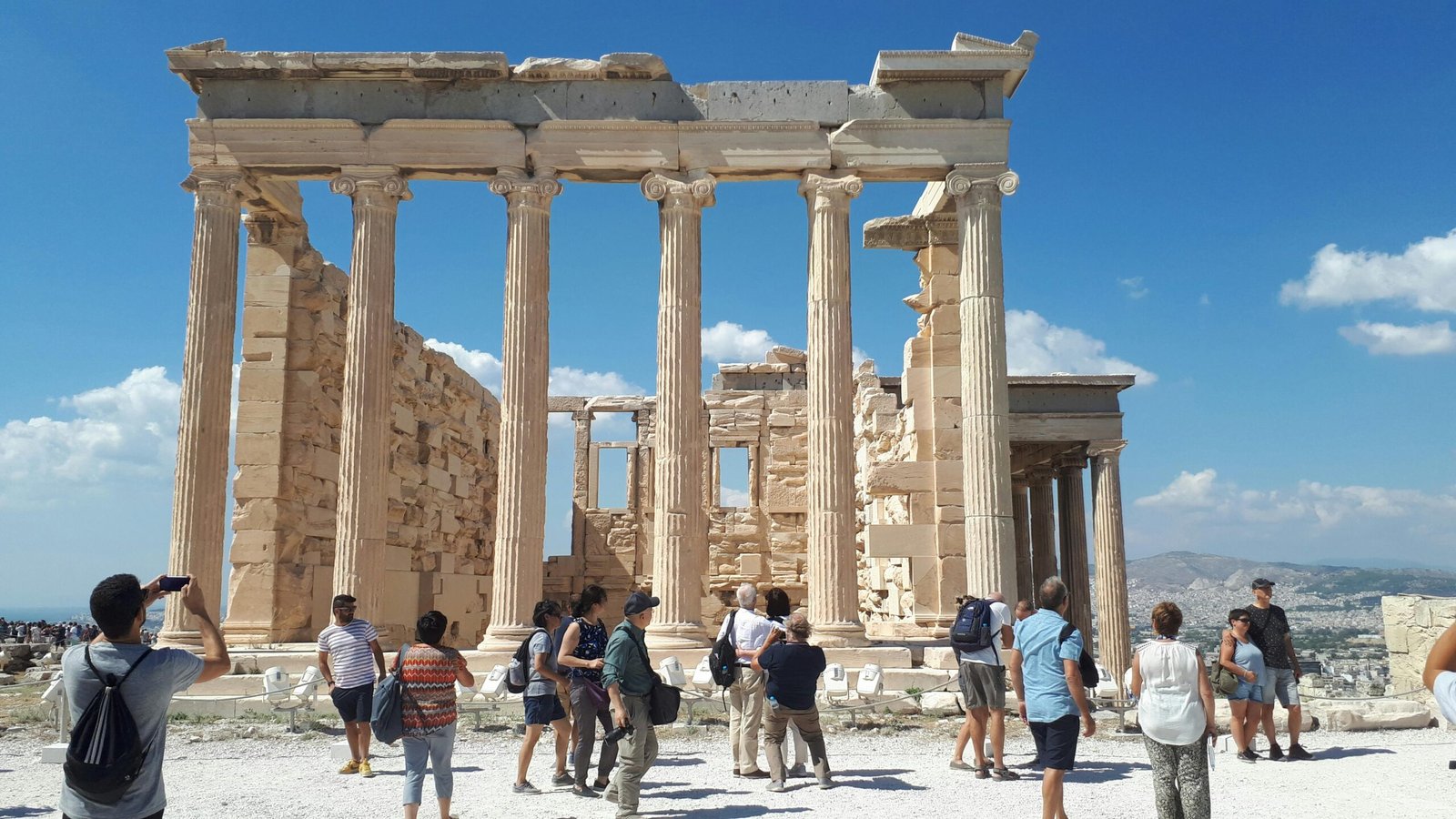

Athens Before the Islands: The Order That Changes the Whole Trip
My position is simple: if you care about understanding Greece, Athens should come first more often than not. Not because it is everyone’s favorite city, and not because it is the easiest place to relax, but because it sets the frame for everything that follows. When travelers do Athens well, the islands feel richer, less generic, and less interchangeable.
Why Athens Before the Islands: The Order That Changes the Whole Trip matters
Athens is where first-time visitors finally realize Greece is not one experience. It is a capital with real neighborhoods, real traffic patterns, real dining habits, and a pace that forces you to stop thinking in postcard mode. That is useful because the islands are easier to appreciate once you have seen the country’s actual center of gravity.
The gain is context. The cost is energy. Athens asks for more attention than most travelers budget for, which means the city either sharpens the trip or exposes sloppy planning very quickly.
Greece rewards travelers who arrive with a plan, and Athens punishes those who treat it like dead time between ferries and beach clubs. The people who get the most from Athens are the ones who accept that it is not trying to be a resort town. It is a capital, and it behaves like one.
What travelers consistently get wrong
The first mistake is choosing the wrong neighborhood and then blaming Athens itself. Staying too far from the center because a hotel looks cheaper on paper is a classic error. Travelers save a little money and lose the one thing Athens needs most: easy access to the parts of the city worth their time.
The second mistake is underestimating how much the city changes by season and by day. In peak summer, Athens can feel harsher and more tiring than people expect, especially if they arrive already drained from a long-haul flight. In shoulder season, it is far more usable, more local, and far better for travelers who want museums, food, and atmosphere without the crush.
A third mistake is assuming Athens is only about the Acropolis. That is tourist thinking, and it produces tourist results. The city’s value is in how it connects ancient sites, modern neighborhoods, food culture, and the lived reality of the capital.
Neighborhoods and places that actually change the experience
Plaka is useful for first-timers who want a straightforward base near the main sights, but it can feel overly packaged if you stay too long. Koukaki is a better fit for travelers who want a more lived-in feel without giving up proximity to the major monuments. Syntagma works for people who want centrality and don’t mind a more formal, businesslike atmosphere.
Kolonaki suits travelers who care about polished restaurants, shopping, and a more upscale city rhythm. Psyrri is for people who want nightlife and a rougher edge, though it is not the best choice for light sleepers. Monastiraki is practical for sightseers, but it is also one of the easiest places to overestimate; the area is busy, not necessarily comfortable.
If you want one place that justifies the city’s place in the trip, the Acropolis Museum should be treated as essential, not optional. It is one of the few Athens experiences that reliably improves the trip for almost every traveler, because it gives structure to everything they are seeing above ground.
- Plaka: best for easy first-timer orientation, weakest for authenticity.
- Koukaki: best balance of access and local feel.
- Syntagma: central, efficient, but not warm.
- Kolonaki: polished and comfortable, especially for longer stays.
- Psyrri: energetic, but not for everyone.
- Monastiraki: convenient, yet often more chaotic than people expect.
The counterintuitive part most travelers miss
The surprising truth is that Athens often works better before the islands even for travelers who say they “just want the beach.” Why? Because Athens resets expectations. People who start on an island tend to compare everything after it to relaxation, which makes the mainland feel like a downgrade. People who start in Athens are more likely to understand the islands as a different part of the same country, not the only part worth paying for.
That order also changes how people spend money. Travelers who begin in Athens usually make more grounded choices later, because they have already learned what a good dinner, a good neighborhood, and a good room actually look like in Greek terms. That matters far more than most glossy planning advice admits.
Who this suits
This sequencing suits first-time visitors who want more than a beach holiday, couples who care about food and culture, and travelers who are willing to trade a little immediate ease for a better overall trip. It also suits people doing a two-week or longer Greece itinerary, where Athens has room to breathe and is not forced to compete with the islands for attention.
It does not suit travelers who want a soft landing, a resort-style start, or a trip built around minimal city time. If your ideal Greece trip is one hotel, one view, and no urban noise, Athens first may feel like a necessary chore rather than an advantage. That is not a failure of Athens; it is a mismatch of expectations.
What you gain, and what you give up
You gain context, smarter pacing, and a better read on Greece as a country rather than a collection of islands. You also gain better decision-making for the rest of the trip, because Athens exposes whether you actually like museums, neighborhoods, and urban dining or only think you do.
You give up some softness at the start. Athens is not the place to arrive expecting instant decompression, especially in summer. If you force the city into the wrong role, you get fatigue, rushed sightseeing, and a weak first impression that colors the whole trip.
For travelers who want the trip to feel coherent, Athens Before the Islands: The Order That Changes the Whole Trip is not a theory. It is a practical decision that changes how the rest of Greece lands. If you want to understand the country, not just pass through it, Athens deserves first position more often than not.
For current cultural context and official programming, the Hellenic Ministry of Culture is worth checking before you finalize any serious Athens-focused plan. That is especially true for travelers who care about museums, archaeological sites, and seasonal closures that can affect what is actually worth prioritizing.
Most Greece trips follow the same tired script. The ones that don’t — the ones travelers still talk about years later — were built around a real understanding of how this country works. That kind of understanding takes time, or it takes someone who already has it.
Recommended experiences
Some experiences mentioned here are curated and managed by Elite Greece Travels.
- Athens Milos Itinerary — Itinerary (managed by Elite Greece Travels).
- Athens Milos Santorini Itinerary 9 Days — Itinerary (managed by Elite Greece Travels).
- Greece 7 Day Itinerary Athens Delphi Meteora Santorini — Itinerary (managed by Elite Greece Travels).
Frequently asked questions
Should Athens come before the islands on a first trip to Greece?
For most first-time travelers, yes. Athens first gives the trip context and prevents the islands from becoming the only lens through which Greece is judged. It is especially useful if you care about food, history, and understanding the country beyond resort life.
What is the biggest mistake people make with Athens in their itinerary?
They treat it as a quick stopover and stay in the wrong area. That usually means more friction, less time in useful neighborhoods, and a weaker overall impression of the city.
Which Athens neighborhoods are best for a short stay before the islands?
Koukaki is the most balanced choice for many travelers. Plaka is easy for first-timers, Syntagma is central, and Kolonaki suits those who want a more polished base.
Is Athens worth more than one night?
If you want the city to do real work in your trip, yes. One rushed night usually turns Athens into a logistical stop. Two or more nights let it function as a proper introduction to Greece.
Who should not start in Athens?
Travelers who want a resort-style beginning, very light city time, or a trip centered almost entirely on beaches may prefer to leave Athens for the end or skip it entirely. Athens is not built to be a passive, easy start.
What does starting in Athens change for the islands?
It usually changes expectations. Travelers who begin in Athens tend to be less naive about pricing, pacing, and what a good base actually looks like, which makes the island portion of the trip stronger.