

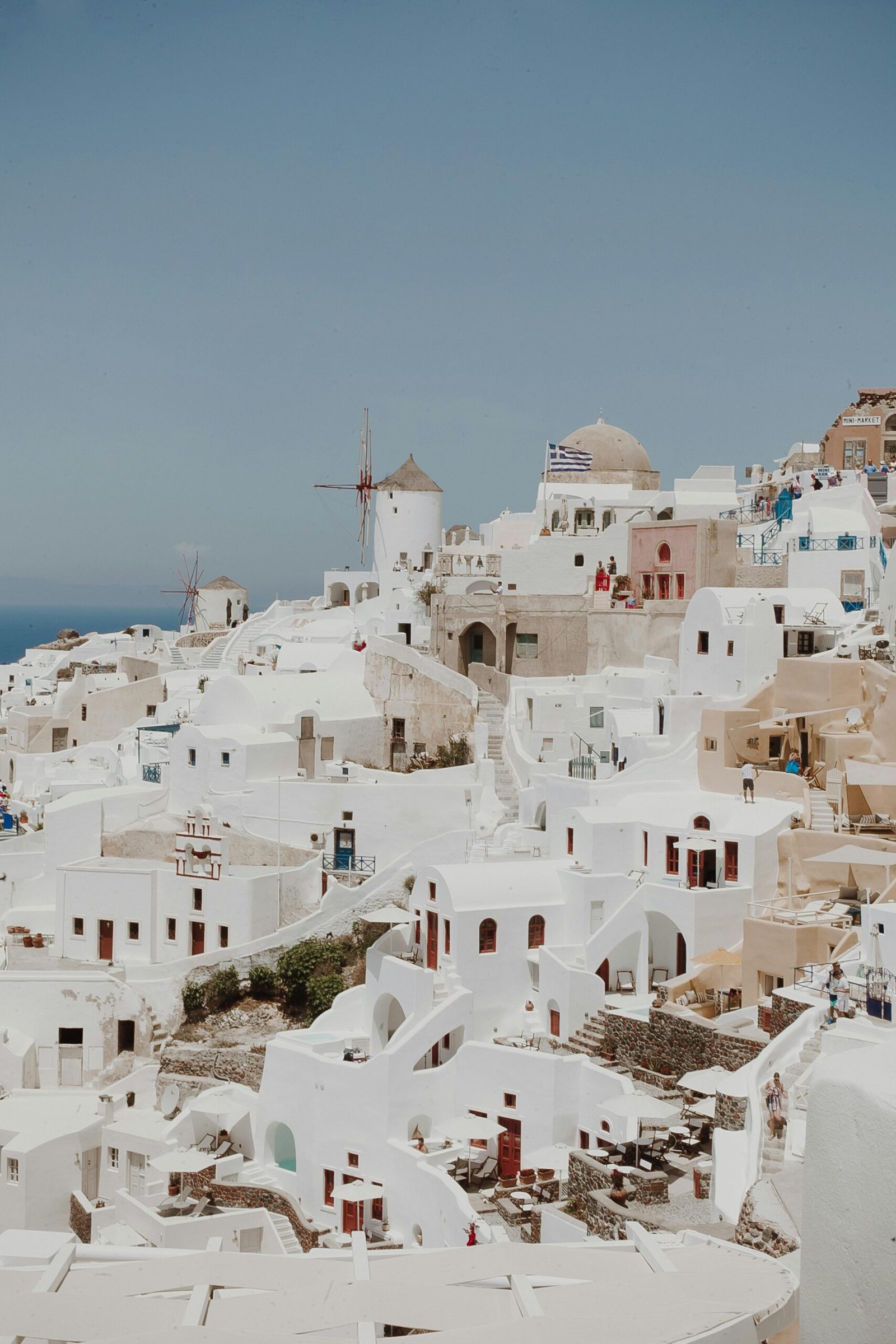
Why Most First-Timers to Santorini Leave Slightly Disappointed is usually not about the island failing people; it is about people arriving with a very specific picture in their head and then being surprised by a place that works differently in peak season. The common mistake is emotional, not logistical: travelers want Santorini to feel private, effortless, and cinematic at the same time.
That combination is exactly where disappointment starts. Santorini is famous for a reason, but fame changes the experience, and first-timers often underestimate how much crowd pressure, pricing, and expectation management shape the trip.
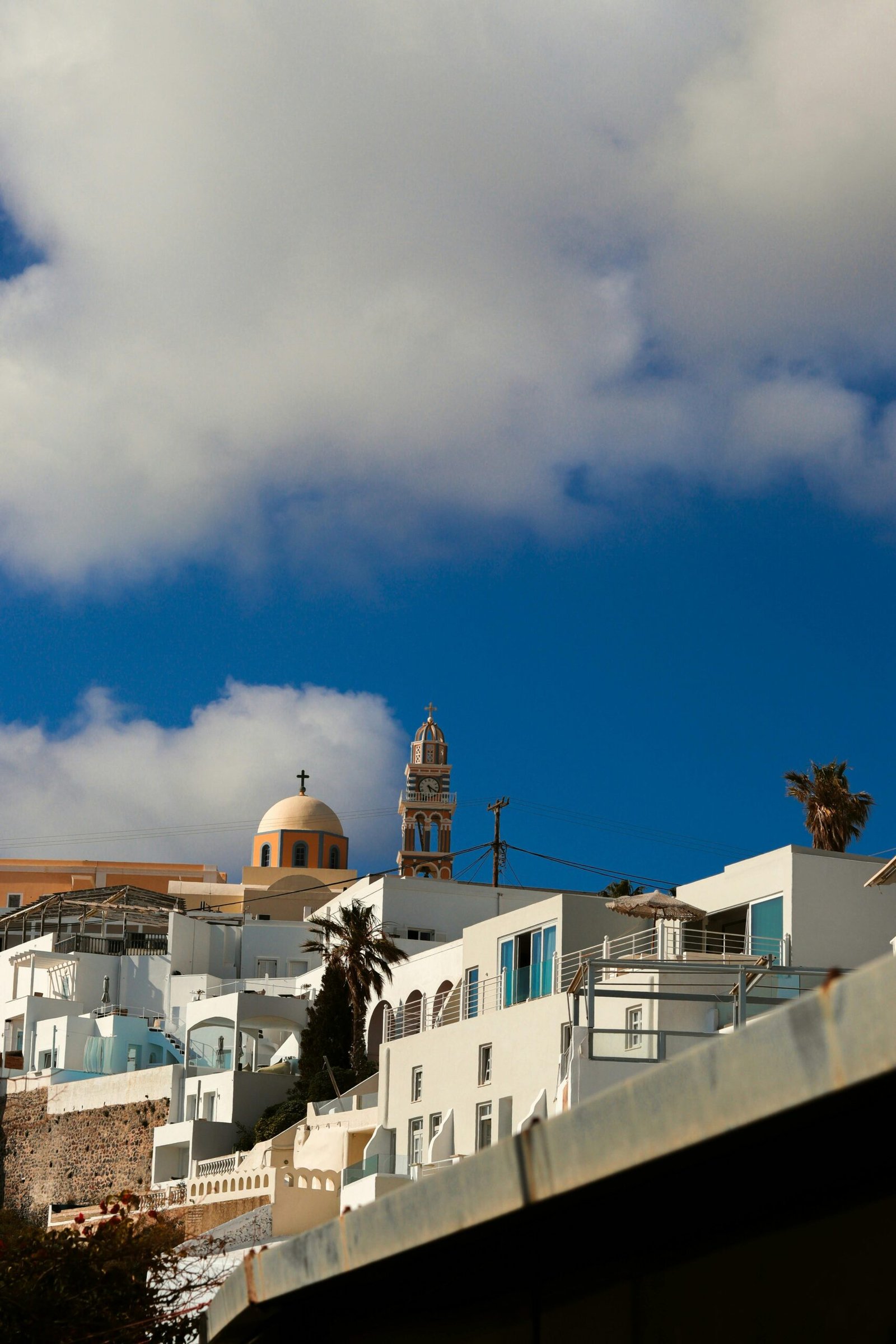
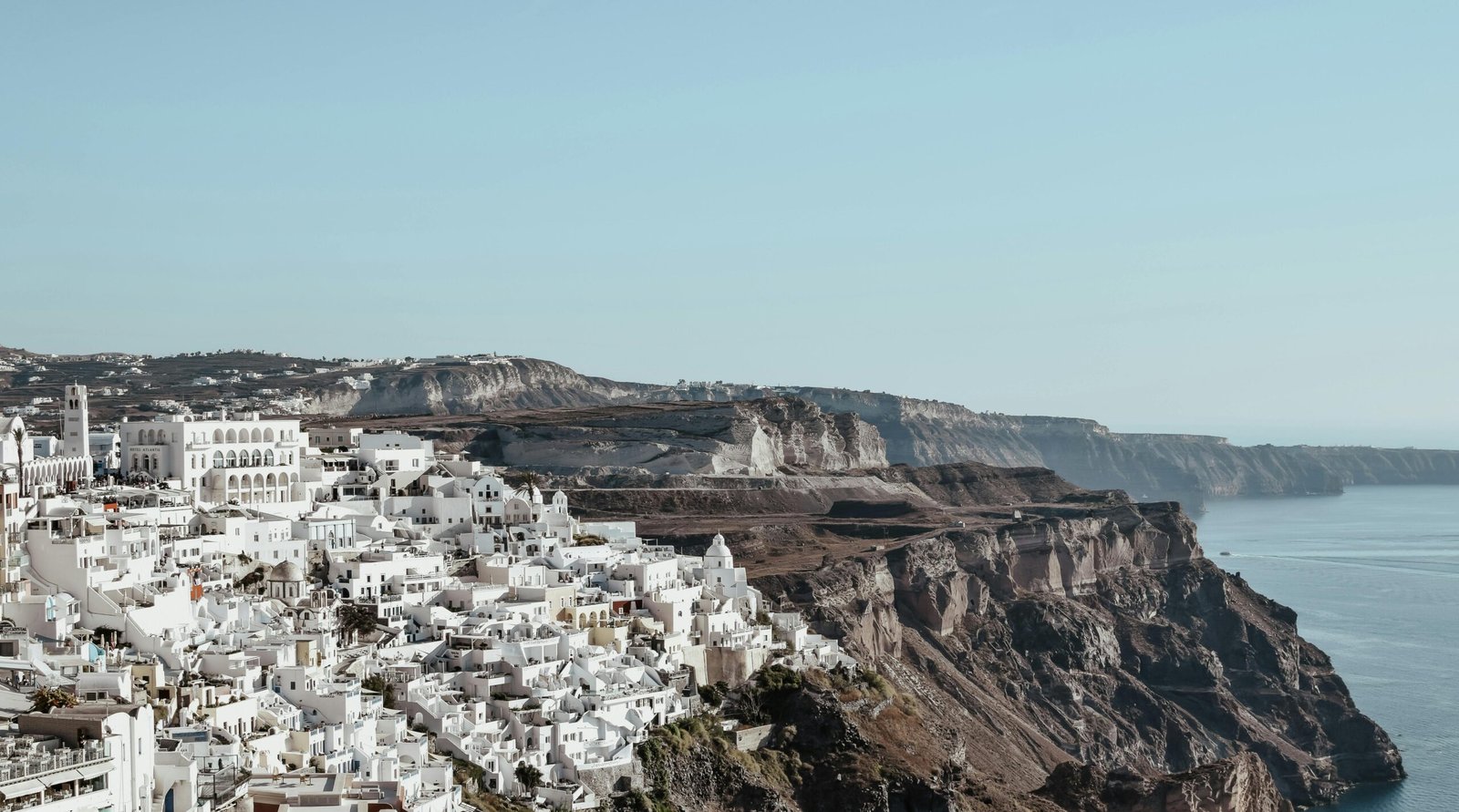
Why Most First-Timers to Santorini Leave Slightly Disappointed
The first mistake is believing Santorini is a destination that delivers the same experience to everyone. It does not. The island is highly sensitive to season, time of day, and the emotional state you bring with you, which is why Why Most First-Timers to Santorini Leave Slightly Disappointed is such a consistent pattern.
People do not usually choose Santorini by accident. They choose it because they want a trip that feels unmistakably Greek, visibly special, and easy to recognize in photos. That is a reasonable impulse, but it creates a fragile expectation: if the view is not constant, the crowds are not small, and the pace is not relaxed, the mind reads that as a failure.
The image in your head is doing most of the work
Santorini is one of the most pre-loaded destinations in the world. Before travelers even book, they have already seen the whitewashed cliffside, the blue domes, the sunset crowds, and the polished version of the island repeated across social media and travel sites. That means the trip begins with a fantasy of control: the assumption that the island will reliably produce the same feeling the photos promised.
Why Most First-Timers to Santorini Leave Slightly Disappointed is often rooted in this gap between image and lived experience. The image is clean, selective, and edited for impact. The reality includes glare, queues, inflated prices, crowded viewpoints, and the ordinary friction of a place carrying too many visitors at once.
Why Most First-Timers to Santorini Leave Slightly Disappointed in peak season
Peak season creates a specific emotional problem: travelers arrive ready to be impressed, but they spend much of the day managing exposure to other people. That is not a small issue. For many first-timers, the first real disappointment hits when they realize they are sharing every famous view with a large number of other people who had the same exact idea.
This is the moment where the trip changes from anticipation to adjustment. The sunset is still the sunset, but the surrounding conditions are louder, slower, and more commercial than expected. Why Most First-Timers to Santorini Leave Slightly Disappointed is not because the island lacks beauty; it is because peak season makes beauty harder to experience cleanly.
Here is the counterintuitive part: some travelers are more disappointed by Santorini because it is too easy to recognize. They wanted discovery, but what they got was familiarity. The island is so widely photographed that the real place can feel less like a revelation and more like a confirmation of something they already knew.
The emotional gap travelers do not name out loud
Most first-timers are not just buying a vacation. They are buying a feeling of arrival, a sense that this trip will validate the effort, the cost, and the planning. Santorini carries a lot of that burden because it is often treated as the Greek trip people are supposed to have at least once.
That pressure creates a strange emotional trap. If the trip feels crowded or expensive, travelers do not just think the island is busy; they think they made the wrong choice. Why Most First-Timers to Santorini Leave Slightly Disappointed is really about expectation inflation, where the destination has to justify more than its actual job.
Greece rewards travelers who arrive with a plan, but Santorini punishes the ones who assume the island itself will organize the experience for them. The island is not designed to protect you from your own assumptions.
The travelers most prone to this pattern
Some traveler types are far more likely to feel this disappointment. The first is the photo-led planner, who chooses Santorini because it looks iconic and assumes the atmosphere will match the image. The second is the once-in-a-lifetime traveler, who has saved this trip for years and therefore expects a very high emotional return.
The third is the comfort-first traveler who wants a Greek island that feels polished, easy, and low-friction in every moment. Santorini can absolutely be comfortable, but it is rarely low-friction in peak season. The island’s popularity creates a background level of stress that some travelers are simply not prepared to absorb.
- Photo-led first-timers who want the exact view they saw online
- Celebration travelers trying to make one destination carry the whole emotional weight of the trip
- Comfort-first visitors who expect quiet, space, and smooth movement everywhere
- Travelers who equate famous with better and are surprised by the trade-offs
The specific moment the disappointment usually hits
For many people, it happens at sunset. Not because the sunset is bad, but because the emotional script is so strong. They have imagined a private, almost reverent moment, and instead they find a dense crowd of people all trying to get the same photo, the same angle, the same proof that they were there.
That is the moment the island stops being an idea and becomes a public place. Once that happens, the disappointment is not really about the view. It is about losing the feeling of exclusivity that the trip was quietly built around.
Another common letdown comes earlier, during the first full day, when travelers realize how much of the island’s appeal is tied to managing the famous parts well. Santorini is not a place where you can drift aimlessly and expect the best version of the experience to find you.
What people underestimate about the island’s emotional cost
Travelers underestimate how tiring it is to be in a destination that is constantly performing its own image. Santorini is not fake, but it is heavily curated by demand, and that changes the emotional texture of the visit. You are rarely the only person trying to have a perfect moment, which means perfection becomes competitive.
That competition affects more than photos. It changes where people eat, when they move, how long they stay in one place, and whether they feel they are relaxing or just managing a very expensive checklist. If you want a deeper context for how Greek destinations are shaped by visibility and demand,
Visit Greece is useful as a starting point, but the real lesson is simpler: popularity always has a cost.
What a better mindset looks like
A better approach is not lower standards. It is a more accurate standard. Santorini works best when you treat it as a high-demand, high-friction destination with exceptional views, not as a guaranteed emotional reset.
That means choosing the island for what it actually offers, not for the fantasy of uninterrupted ease. It also means accepting that peak season will shape the experience more than most first-timers want to admit. Why Most First-Timers to Santorini Leave Slightly Disappointed becomes a useful warning only if you use it to adjust expectations before the trip, not after.
If you want to understand the broader cultural context of visiting Greece well, the Ministry of Culture is a better reference point than social media. It reminds you that Greece is not a backdrop; it is a real place with real pressure points, and Santorini is one of the clearest examples of that reality.
A more honest way to approach Santorini
Approach Santorini as a destination with strong visual payoff and real crowd fatigue, especially in peak season. Build your expectations around what the island is good at: dramatic views, a distinctive landscape, and a sense of place that is immediate and recognizable. Do not ask it to be quiet, private, and effortless all at once.
That shift sounds small, but it changes everything. When travelers stop demanding the island perform a fantasy, they notice more of what is actually there. And that is usually the difference between a trip that feels slightly disappointing and one that feels properly understood.
Conclusion
Recognizing the pattern is the first step. The second is building a trip around how you actually travel — not the traveler you imagine yourself to be. Most great Greece experiences start with that honesty.
Frequently asked questions
Why do first-time visitors to Santorini often feel disappointed?
Because they arrive with a polished image of the island and then meet peak-season crowds, higher prices, and less privacy than they expected. The disappointment is usually about the gap between fantasy and reality, not the island itself.
Is Santorini still worth visiting for first-timers?
Yes, if you understand what you are getting. Santorini is worth visiting for its views and atmosphere, but it is not the right choice for travelers who want calm, space, and an unfiltered island experience in peak season.
What is the biggest mistake people make before booking Santorini?
They assume the island will feel as relaxed as it looks in photos. Santorini is famous and heavily visited, so the real experience is shaped by crowd levels and timing more than most first-timers expect.
Which travelers are most likely to be disappointed?
Photo-led travelers, once-in-a-lifetime travelers, and people who want a polished but low-friction trip are the most vulnerable. They tend to expect the island to deliver a very specific emotional outcome.
When does the disappointment usually hit?
Often at sunset, when the crowd is largest and the gap between the imagined private moment and the real shared experience becomes obvious. For some travelers, it happens on the first full day when they realize how managed the island feels.
How can I avoid feeling let down by Santorini?
By treating it as a famous, high-demand destination rather than a quiet escape. If you adjust your expectations before you go, the island is easier to appreciate for what it actually is.