

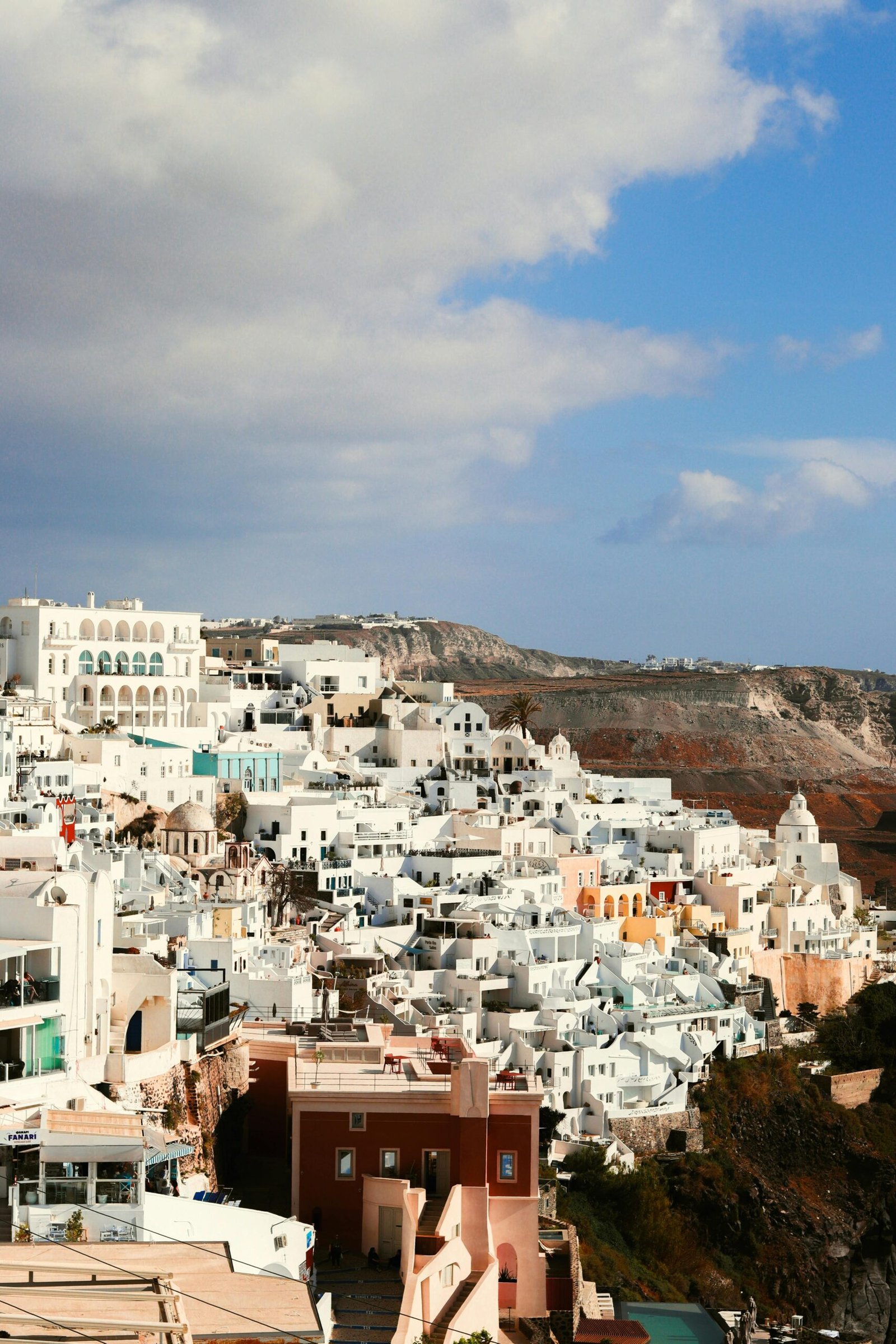
Why Most First-Timers to Santorini Leave Slightly Disappointed usually starts with a very specific assumption: that the island will deliver the same feeling they have seen in photos, only in real life and without friction. That assumption is understandable, and it is also the root of most letdowns.
People do not come to Santorini because they want an ordinary Greek island break. They come because they want the version of Santorini they have already built in their heads, and peak season is where that image collides with crowds, heat, price pressure, and a much less controlled experience.
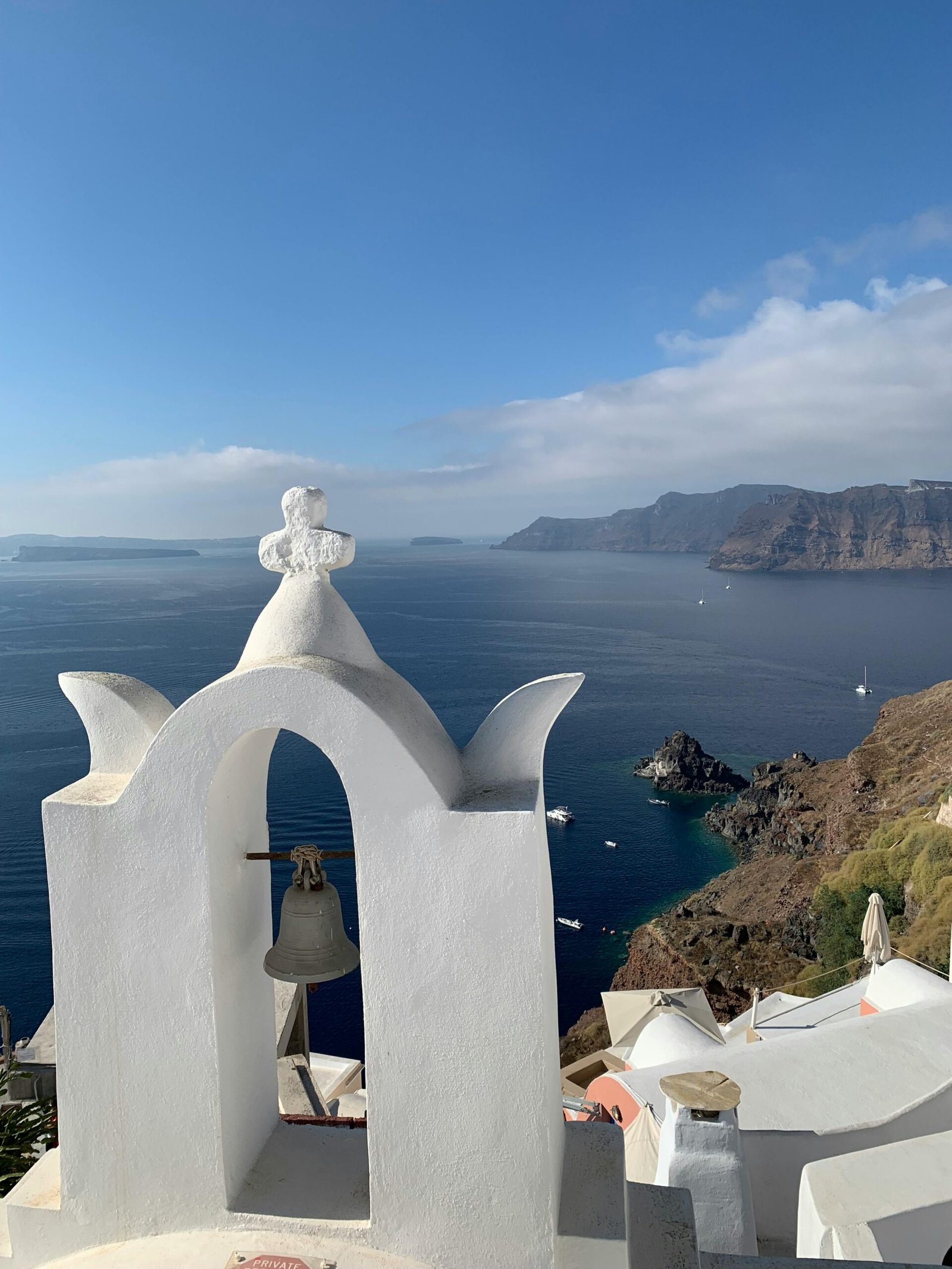
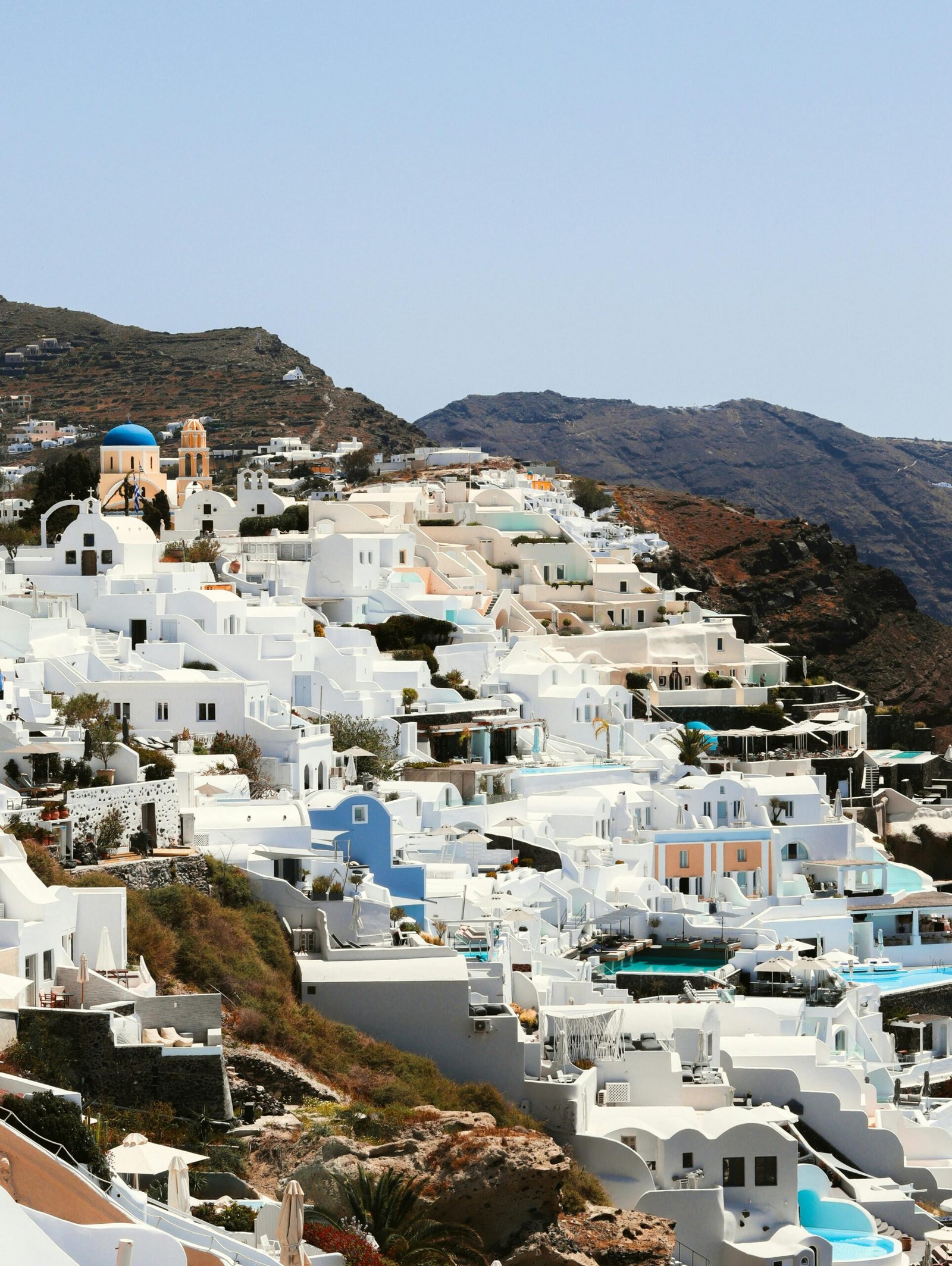
Why Most First-Timers to Santorini Leave Slightly Disappointed
The pattern is simple: travelers treat Santorini as a once-in-a-lifetime visual event, then feel let down when it behaves like a very popular place with real-world limits. That gap is not a failure of the island. It is a failure of expectation management, and Why Most First-Timers to Santorini Leave Slightly Disappointed is really a story about projection.
The mental trap behind Why Most First-Timers to Santorini Leave Slightly Disappointed
Most first-timers are not choosing Santorini for the same reasons they choose other Greek islands. They are chasing a proof point: a place that validates the trip, the expense, and the time off. That creates pressure before they even arrive, because the island is no longer just a destination; it becomes a test of whether their vacation choice was “worth it.”
That pressure changes how people see everything. A crowded terrace feels personal, a high price feels insulting, and a normal wait for a table feels like evidence that the island is overhyped. The problem is not that Santorini is bad. The problem is that travelers arrive looking for emotional certainty in a place that is heavily seasonal, heavily marketed, and heavily shared.
What people expect versus what they actually get
Expectation usually starts with exclusivity. Travelers picture open space, quiet viewpoints, and a sense that they have timed the island well enough to avoid the obvious downsides. In peak season, that is rarely the reality. Santorini is compact, famous, and under constant pressure, which means the same spots that look serene online can feel crowded and managed in person.
The emotional gap is sharper than the visual one. People expect to feel relaxed and slightly elevated by being there; what they often feel is alert, scheduled, and aware of every euro spent. That is why Why Most First-Timers to Santorini Leave Slightly Disappointed is not really about scenery. It is about the mismatch between a fantasy of ease and the actual experience of being in one of Greece’s most concentrated tourism markets.
The moment disappointment usually hits
The disappointment usually does not arrive in some dramatic collapse. It tends to show up in one ordinary moment: the first time the traveler realizes the island is being experienced in public, at volume, with everyone else trying to get the same view. That is when the fantasy of private access breaks.
For many people, the real shift happens after arrival, when they understand that the best-known parts of Santorini are not designed for calm movement. They are designed for demand. Once that lands, the question changes from “Is this beautiful?” to “Why does this feel harder than I expected?” That is the moment Why Most First-Timers to Santorini Leave Slightly Disappointed becomes obvious.
Why peak season makes the emotional gap worse
Peak season does not just add people; it changes the whole psychological texture of the island. When the weather is hot, the prices are high, and every popular place is full, travelers become less forgiving. A place they might have found intense in shoulder season starts to feel overmanaged in summer.
This is where a clear position matters: if your main goal is serenity, peak-season Santorini is the wrong choice. I am not being diplomatic about that. The island can still be worth visiting, but not if you are expecting an easy, spacious, low-friction experience at the height of demand.
Who is most prone to this disappointment
Some travelers are simply more vulnerable to the Santorini letdown than others. The people most likely to leave underwhelmed are the ones who want their trip to feel effortless, photogenic, and emotionally validating at the same time. That combination is hard to satisfy anywhere, and Santorini punishes it because the island is so legible before arrival.
- First-time Greece visitors who want one iconic island and assume that famous means universally satisfying.
- Couples trying to make the trip feel like a milestone, which adds emotional pressure to every decision.
- Travelers who dislike crowds but still book the most visible places in high season.
- People who equate luxury with privacy and are surprised by how public Santorini can feel.
There is also a group that almost always misreads the island: travelers who want a relaxed Greek island rhythm but choose Santorini because they feel they “should.” That social pressure matters. It is one of the quiet reasons Why Most First-Timers to Santorini Leave Slightly Disappointed keeps happening.
The counterintuitive truth about what makes Santorini work
The surprising part is that Santorini often works better for travelers who stop expecting it to be a full vacation in the traditional sense. The island is at its best when it is treated as a concentrated experience with a narrow purpose, not a place to unfold into for a week of easy living. That sounds less romantic, but it is more accurate.
People who enjoy Santorini most are usually the ones who accept its limits early. They do not insist on the island being quiet, spacious, or authentically local in the way smaller Greek islands can be. They understand that the value is in the specific experience, not in pretending the island is something it is not. For a broader sense of how Greece presents itself versus how it actually works on the ground, the official tourism material at
visitgreece.gr is useful, but it should be read as a starting point, not a promise.
How to approach Santorini differently
The better question is not whether Santorini lives up to the image. The better question is what kind of traveler you are when the image starts to crack. If you want calm, space, and the feeling that the island is yours for a few days, Santorini in peak season is a poor match. If you want a high-intensity, highly recognizable Greek experience and you can handle friction, the island can still be satisfying.
That shift in mindset changes planning in a practical way. You stop asking the island to deliver a fantasy and start deciding whether you actually want the pace, density, and visibility that come with it. That is the difference between a trip that feels forced and one that feels intentional.
For travelers who care about the wider cultural context of Greece and want a better sense of how the country’s most visited places are framed, the Ministry of Culture’s site at culture.gov.gr/en/ is a more grounded reference than social media. It will not tell you whether Santorini suits your personality, but it will remind you that Greece is bigger than the postcard version.
Recognizing the pattern is the first step. The second is building a trip around how you actually travel — not the traveler you imagine yourself to be. Most great Greece experiences start with that honesty.
Frequently asked questions
Why do so many first-time visitors feel underwhelmed by Santorini?
Because they arrive expecting a smooth, private, visually perfect experience, then run into crowds, heat, and high-season pressure. The island is famous for a reason, but fame brings congestion and a much less relaxed atmosphere than many first-timers expect.
Is Santorini only disappointing in peak season?
Peak season makes the disappointment more likely because it amplifies every issue: crowds, prices, and access. Some travelers enjoy Santorini more in quieter periods because the island feels less compressed and less performative.
What is the biggest mistake first-timers make with Santorini?
They treat it like a universal Greece experience instead of a very specific one. Santorini is not the best match for travelers who want space, calm, and easy movement.
Who tends to enjoy Santorini the most?
Travelers who want a concentrated, high-profile island experience and are comfortable with crowds and planning pressure usually do better. People who are flexible about their expectations also tend to have a better time.
Does Santorini feel different in person than it does online?
Yes, and that difference is the source of most disappointment. Online images remove the crowding, heat, and logistical friction that define the real experience in high season.
How can I avoid being disappointed by Santorini?
Start by being honest about what you actually want from the trip. If your goal is quiet, ease, and local rhythm, Santorini is probably the wrong island for the center of your vacation.