

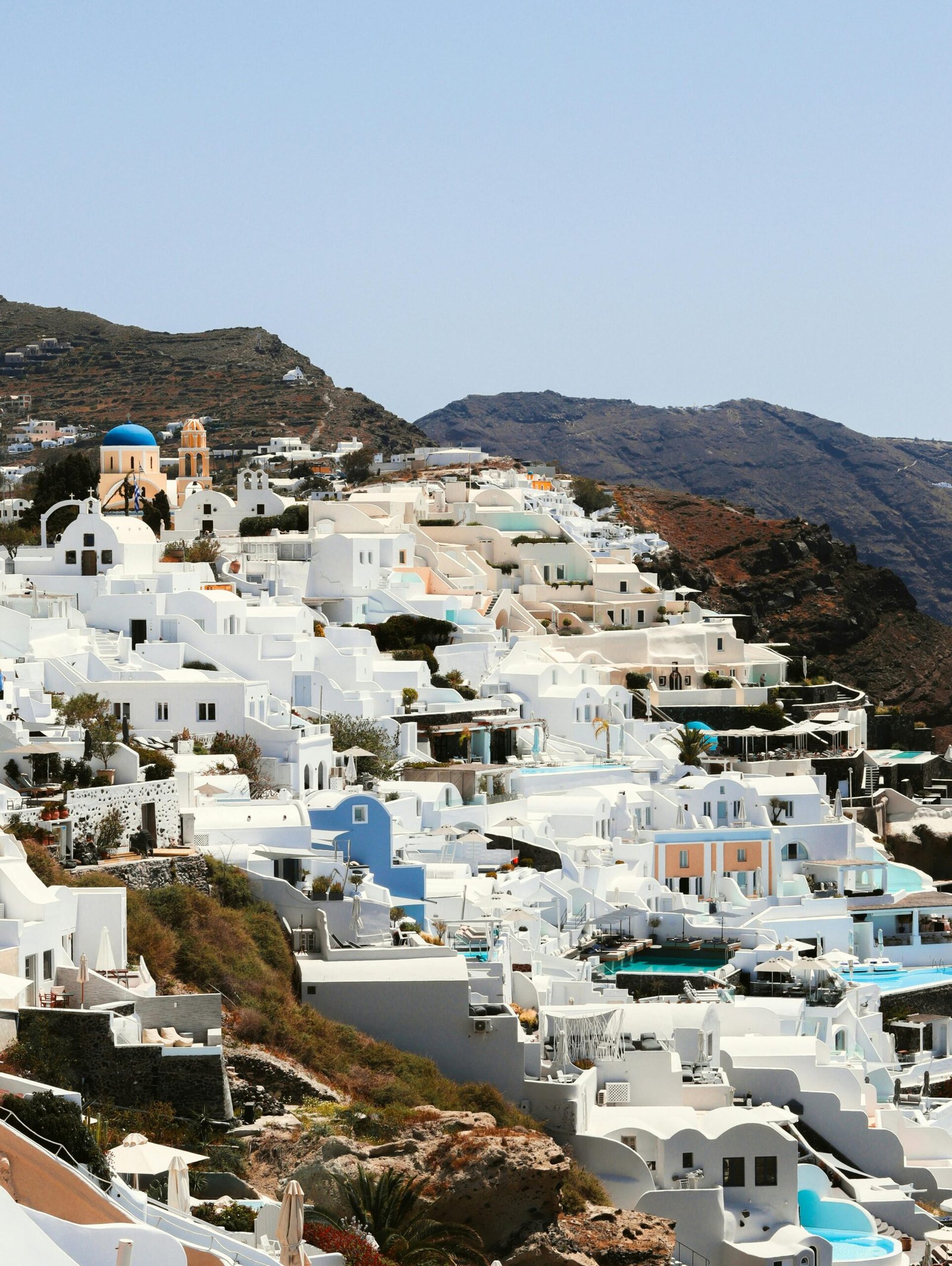
Why Most First-Timers to Santorini Leave Slightly Disappointed usually starts with one simple assumption: that the island will feel like the version they have seen online. People arrive expecting a clean, effortless experience and are surprised when the island asks for patience, timing, and a tolerance for crowds. That gap is not a small detail; it shapes the whole trip.
The real issue is psychological, not geographic. Santorini is often chosen as a proof point — for romance, status, or the feeling that you have finally made it to Greece — and that pressure makes normal travel friction feel like failure. Once you see that pattern, a lot of the disappointment makes sense.
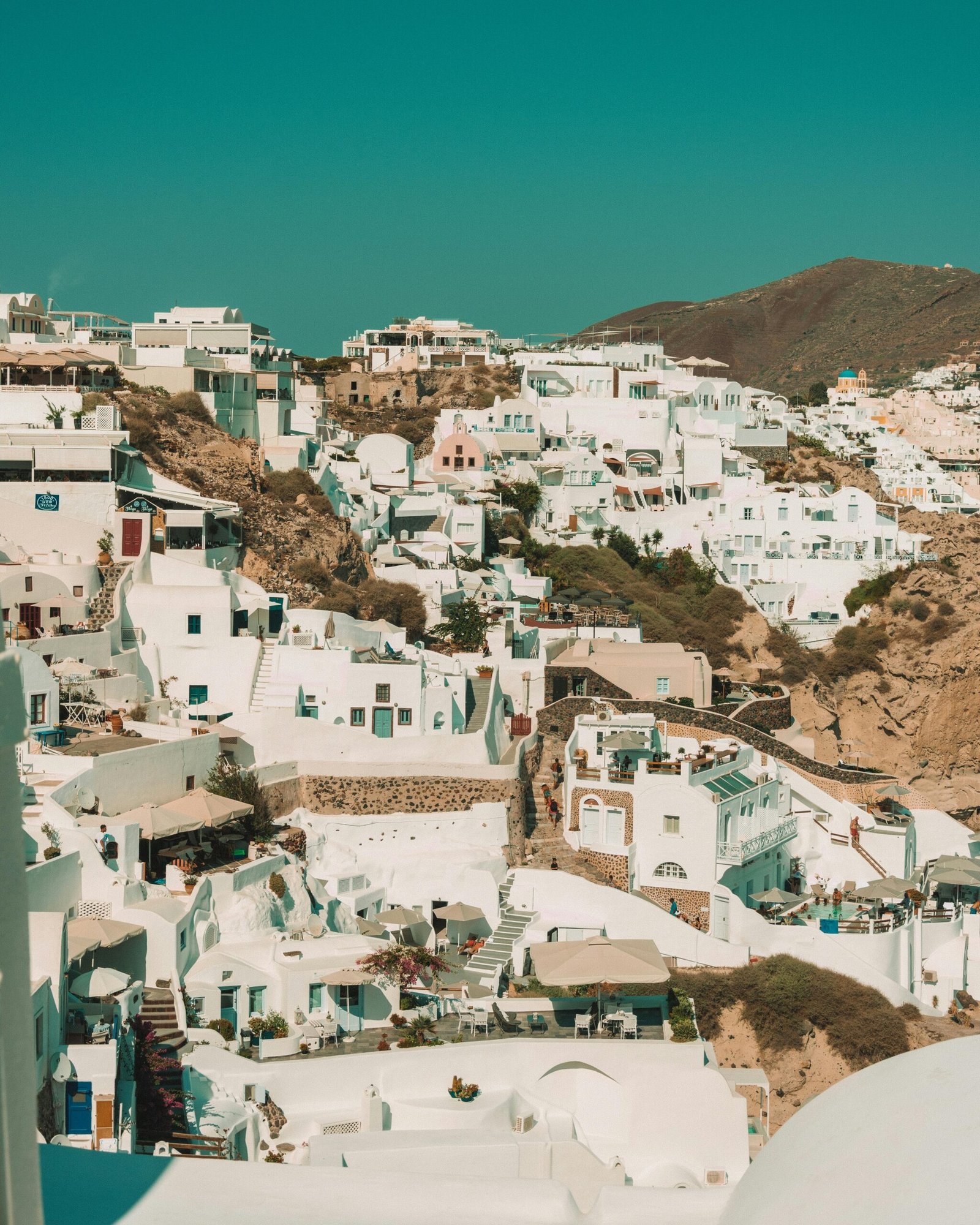
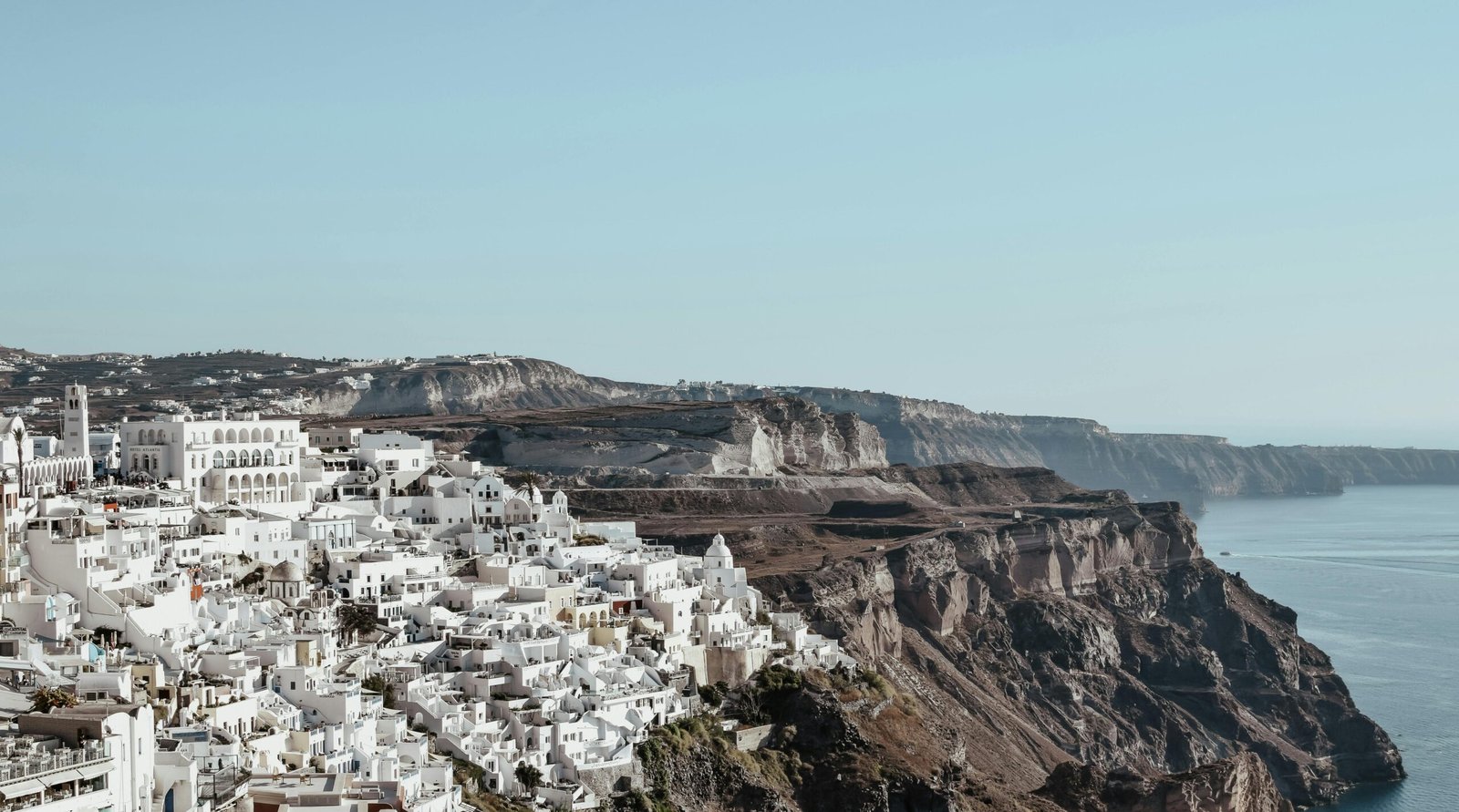
Why Most First-Timers to Santorini Leave Slightly Disappointed
Why Most First-Timers to Santorini Leave Slightly Disappointed is not a mystery to anyone who has watched the island in peak season for years. The problem is not that Santorini is overrated in a simple sense. The problem is that people arrive with an image in their head that is too polished, too quiet, and too controllable for what the island actually is when everyone else is there too.
The assumption behind Why Most First-Timers to Santorini Leave Slightly Disappointed
The assumption is usually this: if a place is famous enough, the experience will feel seamless. Travelers do not just want a nice island; they want the feeling that they picked correctly, and Santorini has become a shorthand for correct taste. That makes the trip emotionally loaded before the plane even lands.
This is why the disappointment is often mild but persistent. People are not furious. They are slightly off balance, because the island does not quite match the role they assigned to it. That is a harder feeling to name than frustration, but it is the one I see most often.
Why people choose Santorini anyway
Most first-timers are not choosing Santorini because they have studied the island carefully. They are choosing it because they already know what it means socially. It signals a certain kind of Greek trip: romantic, recognizable, and easy to explain to everyone back home.
There is also a control issue. Many travelers want their first Greece trip to be low-risk, and Santorini looks like the safest bet because it is famous, heavily photographed, and constantly discussed. That is exactly why Why Most First-Timers to Santorini Leave Slightly Disappointed keeps repeating as a pattern: fame feels like reassurance, but fame also attracts volume, and volume changes the experience.
The emotional gap between image and reality
The image is usually quiet terraces, private caldera views, and a sense that the island will feel exclusive even when you are not spending at the top end. The reality in peak season is more compressed. Space is tighter, timing matters more, and the island can feel managed rather than relaxed.
That gap matters because travelers do not just notice crowds; they notice the loss of ease. A place can still be beautiful and still feel disappointing if every decision requires adjustment. Santorini is especially good at creating that feeling because its reputation sets a very high emotional baseline before the trip begins.
Here is the counterintuitive part: the more visually prepared someone is, the more likely they are to feel let down. People who have seen endless images often assume they already know the island, so they are less mentally prepared for the practical reality of peak season. That is why the first real friction point can feel so sharp.
The moment disappointment usually hits
The disappointment usually lands when the traveler realizes the island is not giving them uninterrupted access to the version they imagined. It might be the first crowded viewpoint, the first dinner where the setting feels less intimate than expected, or the first time they notice that every desirable moment is shared with many other people.
That is the moment the fantasy breaks. Not because Santorini is bad, but because the trip stops being a private visual experience and becomes an actual place with pressure, demand, and trade-offs. For many first-timers, that shift is the entire story.
If you want the broader Greek context for how islands differ in feel and seasonality,
Visit Greece is useful as a starting point, but it will not tell you what the emotional cost of peak-season popularity feels like on the ground. That part only shows up when you are there and trying to make the trip work in real time.
Who is most prone to this pattern
Some traveler types are much more likely to leave Santorini underwhelmed. The most vulnerable are people who want a polished, low-effort romantic trip; travelers who rely heavily on social media for destination selection; and first-timers who are using Santorini as their entire Greece experience. They are not wrong to want comfort or beauty. They are wrong to assume the island will deliver those things without friction.
- Couples expecting privacy without paying for it
- Travelers chasing the exact image they saw online
- First-time Greece visitors using one famous island as a stand-in for the whole country
These travelers are often the most disappointed because they are not comparing Santorini to another island. They are comparing it to an edited idea. That is a losing comparison from the start.
Peak season changes the emotional math
Peak season does not just mean more people. It changes the mood of the island. You spend more energy navigating timing, availability, and noise, which means less energy goes into enjoyment. That is a real cost, and most first-timers underestimate it badly.
People also underestimate how quickly a famous place can feel transactional in high demand. When every desirable table, viewpoint, and room category is under pressure, the trip starts to feel like a series of small negotiations. Santorini can still be worth visiting, but not if you expected it to feel effortless.
For travelers who want to understand the broader cultural context of Greece beyond the island photo circuit, the Hellenic Ministry of Culture is a better reference point than most glossy travel content. It will not solve the crowd problem, but it does remind you that Greece is larger than the few places that dominate the feed.
What a better approach looks like
A better approach starts with a clear admission: Santorini is a high-demand destination, not a neutral one. If you go because you want the famous view and you are prepared for the crowding that comes with it, the trip can work well. If you go expecting calm, privacy, and a sense that the island is performing for you, you are setting yourself up for disappointment.
This is where I take a firm position: Santorini should not be your default first Greece stop if your priority is an easy emotional win. It is a strong choice for travelers who understand the trade-offs and still want the island for what it is. It is a weak choice for people seeking the feeling of discovery or simplicity.
Recognizing the pattern is the first step. The second is building a trip around how you actually travel — not the traveler you imagine yourself to be. Most great Greece experiences start with that honesty.
Frequently asked questions
Why do first-time visitors expect so much from Santorini?
Because Santorini has been marketed as the signature Greek island experience for years. Many travelers arrive expecting the island to match the image they have seen online, and that creates a very high emotional bar before the trip even starts.
Is Santorini actually disappointing, or just overhyped?
For many first-timers, it is less about the island being bad and more about the expectations being unrealistic. Santorini can be excellent for the right traveler, but peak-season crowding and image-driven expectations often create a mismatch.
What moment usually causes the letdown?
It usually happens when travelers realize the island is not giving them the private, effortless experience they pictured. The first crowded viewpoint, packed dinner setting, or difficult-to-book moment is often where the fantasy gives way to reality.
Which travelers are most likely to feel disappointed?
Couples chasing a romantic image, social-media-driven travelers, and first-time Greece visitors who use Santorini as their only island reference are the most prone to disappointment. They tend to expect the island to feel more exclusive and less busy than it really is in peak season.
Does peak season change the experience that much?
Yes. Peak season changes the pace, the mood, and the amount of effort required to enjoy the island. The issue is not only crowds; it is the way crowds affect ease, privacy, and the sense of control over the trip.
How should first-timers think about Santorini differently?
They should treat Santorini as a high-demand destination with real trade-offs, not as a guaranteed emotional highlight. If you understand what the island is and what it is not, the experience is usually better and the disappointment is much lower.