

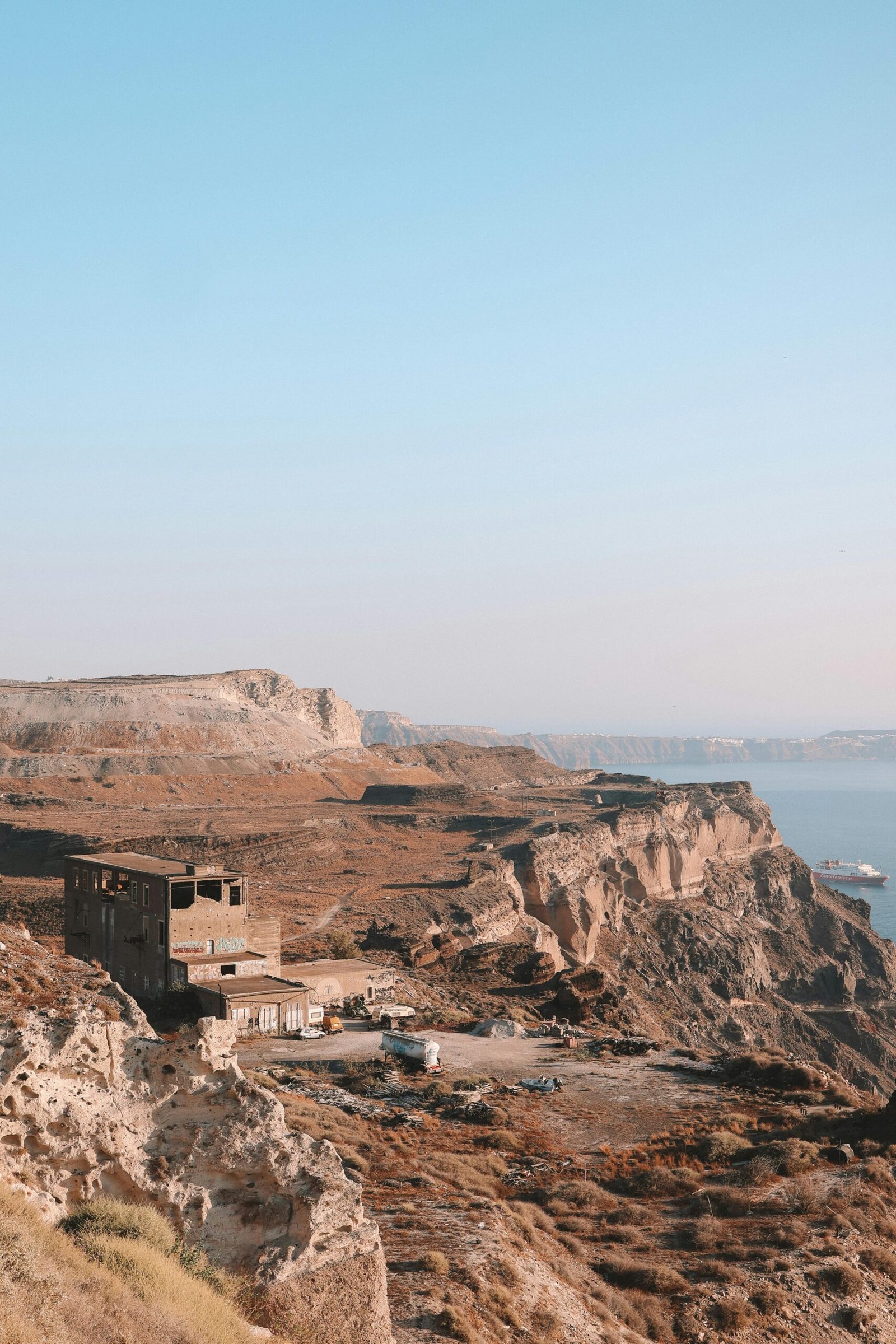
Why Most First-Timers to Santorini Leave Slightly Disappointed usually comes down to one thing: people arrive carrying a postcard version of the island and then judge the real place against that image. The disappointment is not usually about Santorini being bad; it is about the gap between what travelers think they booked emotionally and what peak-season Santorini actually delivers.
The mistake starts before they even arrive. They are not choosing an island so much as choosing a feeling — romance, drama, prestige, proof that they picked the right Greek island — and that is exactly why the mismatch hits so hard.
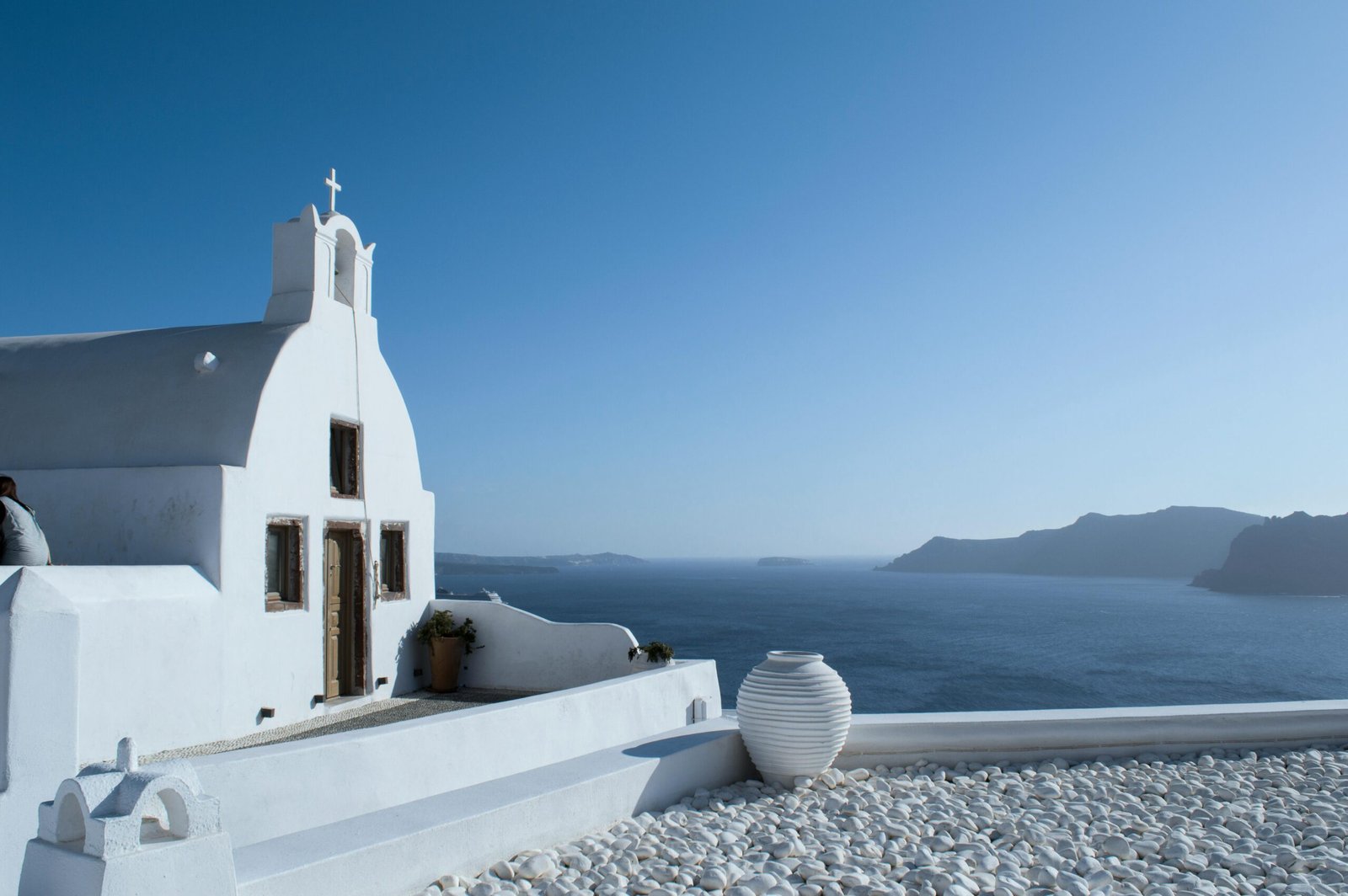
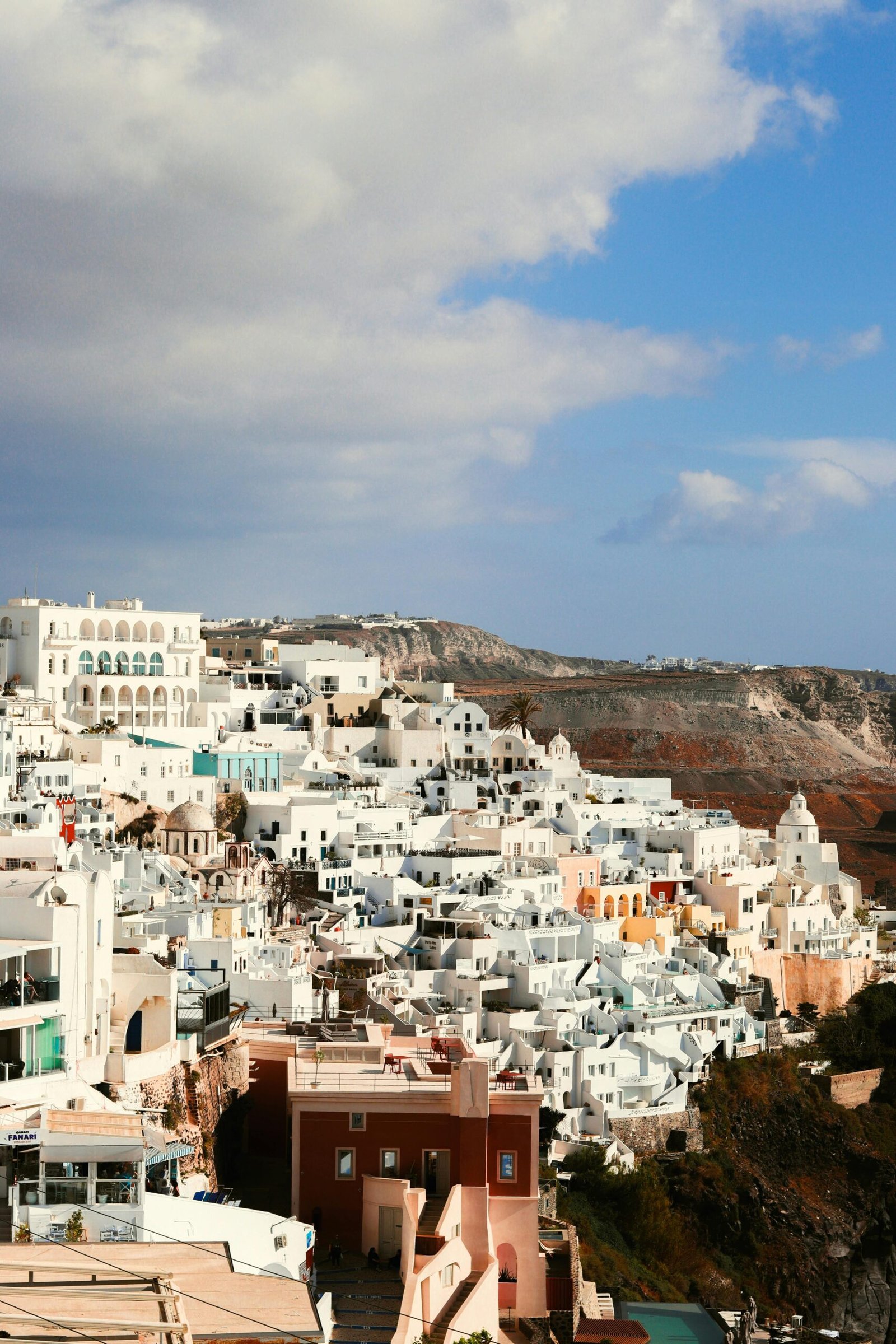
Why Most First-Timers to Santorini Leave Slightly Disappointed
The core pattern is simple: first-timers often treat Santorini as a final answer instead of a place with trade-offs. They want the famous view, the easy romance, and the sense that they made the “right” choice, all at once. That is a lot to ask from a small island under heavy pressure in peak season.
What people underestimate is not the scenery. It is the emotional pressure of arriving with an image already fixed in their head. Once that happens, every queue, every crowded terrace, every overpriced meal, and every awkward transfer from one village to another feels like evidence that the island is “less than” the version they were sold.
The psychology behind Why Most First-Timers to Santorini Leave Slightly Disappointed
Travelers do this because Santorini is one of the few places in Greece that has been marketed as both a destination and a status symbol. People do not just want to visit it; they want to feel they understood it correctly. That creates a fragile mindset, where any inconvenience feels like failure.
There is also a very common social-media trap. Travelers assume the island is naturally calm, intimate, and polished because that is how it appears in short clips and still images. In reality, peak season Santorini often feels managed, crowded, and expensive in ways that are hard to ignore once you are there.
For many first-timers, the real issue is not that Santorini is overcrowded. It is that they expected the island to protect them from the ordinary friction of travel. It does not. It is a working tourism machine, and once you understand that, the emotional disappointment makes more sense.
For broader context on how Greece presents its destinations and why perception matters so much, the official tourism site at
Visit Greece is useful. It shows the public-facing version of the country, which is exactly why travelers need to remember that a brochure is not a lived experience.
What travelers expect versus what they actually feel
Expectations are usually built around three things: unobstructed views, effortless romance, and a sense of exclusivity. The reality in peak season is more complicated. You may still get the view, but you will share it with far more people than you imagined, and that changes the emotional tone of the trip.
The most common surprise is not visual. It is psychological. Travelers arrive expecting to feel relaxed and elevated, then discover they are monitoring crowds, timing meals around demand, and mentally recalculating whether the experience is “worth it.” That is where the mood starts to shift.
Here is the counterintuitive part: many people are not disappointed because Santorini is too busy. They are disappointed because they still manage to enjoy it. That sounds odd, but it is real. If the island were obviously bad, the decision would be easy to dismiss. Instead, it is good enough to keep you comparing, which makes every compromise feel sharper.
The moment the disappointment usually hits
The emotional drop usually happens after the first day, not on arrival. At first, the famous caldera view does its job. Then the practical realities start stacking up: the crowds, the premium pricing, the sense that every popular area is being actively consumed by visitors just like you.
That is the moment when first-timers realize they were not looking for a destination. They were looking for validation. They wanted Santorini to confirm that the fantasy was justified, and when the island behaves like a busy, high-demand place, that validation weakens.
This is why Why Most First-Timers to Santorini Leave Slightly Disappointed is not really a complaint about the island. It is a complaint about expectation management. The trip becomes a referendum on the traveler’s own judgment, which is a much more uncomfortable experience than simply being tired or overpaying.
Traveler types most prone to this pattern
Certain travelers are much more likely to feel let down. The first group is the “romance-first” traveler, who wants the trip to feel private, cinematic, and emotionally effortless. Santorini can still be romantic, but it is not a private stage set, and that matters.
The second group is the “I only want the famous place” traveler. These visitors often skip the broader context of Greece and focus all their energy on one iconic destination. When the island feels crowded or expensive, they have nothing else in the trip to balance it out.
- Travelers who book Santorini mainly for the image rather than the experience
- Couples expecting quiet intimacy in peak season
- First-time Greece visitors who have not yet learned how different Greek islands actually function
- People who equate popularity with guaranteed satisfaction
The third group is the planner who assumes premium price means premium ease. In Santorini, higher cost often buys access, location, or convenience — not calm. That is an important distinction, and ignoring it is how otherwise experienced travelers end up irritated.
Why peak season makes the gap worse
Peak season does not create the disappointment by itself. It magnifies the assumptions already in place. When the island is crowded, expensive, and highly scheduled, there is less room for the fantasy to survive contact with reality.
Travelers often think they are choosing the “best” time because it is the most popular. That is a weak strategy. Popularity in Santorini usually means maximum demand, maximum competition for space, and maximum visibility of the island’s commercial side.
If you want a more grounded view of how Greek destinations are framed and preserved, the Ministry of Culture is a useful reference point. Santorini is not just a vacation product; it is a place shaped by heritage, regulation, and heavy tourism pressure, and those forces affect the experience in ways most first-timers never consider.
What a better mindset looks like
The smarter approach is not to lower your standards. It is to stop asking Santorini to be something it is not. The island is strongest when you accept it as a high-demand, high-visibility place with real beauty and real friction.
That means choosing the trip for the right reason. If you want iconic views and you understand that they come with crowds and cost, Santorini can still be worth it. If you want quiet, ease, and emotional simplicity, this is probably not the island to center your first Greece trip around.
Greece rewards travelers who arrive with a plan, but in Santorini the deeper lesson is even more basic: know what kind of satisfaction you are actually chasing. If you are chasing proof that your dream was correct, you will be easy to disappoint. If you are chasing a specific experience and accept the trade-offs, the island has a better chance of meeting you honestly.
Conclusion
Why Most First-Timers to Santorini Leave Slightly Disappointed is really a story about projection. The island becomes a screen for other people’s expectations, and peak season strips away the fantasy faster than most travelers expect. The fix is not to be cynical; it is to be precise about what Santorini can and cannot do for you.
Greece doesn’t punish inexperience. It punishes unexamined assumptions. The travelers who leave disappointed rarely lacked information — they lacked a framework for using it.
Frequently asked questions
Why do first-time visitors to Santorini often feel disappointed?
Because many arrive with a polished image of the island and then experience the crowded, expensive reality of peak season. The gap between expectation and actual conditions is usually the real problem.
Is Santorini still worth visiting for first-timers?
Yes, if you want the famous views and accept the trade-offs. It is less satisfying for travelers who expect calm, privacy, and an easy pace in the busiest months.
What is the biggest mistake people make when planning Santorini?
They choose it for the image rather than the experience. That usually leads to disappointment when the island behaves like a high-demand destination instead of a private romantic escape.
Which travelers are most likely to be let down by Santorini?
Romance-first couples, travelers chasing the iconic photo, and first-time Greece visitors who have not yet learned how crowded the most famous islands can be in peak season.
Does visiting Santorini in peak season make a big difference?
Yes. Peak season amplifies crowds, pricing, and pressure on popular areas. That is when the mismatch between expectation and reality becomes most obvious.
How can I avoid disappointment in Santorini?
Go in with a clear idea of what you actually want from the trip. If you want iconic views and accept the trade-offs, you are less likely to feel let down.