

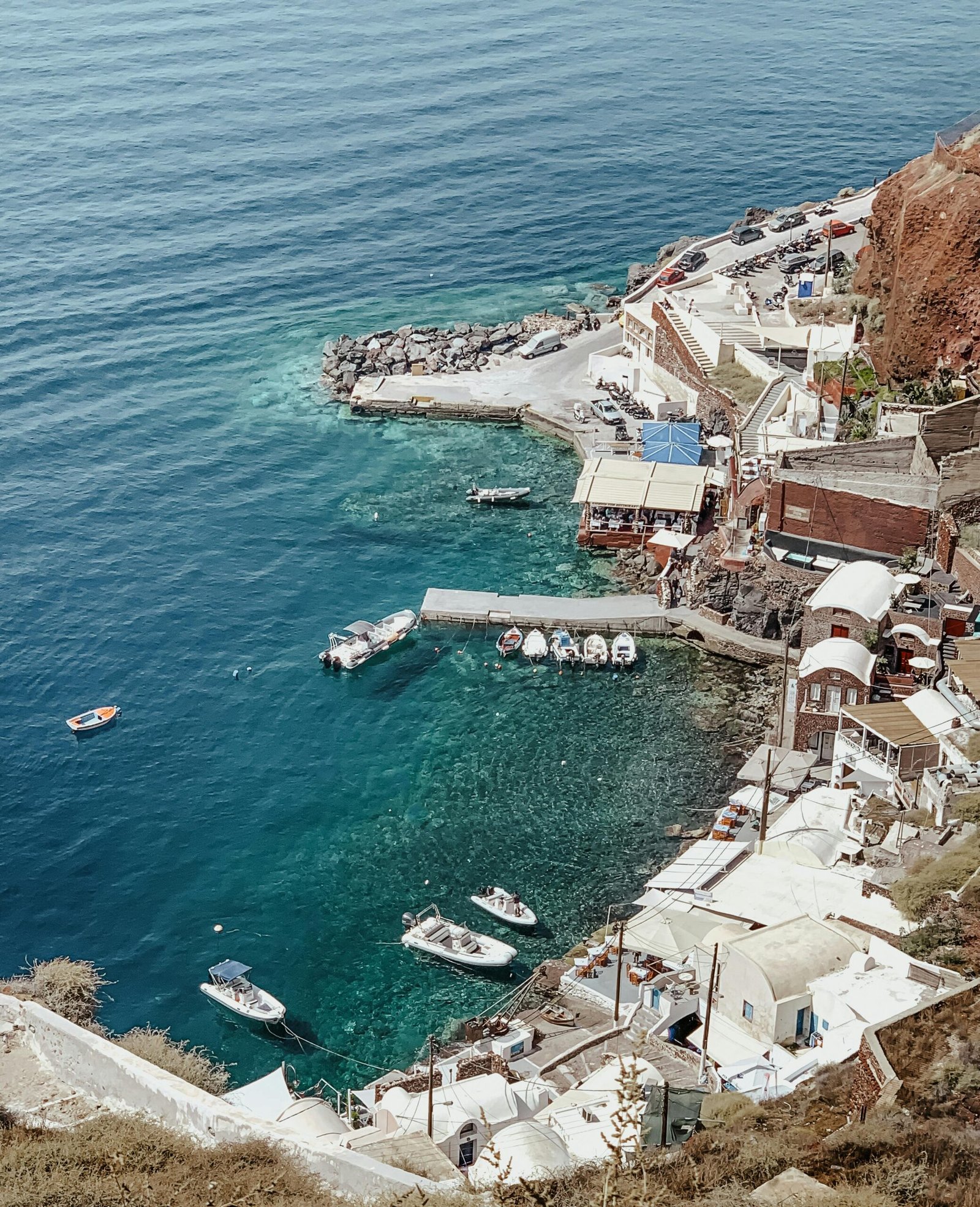
Why Santorini Is Usually the Wrong First Island Stop is not a contrarian slogan; it is a planning reality I see trip after trip. Santorini is a high-intensity island, and if you start there, you often set the wrong pace for everything that follows.
The mistake is usually not Santorini itself. The mistake is treating it like a neutral opening chapter when it is one of the most specific destinations in Greece: expensive, crowded in peak periods, and far less forgiving of weak planning than most first-time visitors expect.
Why Santorini Is Usually the Wrong First Island Stop
Why Santorini Is Usually the Wrong First Island Stop for most Greece itineraries
I take a clear position: for most travelers, Santorini should not be the first island stop. It is a place that compresses budget, time, and energy very quickly, and that pressure distorts how people experience the rest of the trip. If you begin with Santorini, many travelers spend the next islands comparing everything to a one-off experience instead of letting the itinerary build naturally.
The island also creates unrealistic expectations. People arrive thinking Greece is supposed to look and feel like Santorini, then they are disappointed when Naxos, Paros, Milos, or even Athens feels more grounded, less polished, and more normal. That is a planning error, not a Greece problem.
What travelers consistently get wrong
The first mistake is assuming Santorini is a good “starter” island because it is famous and easy to explain. Fame is not the same as suitability. Santorini is visually concentrated, commercially intense, and built around a very specific visitor profile; it is not a soft introduction to island life.
The second mistake is underestimating how much the island changes by season. In April, May, late September, and October, Santorini can feel manageable and more deliberate. In peak summer, the same places can feel overworked, overpriced, and crowded enough that the island’s strengths are harder to enjoy.
A third mistake is using Santorini as a benchmark for the whole Cyclades. That leads to bad sequencing and bad judgment. Travelers who start here often choose the wrong next island because they are chasing a mood instead of a fit.
Where Santorini works, and where it does not
Santorini can work very well for travelers who want a short, high-impact stay and know exactly what they are paying for. It is strong for special-occasion trips, design-focused stays, and visitors who care more about structured comfort than wandering around all day. It is also a sensible choice for people who are content to spend money for convenience and atmosphere.
It is a poor first stop for travelers who want a relaxed, value-conscious Greece trip. Families with young children, slow travelers, and people who dislike crowds usually find that Santorini sets the wrong tone. If your trip is meant to feel spacious, varied, and lightly improvised, starting here is usually the wrong move.
That is why the phrase Why Santorini Is Usually the Wrong First Island Stop matters in practical terms, not just editorial terms. The island can be excellent and still be the wrong opener for your trip.
Specific places that reveal the problem
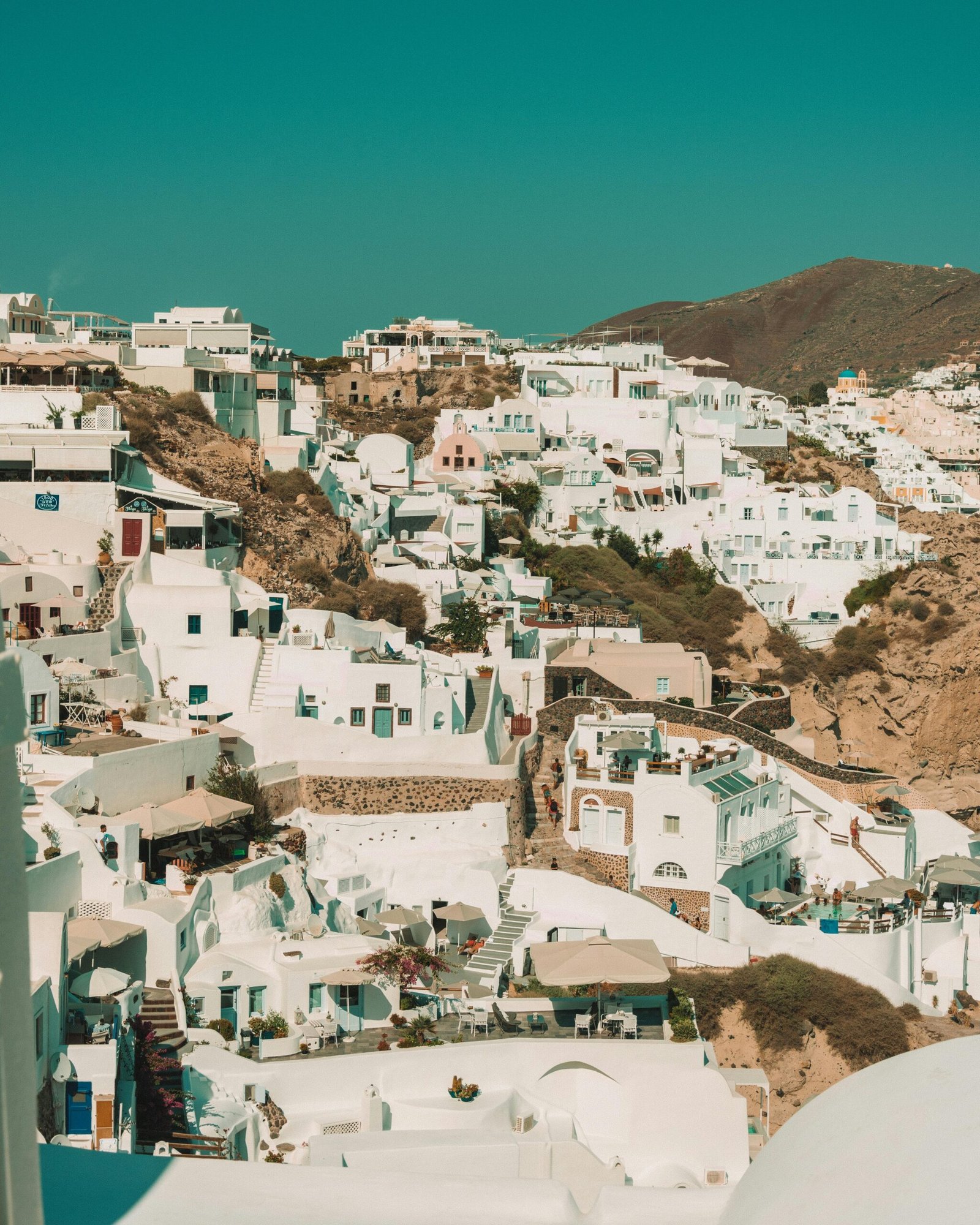
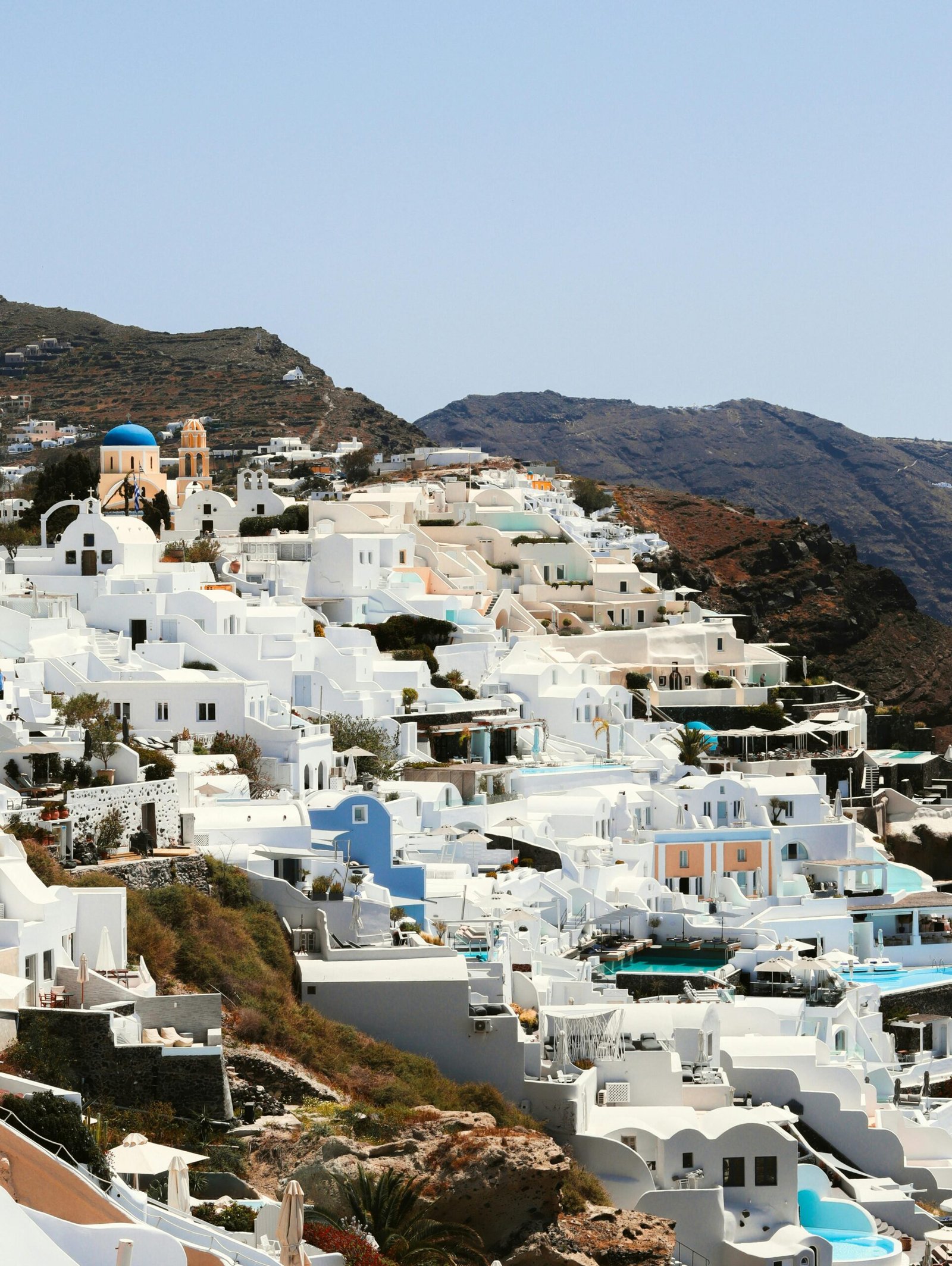
Oia is the clearest example of why expectations get distorted. It is the most photographed part of the island, but it is also the least representative of how a broader Greece trip feels. Travelers who begin there often assume every island should deliver that same level of polish, which is simply not how Greece works.
Fira, Imerovigli, and Firostefani show a different issue: the island’s most famous areas are not automatically the most comfortable for a first-time arrival. They are busy, exposed to demand, and built around a visitor flow that can feel relentless in high season. Pyrgos and Megalochori are calmer and more grounded, but many travelers never see them because they arrive already locked into the postcard version of the island.
Kamari and Perissa also matter because they remind people that Santorini is not a single experience. These areas are more straightforward and less stylized, which is useful information for planners who need to match an island to actual travel behavior rather than online imagery.
The counterintuitive part most people miss
The surprising truth is that Santorini can make a trip feel less luxurious, not more, if it is placed first. Starting with the most expensive and most compressed stop means every later island can feel like a downgrade in service, scenery, or polish. That is a psychological problem as much as a budget problem.
In other words, Santorini often works better when it is not the opener. When travelers see it after a more relaxed island, they appreciate what it does well without expecting it to carry the whole trip. That is one reason Why Santorini Is Usually the Wrong First Island Stop is such a useful planning rule.
Who this suits
This suits couples on a short luxury trip, travelers celebrating something specific, and visitors who want a concentrated, high-visibility island experience. It also suits people who are fine paying more to reduce guesswork and who are not trying to see multiple islands with different personalities.
It does not suit travelers who want a gentle introduction to Greece, first-timers on a tight budget, families juggling too many moving parts, or anyone who gets frustrated when a place feels crowded and curated. It also does not suit travelers who believe the first island should be the easiest one. That assumption causes bad sequencing all the time.
What you gain, and what you give up
If you start with Santorini, you gain immediate impact, strong visual identity, and a clear sense that you have arrived somewhere famous. You also gain a very defined luxury product if that is what you are paying for. For some travelers, that certainty is worth the cost.
What you give up is flexibility. You give up a softer transition into Greece, better value in the early part of the trip, and the chance to let the itinerary widen instead of narrow. You also risk making every later island feel underpowered, which is a bad way to experience the Cyclades.
For planning purposes, the right sequence matters more than people realize. If you want help building an itinerary that matches your pace, budget, and season, use
Visit Greece for broad destination context, then make your island order match the way you actually travel. If you want a trip that feels coherent, not overpacked, that decision belongs at the start, not after the booking is already locked.
For travelers who care about context, the same principle applies beyond Santorini. If you are pairing island time with Athens, it is worth understanding the city on its own terms through the Acropolis Museum rather than treating it as a quick stopover. The best Greece trips are built with sequence in mind, and Santorini is often the place where that mistake becomes expensive.
Conclusion
Why Santorini Is Usually the Wrong First Island Stop is not a warning to avoid the island. It is a warning not to let one iconic place distort the rest of your Greece trip. Start with the wrong island, and you spend the rest of the holiday correcting for that decision.
Greece rewards travelers who arrive with a plan built around how they actually travel — not a generic template. The difference between a frustrating trip and a remarkable one often comes down to sequence, timing, and knowing which trade-offs matter for your situation.
Recommended experiences
Some experiences mentioned here are curated and managed by Elite Greece Travels.
- Athens Milos Santorini Itinerary 9 Days — Itinerary (managed by Elite Greece Travels).
- Greece 7 Day Itinerary Athens Delphi Meteora Santorini — Itinerary (managed by Elite Greece Travels).
- Santorini Sunset Cruise With Dinner In The Caldera — Cruise (managed by Elite Greece Travels).
Frequently asked questions
Is Santorini a bad first island for every traveler?
No. It can work as a first stop for short luxury trips, special occasions, or travelers who already know they want a concentrated, high-impact island experience. It is a poor opener for relaxed, budget-sensitive, or multi-island trips.
Why does Santorini distort the rest of a Greece itinerary?
Because it is expensive, visually intense, and highly curated. Travelers often use it as the standard for everything that follows, which leads to bad comparisons and unrealistic expectations.
What is the biggest mistake first-time visitors make with Santorini?
They assume the island is a neutral starting point. It is not. Santorini has a very specific pace and visitor profile, and starting there can make the rest of the trip feel flat or overpriced.
Which areas of Santorini are most often misunderstood?
Oia is over-romanticized, while Fira, Imerovigli, and Firostefani are often underestimated for how busy they can be. Pyrgos, Megalochori, Kamari, and Perissa show a more grounded side of the island.
When is Santorini easier to use in an itinerary?
Shoulder season is more forgiving than peak summer, and Santorini often works better later in a trip than first. That lets travelers appreciate it without making it the template for the whole holiday.
Who should avoid starting in Santorini?
Travelers who want value, families with complex needs, slow travelers, and anyone who dislikes crowds or wants a more relaxed introduction to Greece should usually avoid starting there.