

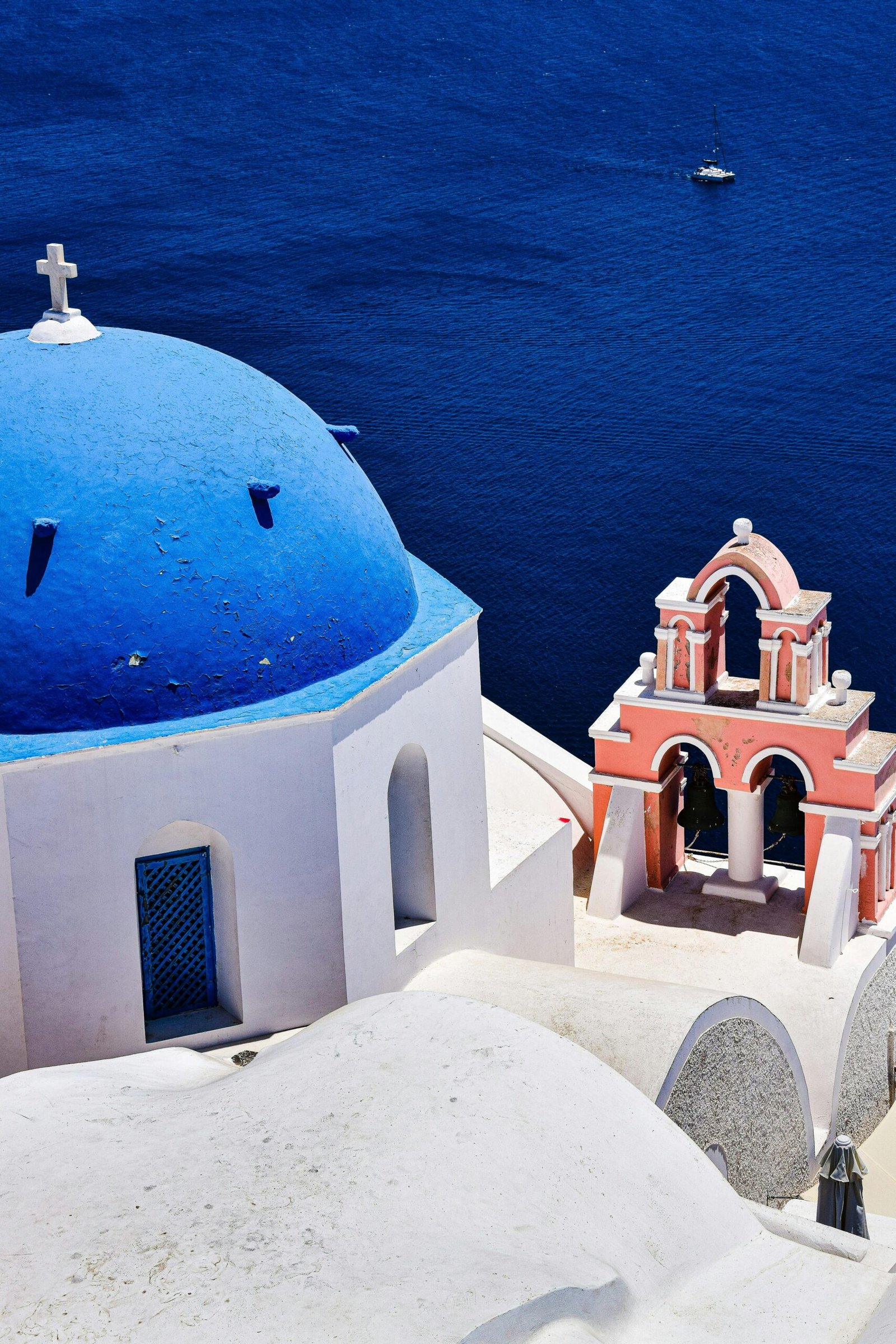
Why Santorini Works Better as a Second Greece Trip is simple: the island makes far more sense once you already understand what Greek islands usually are, and what they are not. Santorini is not a broad, easygoing island for casual wandering; it is a tightly managed, high-demand place where location, season, and expectations matter more than people admit.
First-time Greece visitors often judge Santorini against islands that operate on a completely different rhythm. That is where the disappointment starts. If you already know the difference between a lively island, a quiet one, and a heavily curated one, Santorini becomes much easier to read.
Why Santorini Works Better as a Second Greece Trip
Santorini is one of the few Greek islands that punishes vague planning. People arrive expecting a relaxed island break and end up paying premium prices for a place that is busy, compressed, and very specific about how it wants to be experienced. That is exactly why Why Santorini Works Better as a Second Greece Trip is not a gimmick; it is the practical truth.
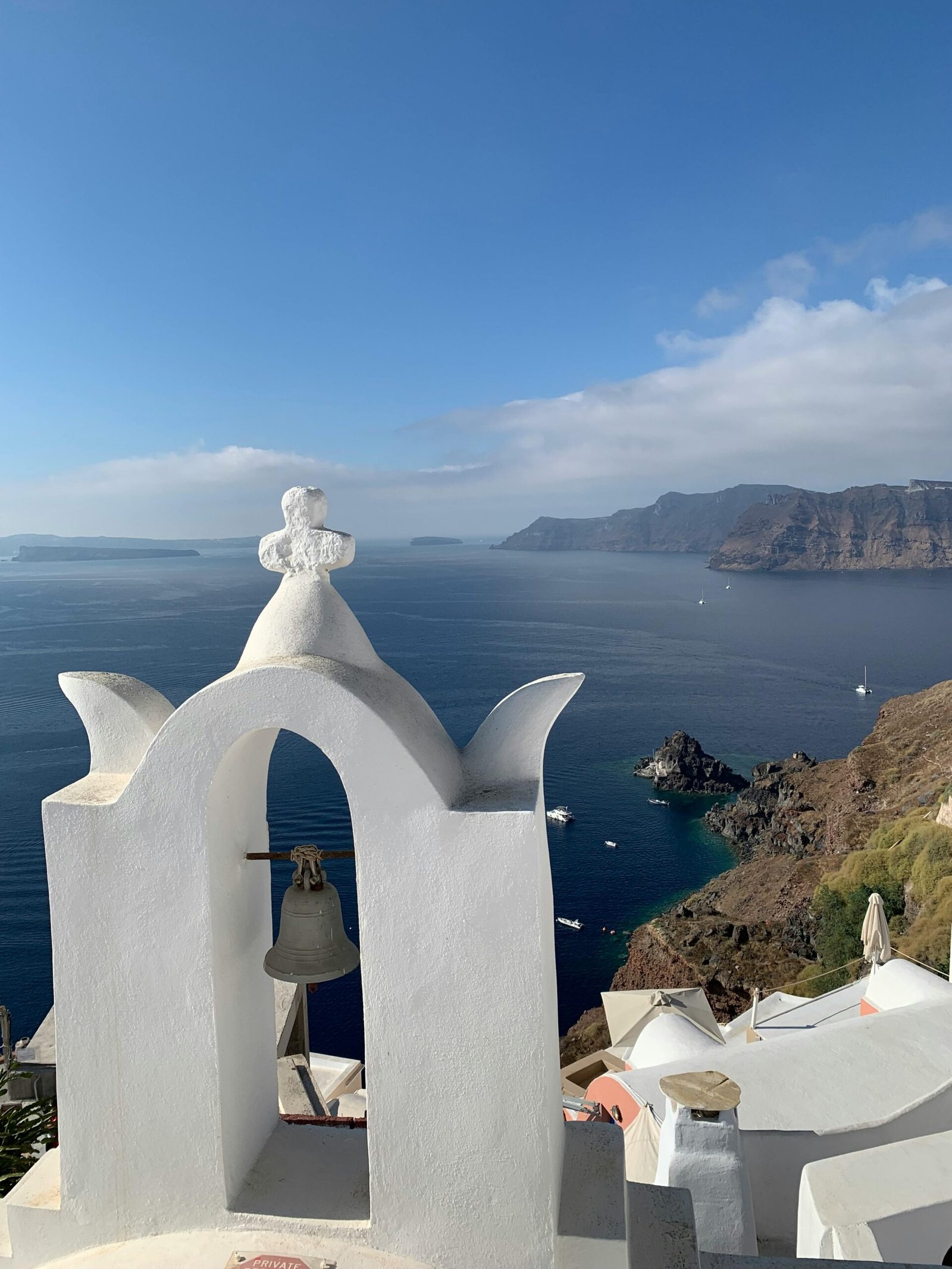
The island is easier to appreciate after you have already seen a more typical Cycladic island, a larger island with real local life, or a quieter place where the pace is less managed. Then you can see Santorini for what it is: a destination built around views, design, and controlled intensity, not around easy spontaneity.
Why Santorini Works Better as a Second Greece Trip: the real reason
Most first-timers do not realize how much of Santorini is shaped by pressure. The island is small, the most famous areas are heavily concentrated, and the premium locations are not just expensive — they are often less forgiving than travelers expect. If you have already done another Greek island, you are less likely to confuse “iconic” with “comfortable.”
That matters because Santorini rewards people who know what they are paying for. You are buying a specific visual experience, a strong sense of place, and a polished hospitality scene. You are not buying space, ease, or the kind of casual beach life many travelers assume Greece will deliver everywhere.
What travelers consistently get wrong
The first mistake is treating Santorini like a general island holiday. It is not. If your idea of a good Greece trip is long beach days, low-friction movement, and a loose daily rhythm, Santorini can feel overmanaged and overpriced.
The second mistake is assuming the famous caldera-facing areas are automatically the best choice for everyone. They are not. Many travelers book for the view and then discover they have chosen a place that is crowded, exposed to constant foot traffic, and less practical than they imagined for sleeping, dining, or simply getting around the area on foot.
A third mistake is underestimating how seasonal the island feels. In peak months, Santorini can feel compressed to the point of fatigue. In shoulder season, it becomes more legible and far more pleasant, but some travelers arrive expecting the same energy they saw in summer photos and feel let down when the island is calmer.
Neighborhood choice matters more here than on most islands
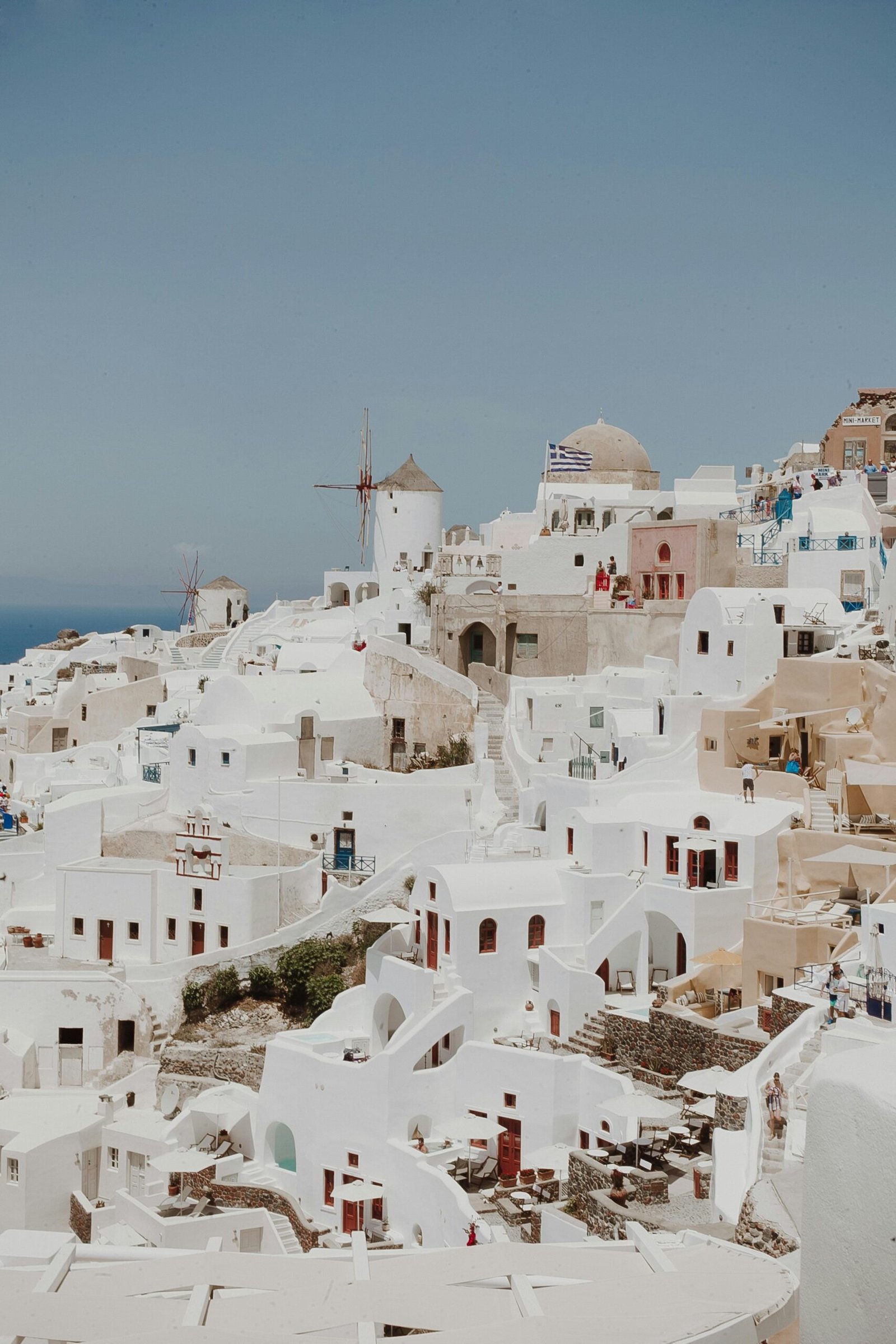
In Santorini, where you stay shapes the entire trip. Oia is the obvious name, but it is not the right answer for everyone; it is polished, expensive, and heavily visited. Fira is more practical and more central in feel, but it is also busier and less refined in the way many luxury travelers want.
Imerovigli is often the smartest choice for travelers who want the caldera experience without the same level of noise and crowd pressure. Firostefani sits in a useful middle ground, while Megalochori gives a more grounded village feel that suits people who care less about the famous view and more about breathing room. Pyrgos is worth considering for travelers who want a stronger sense of the island’s interior character, not just the postcard edge.
These are not interchangeable areas. Choosing the wrong one is one of the most common planning errors, and it has real consequences: people book for a view they barely use, or they choose a quieter area and then complain that they are too far from the atmosphere they thought they wanted.
What you gain — and what you give up
You gain a destination with serious visual impact, strong dining, and a level of polish that many Greek islands simply do not offer. Santorini also gives you a very clear sense of place; it does not try to be all things to all travelers. That clarity is part of its appeal.
You give up flexibility, value, and the easy, unforced feel that defines many other islands. You also give up the illusion that you can make last-minute choices and still get the best version of the trip. Santorini is not forgiving of casual booking habits.
For travelers who want context before they choose, the official national tourism site at
Visit Greece is useful for broad destination framing, but it will not solve the real problem here: matching the island’s structure to the way you actually travel.
A counterintuitive truth about Santorini
The surprising thing is that Santorini often works better for travelers who are not obsessed with the famous sunset. That sounds wrong until you spend time there. The people who enjoy the island most are usually the ones who care about architecture, dining, and atmosphere, and who are willing to treat the view as one part of the trip rather than the whole point.
Once you stop chasing the most obvious version of Santorini, the island becomes more usable. That is another reason Why Santorini Works Better as a Second Greece Trip: first-time visitors tend to overvalue the headline image, while repeat Greece travelers are more likely to make better decisions about where to stay and what to prioritize.
Who this suits
Santorini suits couples, design-minded travelers, and people who want a short, high-impact stay with strong dining and a polished setting. It also suits travelers who have already seen enough of Greece to know that not every island should be judged by the same standard.
It does not suit travelers who want a relaxed, beach-first holiday, families who need easy space and low-friction logistics, or anyone who gets irritated by crowds and premium pricing. It is also a poor fit for first-time Greece visitors who want Santorini to be their reference point for the whole country. That is a bad benchmark.
If you want a broader sense of the country’s cultural and regional context before choosing an island, the Ministry of Culture’s site at culture.gov.gr/en/ is a more useful starting point than social media, because it reminds you that Greece is not one uniform travel product.
Where Santorini fits in a smarter Greece trip
Santorini works best when it is not carrying the whole trip. Put it after another island or after a mainland stay, and it reads more clearly. You are then less likely to expect it to behave like Naxos, Paros, Crete, or any of the larger islands where daily life has more room to breathe.
That sequencing matters because Santorini can feel intense if it is your first Greek island. If it comes later, you are more likely to appreciate the trade-offs instead of fighting them. That is the practical value of Why Santorini Works Better as a Second Greece Trip: it helps travelers stop asking the wrong question.
- Choose Santorini for a focused, premium, visually strong stay.
- Choose another island first if you want a looser, more traditional Greece experience.
- Choose your neighborhood carefully, because location changes the whole trip.
My position is straightforward: Santorini is a better second island than first island for most travelers. Not because it is difficult in a dramatic sense, but because it is easy to misunderstand. The people who do best here are the ones who already know what kind of Greece they want, and what they are willing to give up to get it.
Why Santorini Works Better as a Second Greece Trip is not about gatekeeping. It is about reducing avoidable disappointment. If you want the island to work, plan around its realities instead of the fantasy version that sells itself so well online.
Greece rewards travelers who arrive with a plan built around how they actually travel — not a generic template. The difference between a frustrating trip and a remarkable one often comes down to sequence, timing, and knowing which trade-offs matter for your situation.
Recommended experiences
Some experiences mentioned here are curated and managed by Elite Greece Travels.
- Athens Milos Santorini Itinerary 9 Days — Itinerary (managed by Elite Greece Travels).
- Greece 7 Day Itinerary Athens Delphi Meteora Santorini — Itinerary (managed by Elite Greece Travels).
- Santorini Sunset Cruise With Dinner In The Caldera — Cruise (managed by Elite Greece Travels).
Frequently asked questions
Why is Santorini better as a second Greece trip?
Because travelers who have already seen another Greek island usually understand the difference between a relaxed island and a highly curated one. That makes Santorini easier to appreciate and much less likely to disappoint.
What do first-time visitors usually get wrong about Santorini?
They assume it will feel like a general Greek island holiday. They also overfocus on the view and underthink neighborhood choice, which leads to expensive but awkward stays.
Which Santorini areas are best for a first visit?
Oia, Imerovigli, Fira, Firostefani, Megalochori, and Pyrgos each serve different traveler types. The right choice depends on whether you want views, convenience, quiet, or a more grounded village feel.
Is Santorini worth it if I only care about beaches?
Usually not as a first choice. Santorini is stronger for atmosphere, dining, and the caldera experience than for a classic beach-focused island holiday.
When is Santorini easiest to enjoy?
Shoulder season is often the sweet spot for travelers who want less pressure and better value. Peak summer is the most intense and least forgiving time to visit.
Who should skip Santorini?
Travelers who want space, low crowds, easy spontaneity, or a laid-back beach trip should look elsewhere. Families and first-time Greece visitors who want a broad introduction to the islands often do better on another destination first.