

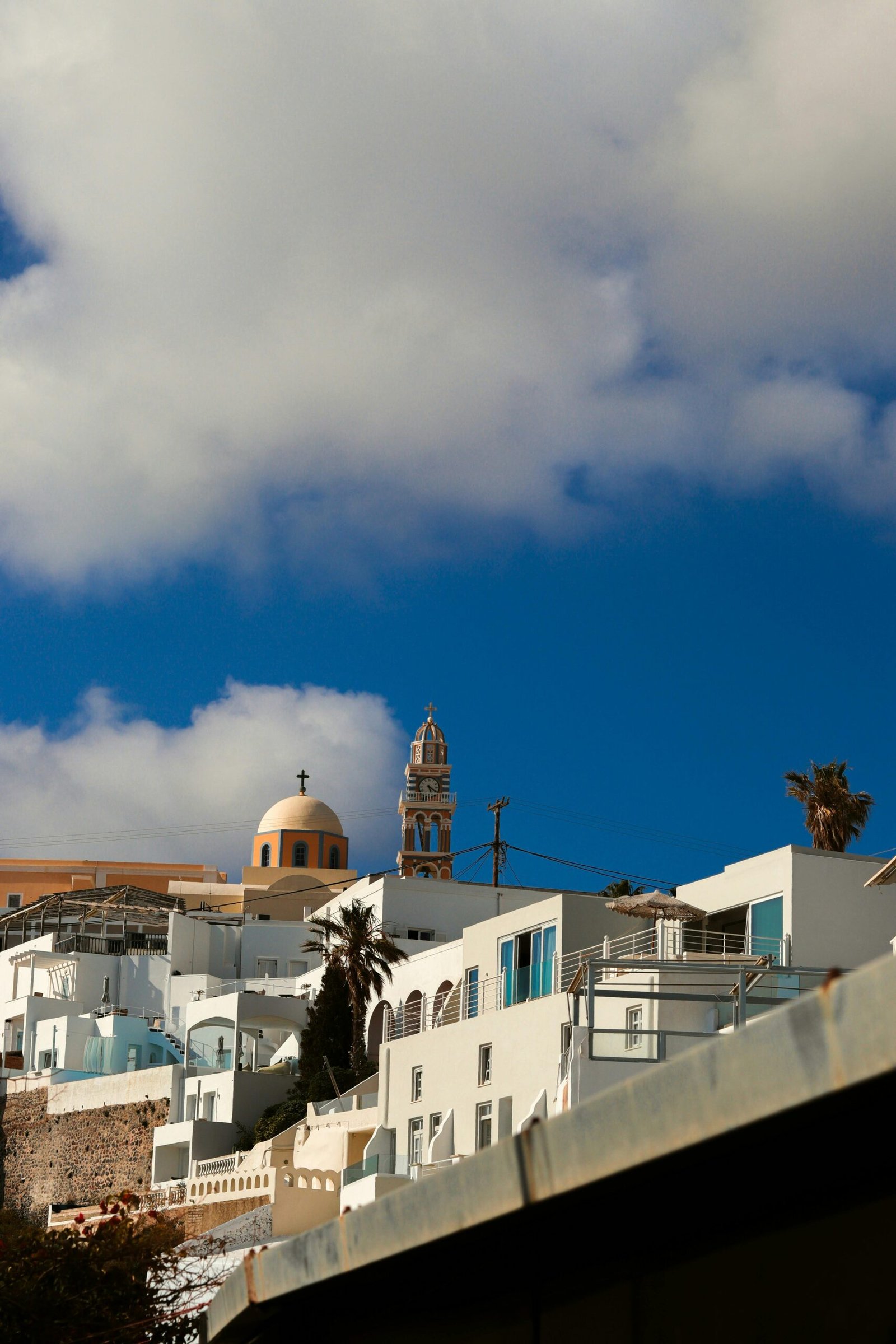
Why Most First-Timers to Santorini Leave Slightly Disappointed is usually not a problem of the island itself. It is a problem of expectation: people arrive looking for the version they have seen online, then react badly when the real place is busier, tighter, and more commercial than the image they carried in. That gap is where the disappointment starts.
The mistake is emotional before it is practical. Travelers want Santorini to feel rare, private, and effortless, and peak season gives them the opposite: crowds, heat, pressure, and a constant sense that they are sharing every view with everyone else. If you understand that pattern early, you can make better decisions about timing, pace, and what Santorini is actually good at.
Why Most First-Timers to Santorini Leave Slightly Disappointed
Why Most First-Timers to Santorini Leave Slightly Disappointed is not a mystery to anyone who has watched arrivals in peak season for years. The island is sold as a once-in-a-lifetime visual experience, so first-timers arrive expecting a clean emotional payoff the moment they step off the boat or plane. What they get instead is a place that is famous, crowded, expensive, and heavily managed around the visitor economy.
The disappointment is usually mild, not dramatic. That is what makes it so common: people do not feel cheated enough to complain loudly, but they do leave with the sense that something did not quite land. They expected a peak experience and got a very busy destination with a strong brand.
The assumption behind the Santorini decision
Most first-timers choose Santorini because they want certainty. They want to know they picked the right Greek island, and Santorini feels like the safest answer because it is the most recognizable one. That is a psychological shortcut, not a travel strategy.
People also choose it because they are trying to avoid regret. If everyone knows Santorini, then missing it feels like missing Greece itself. That fear of omission is powerful, and it pushes travelers toward the island even when their actual priorities are quieter beaches, less pressure, or more room to breathe.
In practice, this is where the wrong assumption creates a real problem: travelers choose the island for its image, then judge it by the standards of a relaxed holiday. Those are not the same thing. Santorini in peak season is a high-demand destination with a lot of friction built into the experience.
Why the image is so hard to resist
Santorini is one of the easiest places in Greece to overvalue before you arrive. The photos are clean, the branding is strong, and the island has been packaged for years as the default answer to a special trip. That creates a mental trap: people think they are choosing a destination, when they are really choosing a promise.
There is also a status element that travelers rarely admit out loud. Santorini signals that you have done Greece properly, especially if this is your first time. That social pressure matters more than most people realize, and it is one reason they tolerate prices and crowds they would reject elsewhere.
For context, Greece is full of places that are better suited to different moods and different seasons, and official tourism information at
Visit Greece can help you see how broad the country actually is. The problem is that first-timers often do not want breadth; they want the one place everyone already agrees on.
Why Most First-Timers to Santorini Leave Slightly Disappointed in peak season
Peak season is where the emotional mismatch becomes obvious. Travelers expect romance, space, and a sense of exclusivity. What they actually encounter is congestion, queues, inflated pricing, and a constant need to work around other people’s schedules and expectations.
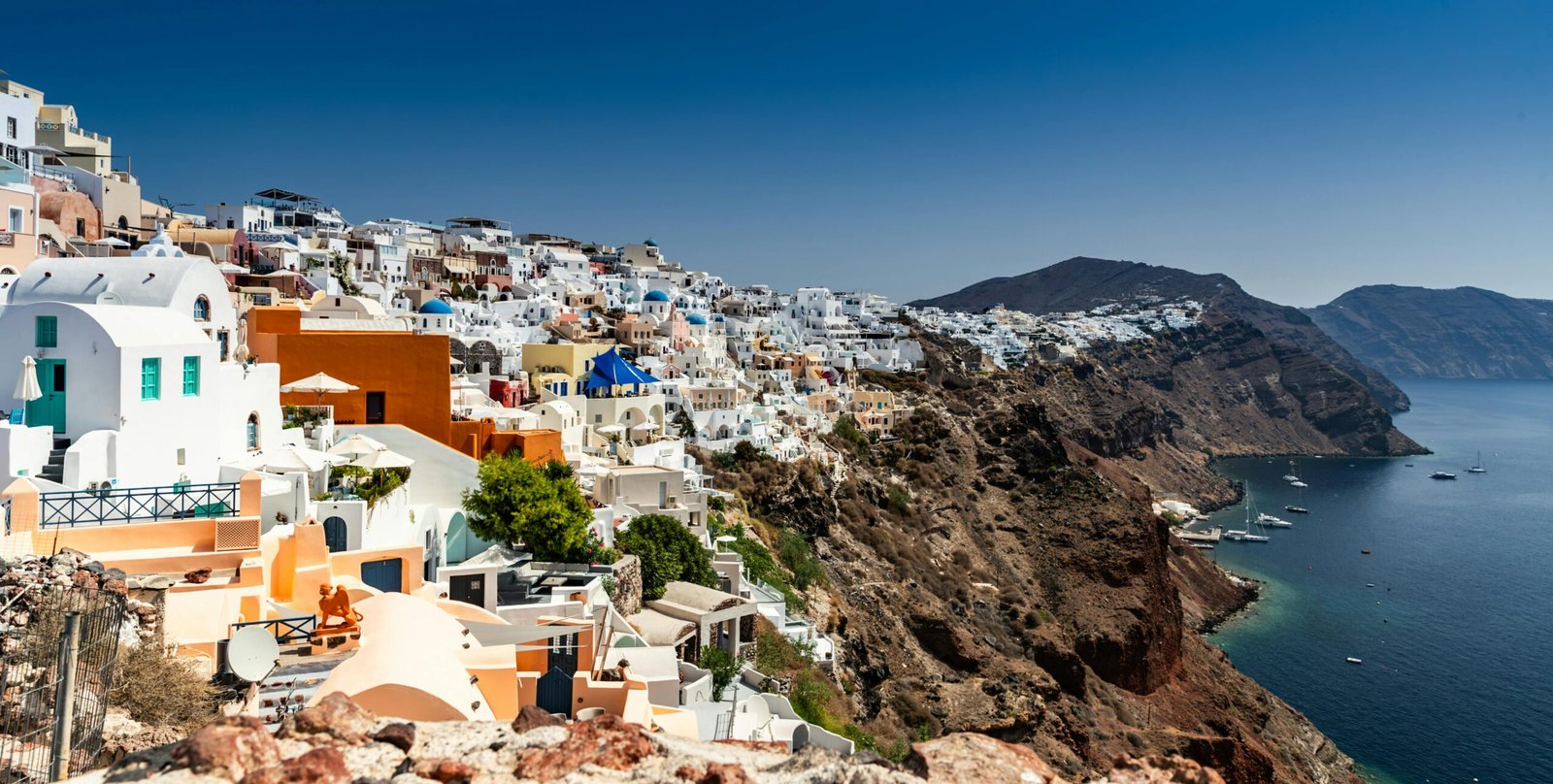
Here is the counterintuitive part: Santorini often disappoints most when it is doing exactly what made it famous. The views are still there, the caldera is still dramatic, and the village edges still look like the photos. But the more the island delivers the image, the more visitors notice everything around the image: noise, crowding, and the feeling that they are one of many people trying to have the same moment.
That is why Why Most First-Timers to Santorini Leave Slightly Disappointed is really a story about emotional compression. Travelers arrive with a big expectation and very little tolerance for friction. Santorini does not fail them; it simply refuses to be as private as they imagined.
The moment disappointment usually hits
The letdown usually arrives in one of two moments. For some, it is the first time they try to enjoy a famous view and realize they are sharing it with a crowd that is doing the same thing. For others, it is the first meal or sunset experience when the price feels disconnected from the actual comfort or quality.
That moment matters because it changes the emotional math of the trip. Once a traveler feels they have overpaid for access to a crowded scene, every later expense feels sharper. The island becomes harder to enjoy because the mind starts keeping score.
This is also where many first-timers misread their own reaction. They assume they are being difficult or ungrateful. In reality, they are reacting to a mismatch between what they thought they were buying and what the island can realistically deliver in peak season.
The traveler types most prone to this pattern
Some travelers are simply more vulnerable to disappointment in Santorini than others. The most prone are the ones who want a calm, elegant, low-friction trip but choose the island because it is famous. They are not wrong to want ease; they are wrong to expect it from the most heavily visited island in the Cyclades.
Couples on a milestone trip are especially exposed. They often want the island to validate the occasion, which makes them more sensitive to crowds, service delays, and anything that feels ordinary. The same is true for first-time Greece visitors who want their trip to feel definitive and are carrying too much emotional weight into one destination.
- First-time Greece travelers who want one “perfect” island
- Couples expecting privacy and quiet in peak season
- Travelers who equate famous with best
- People who dislike crowds but book around the crowd anyway
There is also a group that rarely admits disappointment: travelers who care more about the social proof of being there than the experience itself. They may post happy photos and still leave feeling oddly flat. That is not because Santorini is fake; it is because the trip was built around external validation instead of actual enjoyment.
What a more realistic approach looks like
A better approach starts with a blunt question: what are you actually trying to feel in Greece? If the answer is calm, space, and a sense of discovery, Santorini may not be the best first choice in peak season. If the answer is a famous caldera setting and you are prepared for the trade-offs, then the island makes more sense.
This is where Greece rewards travelers who arrive with a plan, but only if the plan is based on emotional honesty rather than wishful thinking. Santorini works best when you accept that it is a high-demand destination with a strong visual payoff and a limited tolerance for fantasy. That is not a criticism; it is the operating reality.
For travelers who want to understand the island in a broader cultural context, the Acropolis Museum is not about Santorini itself, but it is a useful reminder that Greece’s appeal is not limited to one famous view. The country rewards people who look beyond the obvious answer.
Reframing the decision before you book
The right way to approach Santorini is not to ask whether it is worth it in some abstract sense. It is to ask whether you are choosing it for the right reason. If you want the iconic setting and can tolerate crowds, high prices, and a more managed experience, then the island can still be a strong choice.
If you want a quieter emotional experience, choose differently and stop treating that as a compromise. The real mistake is not missing Santorini; it is forcing Santorini to do a job it was never designed to do. Once travelers accept that, the trip usually improves before they even arrive.
Why Most First-Timers to Santorini Leave Slightly Disappointed is ultimately a warning about expectation management, not a verdict on the island. Santorini is famous for a reason. It just is not built to satisfy every fantasy people project onto it.
Greece doesn’t punish inexperience. It punishes unexamined assumptions. The travelers who leave disappointed rarely lacked information — they lacked a framework for using it.
Frequently asked questions
Why do first-time visitors to Santorini often feel underwhelmed?
Because they arrive expecting a private, effortless version of the island and meet a busy, expensive, high-demand destination instead. The gap between image and reality is usually the real problem.
Is Santorini still worth visiting for a first trip to Greece?
Yes, if you understand what you are choosing. It is worth it for the caldera setting and the famous views, but not for travelers who want quiet, space, or a low-friction island experience.
What is the biggest mistake first-timers make with Santorini?
They choose it because it is famous, not because it matches their actual travel mood. That is how people end up disappointed even when the island delivers exactly what it is known for.
Why does peak season make Santorini feel worse?
Peak season amplifies every weakness: crowds, prices, heat, and pressure. The island’s visual appeal stays the same, but the comfort level drops, which changes how the trip feels emotionally.
Who is most likely to be disappointed by Santorini?
Travelers who dislike crowds, couples expecting privacy, and first-time Greece visitors who want one perfect island are the most vulnerable. They are often asking Santorini to provide a kind of ease it cannot reliably offer in peak season.
How should I think about Santorini differently before booking?
Treat it as a famous, high-demand destination with a specific appeal, not as the default answer for Greece. Once you stop expecting it to be everything, you can decide more clearly whether it fits your trip.