

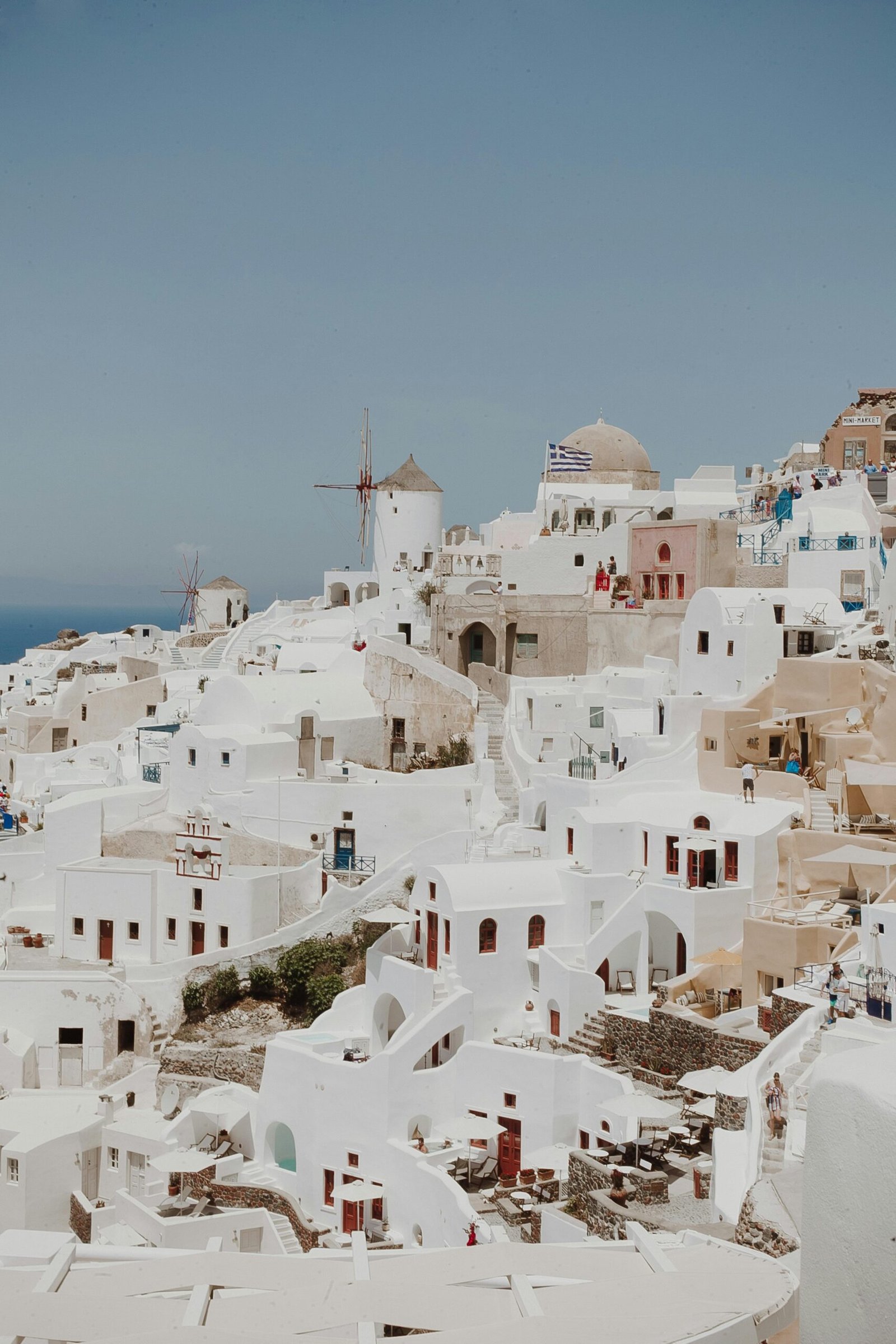
Why Most First-Timers to Santorini Leave Slightly Disappointed usually comes down to one thing: people book the image, not the experience. They arrive expecting the island to behave like the version they have seen online, then feel let down when reality is more crowded, more expensive, and less private than they imagined.
The mistake is not wanting beauty. The mistake is assuming Santorini will deliver it in the same emotional package all day, every day, in peak season. It won’t, and that gap is exactly where disappointment starts.
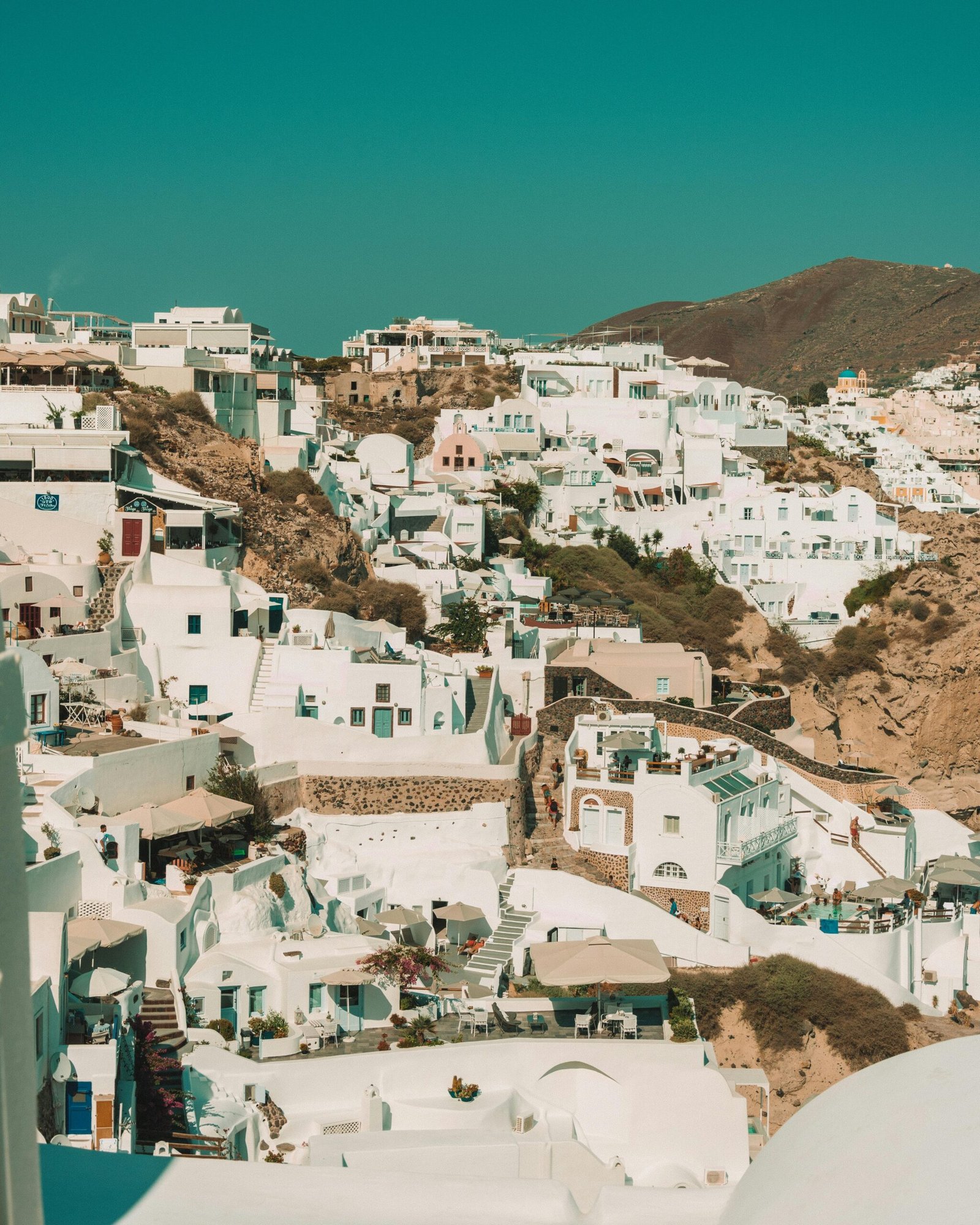
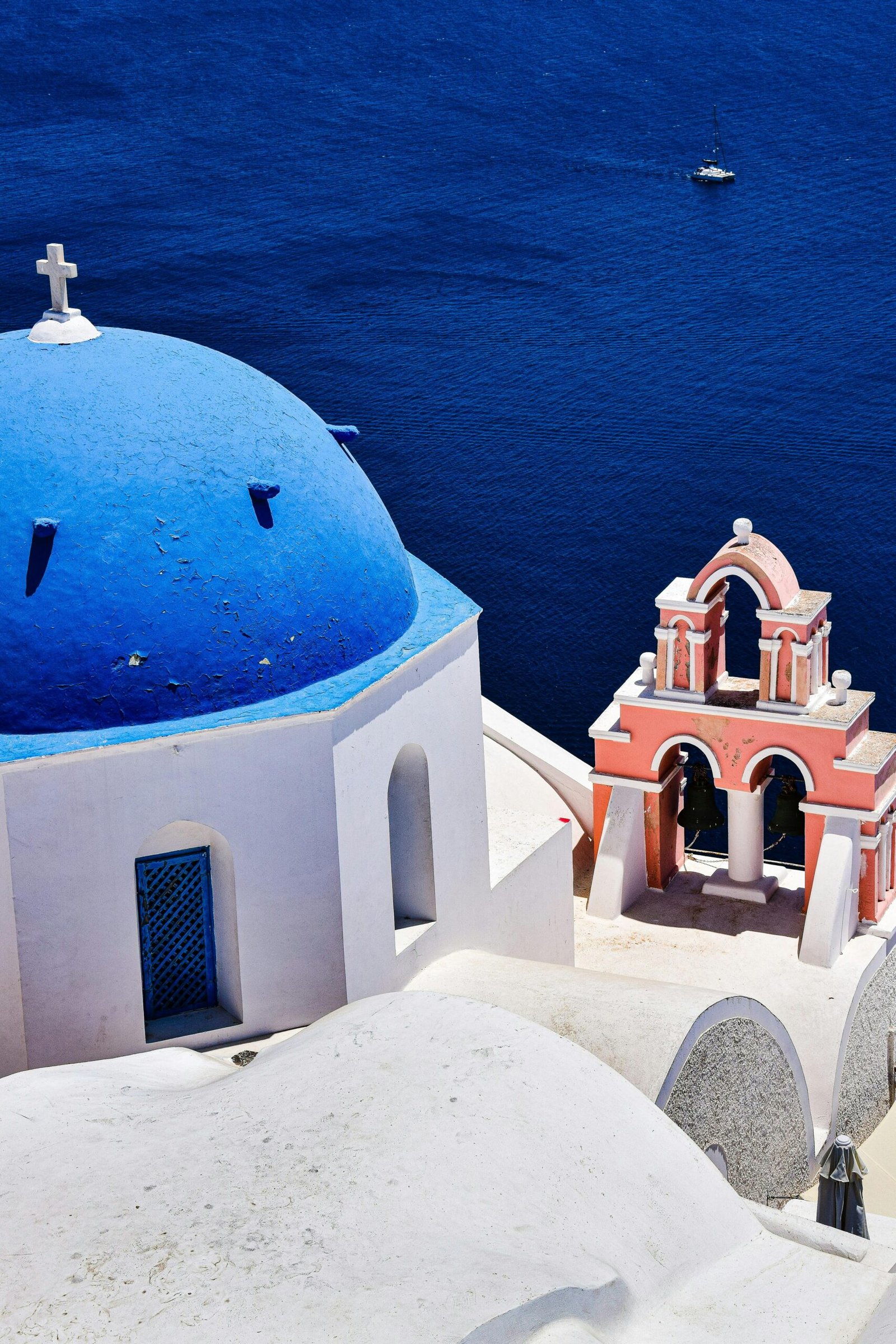
Why Most First-Timers to Santorini Leave Slightly Disappointed
The core problem is expectation inflation. Santorini is one of the most photographed places in Greece, so first-timers do not arrive neutral; they arrive already carrying a script about what the trip should feel like. They expect ease, quiet, and a sense of personal discovery, even though Santorini in peak season is one of the most managed, watched, and heavily visited places in the country.
This is why Why Most First-Timers to Santorini Leave Slightly Disappointed is not really a destination problem. It is a mismatch between a fantasy built from curated images and the operational reality of a small island under intense demand. If you understand that before you book, you make better decisions immediately.
The emotional trap behind Why Most First-Timers to Santorini Leave Slightly Disappointed
People do not choose Santorini only because it is famous. They choose it because it feels like a safe bet for a milestone trip, a honeymoon, or a once-in-a-lifetime escape. That emotional framing raises the stakes, which is why small irritations feel bigger than they should.
When travelers spend a lot of money and time to get somewhere, they want the place to validate the decision. Santorini is poor at that kind of emotional reassurance in peak season because it is busy, expensive, and highly visible. The result is a strange sense of buyer’s remorse even when the island is objectively beautiful.
What people expect versus what they actually get
Most first-timers expect privacy, calm, and uninterrupted views. What they often get is scheduled movement, crowded viewpoints, packed terraces, and a constant awareness that many other people are trying to have the same exact moment at the same exact time.
The emotional gap is not that Santorini is unattractive. It is that the island feels more public than people want to admit before they arrive. That is the part travelers underestimate: not the scenery, but the social pressure of sharing every “special” moment with a crowd.
There is also a practical consequence. Once the trip starts feeling crowded, travelers begin overcorrecting by chasing quieter spots, spending more than planned, or trying to force a romantic tone that the setting is not delivering naturally. That is usually when the mood drops.
The specific moment disappointment usually hits
For many travelers, the disappointment arrives the first time they realize the island is not giving them a private experience by default. It might be at a viewpoint, on a terrace, or during the part of the day they assumed would feel calm. The issue is not one bad moment; it is the realization that the whole island is operating at a different pace than the one they imagined.
This is the moment when people start saying the trip feels “overhyped.” That word is usually a defense mechanism. What they really mean is that the island did not match the emotional promise they attached to it.
That is also why peak season matters so much. In a quieter period, Santorini can feel composed and deliberate. In high season, it often feels like a premium product with too many buyers in the room at once.
Who is most prone to this pattern
The travelers most likely to leave slightly disappointed are not bad travelers. They are often the ones who care the most about the trip feeling meaningful. Honeymooners are especially vulnerable because they expect the destination to do some of the emotional work for them.
First-time Greece visitors also fall into this trap because they do not yet know how different Greek islands can be from one another. Santorini is often treated as the default Greek island experience, which is a mistake. It is a very specific kind of island,
and official Greece travel guidance does not change the fact that a famous place and a good fit are not the same thing.
- Travelers chasing a “best of Greece” milestone
- Honeymooners expecting privacy to come standard
- Visitors who equate famous with emotionally satisfying
- People booking peak season because they assume that is when the island is at its best
These travelers are not making irrational choices. They are making emotionally loaded ones. That is why the disappointment feels personal instead of logistical.
Why peak season makes the problem worse
Peak season does not just add people. It changes the entire psychological texture of the island. The same view that feels expansive in the shoulder season can feel transactional in July and August because you are constantly aware of turnover, timing, and competition for space.
Greece rewards travelers who arrive with a plan, but Santorini punishes travelers who assume the island will organize itself around their mood. That is the hard truth. The more you expect spontaneity, the more likely you are to spend money and energy reacting to congestion.
There is a counterintuitive point here: the more beautiful the place, the more likely people are to feel disappointed if they cannot access that beauty privately. Santorini’s image creates a sense of entitlement to intimacy, and peak season strips that away fast.
What a more realistic approach looks like
The better way to approach Santorini is to treat it as a high-demand, high-visibility destination with limited emotional privacy. That does not mean avoiding it. It means deciding in advance whether you want the island for the view, the status, the atmosphere, or the experience of being there with everyone else.
If you want quiet, slow, or deeply personal travel, Santorini should not be your whole trip. If you want the famous caldera experience, then go in knowing that you are buying access to a shared spectacle, not a private fantasy. That shift in framing removes a lot of resentment.
For travelers who want the cultural side of Greece to balance the glamour, a place like the Acropolis Museum is a reminder that Greece is not only about views and photo moments. It is also about context, depth, and places that ask for attention instead of performance.
How to think about Santorini without getting burned
Start by asking a blunt question: are you going to Santorini because you want Santorini, or because you want the idea of what Santorini represents? Those are not the same trip. The second one is usually the one that disappoints.
Why Most First-Timers to Santorini Leave Slightly Disappointed is not a warning to avoid the island. It is a warning to stop treating a famous place like a guaranteed emotional outcome. Once you accept that distinction, you can plan with more clarity and far less resentment.
That is the real reframe. Santorini works best when you see it as one part of a larger Greece trip, not the entire emotional center of it. If you build around that truth, the island becomes much easier to enjoy for what it actually is.
Recognizing the pattern is the first step. The second is building a trip around how you actually travel — not the traveler you imagine yourself to be. Most great Greece experiences start with that honesty.
Frequently asked questions
Why do so many first-time visitors feel let down by Santorini?
Because they arrive with a polished image in mind and then meet a much busier, more public, and more expensive reality. The island is still impressive, but peak season can make it feel less personal than people expected.
Is Santorini overrated?
For travelers expecting privacy, quiet, and ease in peak season, yes, it often is. For travelers who understand it as a high-demand, highly visible destination, it can still be worth the visit.
What is the biggest mistake first-timers make in Santorini?
They assume the island will deliver a romantic mood automatically. In reality, the mood depends heavily on season, crowd levels, and how much pressure they put on the trip to be perfect.
Who is most likely to be disappointed by Santorini?
Honeymooners, milestone travelers, and first-time Greece visitors who expect Santorini to represent the whole country. Those groups are most likely to attach too much emotional weight to the trip.
Does Santorini only disappoint in peak season?
Peak season makes the disappointment more common because crowds and costs rise sharply. In quieter periods, the island is easier to appreciate because the atmosphere is less compressed.
Should first-timers skip Santorini entirely?
Not necessarily. The better question is whether Santorini fits the role you want it to play in the trip. If you want a famous, high-visibility island experience, it can fit. If you want calm and privacy, it is usually the wrong primary choice.
How should I think about Santorini differently before booking?
Treat it as a destination with a very specific emotional profile, not a universal Greek island experience. That shift helps you choose the right season, the right expectations, and the right place in your itinerary.