

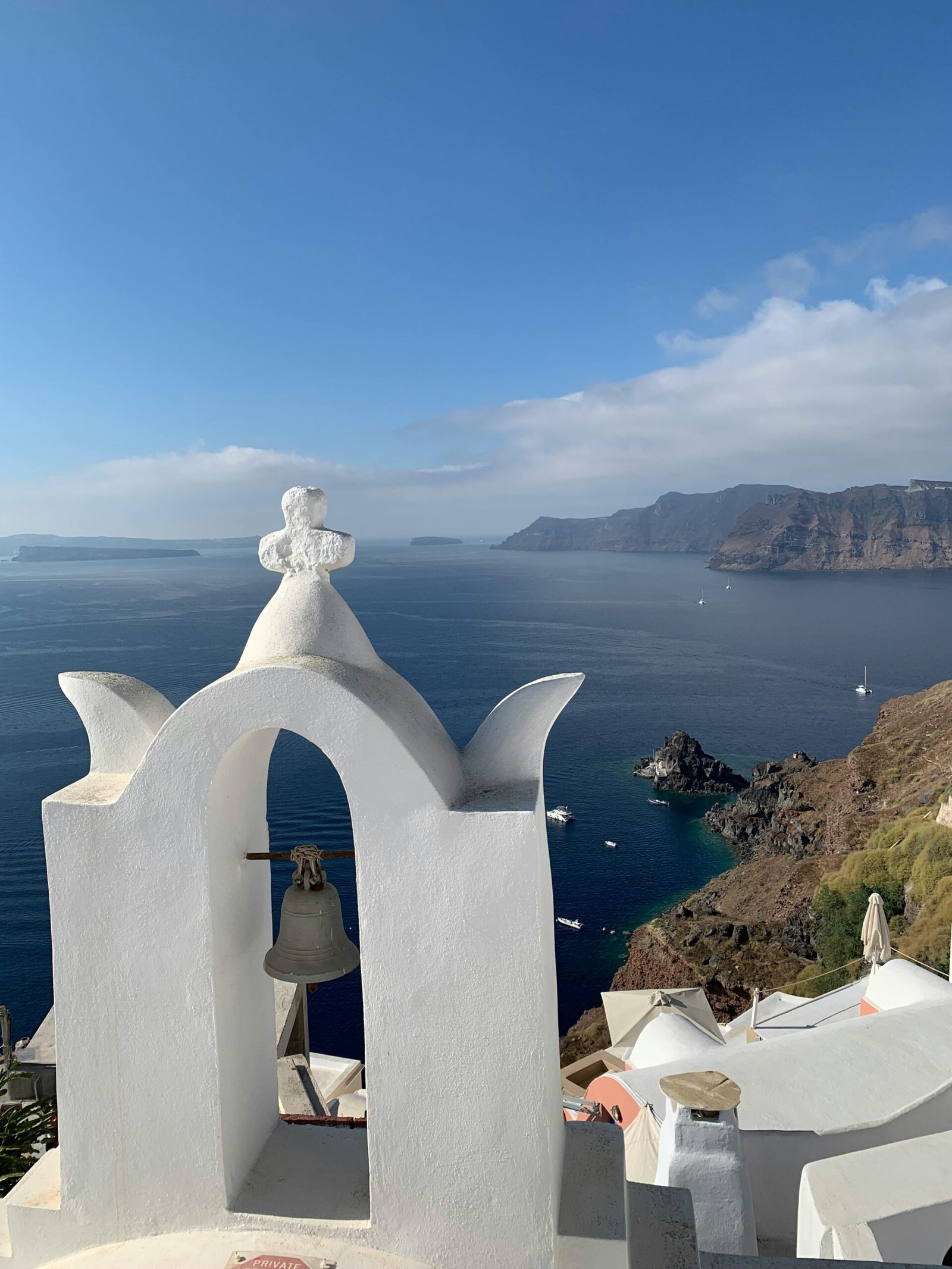
Why Santorini Is Harder to Plan Well Than People Admit is that the island punishes vague planning. People arrive thinking it is a simple “book any cave suite and enjoy the view” destination, then discover that location, crowd timing, and hotel placement change the trip completely.
The island is small, but the experience is not simple. If you choose the wrong area, you can end up paying premium rates for views you barely use, or sitting in the wrong part of the island for the kind of trip you wanted in the first place.
Why Santorini Is Harder to Plan Well Than People Admit
Santorini is one of the easiest places in Greece to picture and one of the easiest to get wrong. The island sells a clean visual story, but the real trip is shaped by where you stay, what time of year you go, and whether you understand how concentrated the premium areas really are. Why Santorini Is Harder to Plan Well Than People Admit is not a theory; it is what I see when travelers book for photos instead of function.
The first mistake is assuming every famous area gives the same experience. Oia, Imerovigli, Fira, Firostefani, Akrotiri, and Kamari all serve different traveler types, and the wrong match creates friction fast. The second mistake is underestimating how much the island changes between shoulder season and peak season, especially if you want calm mornings, easy movement, and a hotel that actually feels worth the rate.
Why Santorini Is Harder to Plan Well Than People Admit: the real problem is fit, not beauty
Santorini is not difficult because it lacks options. It is difficult because the options are narrow and expensive, and many of them are optimized for a very specific kind of stay. People who want a romantic, view-heavy, low-movement trip can do well here; people who want flexibility, variety, and easy spontaneity often leave feeling they overpaid.
This is where travelers get trapped by the island’s reputation. They assume the “best” area is universally best, when in reality the best area is the one that matches how they actually travel. Why Santorini Is Harder to Plan Well Than People Admit is that the island rewards precision, not general enthusiasm.
What travelers consistently get wrong
Most travelers overvalue the view and undervalue the room category, the neighborhood, and the daily rhythm of the area. A caldera-facing hotel in the wrong part of the island can be a poor fit if you dislike steps, noise, or being boxed into one expensive lane of activity. A cheaper stay in the wrong zone can also be a false economy if it adds friction every day.
They also underestimate how quickly the island becomes crowded in the places everyone wants to see at the same time. Oia in particular is not a place to “just see how it goes” if your trip depends on a relaxed pace. If you want a calmer Santorini, you need to plan around where the pressure points are, not pretend they do not exist.
Where the island actually works for different traveler types
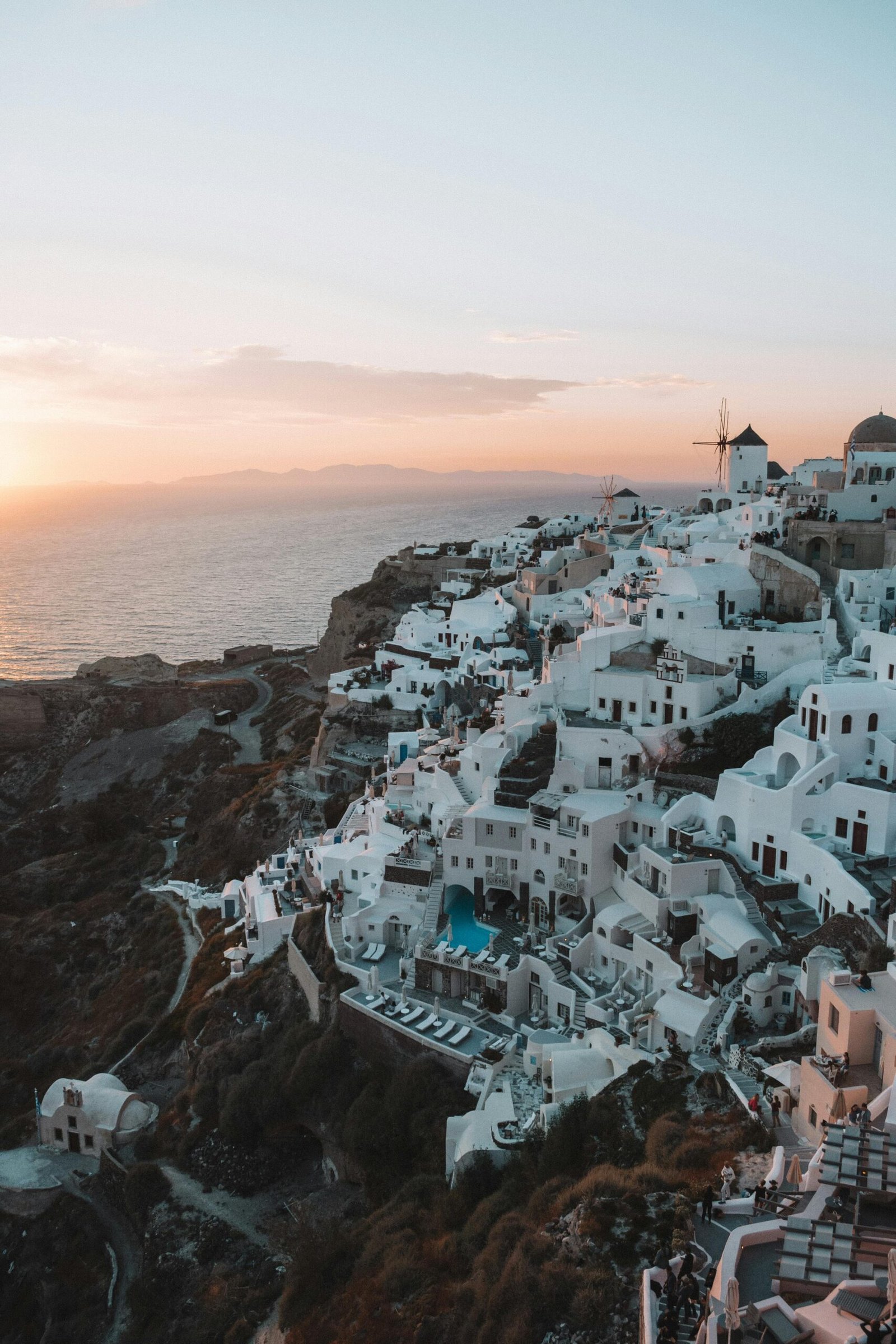
Oia suits travelers who want the classic caldera experience and accept that they are paying for the most famous address on the island. It is the wrong choice for anyone who is sensitive to crowds, wants easy movement, or assumes the most photographed place will also be the most comfortable.
Imerovigli is often the best balance for couples who want views without the same level of intensity as Oia. Firostefani works well for people who want to be near the action but not inside the most congested pocket of it. Fira is practical and central, but it is not the polished, quiet, luxury-feeling base many first-timers imagine.
Akrotiri suits travelers who want a more subdued stay and do not need the island’s most famous sunset setting to feel satisfied. Kamari is useful for beach-oriented travelers and families who prefer a more straightforward base, but it is not where you book if the caldera view is the priority. These distinctions matter because Santorini punishes people who choose by reputation instead of use case.
A counterintuitive truth about Santorini
The most expensive room is not always the smartest room. In fact, some travelers are better off paying less for a better-located base and spending their budget on a higher-quality room category, better service, or simply a more comfortable overall stay. A mediocre caldera room in the wrong spot can feel far worse than a well-run property in a less famous area.
This surprises people because they assume Santorini is a pure view destination. It is not. It is a placement destination, and placement beats raw spectacle when you are actually living in the room for several nights. Why Santorini Is Harder to Plan Well Than People Admit is that the “best” choice often looks less impressive on a booking page and works much better in real life.
Season matters more here than most travelers realize
Peak summer changes the island’s mood completely. Rates climb, premium rooms sell early, and the areas that feel manageable in May can feel compressed in July and August. Travelers who book late often end up with the leftovers: awkward room categories, poor value, or a location that only works if they are willing to compromise on comfort.
Shoulder season is usually the smarter play for most visitors, especially couples and first-timers who care about the overall feel of the trip. You still need to choose carefully, but the island gives you more room to make a good decision. If you ignore seasonality, the practical consequence is simple: you pay more for less and still end up competing with the crowd for the same limited experience.
Who this suits
- Best for: couples, honeymooners, design-focused travelers, and people who want a short, polished stay with a strong visual identity.
- Also good for: travelers who are comfortable paying for location and understand that convenience on Santorini is not cheap.
- Not ideal for: families who need easy movement, travelers who dislike crowds, and anyone who wants a loose, improvisational island trip.
- Not ideal for: budget travelers expecting Santorini to behave like a value destination.
If you want a trip with structure, a clear aesthetic, and a strong sense of place, Santorini can work very well. If you want a flexible island base with lots of room for spontaneity, this is not the place to force that model.
What you gain, and what you give up
You gain one of Greece’s most recognizable settings, strong hotel product at the high end, and a very clear sense of occasion. That is the upside, and for the right traveler it is real. You also gain a destination where the details matter more than people expect, which is why planning it well is worth the effort.
You give up ease, price flexibility, and a lot of room for error. Santorini is not forgiving of casual booking decisions, especially if you care about view quality, neighborhood feel, and avoiding unnecessary friction. If you want the island to work for you, you need to choose the right base rather than chase the most famous name.
For travelers who want a broader understanding of how Greece’s destinations differ in planning complexity,
Visit Greece is a useful starting point, but it will not tell you what actually works for your trip style. That part still needs judgment.
And if your trip includes a wider cultural focus beyond Santorini, it is worth remembering that Greece is not only about islands. For context on the country’s heritage framework and institutions, the Hellenic Ministry of Culture is the kind of reference most travelers never look at, but should.
Why Santorini Is Harder to Plan Well Than People Admit is that the island looks obvious until you try to match it to a real trip. If you choose the wrong area, the wrong season, or the wrong room type, the island will still be beautiful, but your experience will be unnecessarily compromised. Greece rewards travelers who arrive with a plan built around how they actually travel — not a generic template. The difference between a frustrating trip and a remarkable one often comes down to sequence, timing, and knowing which trade-offs matter for your situation.
Recommended experiences
Some experiences mentioned here are curated and managed by Elite Greece Travels.
- Athens Milos Santorini Itinerary 9 Days — Itinerary (managed by Elite Greece Travels).
- Greece 7 Day Itinerary Athens Delphi Meteora Santorini — Itinerary (managed by Elite Greece Travels).
- Santorini Sunset Cruise With Dinner In The Caldera — Cruise (managed by Elite Greece Travels).
Frequently asked questions
Is Santorini worth it for a first trip to Greece?
Yes, if you want a high-impact, visually distinctive stay and you are willing to plan carefully. It is not the best first stop for travelers who want the easiest or most flexible Greek experience.
Which area is best for a couple staying in Santorini?
Imerovigli is usually the strongest balance of views, atmosphere, and relative calm. Oia is more famous, but it is also more crowded and less forgiving.
What is the biggest mistake people make when booking Santorini?
They choose based on the view alone and ignore the practical feel of the area. In Santorini, the wrong location can ruin the value of an otherwise expensive stay.
Is Santorini good for families?
It can be, but only if the family is comfortable with a more structured, less spontaneous trip. Areas like Kamari are often more practical than the caldera villages for this type of stay.
When is the best time to go to Santorini?
Shoulder season is usually the smartest choice for most travelers. You get better value, less pressure, and more room to choose a property that actually fits your trip.
Do you need to stay in Oia to get the classic Santorini experience?
No. Oia is the most famous, not the only place with a strong caldera feel. Many travelers are better served by Imerovigli or Firostefani.