


Why a Greece Trip That Includes Athens, the Islands, and Mainland Greece Needs Expert Planning is not a marketing line; it is the reality of how this country works in summer. The problem is rarely choosing the right places. The problem is sequencing them in a way that does not waste days, flatten the trip, or leave you stuck in the wrong place at the wrong time.
In Greece, a vague plan gets punished fast. A good one makes Athens, island time, and mainland culture feel like parts of the same trip instead of three separate vacations stitched together badly.
Why a Greece Trip That Includes Athens, the Islands, and Mainland Greece Needs Expert Planning
I will take a clear position: if you want Athens, the islands, and mainland Greece in one summer trip, you need expert planning or you should simplify the trip. The country is not difficult in the abstract, but it is unforgiving when travelers build a broad itinerary without understanding seasonality, geography, and where the real friction sits. That friction is what ruins otherwise expensive trips.
Why a Greece Trip That Includes Athens, the Islands, and Mainland Greece Needs Expert Planning in Summer
Summer is when the mistakes get expensive. Athens is hot and intense, the islands are crowded and accommodation quality varies sharply by area, and the mainland is often treated as a side note when it should be a major part of the trip. If you try to treat all three as equal pieces, you end up with too many transitions and not enough actual time in any one place.
The smarter approach is to understand what each part of Greece is best for. Athens gives context, museums, and urban energy; the islands give sea-focused downtime; the mainland gives scale, history, and a very different sense of the country. The trip works when one part supports the others, not when all three compete for attention.
What Travelers Consistently Get Wrong
The first mistake is overpacking the islands. Travelers often name three or four islands because they sound efficient on paper, then discover that summer movement across Greece is not built for fast, casual hopping. The result is a trip spent checking in, checking out, and adjusting to new rooms instead of actually being somewhere.
The second mistake is underestimating Athens as a place to stay, not just pass through. Good neighborhoods matter here: Plaka is convenient but can feel overexposed, Koukaki is more practical for many travelers, and Kolonaki suits people who want a more polished urban base. Stay too far out and Athens becomes a transfer problem instead of a proper start to the trip.
A third mistake is treating the mainland like a backup plan. Nafplio, Delphi, Meteora, and the Peloponnese are not filler. They are the places that give a Greece trip depth, but they only work when they are placed deliberately and not squeezed in after the islands as an afterthought.
The Real Trade-Off: Variety Versus Friction
You gain a broader Greece experience when you combine Athens, the islands, and the mainland. You see more of the country’s range, you avoid the false idea that Greece is only beaches, and you get a trip with more texture. That is the upside, and it is real.
What you give up is simplicity. Every additional region adds decision points, and in summer those decisions matter more because crowds, heat, and availability reduce your margin for error. The travelers who complain most are usually the ones who wanted variety but did not accept the cost of moving around well.
My view is straightforward: one strong Athens base, one well-chosen island area, and one mainland stop usually beats a long list of names. That is not because Greece lacks options. It is because the country punishes indecision and rewards discipline.
Places That Need to Be Sequenced With Care
Athens, Nafplio, and one island in the Cyclades can make an excellent trip if the order makes sense. Athens works well when you want museums and city life first, while Nafplio gives a calmer mainland contrast that many travelers underestimate. A place like Paros or Naxos can then deliver the island portion without the chaos that comes with more overhyped summer choices.
Crete is a different case because it behaves more like a region than a simple island stop. It can absorb time properly, which is why many travelers do better with Crete plus Athens plus one mainland destination than with a rushed multi-island plan. Corfu, Rhodes, and the Peloponnese each create different planning consequences as well, because they pull the trip in distinct directions.
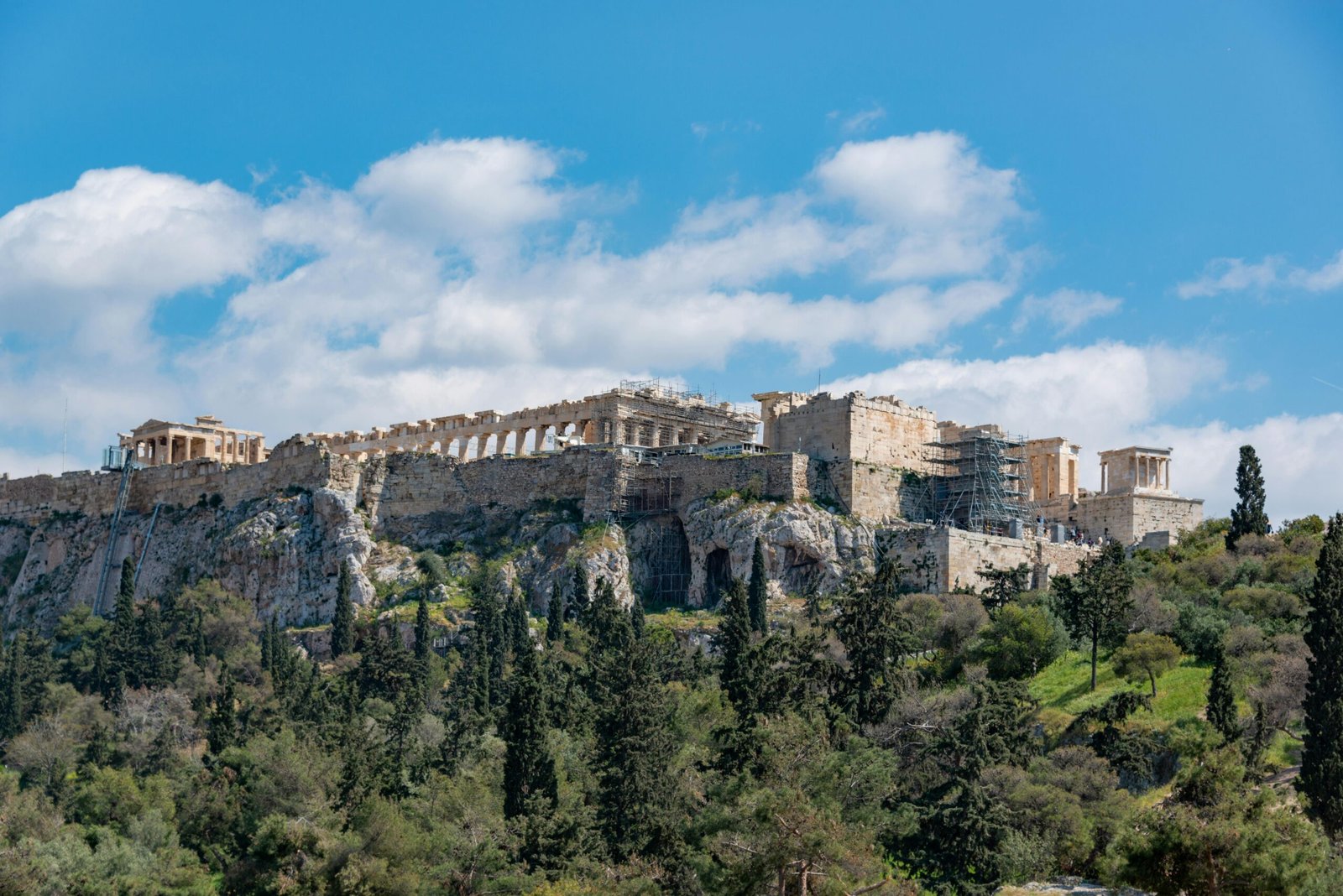
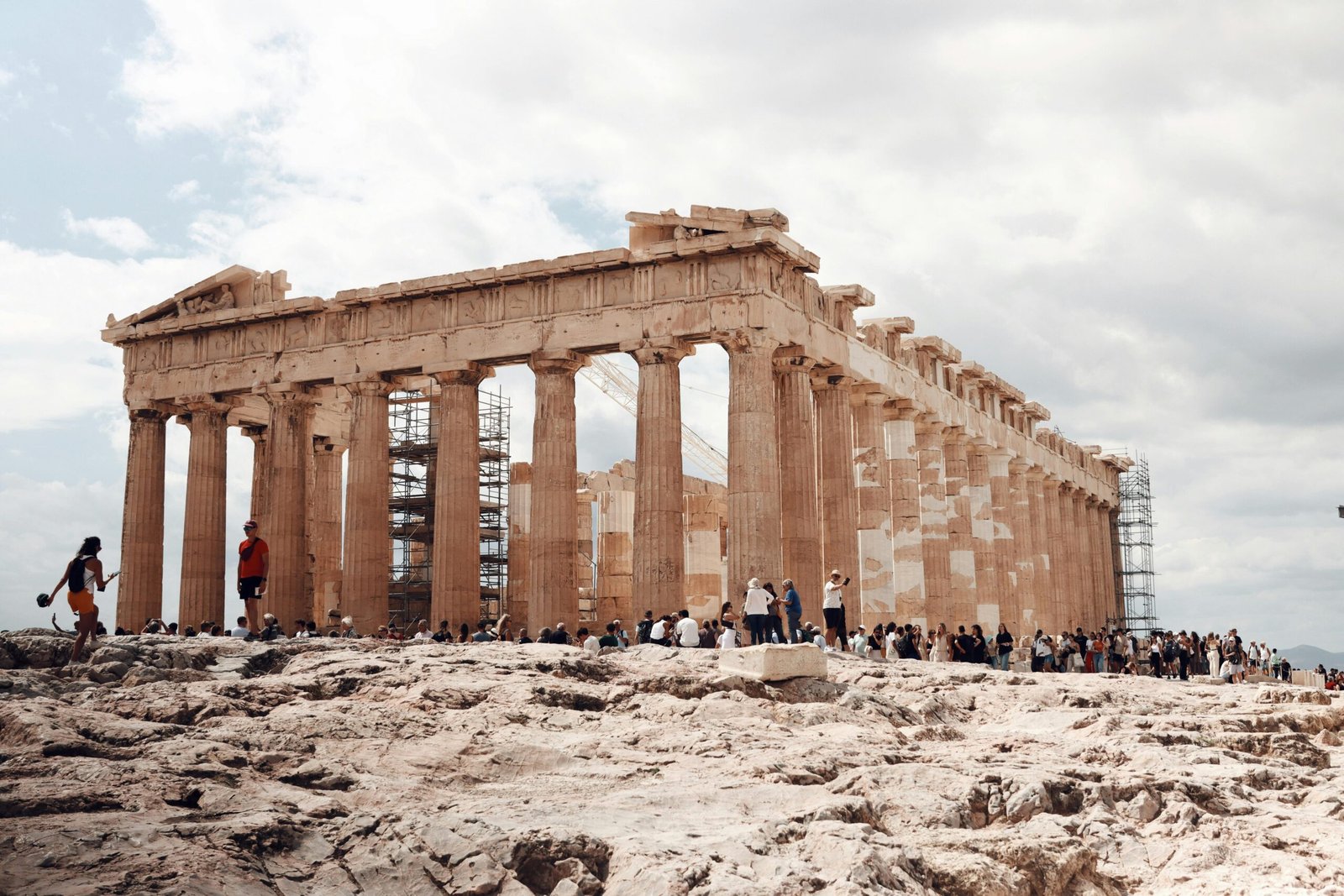
One practical consequence of poor sequencing: travelers often put Athens at the end when they are already tired and weathered from island movement. That is a mistake. Athens asks for energy, attention, and at least some patience, especially if you want to understand what you are seeing rather than just tick off the Acropolis and leave.
For official context on sites and cultural priorities, start with the Ministry of Culture. It is a better baseline than random blogs when you are trying to understand what actually matters on the ground.
A Counterintuitive Truth About Summer Greece
The surprising thing is that the most ambitious Greece trips are often the least satisfying. Travelers assume that adding more places makes the trip feel richer, but in summer it often makes the experience thinner because Greece’s best qualities need time, not movement. A shorter, better-sequenced trip usually feels more complete than a long one packed with forced variety.
This is especially true for first-time visitors who want both city and island life. They think they are being efficient by combining everything, when in fact they are creating the conditions for fatigue, rushed hotel choices, and shallow experiences. The country is not hard to enjoy; it is hard to compress badly.
Who This Suits
This approach suits travelers who value context, are willing to spend for better placement, and care more about the quality of the trip than the number of places visited. It also suits couples, families with older children, and repeat visitors who want to see Greece beyond the obvious summer postcard version.
It does not suit travelers who want to change base every other day, or people who believe a trip is better simply because it covers more names. If your main goal is a cheap beach break, a broad Athens-plus-islands-plus-mainland plan is usually the wrong structure. If you dislike heat, crowds, or making accommodation choices that matter, summer Greece will expose that quickly.
For a broader official overview of destinations, use
Visit Greece as a starting point, then narrow everything down to what actually fits your travel style.
- Best fit: travelers who want a fuller picture of Greece and are willing to plan carefully.
- Best fit: people who prefer one or two strong bases over constant movement.
- Poor fit: travelers chasing the lowest price across multiple regions.
- Poor fit: anyone expecting summer Greece to feel relaxed without advance decisions.
Where Expert Planning Actually Pays Off
Expert planning is most valuable when you are combining Athens with the islands and mainland Greece because the weak links are not obvious until too late. The wrong neighborhood in Athens, the wrong island for your travel style, or the wrong mainland stop can all drag the trip down. These are not dramatic failures; they are the kind that quietly waste money and energy.
That is why I do not treat this as a generic itinerary problem. It is a sequencing problem, a timing problem, and a fit problem. Get those right and Greece feels coherent; get them wrong and even excellent places can feel disjointed.
Conclusion
Most Greece trips follow the same tired script. The ones that don’t — the ones travelers still talk about years later — were built around a real understanding of how this country works. That kind of understanding takes time, or it takes someone who already has it.
Recommended experiences
Some experiences mentioned here are curated and managed by Elite Greece Travels.
- Greece 7 Day Itinerary Athens Delphi Meteora Santorini — Itinerary (managed by Elite Greece Travels).
- Best Of Greece Athens Paros Crete 7 Day Itinerary 6 Nights — Itinerary (managed by Elite Greece Travels).
- Athens Mykonos Itinerary 5 Days Luxury Greece Tour — Itinerary (managed by Elite Greece Travels).
Frequently asked questions
Why is combining Athens, the islands, and mainland Greece harder than it looks?
Because each part of the trip works on a different rhythm. Athens needs smart neighborhood choice, the islands need realistic time on the ground, and the mainland needs to be treated as a serious part of the journey rather than a leftover add-on.
What is the most common mistake travelers make with a Greece summer trip?
They try to see too much. In summer, that usually means too many bases, too much moving, and too little time in the places that actually matter.
Is Athens worth more than one night?
Yes, for most travelers it is. Athens is not just a stopover if you want museums, food, and context before the islands. Treating it as a quick pass-through is one of the most common planning errors.
Which mainland places make sense in a broader Greece trip?
Nafplio, Delphi, Meteora, and parts of the Peloponnese are strong options, but they need to be chosen for a reason. The mainland works best when it adds contrast or depth, not when it is added to fill space.
Is it better to do multiple islands or one island plus Athens and mainland Greece?
For most summer travelers, one island plus Athens and one mainland stop is the stronger trip. Multiple islands can work, but only if you accept the added friction and plan around it carefully.
Who should avoid a broad Greece itinerary?
Travelers who want a simple beach holiday, people who dislike changing bases, and anyone trying to keep costs very low. A broad itinerary in Greece usually increases complexity and cost.