

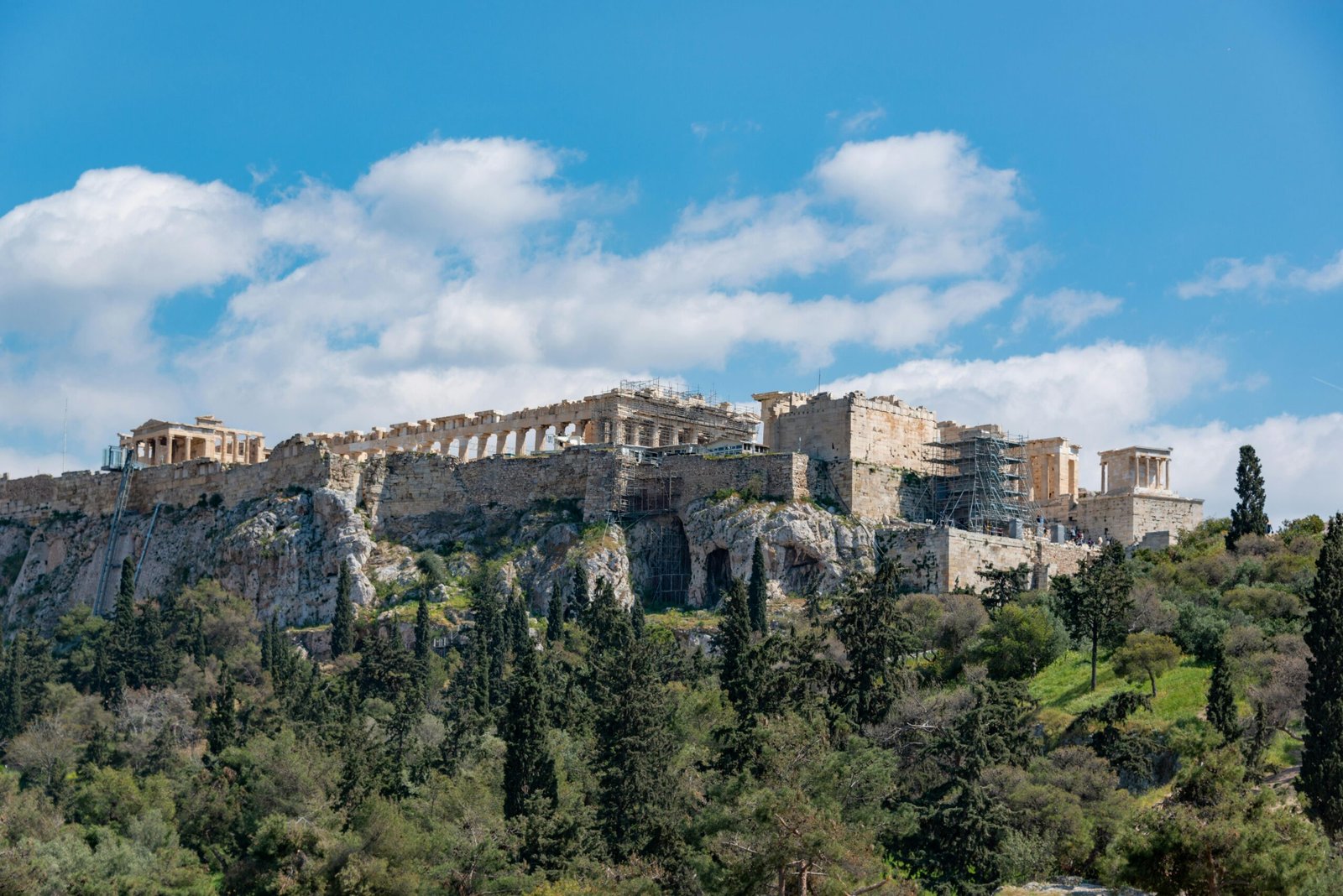
Why Athens Should Come Before the Islands, Not After is not a stylistic preference; it is the cleaner way to understand Greece. Start in Athens and the rest of the trip makes more sense because the city gives you context, pace, and a realistic read on how Greece actually works.
Most travelers make the same mistake: they treat Athens like an obligation to get through before the “real” trip begins, then arrive tired, underprepared, and already mentally on the islands. That sequence weakens the whole journey. Athens is not a warm-up act. It is the cultural anchor.


Why Athens Should Come Before the Islands, Not After
Why Athens Should Come Before the Islands, Not After is the right order for most travelers
I take a clear position here: Athens should come first for almost anyone visiting Greece for the first time. You land with more energy, more patience, and a better ability to absorb the city’s density before the slower rhythm of the islands takes over. If you do it the other way around, Athens often feels like a downgrade because you have already trained your brain to expect quiet, beach-led travel.
That is the core mistake. Travelers think they are saving the “big city” for later, but what they are really doing is arriving in Athens after they have already spent themselves on island mode. The result is predictable: shorter attention spans, weaker museum visits, and a tendency to rush through neighborhoods that actually explain the country.
Why Athens Should Come Before the Islands, Not After also makes practical sense in a planning sense, even before you get into logistics. The city sets the historical and cultural frame, so when you later stand in a whitewashed village or a ferry port, you are not just collecting scenery. You understand what you are looking at.
Two mistakes travelers keep making in Athens
The first mistake is treating Athens as a one-night stop. That is usually what people do when they are trying to “save time” for the islands, and it backfires. They end up seeing only the Acropolis area and a hotel corridor, then claim Athens is gritty, busy, and not worth more attention.
The second mistake is choosing a hotel based only on a postcard view or a famous name. Athens is a city of very different neighborhoods, and location changes the trip more than many travelers expect. A polished area can still feel sterile, while a more lived-in district can give you a much better read on the city.
These are the places people should actually understand before they book or plan around Athens: Plaka, Koukaki, Syntagma, Monastiraki, Kolonaki, and Psyrri. Each has a different function, and none of them should be chosen blindly. Plaka is convenient but can feel overmanaged. Koukaki is one of the better bases for travelers who want substance without chaos. Syntagma is useful but not especially warm. Monastiraki is energetic but noisy. Kolonaki suits travelers who want a more polished, local-feeling stay. Psyrri is active and not for light sleepers.
What Athens gives you that the islands cannot
Athens gives you context, and that matters more than people admit. The Acropolis Museum, for example, is not just a museum stop; it is the place where many visitors finally understand why the ancient sites matter in relation to the modern city. If you want the city’s historical layer to land properly, spend time at the Acropolis Museum before you drift into island leisure mode.
Athens also gives you a more honest view of Greek daily life. On the islands, especially the better-known ones, travelers often see a highly seasonal version of the country: hospitality packaged for visitors, service rhythms shaped by peak demand, and local life compressed around tourism. In Athens, you see the working capital, not the vacation poster.
That is why Why Athens Should Come Before the Islands, Not After is not just about history. It is about sequencing your trip so the islands do not flatten everything that came before them. Athens makes the rest of Greece legible.
Where Athens changes the rhythm of a Greece trip
Plaka is useful for orientation, but I would not build a whole stay around it. It is too easy to confuse convenience with depth there. Koukaki is a better choice for travelers who want a neighborhood with real life in it, and it tends to work well for people who want to walk, eat well, and avoid feeling trapped in a tourist corridor.
Monastiraki and Psyrri are where many visitors learn the hard way that “central” does not mean “comfortable.” They are active, busy, and often louder than expected. That is fine for travelers who want energy, but less good for anyone who needs quiet evenings or predictable sleep.
Kolonaki is the opposite problem: it can be too controlled for travelers who want character. Syntagma is efficient and straightforward, but it is not where Athens feels most alive. None of these areas is wrong; the issue is matching the neighborhood to the traveler instead of copying a generic city-base recommendation.
A counterintuitive truth about Athens before the islands
Here is the surprising part: Athens often feels more relaxing at the start of a Greece trip than at the end. That sounds wrong because the city is bigger, louder, and more demanding than the islands. In practice, though, starting in Athens means you are still mentally open to museums, street life, and layered history.
When Athens comes last, many travelers are already in “beach completion mode.” They want one final meal, one final photo, and then they are done. That is not a good state for a city that asks you to pay attention. Starting in Athens solves that problem before it starts.
For travelers who want a broader cultural frame, the city also connects better with national institutions and public history than most island stops. If you want a wider sense of the country beyond one resort area, the official tourism resources at
Visit Greece can be useful for seeing how Athens fits into the larger picture.
Who this suits
This order suits first-time visitors, culture-focused travelers, and couples who want their trip to feel coherent rather than fragmented. It also suits families, because children usually handle a more stimulating city best when they are fresh, not after a week of ferry-hopping and late nights.
- Best for travelers who want history to shape the rest of the trip
- Best for people who care about neighborhoods, food, and city texture
- Best for first-timers who do not want Athens to feel like an afterthought
- Not ideal for travelers who only want beach time and minimal city exposure
- Not ideal for people who dislike busy urban environments
- Not ideal for anyone expecting Athens to behave like an island base
It suits travelers who can handle a city with edges and do not need everything polished. It does not suit people who want their Greece trip to feel like a pure resort sequence. If that is your style, Athens will still matter, but you should be honest that you are using it as a transit point, not as the organizing idea of the trip.
What you gain, and what you give up
When Athens comes first, you gain context, stronger pacing, and better trip memory. You also reduce the risk of ending your holiday on a note of fatigue, because the city’s intensity is front-loaded when you still have energy to use it properly. That is a real advantage, not a theory.
You do give up a little bit of surprise, because starting in Athens means the islands will not be your first emotional hit. Some travelers want the immediate beach payoff, and they will feel impatient in the city if they are not mentally prepared for it. That is the trade-off.
Still, for most travelers, the gain is bigger than the cost. Why Athens Should Come Before the Islands, Not After is the order that makes the trip more coherent, less rushed, and more grounded in what Greece actually is.
Conclusion
Greece rewards travelers who arrive with a plan built around how they actually travel — not a generic template. The difference between a frustrating trip and a remarkable one often comes down to sequence, timing, and knowing which trade-offs matter for your situation.
Recommended experiences
Some experiences mentioned here are curated and managed by Elite Greece Travels.
- Athens Milos Itinerary — Itinerary (managed by Elite Greece Travels).
- Athens Milos Santorini Itinerary 9 Days — Itinerary (managed by Elite Greece Travels).
- Greece 7 Day Itinerary Athens Delphi Meteora Santorini — Itinerary (managed by Elite Greece Travels).
Frequently asked questions
Why should Athens come before the islands on a Greece trip?
Because Athens sets the historical and cultural context before you shift into island mode. Starting there usually improves pacing, attention, and the overall logic of the trip.
Is Athens worth more than one night?
For most travelers, yes. One night usually produces a rushed, superficial impression. A longer stay gives you time to understand the city beyond the Acropolis area.
Which Athens neighborhoods work best for first-time visitors?
Koukaki, Syntagma, Plaka, Monastiraki, Kolonaki, and Psyrri all serve different traveler types. The right choice depends on whether you want convenience, quiet, energy, or a more local-feeling base.
What do travelers usually get wrong about Athens?
They treat it like a stopover and choose accommodation too casually. They also arrive after the islands and then judge the city while already tired and mentally checked out.
Is Athens a good start for a luxury Greece itinerary?
Yes, especially if you want a trip that feels deliberate rather than patchwork. Athens gives the itinerary a stronger spine and makes the islands feel more meaningful afterward.
Who should not start in Athens?
Travelers who only want beach time, minimal city exposure, or a resort-style trip may find Athens unnecessary. For them, the city is still useful, but it should be treated honestly as a cultural stop rather than the main event.