


The Real Reason Athens Should Come Before the Islands is simple: Athens sets the pace, context, and tolerance for the rest of your Greece trip. If you start with the islands, many travelers arrive in Athens already thinking of it as a stopover, and that is usually where the trip starts to feel fragmented.
I have seen this mistake enough times to say it plainly: Athens is not a warm-up act. It is the place that gives the islands meaning, and when you skip that context, you often end up overpacking the island part of the trip and underestimating the city.
The Real Reason Athens Should Come Before the Islands
I’m going to take a clear position: for most first-time Greece trips, Athens should come before the islands. Not because the city is a box to check, but because it changes how travelers understand distance, pace, and what Greece actually is beyond the postcard version. The Real Reason Athens Should Come Before the Islands is that the city forces you to slow your assumptions down before the trip starts asking more of you.
People who reverse the sequence often make the same mistake: they treat Athens as an administrative stop after the “real” holiday, then wonder why the city feels noisy, dense, and inconvenient. That is not an Athens problem. That is a sequencing problem.
Why The Real Reason Athens Should Come Before the Islands matters
Athens gives you the baseline. It shows you the scale of the country, the density of its history, and the fact that Greece is not one uniform island mood spread across a map. Once you have spent time in neighborhoods like Plaka, Koukaki, Monastiraki, Kolonaki, and Psyrri, the islands stop feeling like a single category and start feeling like distinct places with their own rules.
That matters because travelers who go island-first often build a fantasy around the rest of the trip. Then Athens arrives at the end and feels crowded, hot, and less polished than expected. The trip still works, but the emotional arc is weaker.
There is also a practical planning consequence people underestimate: when Athens is left to the end, it becomes the place where fatigue shows up. Travelers are less patient with museums, less interested in neighborhood walks, and more likely to make poor decisions about where to stay because they just want the trip to be over. The city gets blamed for what is really sequencing fatigue.
What travelers consistently get wrong
The first mistake is assuming Athens is only about the Acropolis and a meal in Plaka. That is a shallow read of the city, and it leads to bad planning. The city is better understood through its neighborhoods: Koukaki for a grounded, livable base; Kolonaki for a more polished, urban feel; Psyrri for energy; Monastiraki for chaos and convenience; and the broader center for anyone who wants the city to feel like a city.
The second mistake is underestimating how much Athens changes the rhythm of a Greece trip. If you arrive expecting island calm, you will read the city incorrectly. Athens is dense, active, and sometimes rough around the edges, and that is exactly why it should come first: it resets expectations before the trip narrows into beach mode.
The third mistake is treating Athens like a place to “just sleep” before the islands. That usually leads to choosing the wrong area, staying too far from the parts of the city that actually matter, and missing the point entirely. If you are going to include Athens, include it properly or do not include it at all.
What Athens gives you that the islands do not
Athens gives you context. You start to understand that Greece is not just a leisure destination but a country with a real urban core, a working present, and a long memory. That changes how travelers experience the islands afterward because the trip stops being a string of scenic stops and becomes a country-level experience.
It also gives you better judgment. After a few days in Athens, travelers are less likely to overvalue the most famous island names and more likely to ask the right questions about atmosphere, walkability, and seasonality. That is not a small thing. It is the difference between a trip that feels assembled and one that feels coherent.
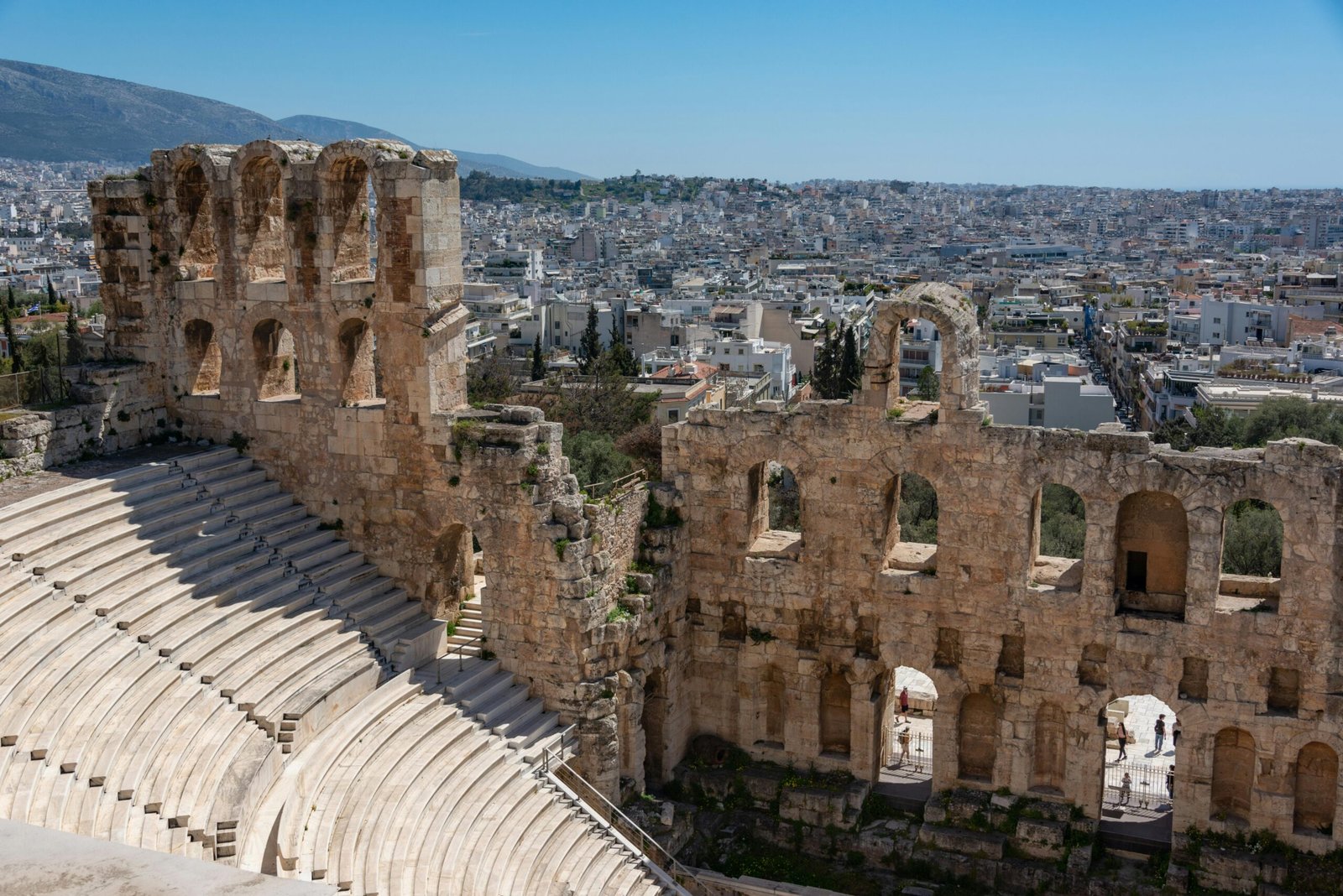
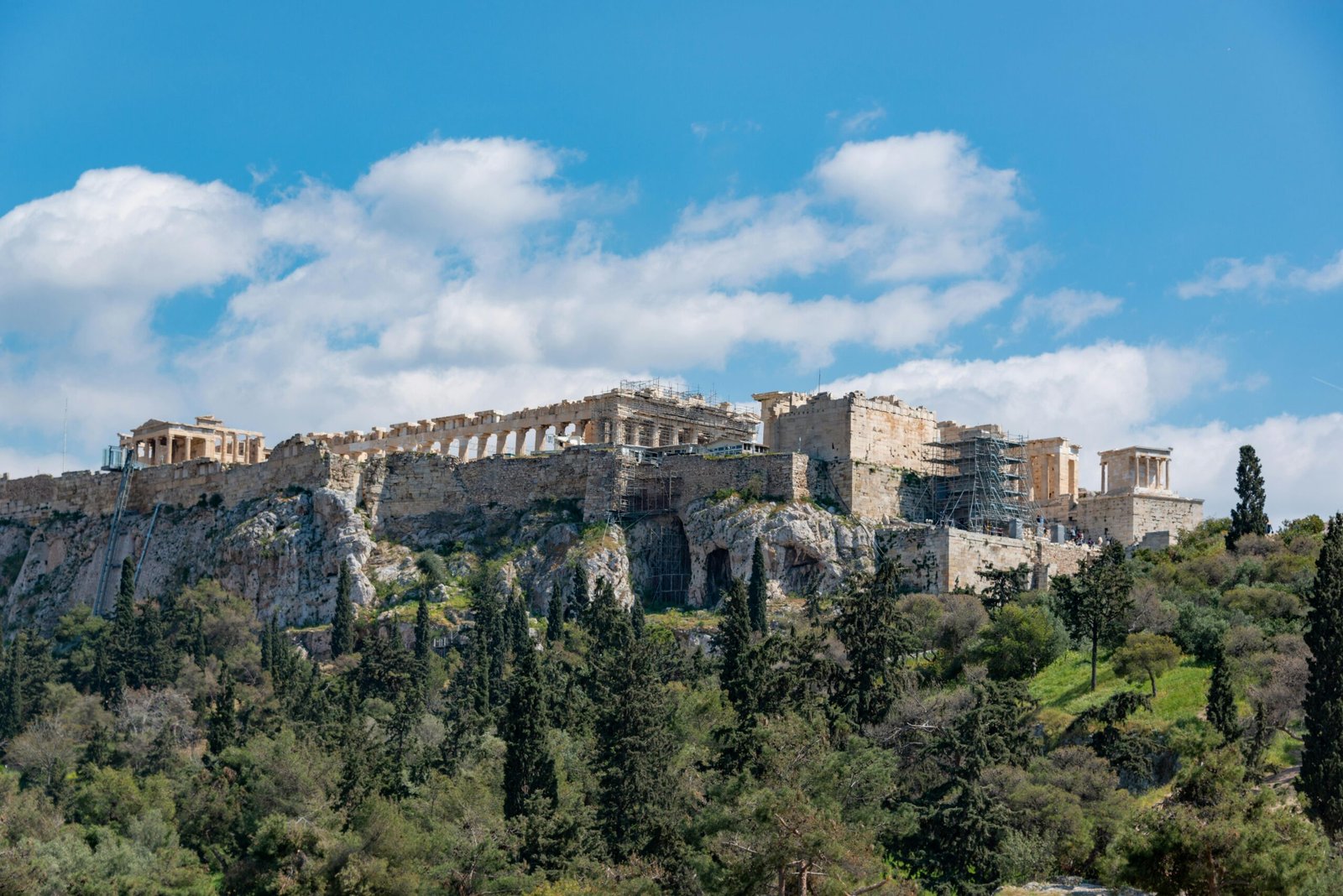
If you want one place to anchor your understanding of the city’s historical weight, the Acropolis Museum is a better use of time than most visitors expect. Not because it is a box to tick, but because it shows how much of Athens is layered rather than decorative. That is a useful correction before anyone heads to the islands.
The counterintuitive part most people miss
Here is the surprising part: Athens often feels easier at the start than at the end, even for travelers who are not city people. People assume the islands are the relaxing part and the city is the difficult part, so they save Athens for last. In practice, the city is easier to absorb before your standards get narrowed by beach time and slower island routines.
That is why The Real Reason Athens Should Come Before the Islands is not just about logistics or history. It is about psychology. Athens gives you the right frame before the trip settles into a more limited pace, and that frame makes the islands feel more distinct rather than more exhausting.
Who this suits
This sequence suits first-time visitors, culturally curious travelers, couples who want more than a beach holiday, and anyone who cares about understanding a place rather than just staying in it. It also suits travelers who are willing to accept that a Greece trip has more than one rhythm and that not every part of it is supposed to feel like a resort.
It does not suit travelers who want the entire trip to feel slow from the first hour, families trying to minimize urban friction, or people who get impatient in dense cities. It also does not suit travelers who are already committed to treating Athens as a token stop. If that is the mindset, the city will feel like an interruption instead of a foundation.
- Best fit: first-timers, culture-led travelers, couples, and travelers who want a trip with a clear arc.
- Poor fit: resort-only travelers, people with very low tolerance for urban noise, and anyone who wants Greece to feel exclusively like the islands.
What you gain, and what you give up
When Athens comes first, you gain context, a better sense of scale, and a cleaner emotional transition into the islands. You also give yourself a buffer against the common mistake of arriving in Greece and immediately chasing the most famous island names without understanding what makes them different.
What you give up is the illusion of instant holiday mode. Athens asks for a bit more attention and a bit more patience, and that can feel like work at the beginning of a trip. But that trade-off usually pays off, because the rest of the itinerary feels less rushed and less random.
For official background and current cultural information, the Ministry of Culture is a useful reference point before you start narrowing your plans. It will not design the trip for you, and that is the point. Good planning starts with understanding what kind of country you are actually visiting.
Why expert help matters here
Athens is where bad sequencing becomes visible. A weak itinerary can survive on the islands for a while, but Athens exposes whether the trip was built with any real understanding of pace, neighborhood choice, and traveler type. That is why this is not just a destination question; it is a planning question.
The Real Reason Athens Should Come Before the Islands is that the city makes the rest of Greece make sense. If you get Athens wrong, the islands often feel rushed, disconnected, or overhyped by comparison. If you get Athens right, the whole trip feels more deliberate, and travelers usually notice the difference even if they cannot always explain it.
Most Greece trips follow the same tired script. The ones that don’t — the ones travelers still talk about years later — were built around a real understanding of how this country works. That kind of understanding takes time, or it takes someone who already has it.
Recommended experiences
Some experiences mentioned here are curated and managed by Elite Greece Travels.
- Athens Milos Itinerary — Itinerary (managed by Elite Greece Travels).
- Athens Milos Santorini Itinerary 9 Days — Itinerary (managed by Elite Greece Travels).
- Greece 7 Day Itinerary Athens Delphi Meteora Santorini — Itinerary (managed by Elite Greece Travels).
Frequently asked questions
Why should Athens come before the islands on a first Greece trip?
Because Athens gives you context before the trip narrows into beach mode. It changes how travelers read the islands, and that usually makes the whole itinerary feel more coherent.
What do travelers get wrong about Athens?
They often treat it as a one-night stop or assume it is only about the Acropolis. That leads to poor neighborhood choices and a weak understanding of what the city actually adds to the trip.
Which Athens neighborhoods are most useful for first-time visitors?
Koukaki, Kolonaki, Plaka, Monastiraki, and Psyrri each serve different traveler types. The point is not to pick the most famous name, but the area that matches your pace and tolerance for noise.
Does Athens work better at the start or end of a Greece itinerary?
For most travelers, the start is stronger. At the end, Athens often gets treated as a leftover stop, and fatigue makes the city feel harder than it really is.
What is the biggest planning mistake when Athens comes after the islands?
Travelers often arrive in Athens already tired and mentally done with the trip. That leads to rushed sightseeing, poor accommodation choices, and a city experience that feels thinner than it should.
Who should not prioritize Athens before the islands?
Travelers who want the whole trip to feel slow from the beginning, or who strongly dislike urban environments, may not benefit from making Athens central. For them, the city can feel like friction rather than a foundation.