

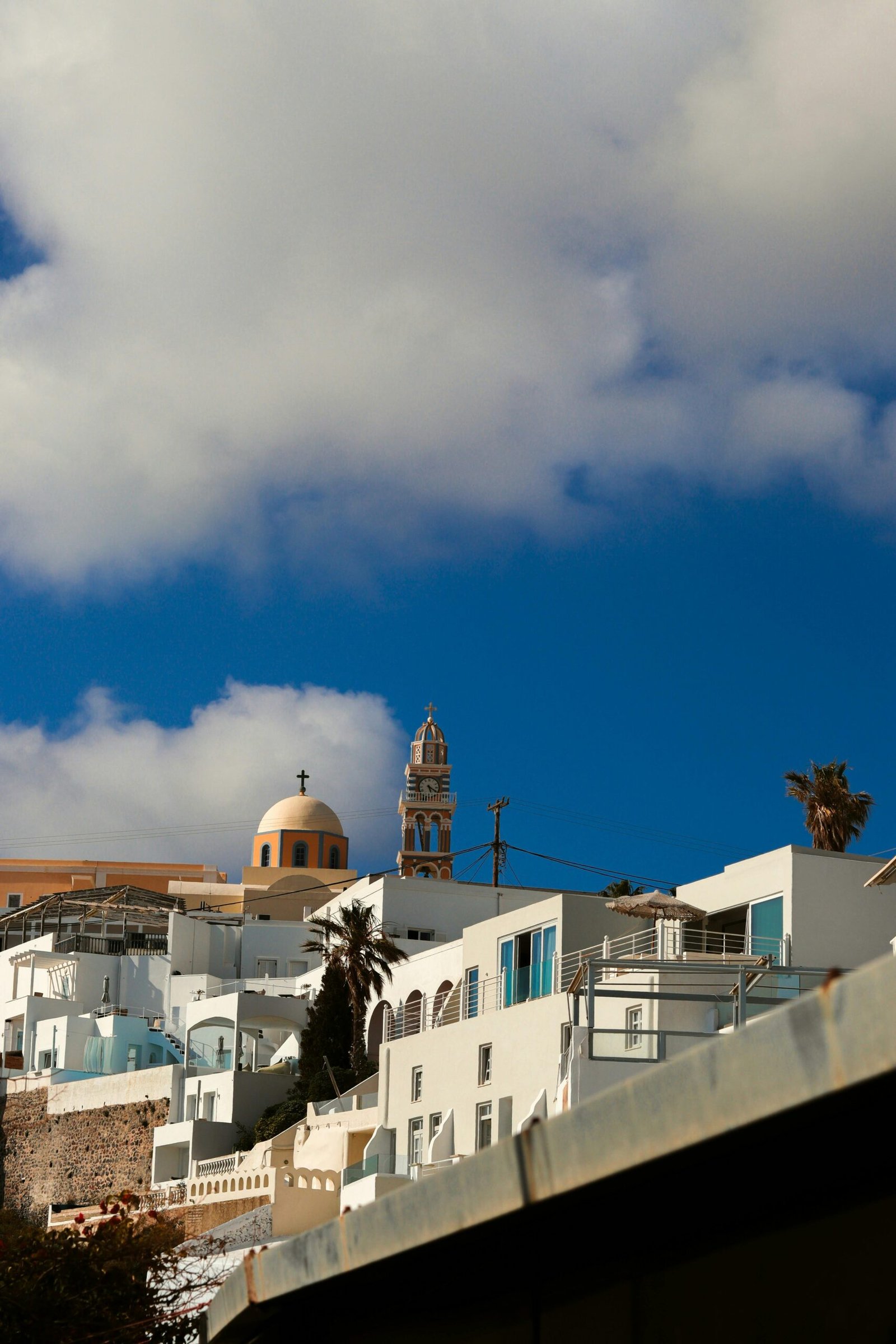
Why Most First-Timers to Santorini Leave Slightly Disappointed usually starts with one assumption: that a famous place will feel personal the moment you arrive. Santorini is not built to confirm that belief, especially in peak season when the island is under pressure from volume, not just visitors.
The disappointment is rarely about beauty. It is about the gap between the image people carry in their heads and the actual experience of sharing a small, exposed island with thousands of other people who had the same idea at the same time.
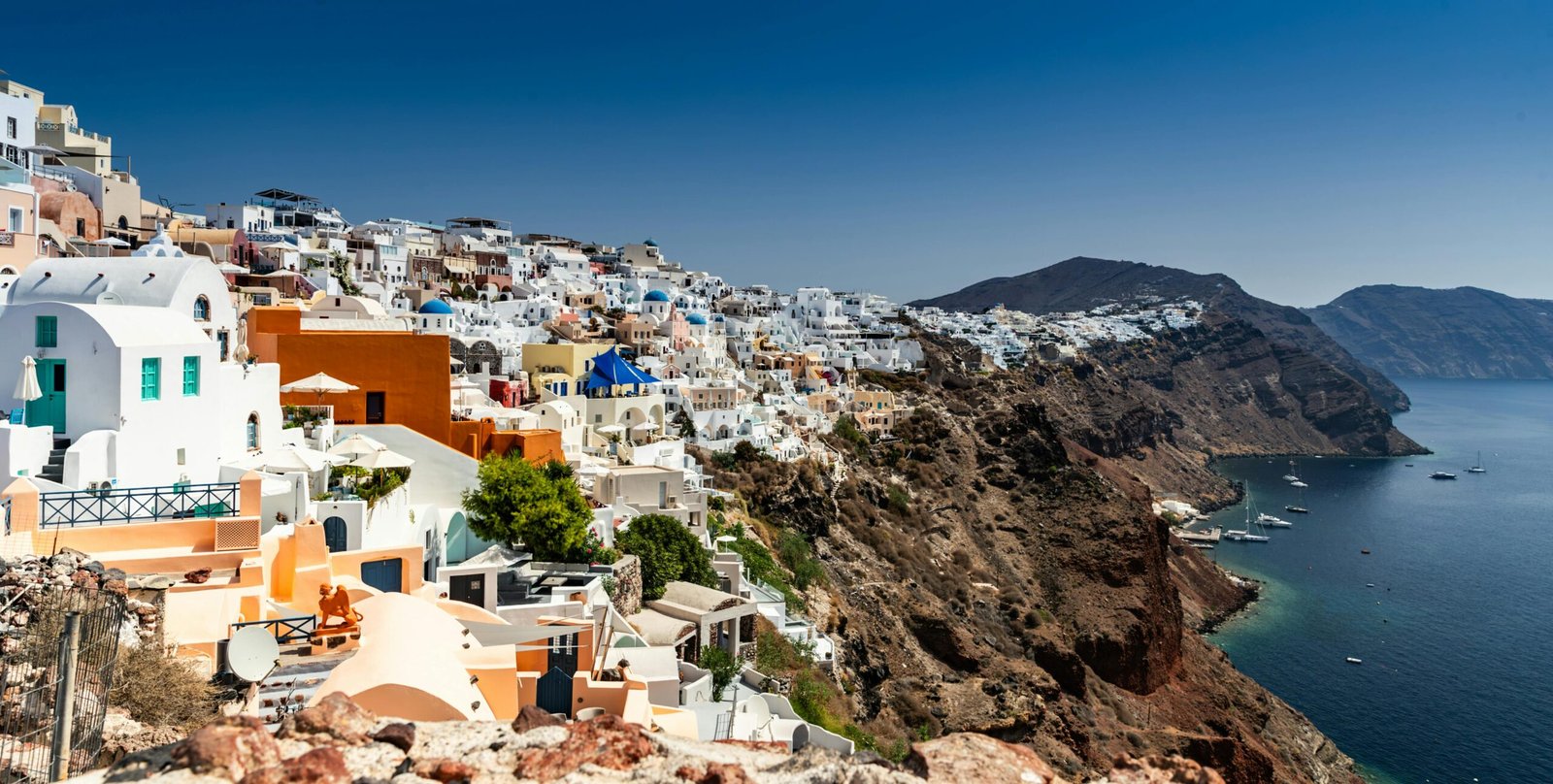
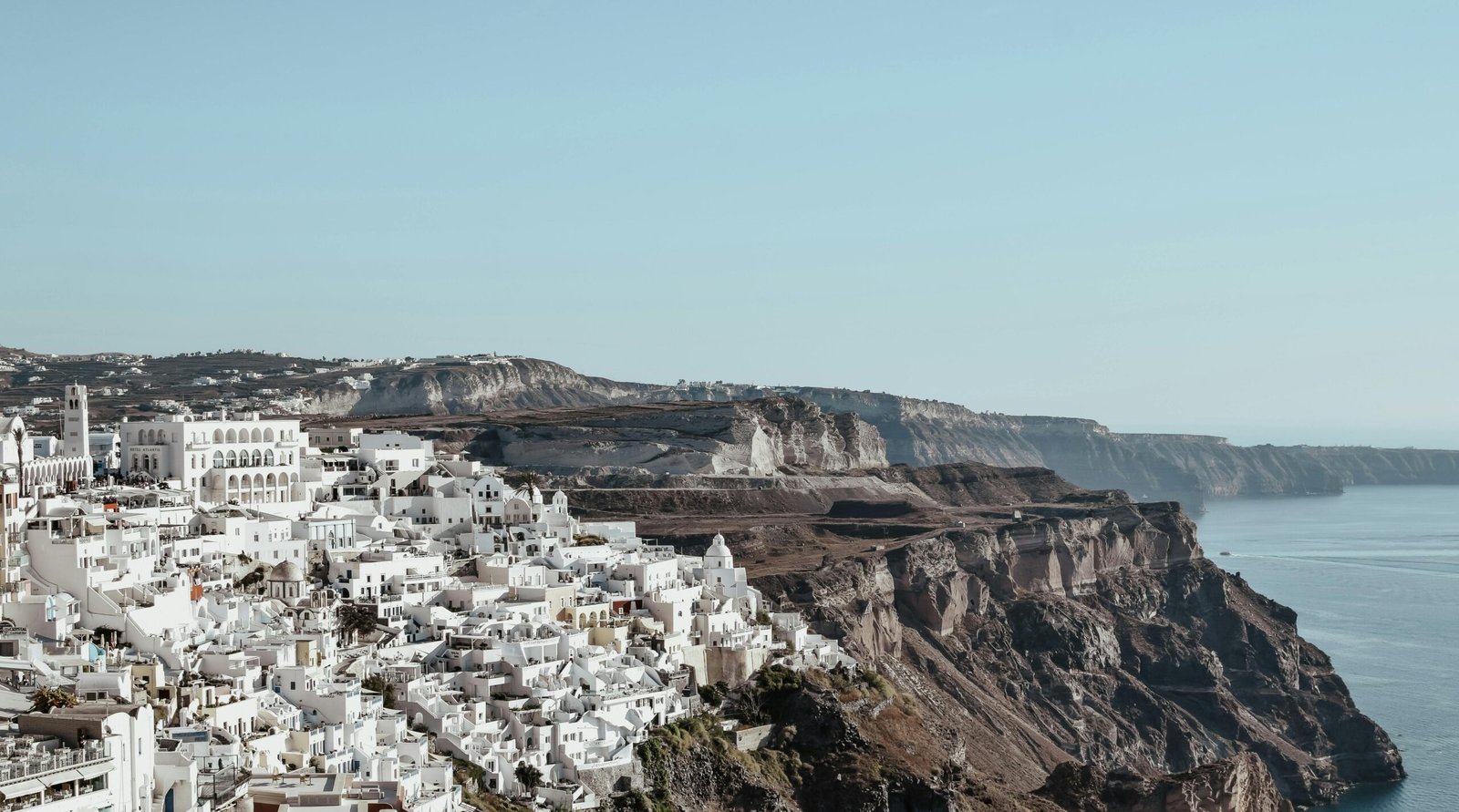
Why Most First-Timers to Santorini Leave Slightly Disappointed
The main mistake is emotional, not logistical. People book Santorini to feel they have chosen something special, then arrive expecting the island to validate that choice instantly. That is a risky way to travel anywhere, and in Santorini it backfires fast.
Why Most First-Timers to Santorini Leave Slightly Disappointed is not because the island is overrated in a simple sense. It is because the island has been consumed as an image for years, and first-timers often arrive trying to live inside that image instead of dealing with the real place.
The fantasy is cleaner than the reality
Most travelers picture a calm, elegant island with open views, easy movement, and space to breathe. In peak season, Santorini is crowded, expensive, and more compressed than people expect. The narrow lanes, packed viewpoints, and constant turnover of day-trippers create a feeling of being inside a well-known scene rather than discovering a destination.
That is the emotional trap. People do not just want to see Santorini; they want to feel like their trip proves they made a good choice. When the island feels busy, expensive, and a little performative, they read that as failure on their part. That is why Why Most First-Timers to Santorini Leave Slightly Disappointed is really a story about expectation management, not scenery.
Why travelers make this choice in the first place
There is a strong social signal attached to Santorini. For many first-timers, it is the island they already know from photos, proposal stories, and other people’s highlight reels. Booking it feels safe because it is familiar, and familiarity gets mistaken for confidence.
There is also a psychological shortcut at work. When a place is famous, travelers assume it must be the best place to start. In Greece, that is often wrong. First-timers frequently choose the most recognizable island instead of the one that fits their pace, budget, and tolerance for crowds.
This is where
official Greece travel information can be useful, but only if you use it as a starting point, not a promise. The problem is not the destination being bad. The problem is people using fame as a proxy for fit.
The moment disappointment usually hits
The disappointment usually does not arrive in one dramatic moment. It shows up when the island stops feeling cinematic and starts feeling operational. That can be the first time someone realizes how crowded the caldera edge is at the exact time they hoped for a quiet view.
It also happens when the traveler notices how much time and energy is spent working around the island’s pressure points. At that point, the trip is no longer about pleasure alone. It becomes a negotiation with crowds, heat, prices, and other people’s schedules.
This is the part most first-timers underestimate: Santorini is not difficult because it is remote. It is difficult because it is famous. Fame changes the whole texture of the visit.
Why peak season makes the gap worse
In peak season, Santorini is under a kind of strain that first-timers rarely factor into their emotional expectations. The island is small, the demand is huge, and the experience becomes less about discovery and more about managing density. That is true even for very expensive stays.
People often assume higher spend will buy calm. In Santorini, that is only partly true. You can improve comfort, but you cannot buy back the basic reality of a crowded island in a peak period.
That is why Why Most First-Timers to Santorini Leave Slightly Disappointed is especially true in summer. The island is still beautiful, but beauty is not the same as ease, and travelers often confuse the two.
Who is most prone to this pattern
Some traveler types are much more likely to feel let down. The first is the couple chasing a milestone moment and expecting the destination to carry the emotional weight of the trip. The second is the first-time Greece visitor who wants the “best” island and chooses Santorini because it feels like the safest answer.
The third is the traveler who likes comfort but dislikes friction. Santorini can suit that person well in the right context, but not when they arrive expecting quiet, privacy, and spontaneity during the busiest part of the year. That combination creates frustration fast.
- Milestone travelers who want the trip to feel meaningful without any effort
- First-time visitors who choose fame over fit
- Luxury travelers who assume price alone will solve crowding
- Photo-driven travelers who care more about the image than the day-to-day experience
These travelers are not wrong to want what they want. They are just more likely to mistake a famous setting for a guaranteed emotional outcome.
What people misread about the island itself
Many first-timers assume Santorini is a classic beach island. It is not, at least not in the way most people mean that phrase. The island is more about views, architecture, and atmosphere than easy, broad, beach-centered relaxation.
They also underestimate how much the island’s appeal depends on timing and context. Santorini can feel refined, even excellent, when approached with the right expectations and the right season. It can also feel exhausting when approached as a bucket-list item that must deliver a perfect mood on command.
If you want a broader sense of how Greece’s most famous places actually function beyond the marketing, the Greek Ministry of Culture gives useful context on how heavily visited destinations are managed. That matters because Santorini is not a private stage set. It is a real place with real pressure.
A clearer way to approach Santorini
The better question is not whether Santorini is worth it. The better question is what you want from it, and whether you are honest enough to separate your fantasy from your actual travel style. If you want a polished, iconic, high-recognition experience and you can tolerate crowds, Santorini can still be the right choice.
If you want ease, quiet, and the feeling that Greece is unfolding around you rather than performing for you, Santorini in peak season is usually the wrong fit. That is not a moral judgment. It is a practical one.
Why Most First-Timers to Santorini Leave Slightly Disappointed is a useful phrase because it forces a useful question: are you choosing the island, or are you choosing the idea of the island? Those are not the same thing.
Conclusion
The healthiest way to approach Santorini is to stop expecting it to deliver a universal first-time Greece experience. It is a specific place with a specific kind of pressure, and the travelers who do best there are the ones who understand that before they book. Once you remove the fantasy, you can decide whether the reality still works for you.
Recognizing the pattern is the first step. The second is building a trip around how you actually travel — not the traveler you imagine yourself to be. Most great Greece experiences start with that honesty.
Frequently asked questions
Why do so many first-time visitors feel underwhelmed by Santorini?
Because they arrive expecting a seamless version of the island they have seen online. Peak season reality is busier, more expensive, and less private than most first-timers imagine.
Is Santorini actually disappointing, or are expectations just too high?
For many first-timers, the expectations are the problem. Santorini is a strong destination, but it is often chosen for its image rather than for how well it fits the traveler.
What is the biggest mistake people make when planning Santorini?
They assume fame equals fit. Santorini is not the right first island for every traveler, especially those who want quiet, flexibility, or an easy beach-first experience.
When does disappointment usually set in?
Usually when travelers realize the island feels crowded and highly managed rather than relaxed. The shift from anticipation to friction is where the emotional drop happens.
Who tends to enjoy Santorini the most?
Travelers who want a high-recognition destination, can handle crowds, and are comfortable paying for convenience usually do better there than travelers looking for calm and spontaneity.
Is Santorini still worth visiting for a first trip to Greece?
Yes, for the right traveler and the right timing. It is just a poor default choice if you want your first Greece experience to feel easy and unforced.