

Why a Peloponnese Trip Is Harder to Plan Than It Looks is simple: the region looks compact on a map, but it behaves like several different trips stitched together. Ancient sites, mountain towns, long coastlines, and serious food country all sit close enough to tempt overreach, and that is where most plans start to fail.
The Peloponnese rewards travelers who know what to prioritize and what to leave out. If you try to treat it like a quick loop of “major sights,” you end up spending too much time in transit and too little time in the places that actually justify the trip.
Why a Peloponnese Trip Is Harder to Plan Than It Looks
I am blunt about this: the Peloponnese is one of the easiest places in Greece to overplan and one of the hardest to recover from if you do. The region offers real depth, but only if you accept that history, coast, and inland villages do not all fit neatly into one tidy version of the trip.
Why a Peloponnese Trip Is Harder to Plan Than It Looks comes down to a basic mistake: travelers assume distance is the main issue. It is not. The real problem is that the Peloponnese works in layers, and many visitors only budget for the first layer.
Why a Peloponnese Trip Is Harder to Plan Than It Looks in practice
The Peloponnese is not one destination with a single rhythm. Nafplio feels polished and easy, Monemvasia is more compressed and atmospheric, Mani is rawer and more demanding, and Kalamata is useful for some travelers but not a destination that carries a trip by itself. Those differences matter because the region asks you to choose a style of travel, not just a list of stops.
Most travelers get wrong number one: they want to see too many famous names and too many landscapes in one stay. Most travelers get wrong number two: they underestimate how much the character of a place changes once you leave the well-known coastal towns and move inland toward places like Dimitsana or Stemnitsa. That shift is exactly what makes the region interesting, and exactly what makes it harder to plan well.
The places that shape the trip
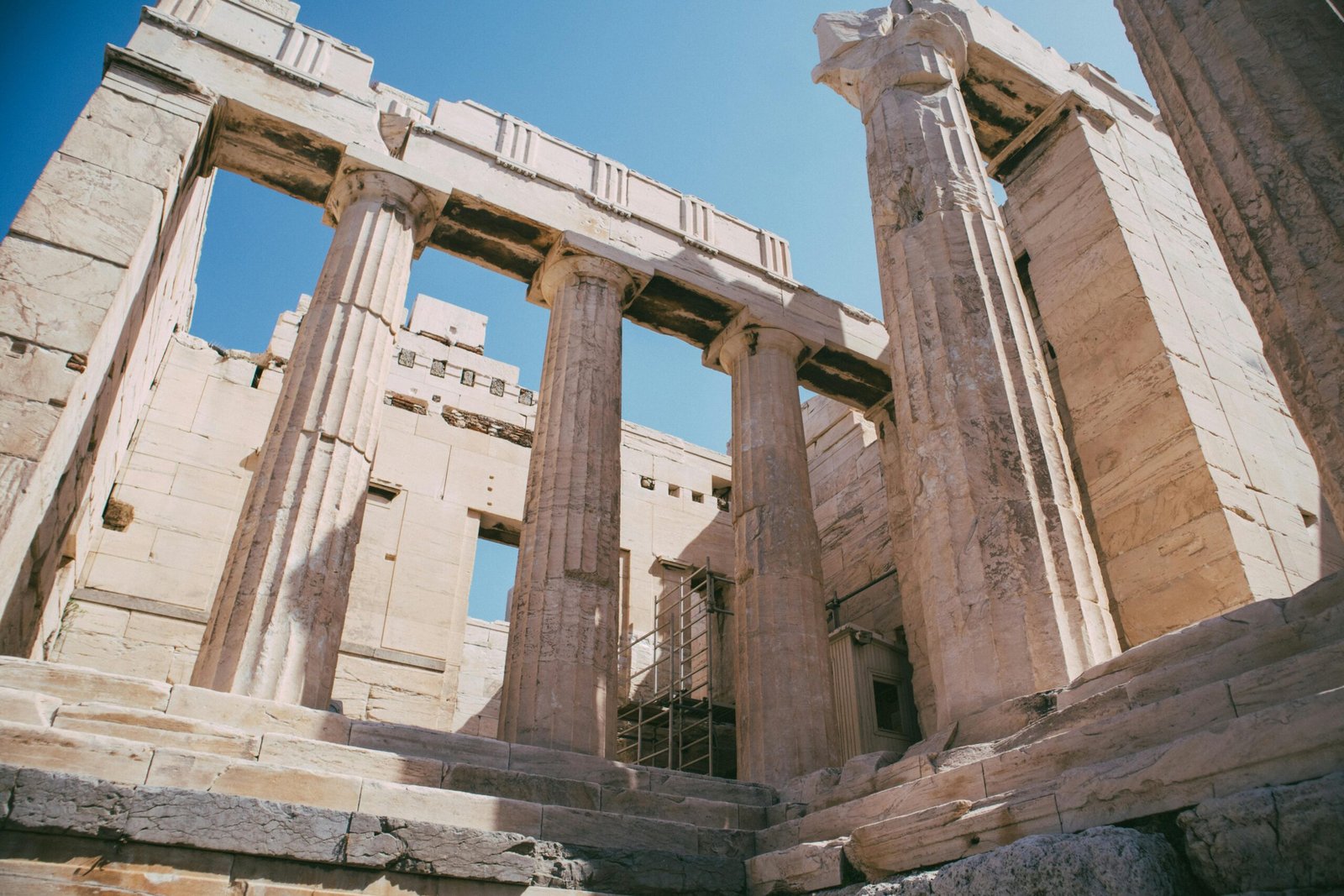
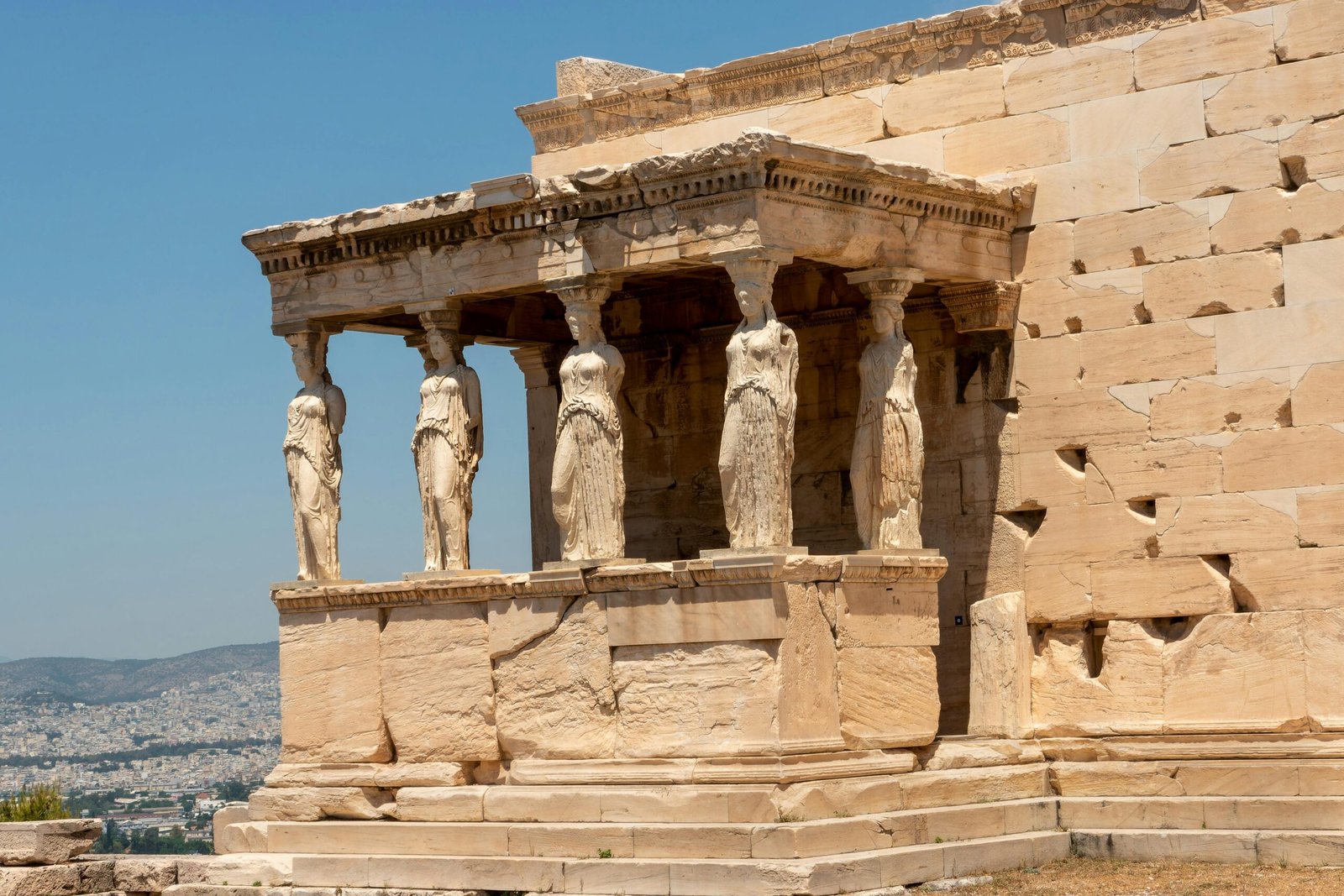
If you want a Peloponnese trip that feels coherent, you need to understand the role of a few key places. Nafplio is often the easiest base for first-time visitors because it gives you a cleaner introduction to the region. Monemvasia is for travelers who care more about atmosphere and place than convenience. Kardamyli and the wider Mani suit people who want coast, stone villages, and a more austere feel. Olympia is essential for history-focused travelers, but it is not a place that automatically supports a broader itinerary unless the rest of the plan is built around it.
Then there is the inland Peloponnese, which too many people treat as filler. That is a mistake. Dimitsana, Stemnitsa, and nearby Arcadian villages are not add-ons; they change the entire tone of the trip, especially for travelers who want cooler air, a stronger sense of local life, and less coastal polish. If you want to understand the region properly, you need to decide whether your trip is about shoreline, archaeology, mountain country, or some honest mix of the three.
The counterintuitive part most travelers miss
Here is the surprising part: the Peloponnese often works better when you do less, not more. A shorter, better-shaped trip here usually feels richer than a longer one packed with names from a guidebook. That is because the real value is not in checking off sites; it is in letting each region feel distinct instead of blurring into a drive-by experience.
This is why Why a Peloponnese Trip Is Harder to Plan Than It Looks is not just a planning headline. It is a warning that the region punishes generic design. A traveler who wants a neat “best of” circuit usually ends up with tired mornings, rushed lunches, and very little memory of the places that should have mattered most.
What you gain, and what you give up
You gain range. The Peloponnese gives you major archaeology, serious coastal scenery, mountain villages, and some of the strongest regional food in mainland Greece. It also gives you a more grounded version of Greece than the island-heavy itineraries most first-timers default to, especially if you spend time in places like Nafplio, Monemvasia, and the Mani.
You give up simplicity. This is not a region for travelers who want one base and a loose sense of “we’ll see what happens.” It asks for more discipline in how the trip is shaped, and if you ignore that, the cost is not abstract. The practical consequence is a trip that feels fragmented: good places, but poor sequencing, which is one of the fastest ways to waste the Peloponnese.
Who this suits
This region suits travelers who like variety but do not need constant stimulation. It suits couples, culturally curious families, repeat visitors to Greece, and people who care about food, archaeology, and landscape in equal measure. It also suits travelers who are comfortable with a trip that has a clear backbone rather than a packed checklist.
- Best for: history-focused travelers, slower travelers, food-led trips, and repeat Greece visitors
- Not ideal for: first-time visitors who want a simple island-style holiday, travelers who hate changing environments, and anyone who wants every day to feel identical
If your idea of a good trip is one polished beach town and very little movement, the Peloponnese may frustrate you. If you want a region that shows different versions of Greece without forcing you into mass-tourism patterns, it is one of the strongest choices on the mainland. For broader context on cultural sites and regional significance, the official Ministry of Culture resources are worth checking before you commit to a plan.
Where planning usually breaks down
The first break point is accommodation geography. Travelers often choose a place because it looks attractive on paper, then discover it does not support the rest of the trip well. A base in Nafplio makes sense for some travelers; a base in Mani makes sense for others; trying to force both into the same short stay usually creates friction.
The second break point is seasonal judgment. The Peloponnese is not just a summer destination, and treating it that way is lazy planning. Spring and autumn are often better for inland exploration and archaeology, while peak summer can make some inland or long-drive days less pleasant than travelers expect. If you want a broader sense of what the region offers across seasons,
Visit Greece gives a useful official overview, but the real decision still comes down to how you want the trip to feel.
My clear position on the Peloponnese
My position is straightforward: the Peloponnese is not a destination for improvisation. It is excellent, but only when the trip is built around a clear theme or a disciplined combination of themes. If you try to include too many famous places without understanding how different they are from each other, you will dilute the entire experience.
That is why Why a Peloponnese Trip Is Harder to Plan Than It Looks matters more than most destination headlines. The region does not fail travelers; vague planning does. The best trips here are not the longest or the most ambitious. They are the ones that make a few smart choices and accept the trade-offs.
Greece rewards travelers who arrive with a plan built around how they actually travel — not a generic template. The difference between a frustrating trip and a remarkable one often comes down to sequence, timing, and knowing which trade-offs matter for your situation.
Frequently asked questions
Why is the Peloponnese harder to plan than many travelers expect?
Because it combines archaeology, coastline, mountain villages, and inland regions that do not naturally fit into one simple route. The region looks compact, but the experience changes a lot from one area to the next.
What do travelers usually get wrong about the Peloponnese?
They try to see too much in one trip and underestimate how different places like Nafplio, Monemvasia, Mani, and the inland villages really are. They also assume a coastal plan will cover the region well, which it usually does not.
Which parts of the Peloponnese are most useful for first-time visitors?
Nafplio is often the easiest starting point, especially for travelers who want a polished base with access to major sights. Olympia, Monemvasia, and selected Mani or Arcadian villages can then be added if the trip is built around a clear purpose.
Is the Peloponnese better for a road trip or a base-and-explore style trip?
It can work both ways, but it usually performs best when the trip is carefully structured around a few strong bases rather than too many stops. The region punishes vague sequencing and rewards clarity.
What kind of traveler is the Peloponnese best for?
It suits travelers who like history, food, varied landscapes, and a slower pace. It is less suitable for people who want a simple beach holiday or a trip that feels identical every day.
When is the Peloponnese easiest to plan?
Spring and autumn are generally the most forgiving seasons for combining inland exploration with coastal areas. Summer can work, but it makes some inland days and longer movement between areas less comfortable.