


Why a Peloponnese Trip Breaks Amateur Itineraries is simple: this is not one destination but several very different regions stitched together, and generic planning falls apart fast. Travelers who treat it like a single loop usually overpack the schedule, underread the geography, and end up spending too much time recovering from their own choices.
The Peloponnese rewards people who understand contrast. Nafplio, Monemvasia, Mani, Kalamata, and the inland classical sites each ask for a different pace and a different base, which is exactly why cookie-cutter Greece planning does not work here.
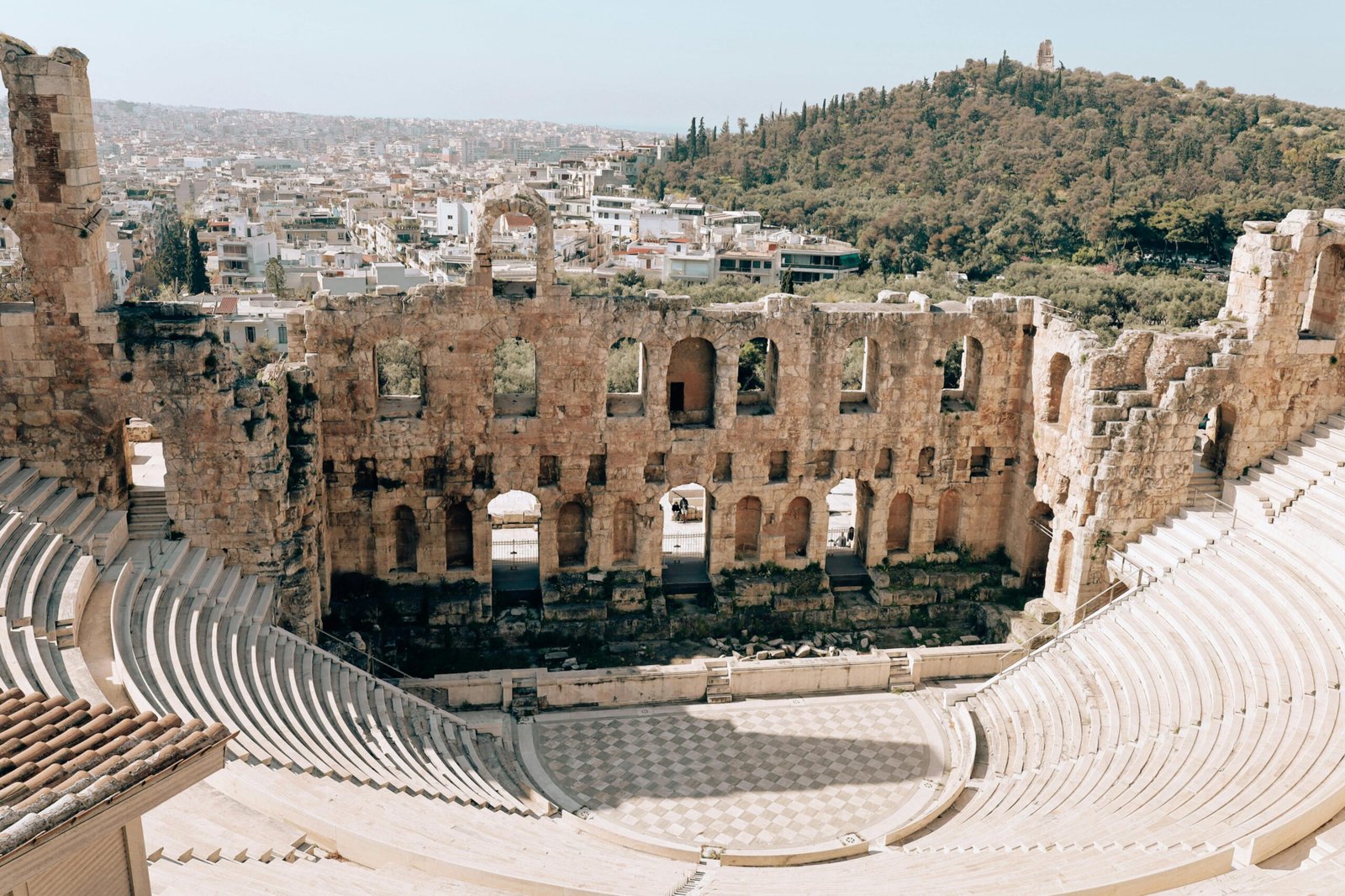
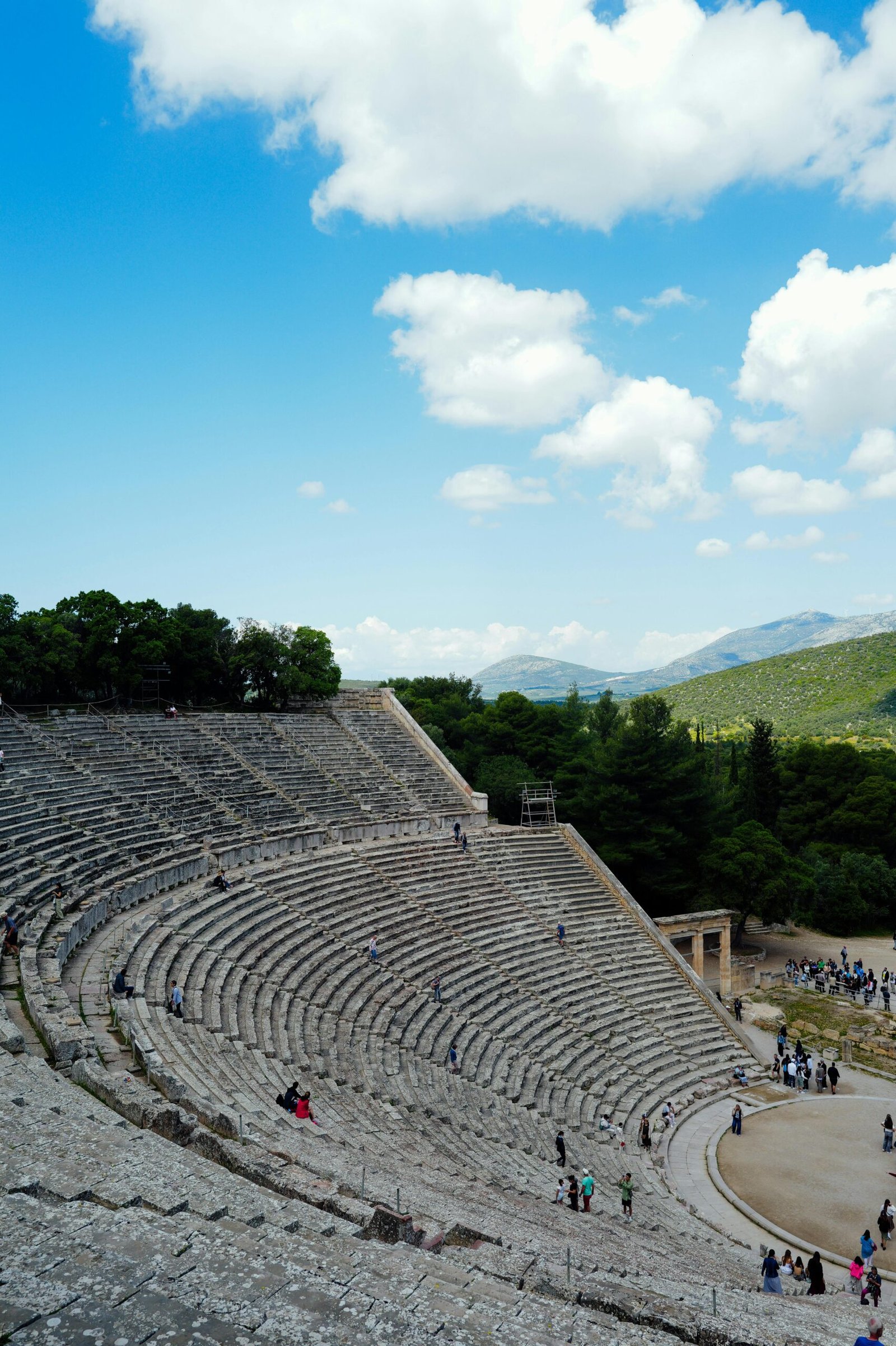
Why a Peloponnese Trip Breaks Amateur Itineraries
The Peloponnese is where weak trip design shows immediately. If you build it like a standard island-hopping holiday, you waste energy, miss the point, and spend far too much time in transit mode mentally, even when the distances look reasonable on paper. Why a Peloponnese Trip Breaks Amateur Itineraries is not a slogan; it is a warning.
Why a Peloponnese Trip Breaks Amateur Itineraries in practice
The region is too varied for lazy assumptions. Nafplio is polished and easy to like, Monemvasia is about atmosphere and containment, the Mani is rugged and sparse, and Kalamata is more functional than romantic, which matters if you are choosing a base. Travelers who assume they can “see the Peloponnese” the same way they see a small island usually end up with a schedule that looks efficient and feels exhausting.
My clear position: if you want the Peloponnese to make sense, you need a bespoke route, not a template. The problem is not distance alone; it is the way the region keeps changing character just when amateur planners expect continuity. That is why Why a Peloponnese Trip Breaks Amateur Itineraries keeps proving true for first-timers and repeat visitors alike.
Two mistakes travelers make again and again
The first mistake is trying to combine too many “important” places in one run. People stack ancient sites, fortified towns, coastal drives, and mountain villages into a single plan and then wonder why the trip feels thin everywhere. In the Peloponnese, every extra stop has a real cost in attention, not just time.
The second mistake is choosing bases by name recognition instead of function. Nafplio is a sensible base for some travelers, but it is not the answer to every Peloponnese question. Monemvasia is memorable, yet some travelers stay there too long and discover they have paid a premium for atmosphere they did not actually use.
- Overcrowding the route with too many “must-sees”
- Picking bases for reputation instead of practical fit
The places that expose poor planning fastest
Nafplio is the classic example of a place people get wrong by overcomplicating it. It works well for travelers who want a comfortable, walkable base with access to nearby heritage sites, but it becomes a poor choice when people expect it to function as a launch point for everything in the region.
Monemvasia is another trap for the unprepared. It suits travelers who value a compact, atmospheric stay and do not mind that convenience is limited by design. The Mani, especially around Areopoli and Limeni, is the opposite: it rewards people who like rougher edges and open space, but not anyone chasing polished resort energy.
Kalamata is often underestimated because it is not glamorous, yet it is useful precisely because it is practical. Ancient Olympia and Mycenae are essential for the right traveler, but they only work well when the rest of the route is built around them, not when they are treated as quick add-ons. For broader regional context and cultural planning,
Visit Greece is a good starting point, but it will not tell you how to sequence the experience intelligently.
The counterintuitive truth about the Peloponnese
The surprising thing is that the Peloponnese is often better for slower travelers than for ambitious ones. People assume the travelers who “do more” will get more value here, but that is usually false. The region’s real strength is depth, not coverage, and the travelers who resist the urge to tick off everything usually come away with the strongest trip.
That is why Why a Peloponnese Trip Breaks Amateur Itineraries is really about restraint. The best plans leave room for one region to feel distinct from the next instead of flattening everything into a blur of ancient ruins and scenic drives.
Who this suits
The Peloponnese suits travelers who like substance over novelty: couples who want a grounded trip, history-focused visitors, food travelers who care about local character, and repeat Greece visitors who are ready to move beyond the obvious circuit. It also suits people who do not need every day to feel busy.
It does not suit travelers who want one base to solve everything, families who need very short activity spans every day, or anyone who gets frustrated when a destination asks for patience. If your style is to improvise heavily once you arrive, this region can still work, but only if you are comfortable with a trip that is less neat than it looks on paper.
What you gain, and what you give up
You gain range, credibility, and a more serious Greece experience. The Peloponnese gives you fortified towns, classical sites, mountain interiors, and coastlines that feel genuinely different from one another, which is more than most first-time itineraries manage. It also gives you a stronger sense of place than a route built around only the famous names.
You give up simplicity. This is not the region for travelers who want every day to be interchangeable, and it is not forgiving of sloppy sequencing or vague assumptions about “close enough.” If you ignore that, the practical consequence is predictable: the trip feels fragmented, and the best places get reduced to rushed photo stops instead of meaningful stays.
Planning consequences people underestimate
The biggest planning error is not just overfilling the schedule; it is placing the wrong kinds of stops next to each other. A polished town, a remote peninsula, and a major archaeological site may all look good on a map, but they do not always belong in the same stretch of a trip. That is how travelers end up with a route that sounds impressive and functions badly.
Another common failure is choosing accommodation without thinking about the role of the base. In the Peloponnese, location is not a minor detail; it changes whether a stay feels relaxed or wasteful. If you want the region to work, you need to respect its internal logic instead of assuming every stop can serve the same purpose.
Why expert help matters here
This is the kind of destination where experience saves you from false efficiency. The right design is not about squeezing in more places; it is about deciding which parts of the Peloponnese deserve time, which ones should be paired, and which ones should be left out entirely. That judgment is what separates a coherent trip from a crowded one.
Why a Peloponnese Trip Breaks Amateur Itineraries is ultimately about route intelligence. Greece trips that feel effortless are rarely built by accident, and the Peloponnese makes that obvious fast. the Greek Ministry of Culture is useful for understanding the official heritage context, but turning that into a workable trip still takes judgment.
Most Greece trips follow the same tired script. The ones that don’t — the ones travelers still talk about years later — were built around a real understanding of how this country works. That kind of understanding takes time, or it takes someone who already has it.
Frequently asked questions
Why does the Peloponnese break amateur itineraries more than other parts of Greece?
Because it is not a single-style destination. The region mixes fortified towns, archaeological sites, mountain areas, and coastline, and those pieces do not all work well in one generic route.
What do travelers most often get wrong about the Peloponnese?
They try to cover too much ground and choose bases by reputation instead of function. That usually creates a trip that feels rushed and fragmented.
Is Nafplio a good base for a Peloponnese trip?
Yes, for the right traveler and the right part of the region. It is a practical, comfortable base, but it is not a universal answer for the whole Peloponnese.
Which part of the Peloponnese is best for first-time visitors?
For many first-timers, Nafplio and the nearby heritage area work well, while the Mani suits travelers who want a more rugged, less polished experience. Monemvasia is best when atmosphere matters more than convenience.
Who should avoid a Peloponnese-heavy itinerary?
Travelers who want a simple, low-decision trip, families needing very short daily activity windows, and people who dislike changing character from place to place.
Is the Peloponnese better for slow travel or packed sightseeing?
Slow travel. The region has too much variation and too many strong individual places to benefit from a rushed, checklist-style approach.