

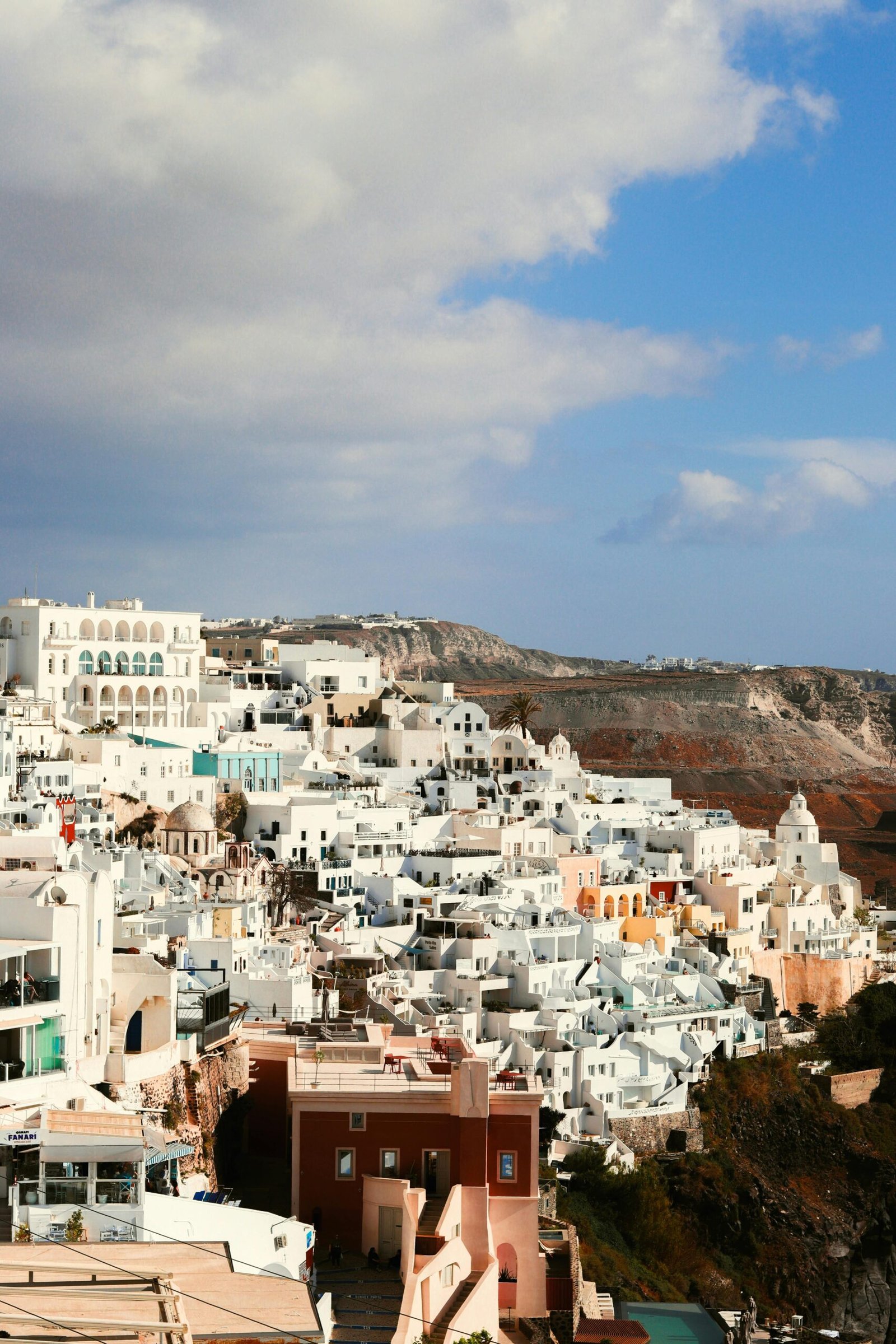
Why Most First-Timers to Santorini Leave Slightly Disappointed usually starts with one simple assumption: that a famous island will deliver a private version of the image they have already seen online. That is the mistake. Santorini is not disappointing because it is bad; it is disappointing because too many people arrive expecting the postcard to behave like a personal experience.
The real issue is psychological. Travelers build a story around the island before they arrive, then judge the trip against that story instead of the place in front of them. In peak season, that gap gets exposed fast.
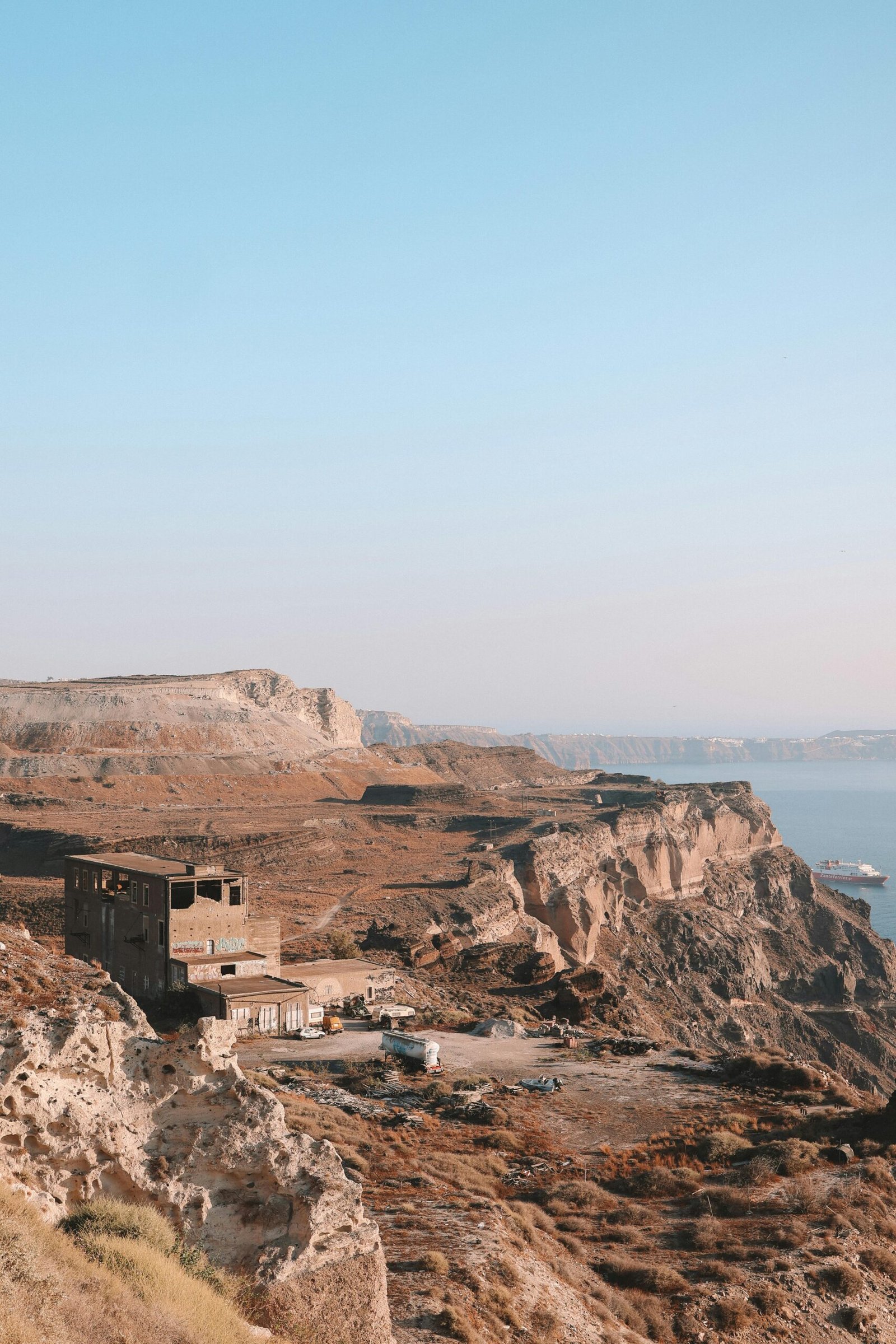
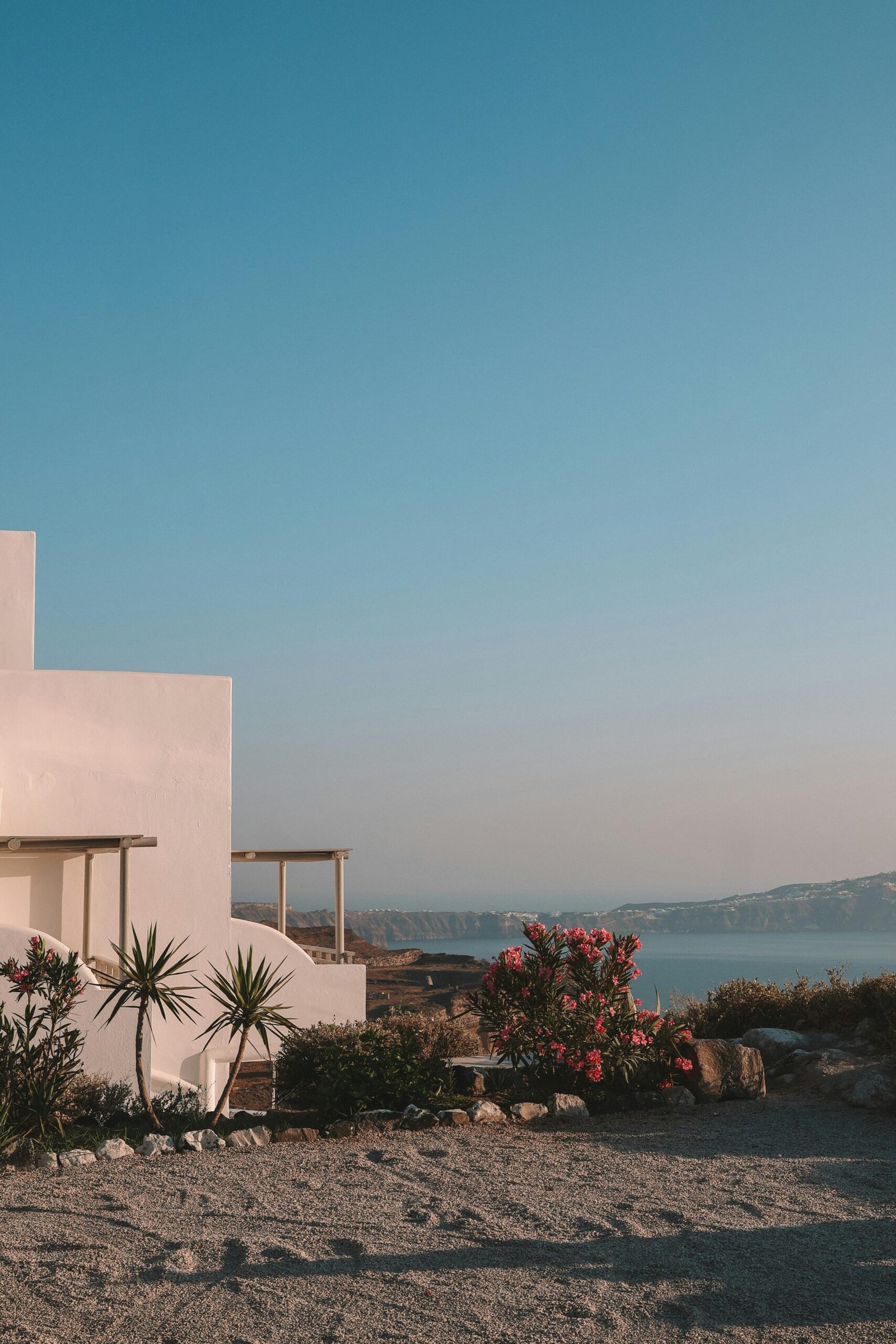
Why Most First-Timers to Santorini Leave Slightly Disappointed
The core problem is not Santorini itself. It is projection. People do not just book an island; they book a feeling, usually one built from social media, wedding content, and a decade of recycled images that leave out crowds, heat, and the price of being in demand.
That is why Why Most First-Timers to Santorini Leave Slightly Disappointed is such a consistent pattern. Visitors are not reacting to a bad destination. They are reacting to the fact that the island is asked to perform a fantasy it was never designed to deliver at scale.
The expectation gap starts before anyone boards a plane
Most first-time visitors are not choosing Santorini for geography. They are choosing it for emotional shorthand: romance, prestige, and the feeling that they have finally reached the Greece they have been imagining for years. That is a powerful motivator, and it is exactly why disappointment lands so hard.
The emotional trap is simple. When a place has been marketed as a life moment, ordinary friction feels like betrayal. Crowds feel louder, prices feel sharper, and small inconveniences feel bigger because the traveler expected the island to justify the fantasy.
This is where Why Most First-Timers to Santorini Leave Slightly Disappointed becomes less about logistics and more about identity. People want Santorini to confirm that they made the right choice, and when the island feels busy, commercial, or controlled by the peak-season machine, that confirmation never fully arrives.
What travelers expect versus what they actually experience
They expect intimacy. They get density. They expect serenity. They get queues, traffic, and the constant awareness that they are sharing the same view with a lot of other people who are also trying to have a meaningful moment.
Here is the counterintuitive part: many first-timers are not disappointed by the island’s beauty. They are disappointed by how quickly beauty becomes background noise when the experience is crowded, scheduled, and expensive. A place can be genuinely impressive and still fail to feel special if the emotional conditions are wrong.
That is why peak season creates such a specific kind of letdown. The island is still functioning, still photogenic, still worthy of its reputation, but the traveler’s sense of exclusivity collapses. For people who equate value with atmosphere, that collapse is hard to ignore.
The moment disappointment usually hits
It usually hits when the traveler realizes the island is not asking them to slow down; it is asking them to accept the crowd. That moment can come at a viewpoint, at dinner, or during the first attempt to enjoy a famous sunset without being surrounded by dozens of other people doing the exact same thing.
The real problem is not the view itself. It is the emotional mismatch between expectation and environment. Once travelers feel managed by the island rather than welcomed by it, the romance drops quickly.
For many, that is the precise point where Why Most First-Timers to Santorini Leave Slightly Disappointed stops being a theory and becomes a personal reaction. The place still looks like Santorini, but it no longer feels like the private reward they thought they had bought.
Who is most likely to feel let down
First-timers who are most vulnerable to disappointment usually share one trait: they are outcome-driven. They want the trip to produce a feeling on demand, whether that feeling is romance, sophistication, or a sense of having chosen well. Santorini is not generous to that mindset.
Couples on a milestone trip are especially exposed. So are travelers making a once-in-a-lifetime Greece decision with very little context, and anyone who assumes that the most famous option is automatically the most satisfying option. Fame is not the same thing as fit.
- Travelers chasing a “special occasion” feeling
- People who want quiet but choose peak-season Santorini anyway
- First-time Greece visitors who trust reputation over context
- Couples expecting privacy from a globally famous island
If you are the type who wants a trip to validate your taste, Santorini can be a poor match. That is not a flaw in the island. It is a mismatch between your emotional goal and what the destination is built to handle.
Why peak season makes the gap worse
Peak season does not just add people. It changes the psychology of the place. Every decision feels more visible, more expensive, and more competitive, which makes travelers hyperaware of what they are paying for and what they are not getting.
This is where many first-timers misread the situation. They assume that if they can tolerate crowds in a major city, they can tolerate them on a Greek island. That is a bad comparison. In Santorini, the crowd is part of the product, and once you notice that, the illusion of effortless escape is gone.
Greece rewards travelers who arrive with a plan, but Santorini punishes anyone who assumes the island will smooth out the experience for them. If your main goal is to feel unbothered, peak season is the wrong time to learn how much atmosphere depends on timing.
For broader context on Greece’s cultural and visitor landscape, it is worth understanding the country as more than a single island image. The official
Visit Greece platform is useful for that, especially if you want to see how much variety gets flattened when people reduce the country to one famous view.
What a better approach looks like
The fix is not to lower your standards. It is to choose with a clearer emotional brief. If you want Santorini, be honest about whether you want the island itself or the idea of being in Santorini.
That distinction matters. Travelers who enjoy the island most are usually the ones who accept that it is polished, busy, and highly managed, then plan around that reality instead of fighting it. They are not trying to extract a private fantasy from a public destination.
A better approach also means asking a harder question before booking: am I choosing this place because it fits my trip, or because I think I am supposed to want it? That question saves more disappointment than any amount of online research.
And if your interest in Greece extends beyond the island image, start widening the frame. A country this layered is not best understood through one famous destination, and resources like the Hellenic Ministry of Culture help remind travelers that Greece is far bigger than the version sold in a feed.
Reframing Santorini without romanticizing it
The right way to approach Santorini is to treat it as a high-demand destination with a very specific emotional profile. It can be impressive, elegant, and worth seeing, but it is rarely the place where first-timers feel they have discovered something private.
That is the real lesson behind Why Most First-Timers to Santorini Leave Slightly Disappointed. The disappointment is not proof that the island failed. It is proof that too many travelers arrived expecting a feeling the island was never obligated to provide.
If you understand that before you book, you can make a cleaner decision. You may still choose Santorini, but you will choose it for what it actually is, not for the fantasy it has been made to carry.
Greece doesn’t punish inexperience. It punishes unexamined assumptions. The travelers who leave disappointed rarely lacked information — they lacked a framework for using it.
Frequently asked questions
Why do first-time visitors feel disappointed in Santorini?
Because they often arrive with a fantasy built from images and reputation, then meet a busy, expensive, highly managed island instead of the private, effortless experience they expected.
Is Santorini overrated for first-time travelers?
Not overrated in a blanket sense, but often misread. It is a strong destination for the right traveler, yet a poor fit for people expecting quiet, privacy, or a relaxed pace in peak season.
What is the biggest mistake first-timers make in Santorini?
Choosing it for the image rather than the experience. That usually leads to disappointment when crowds, pricing, and atmosphere do not match the emotional story they had built.
Who tends to enjoy Santorini the most?
Travelers who accept that it is famous, busy, and curated, and who are comfortable making a high-profile destination part of a broader Greece trip rather than the whole point of it.
Does peak season make Santorini worse?
It makes the expectation gap more obvious. The island still has appeal, but the crowd pressure and higher prices make it harder for first-timers to feel the exclusivity they expected.
How can I avoid being disappointed in Santorini?
Be honest about why you want to go. If you want the island for its reputation, say that. If you want a quieter or more personal Greece experience, choose a destination that matches that goal better.