

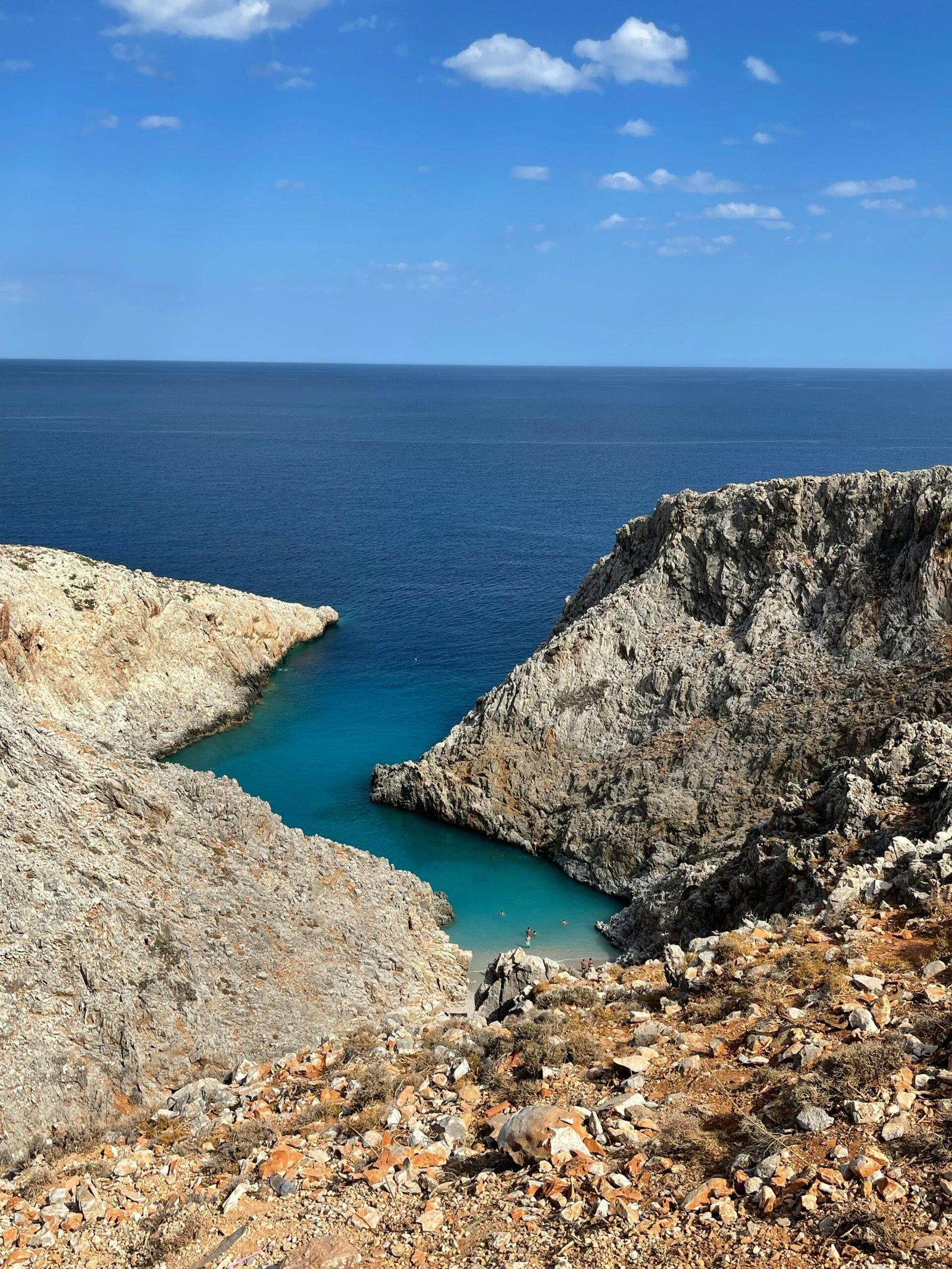
Crete Is Not One Trip, It’s Several Very Different Ones, and most first-time plans fail because they treat it like a single island with a single mood. That is the fastest way to build an itinerary that looks neat on paper and feels scattered in practice.
The island is large, geographically uneven, and split between places that suit slow coastal stays, mountain-based exploration, city breaks, and beach-focused travel. If you do not choose the right part of Crete for the way you actually travel, you will waste time moving between areas that do not belong in the same short trip.
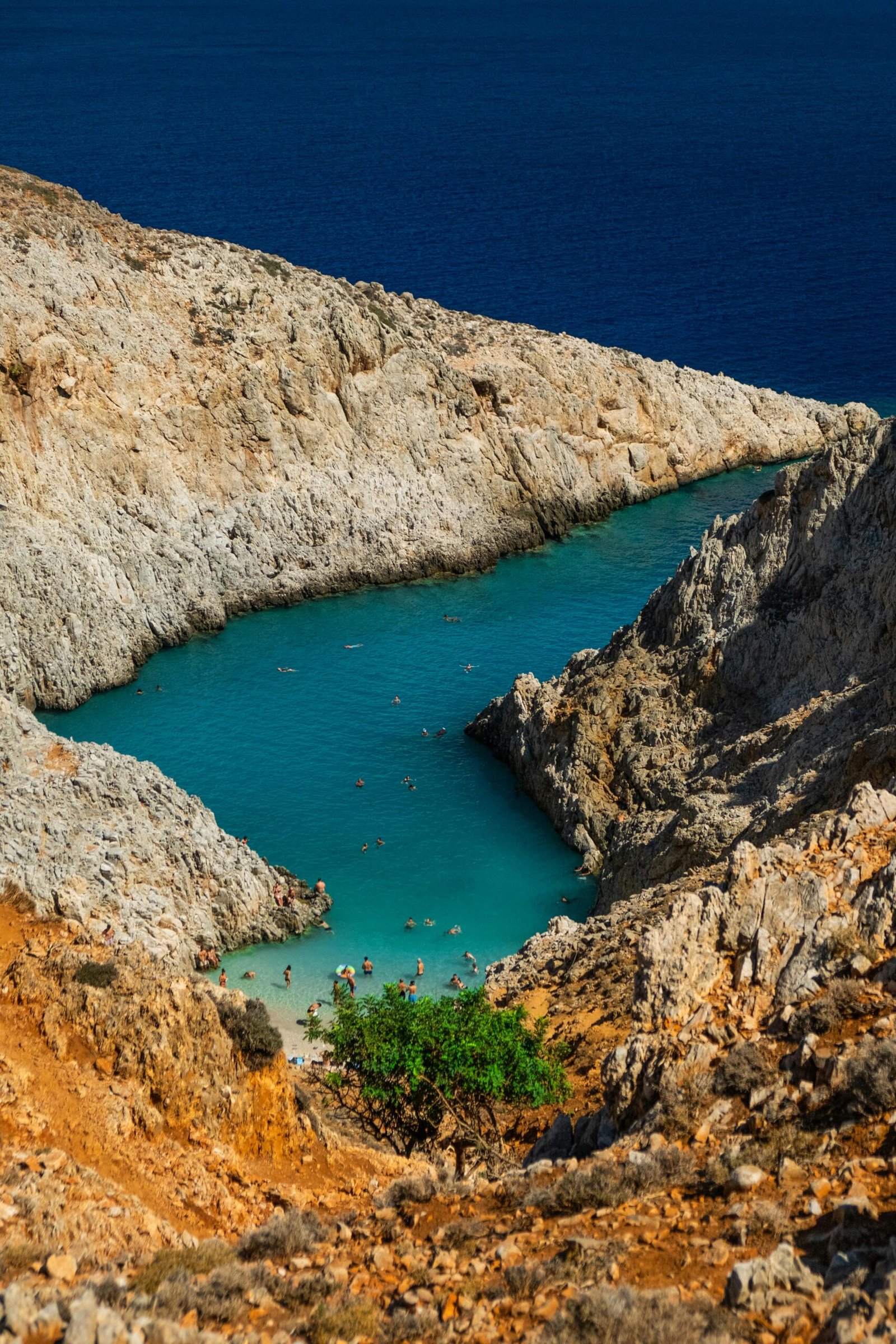
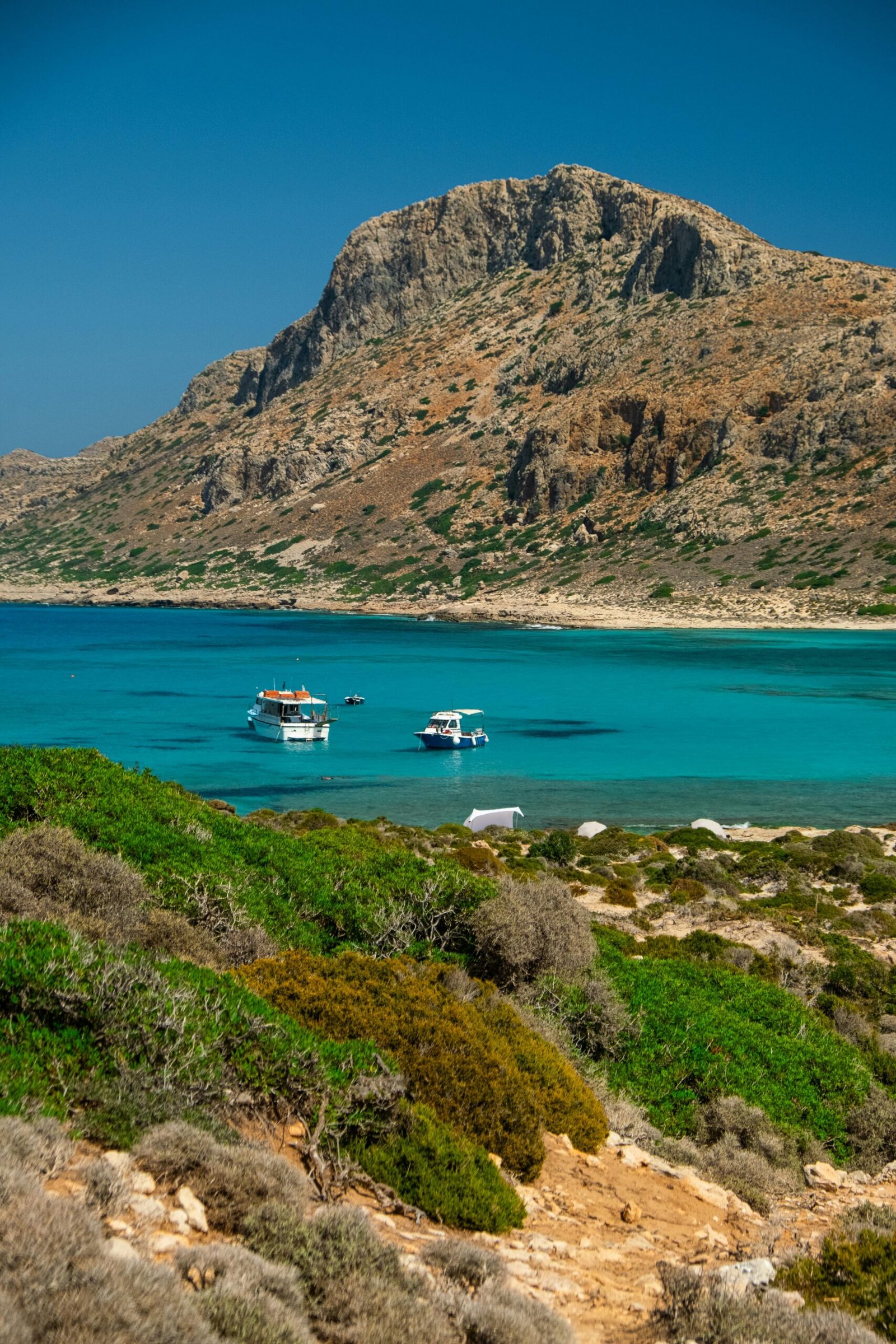
Crete Is Not One Trip, It’s Several Very Different Ones
Crete Is Not One Trip, It’s Several Very Different Ones, and that is the point most travelers miss before they book. The island is not a single destination with a few nice add-ons; it is a set of distinct travel products that happen to share one name. If you want a good trip, you need to stop asking what to see in Crete and start asking which Crete you are actually coming for.
Why Crete Is Not One Trip, It’s Several Very Different Ones
Western Crete, central Crete, and the far east do not deliver the same kind of holiday. Chania suits travelers who want a polished base with strong food, a walkable old town, and access to serious beaches; Heraklion suits people who care more about culture, history, and practical access to the island’s center; Rethymno sits in the middle and works best for travelers who want a balanced base without overcommitting to one style.
Then there is the south coast, which is where many itineraries quietly break down. Places like Paleochora and Plakias attract travelers who want a slower, less packaged Crete, but those areas are not efficient choices for everyone. If you are trying to cover the island in one neat loop, you are usually choosing movement over depth and calling it variety.
Crete Is Not One Trip, It’s Several Very Different Ones: what travelers get wrong
The first mistake is assuming that “Crete” means one beach holiday. It does not. Elafonissi, Balos, Falassarna, and Vai may all sit on the same island, but they do not belong in the same mental category, and trying to treat them that way leads to bad sequencing and tired days that feel more like logistics than travel.
The second mistake is underestimating how much location matters inside Crete. A nice hotel in the wrong part of the island can be a poor choice if your real goal is food, culture, or easy access to the places you care about. Travelers often pick a property based on the island name rather than the actual area, then discover they are spending too much of the trip compensating for that choice.
One practical consequence: people who mix distant parts of Crete into a short stay often end up with a trip that is technically impressive and emotionally thin. They see more names, but they experience less of the island. Crete Is Not One Trip, It’s Several Very Different Ones, and if you ignore that, you usually overbook the island and under-enjoy it.
Where each part of the island actually makes sense
Chania is the clearest choice for travelers who value atmosphere, dining, and a base that feels easy without being dull. It is also the part of Crete where many first-timers feel most comfortable, which is not a bad thing; comfort is useful when the rest of the island is demanding. The trade-off is that Chania can make the rest of Crete feel farther away than it looks on a map.
Rethymno is often overlooked by people who think they need a bigger-name base, which is a mistake. It gives you a more balanced position than many travelers realize, especially if you want a place that is active without being overbuilt. You gain flexibility, but you give up some of the instant polish that Chania offers.
Heraklion is not the place for travelers who want a postcard version of Crete. It is the right choice if you want museums, Minoan context, and a more working-city feel, including easy access to serious cultural sites. For travelers who care about substance over scenery, this is a strong base; for those chasing a relaxed old-town holiday, it can feel too functional.
Paleochora and Plakias suit slower travelers who do not need a packed daily program. These are not places to “do” quickly; they are places to settle into. The gain is less pressure and more breathing room, but the cost is that they are not efficient if your trip is short or if you want a lot of built-in variety.
Farther east, Agios Nikolaos and the Elounda area serve a very different market. This is where travelers go when they want a more polished resort environment, better suited to couples and luxury-focused stays than to people who want a gritty, exploratory base. It is a clean choice, but not a flexible one.
A counterintuitive truth about Crete
The most surprising thing about Crete is that the best trip is often less ambitious than the one travelers first imagine. People assume the island rewards constant movement, but in reality it rewards choosing one region and understanding it properly. Crete Is Not One Trip, It’s Several Very Different Ones, and trying to sample all of them in a short visit usually creates more friction than insight.
This is especially true for visitors who care about food, beaches, and a sense of place. The island’s depth comes from staying put long enough to notice how different one area is from the next, not from collecting a list of famous names. That is a hard truth for travelers who equate value with coverage.
Who this suits
This island suits travelers who are willing to make a choice and live with the trade-offs. It works well for couples, food-focused visitors, repeat Greece travelers, and families who want one stable base rather than a constantly changing setup. It also suits travelers who care about regional character and are not trying to turn every trip into a checklist.
- Best fit: couples, slow travelers, food-led trips, repeat visitors, and people who like one strong base.
- Not a good fit: travelers who want to see everything in a few days, people who hate decision-making, and anyone who needs every day to look different.
If you are the kind of traveler who wants the island to “show itself” without much planning, Crete can frustrate you. If you are the kind of traveler who wants a clear base, a clear purpose, and a realistic sense of what you are giving up, it can be excellent. That is why generic advice fails here; the island does not respond well to generic thinking.
Planning mistakes that create bad Crete trips
The biggest planning error is choosing too many areas for too little time. This is how travelers end up with a trip that feels rushed even when it is not technically short. A better plan is usually fewer bases, fewer switches, and a clearer idea of whether the trip is about beaches, culture, food, or a mix that actually fits the island’s geography.
Another common mistake is ignoring season. Crete is not one static experience across the year, and the feel of a place changes more than most people expect. Some areas are far more satisfying when the island is warm but not overloaded, while others are better when you want a busier, more active atmosphere.
If you are trying to understand the island at a deeper level, official cultural context matters more than many travelers admit. The island’s history is not decoration; it shapes how certain places feel and why they matter. A useful starting point is the Greek Ministry of Culture at https://culture.gov.gr/en/, especially if you want to understand why some Crete itineraries should be built around heritage rather than scenery.
What you gain, and what you give up
When you choose the right version of Crete, you gain clarity, better pacing, and a trip that feels coherent instead of crowded. You also get a much better chance of matching your base to your travel style, which is one of the most underrated decisions in Greece. That is the real value of understanding that Crete Is Not One Trip, It’s Several Very Different Ones.
What you give up is the fantasy of “doing it all.” That fantasy is usually the problem. Crete works best when you accept that every strong choice excludes something else, and that the exclusion is not a failure; it is what makes the trip work.
For broader trip framing and destination context, the national tourism site
https://visitgreece.gr/ is useful, but it should not replace judgment. The right Crete plan is not the one with the most stops. It is the one that matches the island’s real geography to the way you actually travel.
Greece rewards travelers who arrive with a plan built around how they actually travel — not a generic template. The difference between a frustrating trip and a remarkable one often comes down to sequence, timing, and knowing which trade-offs matter for your situation.
Recommended experiences
Some experiences mentioned here are curated and managed by Elite Greece Travels.
- Best Of Greece Athens Paros Crete 7 Day Itinerary 6 Nights — Itinerary (managed by Elite Greece Travels).
- Athens Mykonos Santorini Crete Itinerary 9 Days — Itinerary (managed by Elite Greece Travels).
- Athens Santorini Crete Itinerary 7 Days — Itinerary (managed by Elite Greece Travels).
Frequently asked questions
Is Crete better for one base or multiple bases?
For most travelers, one strong base is better unless the trip is long enough to justify a change. Crete is large enough that unnecessary switching usually costs more than it adds.
Which part of Crete is best for first-time visitors?
Chania is usually the safest first choice for travelers who want a polished, easy base. Rethymno is a strong alternative if you want a more balanced position.
Is Heraklion worth staying in?
Yes, if your priorities are culture, museums, and a more practical city base. No, if you want a relaxed old-town holiday atmosphere.
What do travelers most often underestimate about Crete?
The island’s size and the difference between regions. People also underestimate how much the wrong base can shape the whole trip.
Is Crete good for a short trip?
Yes, but only if you narrow the scope. Short trips fail when travelers try to combine too many regions and famous names.
Which travelers are least suited to Crete?
People who want a compact island where everything is close together, and travelers who dislike making deliberate choices about region and base.