

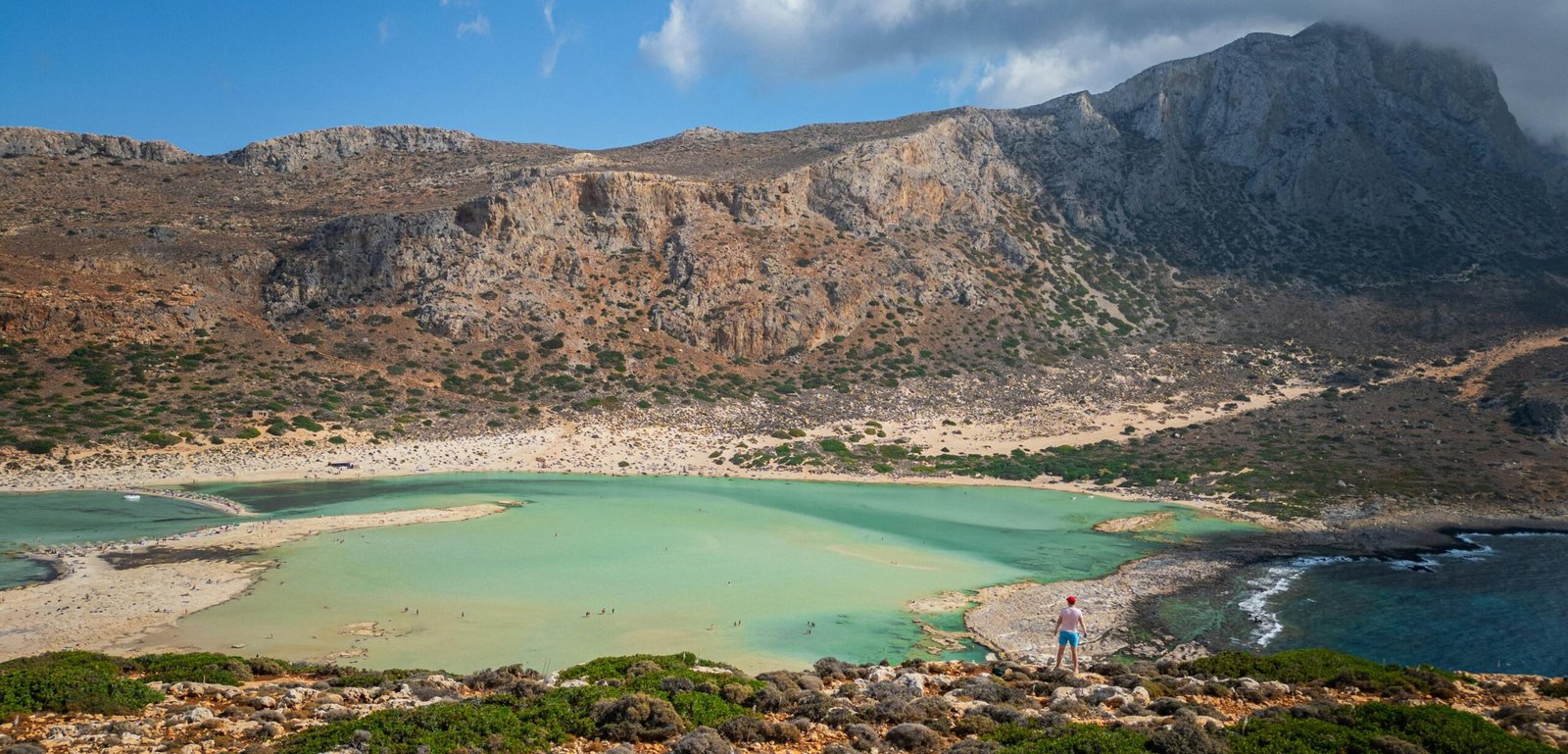
Crete Feels Like a Country, Not an Island, and that is exactly why so many first-time visitors misread it before they arrive. The mistake is not ignorance; it is a mental shortcut. Travelers picture a compact beach island, then get a place with its own scale, internal geography, regional identities, and enough depth to derail any casual, one-note plan.
That gap creates a very specific kind of disappointment: not bad trip, but wrong frame. Crete is often chosen for the wrong emotional reason — the need for certainty, simplicity, and an easy Greek escape — and then it refuses to behave like a small island. Crete Feels Like a Country, Not an Island, and once you understand that, the planning changes completely.
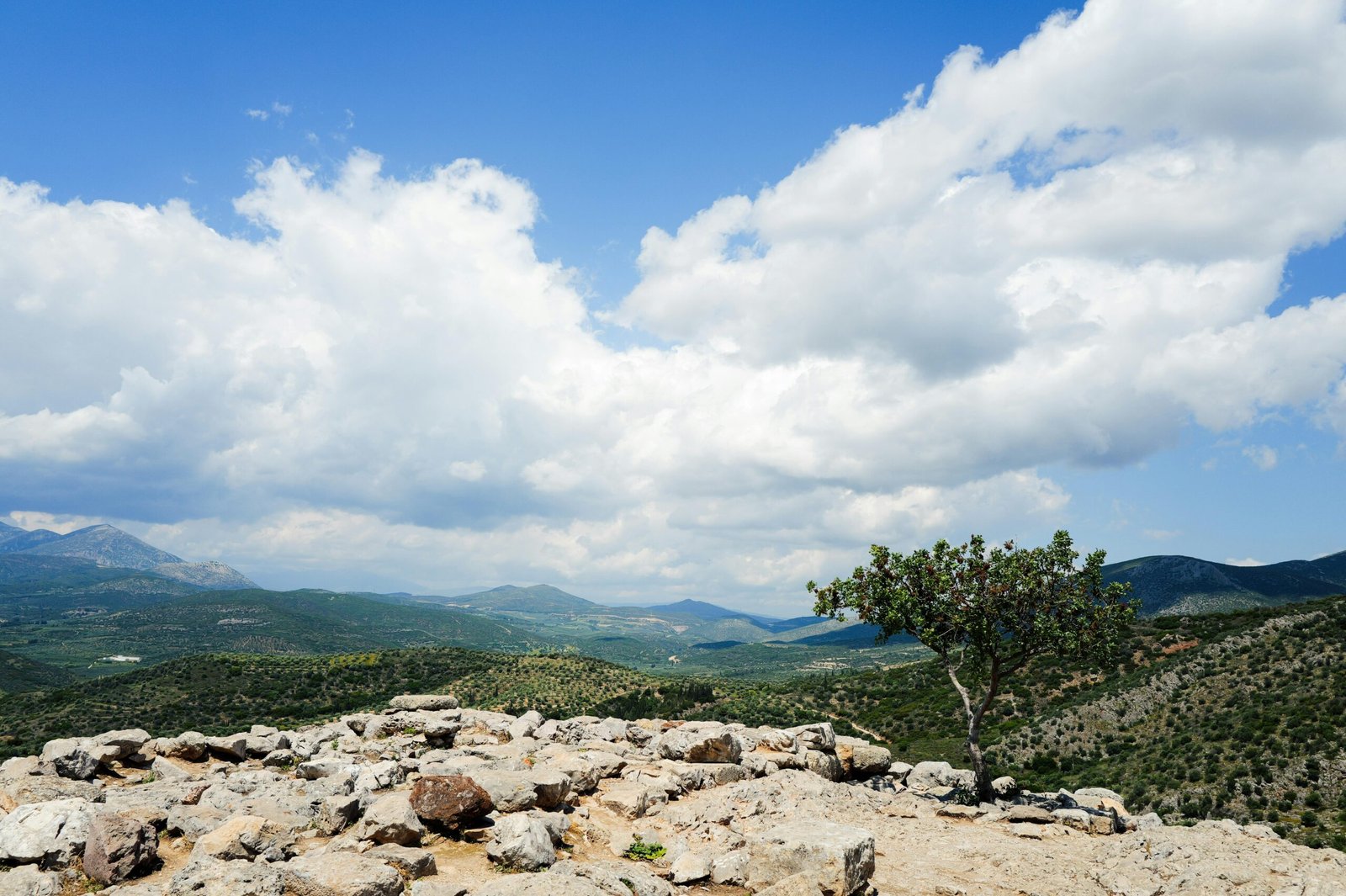
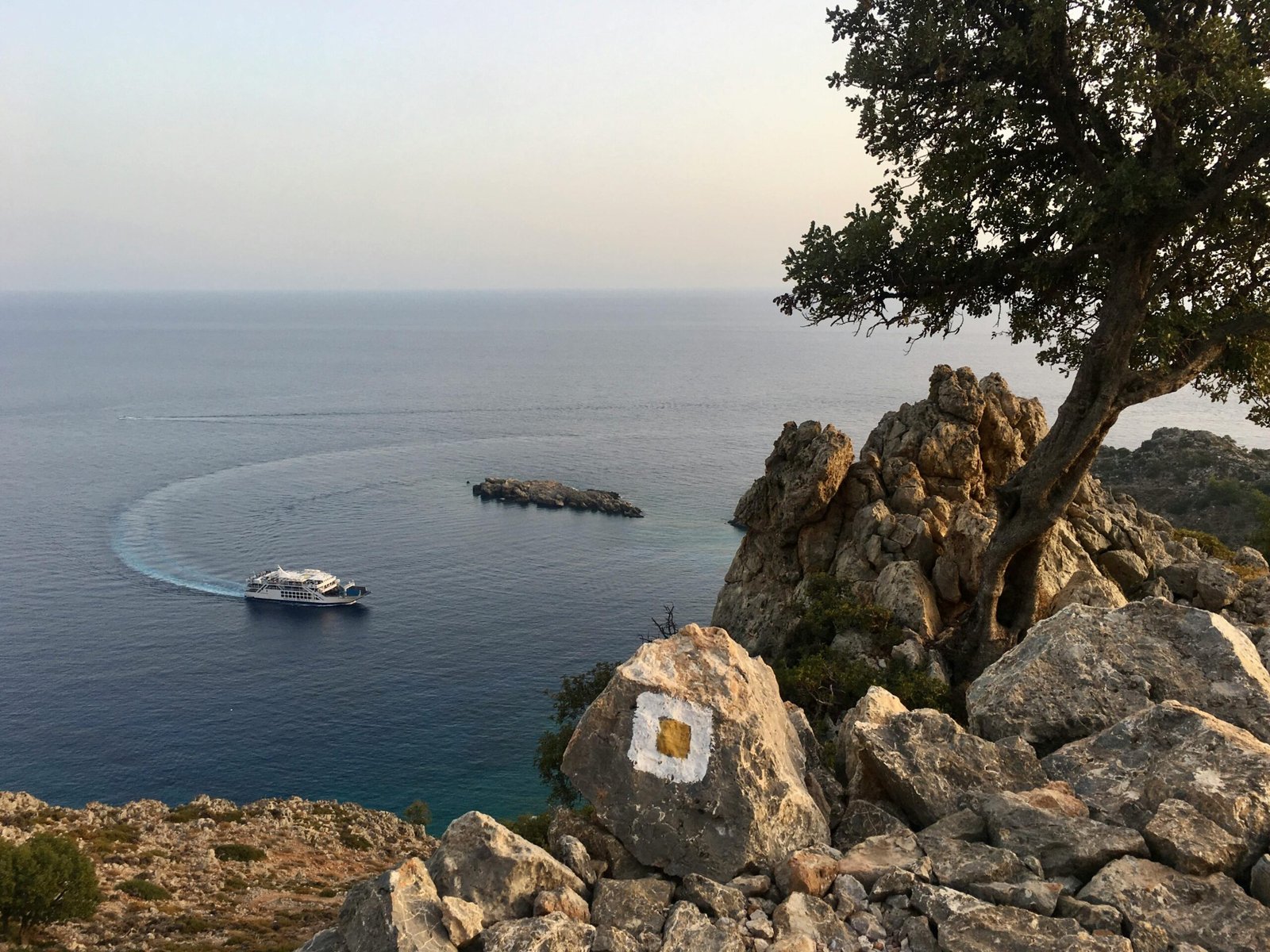
Crete Feels Like a Country, Not an Island
Crete Feels Like a Country, Not an Island, and first-timers usually discover that the hard way. They arrive expecting a single mood: beaches, seafood, a few villages, maybe one or two long lunches. What they actually get is a place that forces decisions about region, pace, and priorities before the trip even starts.
The psychological mistake is simple. People choose Crete because they want Greece without friction, and they assume size will make that easier. In reality, size creates more choices, more trade-offs, and more chances to get the sequence wrong.
The emotional reason people choose Crete in the first place
Crete attracts travelers who want reassurance. They want the feeling that they have chosen the “safe” Greek island: large enough to offer variety, famous enough to feel validated, and familiar enough to reduce the risk of regret. That is a very human impulse, and it is also why Crete is so often misunderstood.
People are not just buying a destination; they are buying relief from decision anxiety. They want one place that can cover beaches, culture, food, history, and a sense of completeness. Crete does offer that, but only if you accept that it is not a compact island experience — it is a full regional commitment.
Why Crete Feels Like a Country, Not an Island
Crete has real internal scale. It has distinct areas with different rhythms, different visitor profiles, and different levels of ease. That means the island does not deliver one uniform experience, and that is where many travelers get caught.
Crete Feels Like a Country, Not an Island because it behaves like a place with internal logic, not a resort product. Some parts feel built for slow, settled exploration. Others are more practical, more spread out, and less forgiving if you expected everything to be close together.
This is the counterintuitive part: the bigger the island, the more likely travelers are to feel they can “do more,” but the less likely they are to feel relaxed if they have not chosen a clear base. Crete rewards travelers who arrive with a plan once — and punishes those who arrive with a vague wish list.
Where the disappointment usually hits
The disappointment usually shows up after the first day or two, when travelers realize the island is not behaving like a simple beach stay. They expected to settle in and let the island unfold around them. Instead, they are making repeated decisions about distance, pace, and which part of Crete they actually meant to experience.
The real problem is not that Crete is difficult. It is that it is easy to underestimate how much the island asks of you in return for its range. Crete Feels Like a Country, Not an Island, and that means the wrong assumption turns into a practical problem fast: too much time spent trying to “cover” the island and too little time actually enjoying it.
If you want a broad sense of what Crete contains, the official national tourism site is a useful reality check:
visitgreece.gr. The mistake is not lack of options. It is assuming all options sit neatly within one easy trip shape.
The traveler types most prone to this mistake
Three types get caught most often. First, the “one-island-does-it-all” traveler, who wants one base and maximum variety. Second, the “I’ll just figure it out there” traveler, who treats scale as a flexible detail instead of the main design issue. Third, the “we only have one week, so let’s pick the biggest island” traveler, which is usually a defensive choice disguised as efficiency.
- The reassurance seeker: wants Crete to simplify Greece, then feels overwhelmed by choice.
- The overachiever: tries to see too much and ends up feeling rushed everywhere.
- The beach-first traveler: assumes the island will be easy because the goal is simple.
These travelers are not careless. They are trying to reduce uncertainty. The problem is that Crete magnifies uncertainty if you have not accepted its scale from the beginning.
The wrong assumption about “just one island”
There is a quiet fantasy behind many Crete bookings: one island means one decision. That fantasy is emotionally appealing because it sounds controlled. But Crete is not controlled in that way, and pretending otherwise leads to a trip that feels fragmented rather than restful.
This is where people confuse familiarity with simplicity. A place can be famous, well-loved, and straightforward to book while still being structurally demanding. Crete Feels Like a Country, Not an Island, and the planning consequence is obvious: if you choose it like a small island, you will spend the trip reacting instead of enjoying.
For travelers who care about context, history, and the cultural layer beneath the beaches, the Ministry of Culture is worth a look before you decide what kind of Crete you want to meet: culture.gov.gr/en. That is where the island stops being a generic sun destination and starts looking like a serious place with a long memory.
What a better approach looks like
The better approach is not to ask, “How much can I fit into Crete?” Ask, “What part of Crete am I actually trying to experience?” That question changes the trip from a vague island stay into a deliberate choice about pace and atmosphere.
Some travelers need one settled base and depth. Others need a broader, more ambitious shape. The key is to stop pretending those are the same thing. Crete rewards clarity, not optimism disguised as flexibility.
That is the real reframing: Crete is not the place to prove you can do everything. It is the place to decide what kind of traveler you are before you arrive. Once you accept that Crete Feels Like a Country, Not an Island, you stop fighting its scale and start using it properly.
Conclusion
The travelers who struggle most in Crete are usually not the ones who know least. They are the ones who assumed the island would organize itself around their expectations. It won’t. Crete asks for a more adult kind of decision-making: fewer fantasies, clearer priorities, and more respect for scale.
Crete Feels Like a Country, Not an Island, and that is not a drawback. It is the reason the island can feel rich, complete, and difficult all at once. If you approach it as a simple beach stop, you will miss the point and probably leave frustrated. If you approach it as a place with its own internal logic, you finally give yourself a fair chance to enjoy it.
Greece doesn’t punish inexperience. It punishes unexamined assumptions. The travelers who leave disappointed rarely lacked information — they lacked a framework for using it.
Frequently asked questions
Why do travelers underestimate Crete so often?
Because they use the word “island” as a shortcut for “simple.” Crete is large enough that scale, region, and pace matter in ways many first-timers do not expect.
What is the biggest emotional mistake people make with Crete?
They expect relief from decision-making, then discover Crete requires more choices than a smaller island. That mismatch creates stress before the trip even feels underway.
Is Crete better for first-time Greece visitors or repeat visitors?
Both, but for different reasons. First-timers need to accept its scale; repeat visitors usually appreciate that scale because they know how to shape the trip properly.
What kind of traveler is most likely to be disappointed by Crete?
The traveler who wants one easy base to cover everything. That approach tends to create fatigue, not freedom, because Crete is too large to treat casually.
What does it mean to approach Crete correctly?
It means choosing a clear purpose for the trip. Are you after beach time, culture, food, history, or a broader island experience? Crete works best when the goal is specific.
Can Crete still feel restful if it is so large?
Yes, but only if the trip is designed around the part of the island you actually want to experience. Rest comes from clarity, not from trying to see everything.