


Athens Is Not a Stopover: Why the City Deserves Serious Planning is the right way to think about this city if you want a trip that actually works. Too many travelers treat Athens as a quick pre-ferry pause, then act surprised when they miss the best parts and end up staying in the wrong area.
The city is larger, more uneven, and more rewarding than most first-timers expect. If you choose the wrong neighborhood, rush the pace, or assume the Acropolis is the whole story, you will leave with a thin version of Athens that tells you very little about Greece.

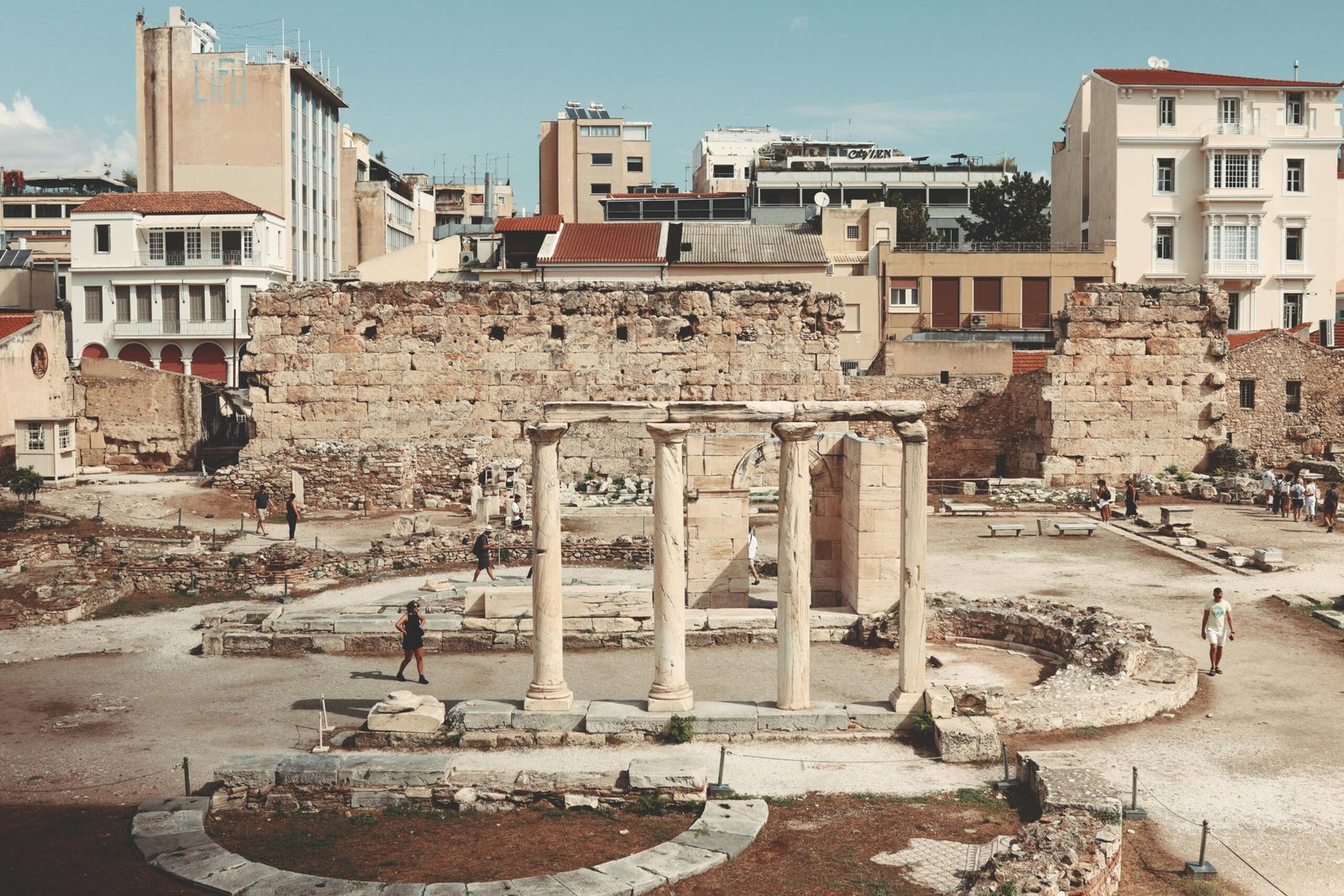
Athens Is Not a Stopover: Why the City Deserves Serious Planning
Athens Is Not a Stopover: Why the City Deserves Serious Planning is not a slogan; it is a practical warning. Athens can be one of the most useful parts of a Greece trip, but only if you stop treating it like a place to sleep and leave. The city rewards travelers who understand where to stay, what to skip, and how much energy they actually have after international travel.
Why Athens Is Not a Stopover: Why the City Deserves Serious Planning
The biggest mistake is assuming Athens is only for the Acropolis and a dinner before the islands. That approach creates bad sequencing, shallow impressions, and unnecessary stress because the city’s value is not concentrated in one landmark. Athens makes sense when you let it function as a proper urban stay, not a transit problem.
Another common error is choosing accommodation based only on price or a famous name. In Athens, location changes the entire experience: Plaka is convenient but often overrun, Koukaki is more balanced, Kolonaki is polished and expensive, Psyrri can be lively but noisy, and Pangrati gives you a more local rhythm without feeling remote. Syntagma is practical for first-time visitors, but it is not the most characterful base if you want the city to feel lived-in.
What travelers consistently get wrong
First, they underestimate how much neighborhood choice affects the feel of the trip. A traveler who wants quiet mornings and decent cafes will not enjoy the same area as someone who wants late dinners and easy access to nightlife. Athens is a city where the wrong base can make a short stay feel chaotic and a longer stay feel repetitive.
Second, they overpack the city with museum-hopping and landmark chasing. Athens has serious cultural depth, and the Acropolis Museum is worth time, but trying to “do” the city as a checklist usually backfires. People end up exhausted, then blame Athens for being intense when the real issue is bad pacing.
Third, they ignore the seasonal reality. Summer Athens is hot, loud, and more draining than most visitors expect, especially if they are coming straight from a long-haul flight. Spring and autumn are much easier for walking and eating outdoors; winter is underrated for travelers who prefer museums, proper meals, and fewer crowds.
Neighborhoods that change the trip
Plaka works for travelers who want postcard Athens and do not mind paying for it. It is central, but it can feel staged and crowded, especially in the evening. If your goal is a polished first impression, it delivers; if you want a neighborhood with real daily life, it is not the strongest choice.
Koukaki is one of the safest recommendations for first-timers who want balance. It has enough restaurants, cafes, and easy access to the core sights without the overdone feel of the most obvious central areas. Pangrati is a better fit for travelers who care more about local dining and a less tourist-heavy atmosphere.
Kolonaki suits people who want comfort, upscale hotels, and a more controlled urban experience. Psyrri is for travelers who like energy and do not mind noise or a rougher edge at night. Monastiraki is convenient but not always pleasant to sleep in, which is a distinction many visitors learn too late.
The counterintuitive truth about a short stay
The surprising thing about Athens is that a longer stay can feel easier than a rushed one. A two-night visit often produces more friction than a four-night stay because the city needs one day to shake off arrival fatigue and another to make sense of its layers. People think they are being efficient by minimizing Athens, but in practice they create the least efficient version of the trip.
That is why Athens Is Not a Stopover: Why the City Deserves Serious Planning is more than a planning slogan. If you give the city proper time, you can pair major sights with a real neighborhood rhythm, better meals, and a clearer sense of where Greece is heading before you move on. If you do not, Athens becomes a blur of taxis, heat, and half-seen landmarks.
Who this suits
Athens suits travelers who like cities, history, and a bit of edge. It is strong for first-time Greece visitors who want context before the islands, for couples who enjoy good food and walkable neighborhoods, and for repeat visitors who want to understand the country beyond the ferry route.
It does not suit travelers who want a soft, resort-style introduction to Greece. It also frustrates people who dislike urban noise, uneven streets, and a city that asks you to pay attention. If your ideal trip is beach-first and low-effort, Athens should be brief and tightly chosen, not central to the whole plan.
- Best for: culture-focused travelers, food-minded couples, and first-timers who want context.
- Not ideal for: resort-only travelers, people who hate cities, and anyone trying to pack Athens into a single rushed night.
What you gain, and what you give up
If you plan Athens properly, you gain depth, better pacing, and a more intelligent start or finish to the trip. You also gain flexibility, because Athens can absorb bad weather, a delayed flight, or a tired first day better than most Greek destinations. That makes it a useful anchor, not a throwaway stop.
What you give up is simplicity. Athens demands more judgment than a beach town, and there is no single “best” area for everyone. That is the trade-off: more choice, more variation, more room to get it wrong.
If you want the broadest possible picture of the city before you decide how to use it, the official tourism resources at
Visit Greece are a sensible starting point. But the real value comes from matching the city to the rest of your trip, not treating it as a standalone box to tick.
Why expert planning matters here
Athens is where weak trip design shows immediately. Wrong neighborhood choice, wrong pacing, or the assumption that one night is enough all create avoidable problems that spill into the rest of the itinerary. I have seen travelers leave Athens tired and irritated, then carry that mood into the islands because the opening chapter of the trip was badly handled.
Athens Is Not a Stopover: Why the City Deserves Serious Planning is the honest version of the advice most people need. Treat the city as a serious part of Greece, and it gives you context, momentum, and a much better trip overall. Treat it like a layover, and you will probably miss the point.
Most Greece trips follow the same tired script. The ones that don’t — the ones travelers still talk about years later — were built around a real understanding of how this country works. That kind of understanding takes time, or it takes someone who already has it.
Recommended experiences
Some experiences mentioned here are curated and managed by Elite Greece Travels.
- Athens Milos Itinerary — Itinerary (managed by Elite Greece Travels).
- Athens Milos Santorini Itinerary 9 Days — Itinerary (managed by Elite Greece Travels).
- Greece 7 Day Itinerary Athens Delphi Meteora Santorini — Itinerary (managed by Elite Greece Travels).
Frequently asked questions
Is Athens worth more than one night?
Yes, for most travelers. One night is usually too thin unless you are only connecting to another part of Greece and have no interest in the city itself. Two to four nights is a far more realistic range if you want the city to feel worthwhile.
Which neighborhoods are best for a first stay in Athens?
Koukaki is the safest all-around choice for most first-timers. Syntagma is practical, Plaka is central but busy, and Kolonaki suits travelers who want a more polished base. Psyrri and Monastiraki are better for people who prioritize energy over sleep quality.
What do travelers underestimate most about Athens?
They underestimate how much neighborhood choice affects the trip and how tiring the city can be in summer. They also underestimate the time Athens needs to feel coherent instead of chaotic.
Is Athens good before or after the islands?
Both can work, but the city is often more useful at the beginning because it gives context to the rest of Greece. At the end, it works well if you want museums, food, and a slower finish rather than another beach stay.
What kind of traveler does Athens disappoint?
Travelers who want a resort atmosphere, minimal noise, and a very polished urban experience often leave underwhelmed. Athens has excellent parts, but it is still a real capital with rough edges.
When is the best time to plan Athens seriously?
Spring and autumn are the easiest seasons for most visitors. Summer requires more caution because heat and crowds make poor planning much more painful.