

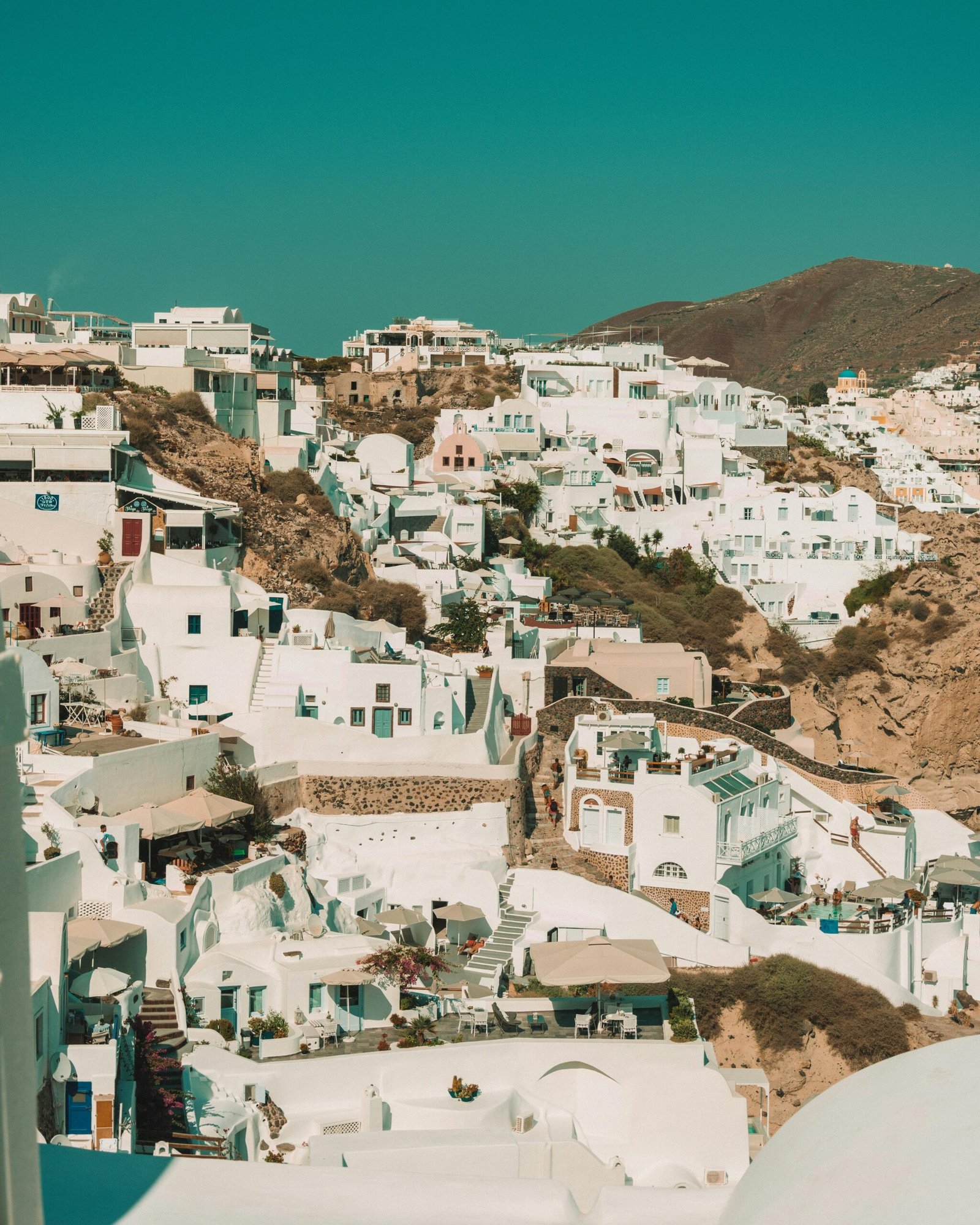
Why Most First-Timers to Santorini Leave Slightly Disappointed is usually not a mystery of the island itself. It is a mismatch between the fantasy people carry in and the reality of visiting a place that has been heavily photographed, heavily marketed, and heavily visited at the same time. Most disappointment starts before the trip, when travelers confuse a familiar image with a guaranteed feeling.
That expectation creates a very specific problem in Santorini: people arrive looking for a private emotional experience in a place that, in peak season, is built around shared viewing angles, crowded viewpoints, and constant friction. The island is not fake. The assumption is. And that assumption is exactly why Why Most First-Timers to Santorini Leave Slightly Disappointed keeps coming up in real conversations after the trip.
Why Most First-Timers to Santorini Leave Slightly Disappointed
The main pattern is simple: people do not choose Santorini for the island it is. They choose it for the version they have already seen in photos, reels, proposal videos, and travel lists that flatten the place into one mood. By the time they arrive, they are not asking, “What is this island like?” They are asking, “Why doesn’t it feel like the version I already decided on?”
That is a dangerous way to visit anywhere, but especially here. Santorini is one of the few places where the image is so dominant that the trip often feels like a test of whether reality can keep up. It usually cannot, at least not in peak season.
The real reason the fantasy is so strong
People want Santorini because it solves a psychological problem: it lets them feel they made a good, recognizable choice. It is easy to explain to friends, easy to justify as a splurge, and easy to attach meaning to before you ever land. That is why it gets chosen by travelers who are not only buying a destination, but also buying a social story about themselves.
That is also why disappointment lands so sharply. When you have paid for a story, you notice every detail that interrupts it: crowding, heat, noise, inflated prices, and the fact that you are often sharing the exact same view with a lot of other people doing the same thing. The island is not failing to be beautiful. It is failing to be private.
Why Most First-Timers to Santorini Leave Slightly Disappointed is often less about quality and more about emotional inflation. Travelers arrive expecting a peak feeling, and peak feelings are fragile when the place is busy, scheduled, and visibly managed for volume.
What travelers expect versus what they actually get
Most first-timers expect Santorini to feel effortless. They imagine slow mornings, quiet cliffside dinners, clean views, and a sense that the island will deliver atmosphere without asking anything back. In reality, peak season Santorini often asks for patience, tolerance, and a willingness to share every “special” moment with strangers.
The gap is not that the island is unattractive. The gap is that the emotional payoff is diluted by logistics, congestion, and constant awareness of other people wanting the same photo, the same restaurant, the same sunset position. That is the part standard travel content rarely says plainly.
This is where Why Most First-Timers to Santorini Leave Slightly Disappointed becomes predictable. The traveler expected immersion; what they got was exposure. Those are not the same experience, and anyone who has visited in the busiest months knows the difference immediately.
Visit Greece is useful for broad destination context, but the real issue is not information. It is expectation management. People do not underestimate Santorini because they know too little about it; they underestimate it because they know it too well in image form and not well enough in lived form.
The moment disappointment usually hits
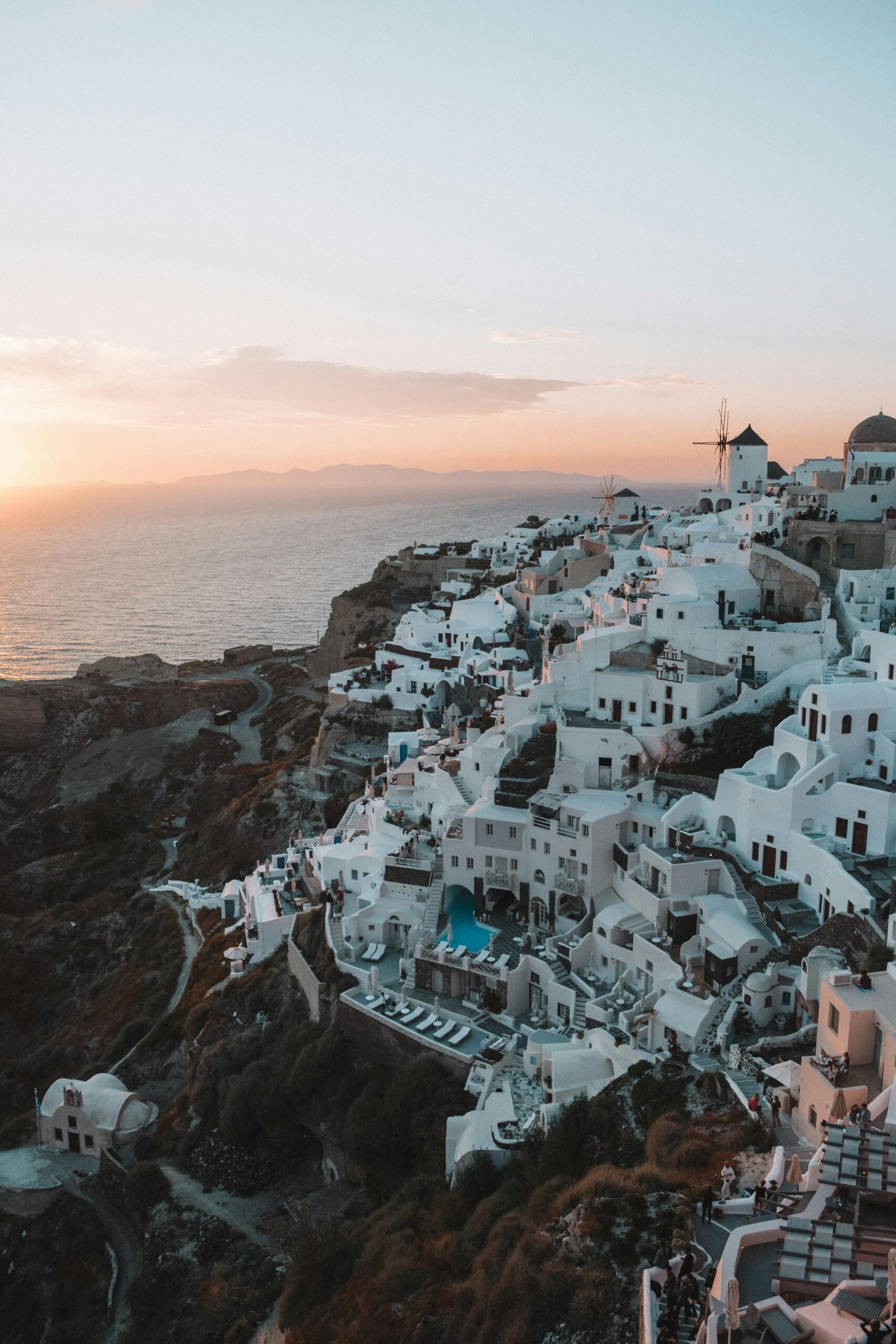
The disappointment rarely arrives on arrival. It usually hits at the first sunset rush, when the emotional script collapses. Travelers realize they are not having a private moment with the island; they are participating in a crowd ritual with excellent lighting and very little space.
That moment matters because it exposes the original assumption: that Santorini would feel intimate simply because it looks intimate in photos. It does not. In peak season, intimacy has to be created through timing, patience, and realistic expectations. If you did not plan for that, the island will feel performative very quickly.
Another common breaking point is the first meal with a view that costs more than it should and feels less relaxed than expected. People do not usually mind paying for quality. They mind paying premium prices and still feeling managed, rushed, or boxed into a highly commercial experience.
Why peak season makes the gap worse
Peak season does not just add people. It changes the emotional character of the island. Santorini in July and August is not the same psychological experience as Santorini in a quieter month, because the island becomes more about crowd control than discovery.
That is the part many first-timers miss. They assume the scenery will override the season. It will not. Crowds alter pace, patience, and your ability to feel like you are in control of your own trip. Once that sense is gone, disappointment starts to spread into everything else.
Greece rewards travelers who arrive with a plan, but Santorini punishes travelers who assume the island will organize itself around their mood. That is not a moral point. It is an operating reality.
For travelers who want to understand the country beyond the postcard version, even a place like the Acropolis Museum shows the value of context over image. Santorini is the same in a different way: once context is missing, the experience gets thinner fast.
Who is most likely to feel let down
There are a few traveler types who are especially vulnerable to this pattern. The first is the first-time Greece visitor who wants the trip to feel definitive, as if Santorini should somehow explain the whole country in one stop. That is a bad assumption, and it usually leads to overinvestment in a single island.
The second is the couple chasing a milestone moment. Engagement trips, anniversaries, and honeymoon add pressure, which makes every inconvenience feel personal. When the trip is built around a fantasy of perfection, even normal peak-season friction can feel like failure.
The third is the traveler who wants “the iconic Greece experience” but has not spent much time thinking about what iconic actually means. These travelers tend to be vulnerable to crowd shock. They want recognition, not congestion, and Santorini in high season gives them both in equal measure.
- First-time visitors trying to “do Greece” in one famous stop
- Couples expecting a flawless romance setting
- Travelers who equate popularity with ease
- People who dislike crowds but book the most crowded months anyway
The counterintuitive truth about Santorini disappointment
Here is the surprising part: many disappointed first-timers would have been happier if they had expected less beauty and more friction. Not because the island lacks beauty, but because beauty is easy to see and hard to use when the rest of the experience is crowded, expensive, and highly managed. The problem is not that Santorini is overrated in a simple sense. The problem is that it is over-idealized.
That matters because over-idealization creates a brittle traveler. The more certain you are that a place should make you feel a specific way, the less room you leave for reality to be imperfect. Santorini is a place where that rigidity gets exposed fast.
Why Most First-Timers to Santorini Leave Slightly Disappointed is often a story about emotional inflexibility, not bad taste. The travelers who enjoy it more are usually the ones who stop demanding a perfect feeling from a very busy island.
A better way to approach Santorini
The smarter way to visit is to treat Santorini as one strong part of a larger Greece trip, not the whole emotional center of it. Go in with the understanding that the island is famous for a reason, but fame changes the experience. It brings pressure, volume, and a lot of people trying to extract the same moment from the same place.
If you understand that, the trip gets better immediately. You stop expecting the island to deliver a private fantasy and start evaluating it as a real place with real trade-offs. That shift alone prevents a lot of frustration.
Approach Santorini as a place to observe, not a place to be transformed by on command. That is a much more honest expectation, and it is usually the difference between a decent trip and a disappointed one.
Greece doesn’t punish inexperience. It punishes unexamined assumptions. The travelers who leave disappointed rarely lacked information — they lacked a framework for using it.
Frequently asked questions
Why do so many first-time visitors feel disappointed in Santorini?
Because they arrive with an image-based expectation instead of a realistic one. The island is heavily visited, heavily photographed, and much less private in peak season than people assume.
Is Santorini actually overrated?
Not in a simple yes-or-no sense. Santorini is a strong destination, but many travelers overrate the emotional ease of visiting it, especially during the busiest months.
What is the biggest mistake first-timers make?
They treat Santorini like a guaranteed mood rather than a real place with crowds, prices, and seasonal pressure. That assumption leads to disappointment fast.
When does disappointment usually start?
Usually at the first major sunset crowd or the first expensive meal that feels more managed than relaxing. That is when the fantasy and the reality stop lining up.
Who is most likely to be let down by Santorini?
First-time Greece visitors, couples under pressure to make the trip special, and travelers who dislike crowds but still choose peak season are the most vulnerable.
How can I avoid feeling let down?
Do not treat Santorini as the whole Greece experience. Keep your expectations grounded, acknowledge the season, and stop expecting the island to feel private just because it looks private in photos.