

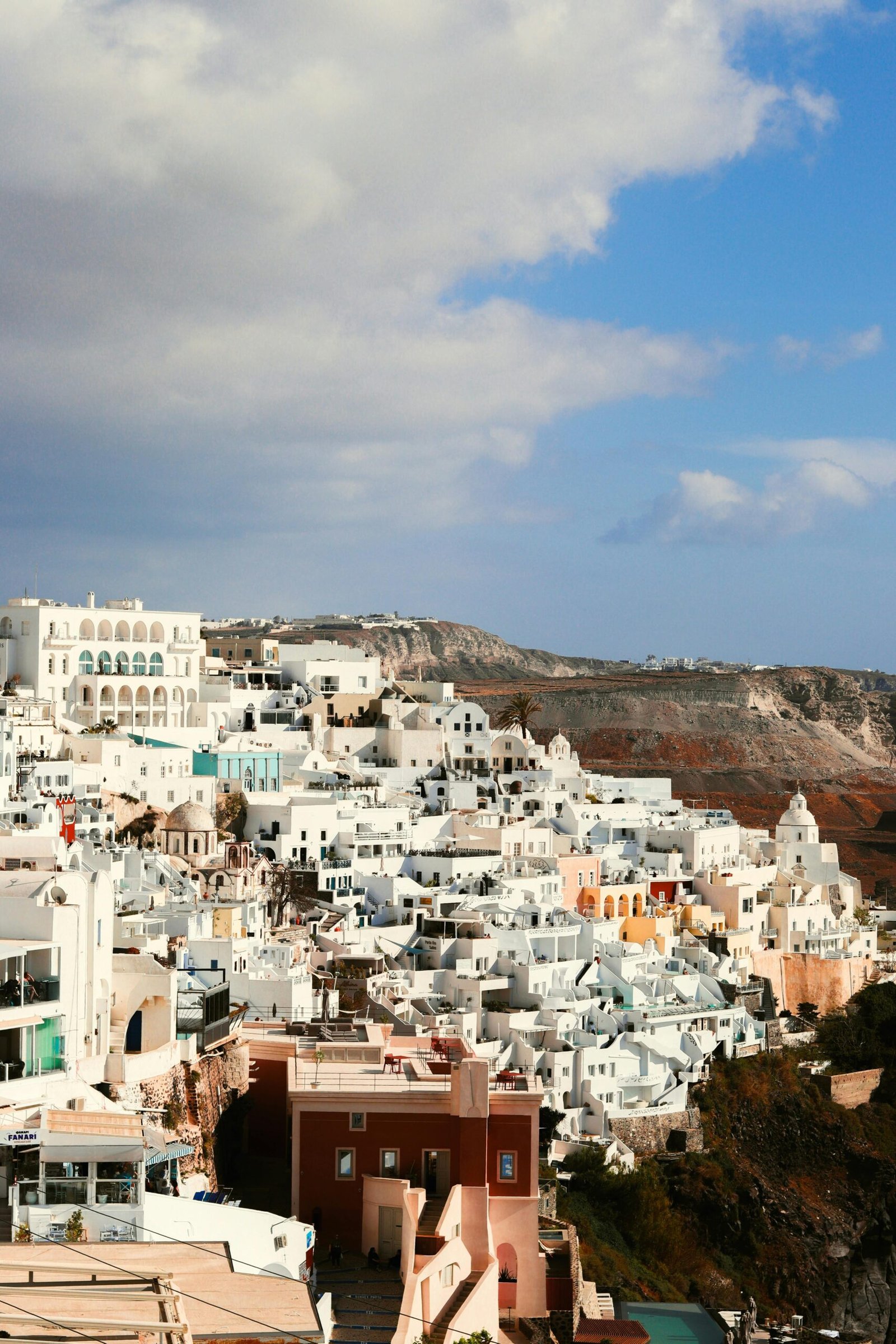
Why Most First-Timers to Santorini Leave Slightly Disappointed starts with a very specific assumption: that the island will deliver the same feeling it does in photos, at the same pace, with the same sense of ease. That is rarely how Santorini works in peak season. The disappointment is usually not about the island itself, but about the gap between the fantasy people carried in and the conditions they actually met.
Most first-time visitors are not making a bad choice in a simple sense. They are making an emotionally loaded one: choosing the place that best represents Greece in their mind, then arriving when everyone else has made the same decision. That is where the friction starts, and it is exactly why Why Most First-Timers to Santorini Leave Slightly Disappointed keeps repeating itself year after year.
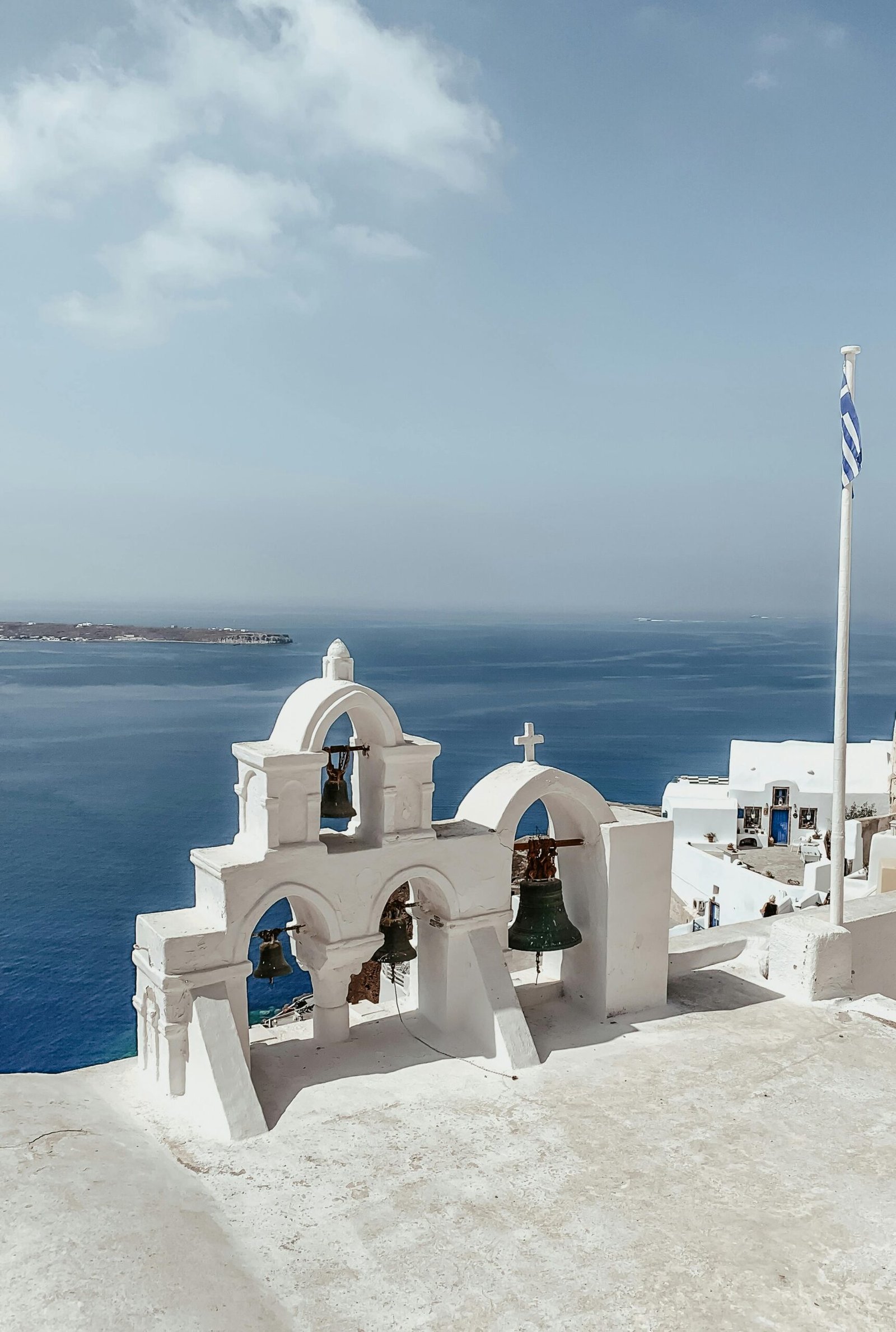
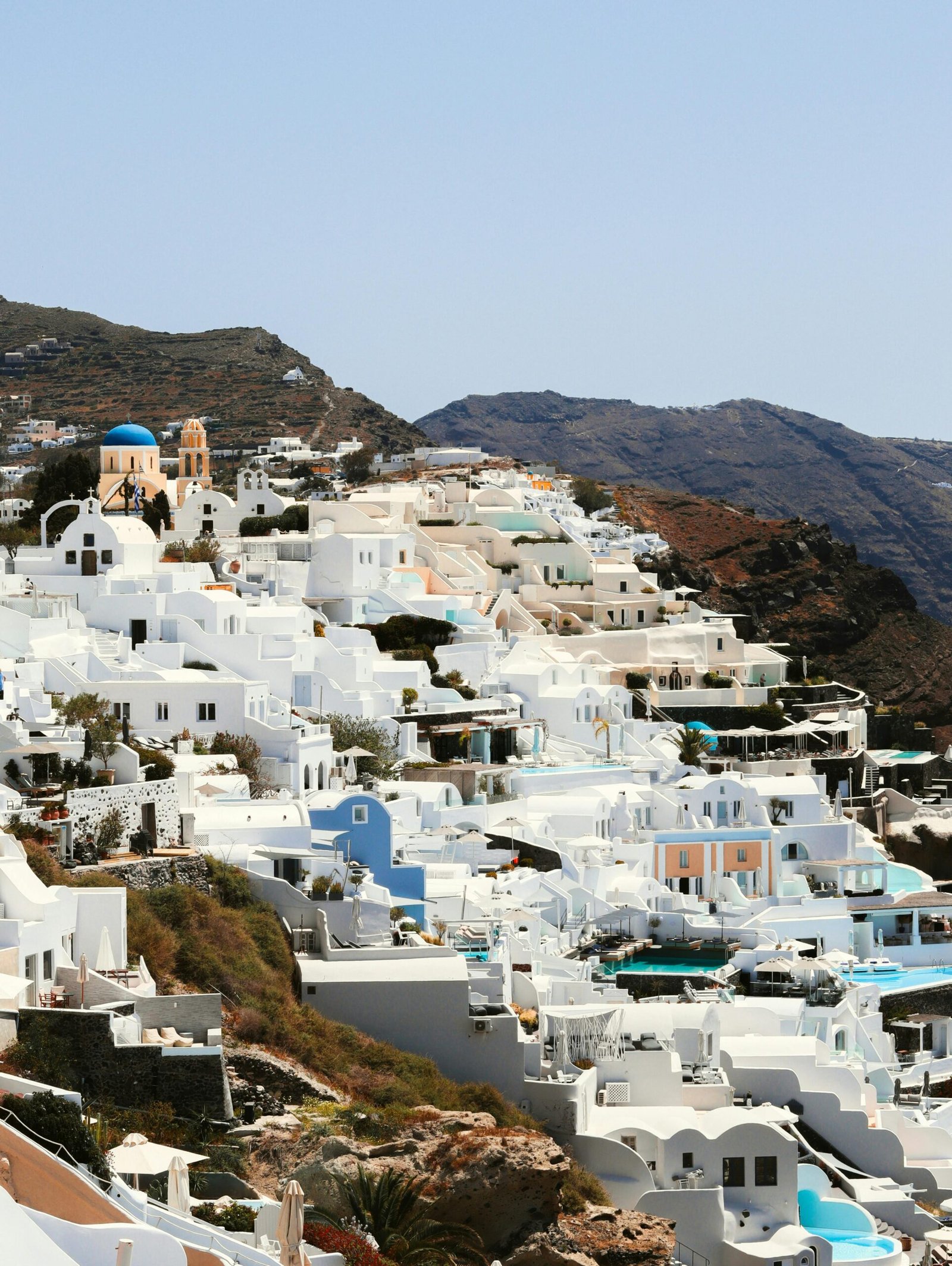
Why Most First-Timers to Santorini Leave Slightly Disappointed
There is a reason this pattern keeps showing up. Santorini is not usually chosen for practical reasons; it is chosen because people want a certain feeling of arrival, recognition, and payoff. They want the Greece they have already pictured, and they want it to feel effortless.
That expectation is the trap. Santorini in peak season is one of the clearest examples of how a destination can be famous for the right reasons and still frustrate people who came with the wrong mental model. Why Most First-Timers to Santorini Leave Slightly Disappointed is not a mystery if you understand how image-driven travel works.
The real reason people choose Santorini first
First-timers often choose Santorini because they want certainty. They know what it looks like, they have seen it in every possible format, and that familiarity feels safer than choosing a place they cannot picture. In travel psychology, that matters: people are drawn to destinations that reduce decision anxiety.
There is also status at play. Santorini signals that you have “done Greece” in a way that feels legible to friends, colleagues, and social media. That is not a shallow motive; it is a common one, and it explains why so many travelers prioritize the island before they understand what kind of trip they actually want.
Greece rewards travelers who arrive with a plan, but Santorini punishes people who confuse a recognizable image with a complete travel strategy. The island is not wrong for being famous. The problem is the emotional burden travelers place on it before they arrive.
Why Most First-Timers to Santorini Leave Slightly Disappointed in peak season
Peak season changes the entire emotional equation. The island still looks like Santorini, but the experience becomes more compressed, more managed, and less private than many first-timers imagine. The issue is not just crowds; it is the feeling that the island is performing for a constant audience.
That performance affects how people interpret everything. A narrow lane feels less atmospheric when you are moving with a queue. A famous view feels less personal when you are sharing it with dozens of others who all arrived for the same moment. This is where Why Most First-Timers to Santorini Leave Slightly Disappointed becomes more than a headline; it is the predictable result of peak-season psychology meeting a highly photographed place.
Here is the counterintuitive part: the disappointment is often strongest among travelers who are objectively enjoying themselves. They are eating well, staying somewhere nice, and seeing the views they came for, yet they still feel slightly let down. That is because the mind compares the live experience to an edited internal version of the trip, and the live version almost never wins that comparison.
The moment the disappointment usually hits
For many travelers, the shift happens at the first major viewpoint or sunset moment. They arrive expecting a private emotional payoff and instead find themselves negotiating space, timing, and noise. The place is still beautiful, but the feeling is more crowded and less cinematic than expected.
That is when the story in their head changes. Instead of thinking, “This is exactly what I hoped for,” they begin asking, “Is this it?” That question is not about the island itself; it is about the mismatch between expectation and reality.
The same thing happens around dining and movement through the island. People expect a relaxed rhythm and discover that timing matters more than they thought, especially in the most visible parts of Santorini. The practical consequence is simple: the traveler who expected an easy, flowing experience starts making decisions from mild irritation instead of curiosity.
Traveler types most prone to this pattern
Some travelers are far more vulnerable to disappointment than others. The biggest group is the first-time Greece visitor who is using Santorini as a shorthand for the whole country. They are not wrong to want a classic introduction, but they are often unprepared for a place that is heavily visited, highly stylized, and not especially forgiving in peak months.
- Couples planning a once-in-a-lifetime trip and expecting the island to carry the romance for them.
- Travelers who make decisions based on social media imagery and then expect that exact mood on arrival.
- Visitors with limited time who want Santorini to feel complete, relaxed, and efficient all at once.
- People who dislike crowds but still choose the most famous version of the destination.
The common thread is not inexperience alone. It is emotional overinvestment in a place before understanding its operating conditions. That is why some travelers leave satisfied and others leave saying the island was “overhyped,” even when they saw the same views.
What travelers expect versus what they actually get
Expectation: a clean, effortless version of Greece with instant payoff. Reality: a destination that can be visually impressive but socially demanding, especially in the busiest months. Expectation: a seamless luxury experience. Reality: a place where timing, crowd density, and location shape the entire mood of the trip.
This gap matters because it changes how people judge the island. If you expected ease, any friction feels like a failure. If you expected a busy, high-demand destination with strong visual appeal and real trade-offs, the same friction becomes part of the deal.
That is why the most satisfied first-timers are usually not the ones who lowered their standards. They are the ones who adjusted their frame. They understood that Santorini is not a universal Greece experience; it is a specific one, and a very concentrated one.
How to approach Santorini differently
The better approach is not to ask Santorini to become something it is not. Ask instead what role you want it to play in the trip. For some travelers, it should be the visual climax. For others, it should be one stop in a broader Greece itinerary, not the whole emotional center of the journey.
That reframe changes the planning consequence immediately. You stop expecting the island to provide every kind of Greek experience, and you start choosing it for the experience it actually delivers well: dramatic views, a strong sense of place, and a very recognizable atmosphere. You also stop treating peak season as neutral, which is where many first-timers go wrong.
If you want a broader sense of how Greece is best experienced beyond the postcard version, start with the national context at
Visit Greece. It is a useful reminder that Santorini is one part of a much larger country, not the standard by which every Greek trip should be measured.
What a more realistic Santorini decision looks like
A realistic Santorini decision starts with emotional honesty. Are you choosing it because you genuinely want that specific island, or because you feel you should see it first? Those are not the same question, and travelers who blur them usually end up with the wrong kind of trip.
It also means accepting that the island is not equally good for every temperament. If you want space, spontaneity, and low-friction movement, Santorini in peak season is a poor match. If you want a famous Greek setting and you are willing to absorb the crowd pressure, the island can still be worth it.
For travelers who care about Greece beyond the surface image, cultural context matters too. Understanding the country’s broader heritage through institutions like the Hellenic Ministry of Culture helps reset expectations away from pure spectacle and toward a more grounded reading of place. That shift is often what separates a satisfying trip from a merely photogenic one.
Greece doesn’t punish inexperience. It punishes unexamined assumptions. The travelers who leave disappointed rarely lacked information — they lacked a framework for using it.
Frequently asked questions
Why do first-time visitors expect Santorini to feel more special than it often does?
Because the island is heavily photographed and widely marketed as the definitive Greek experience. That creates a strong emotional script before travelers even arrive, and reality in peak season rarely matches that script.
Is Santorini actually disappointing, or are expectations just too high?
For many first-timers, expectations are too high and too narrow. Santorini is visually impressive, but it is also busy, compressed, and highly commercial in the areas most visitors see.
What is the most common mistake people make when choosing Santorini?
They choose it as a symbol rather than as a destination with trade-offs. They want the image of Santorini more than the actual conditions of visiting it.
Which travelers are most likely to feel let down by Santorini?
Couples on a once-in-a-lifetime trip, social-media-led travelers, and people who dislike crowds are the most vulnerable. They are often expecting privacy, ease, and emotional payoff in one package.
When does the disappointment usually set in?
It often starts at the first major viewpoint, sunset area, or crowded street where the live experience feels less private and less effortless than expected. That is the moment the fantasy meets the operating reality.
How should a first-timer think about Santorini differently?
Treat it as one part of a broader Greece trip, not the entire definition of Greece. If you choose it for what it truly offers, rather than for what you imagined it would feel like, the trip is far more likely to satisfy.