

Why Santorini Is Harder to Do Well Than Most People Admit because the island punishes vague planning. People assume it is small, easy, and self-explanatory, then end up paying premium prices for crowded viewpoints, awkward hotel locations, and a trip that feels more managed than enjoyed.
The problem is not Santorini itself. The problem is that most travelers treat it like a simple island break when it is really a place where timing, location, and expectations decide whether the trip feels polished or frustrating.
Why Santorini Is Harder to Do Well Than Most People Admit
My position is simple: Santorini is one of the easiest Greek islands to book badly and one of the hardest to experience well. The island is famous enough that people assume the basics will take care of themselves, but that is exactly how they end up in the wrong part of the caldera, overpaying for average rooms, and spending too much of the day in places that are packed before lunch.
Why Santorini Is Harder to Do Well Than Most People Admit is not a slogan. It is the reality of an island where the same view can feel elegant or exhausting depending on where you stay, when you move, and how much crowd pressure you are willing to tolerate.
Why Santorini Is Harder to Do Well Than Most People Admit: the planning trap
Travelers consistently get two things wrong. First, they assume any caldera-facing stay is automatically worth the money. In practice, some of those properties are overpriced for the room quality, the access, or the amount of noise and foot traffic around them.
Second, they underestimate how much the island changes by season. In peak months, the issue is not just crowds; it is the cumulative effect of queues, inflated rates, and a constant sense that you are always arriving slightly too late. If you want a broader sense of how Greece handles peak-season pressure, the official tourism guidance at
Visit Greece is useful, but Santorini still demands more judgment than a generic island checklist.
The practical consequence is straightforward: if you choose the wrong base, you can spend a lot of money to be near the view and still feel detached from the island’s better rhythm. That is the mistake that ruins more Santorini trips than bad weather ever does.
The places that matter: where the island actually feels different
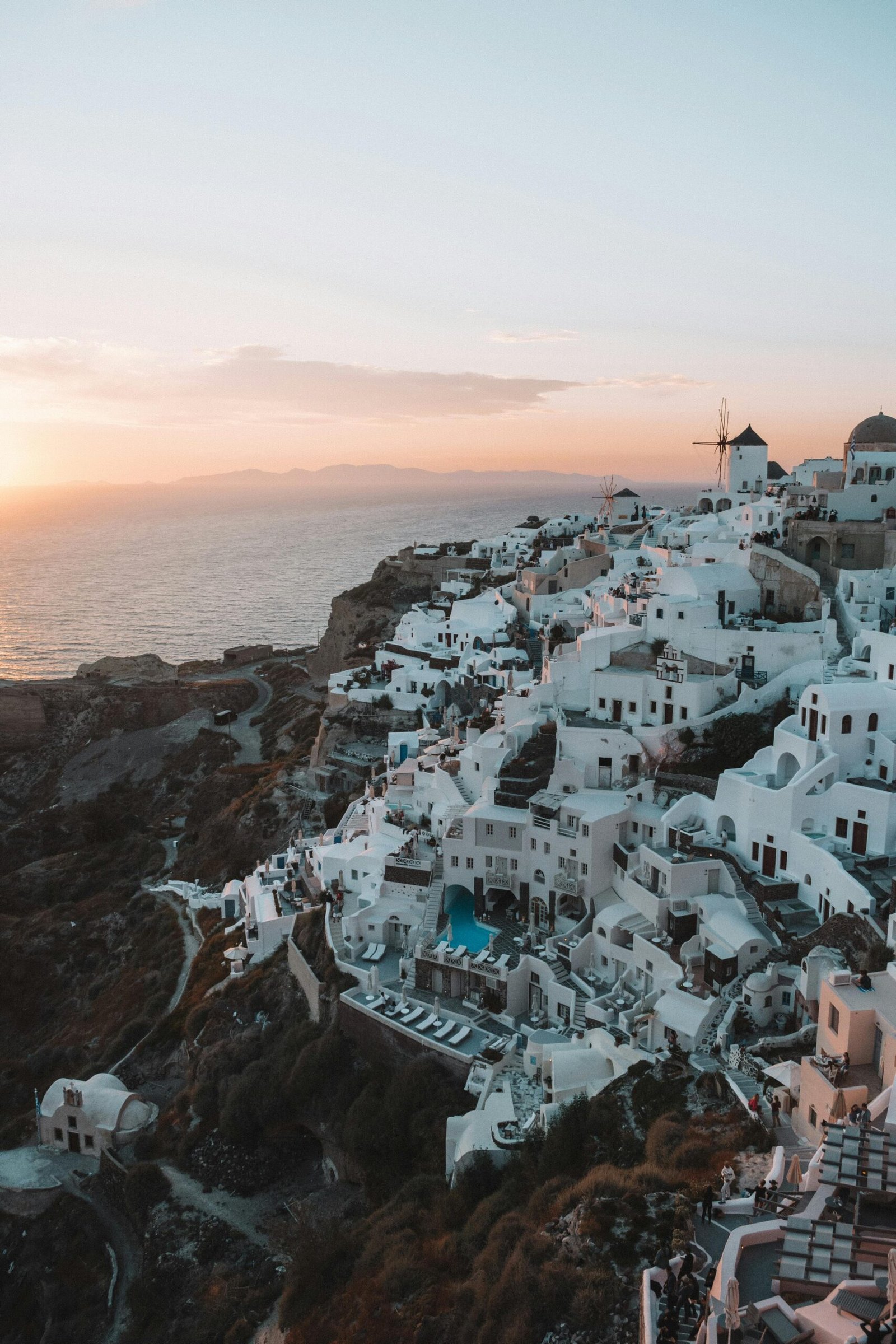
Oia is the obvious name, and that is exactly why it is risky. It delivers the classic caldera setting, but it also carries the heaviest crowd load and the highest chance of feeling staged rather than relaxed. If you want the postcard version, Oia is the cleanest fit; if you want breathing room, it is usually the wrong answer.
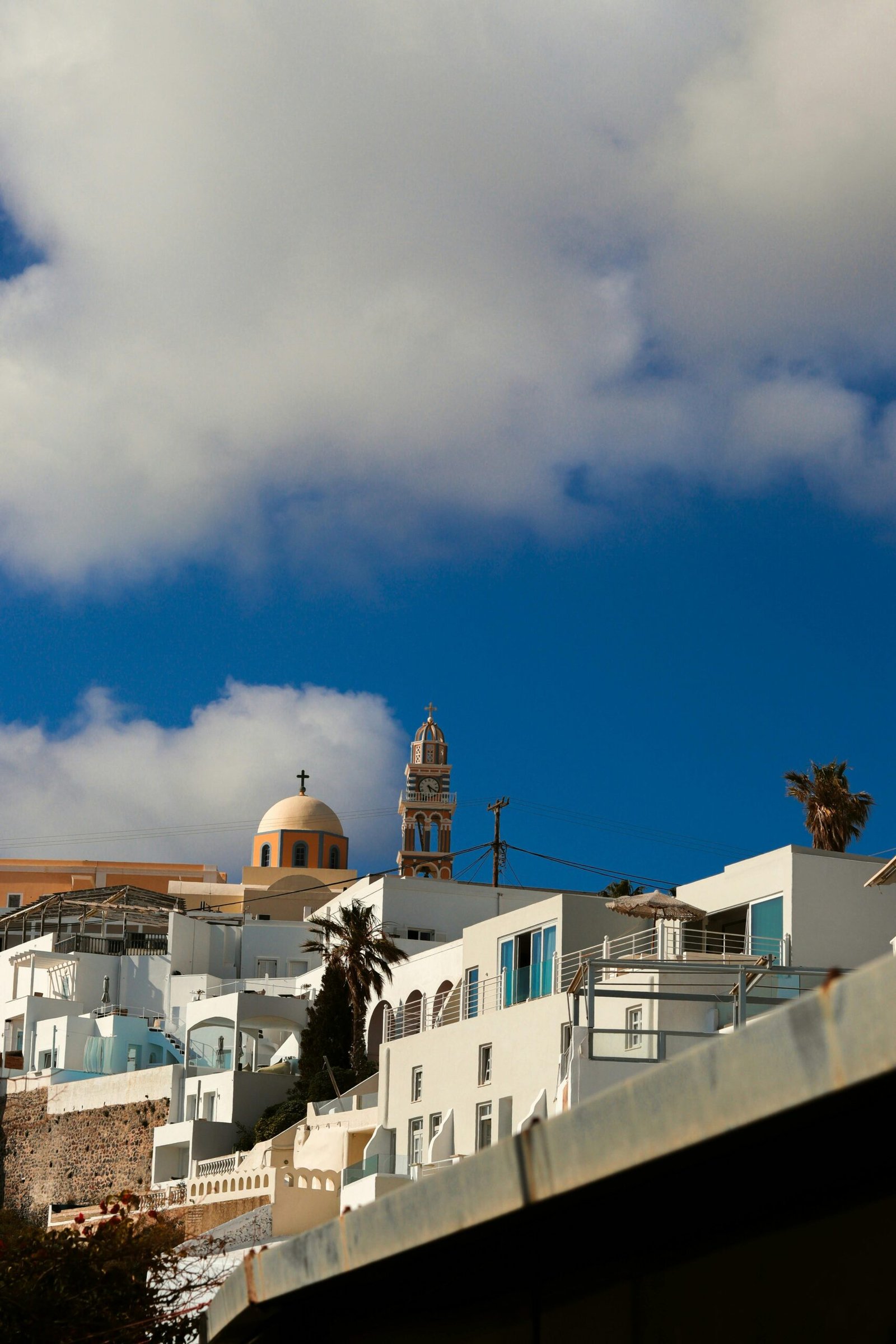
Fira is more practical than romantic, and that is not a criticism. It gives you more activity, more dining choice, and a less polished but more functional base than Oia. For travelers who want convenience over atmosphere, Fira makes sense; for those chasing quiet, it can feel busy in a way that wears thin quickly.
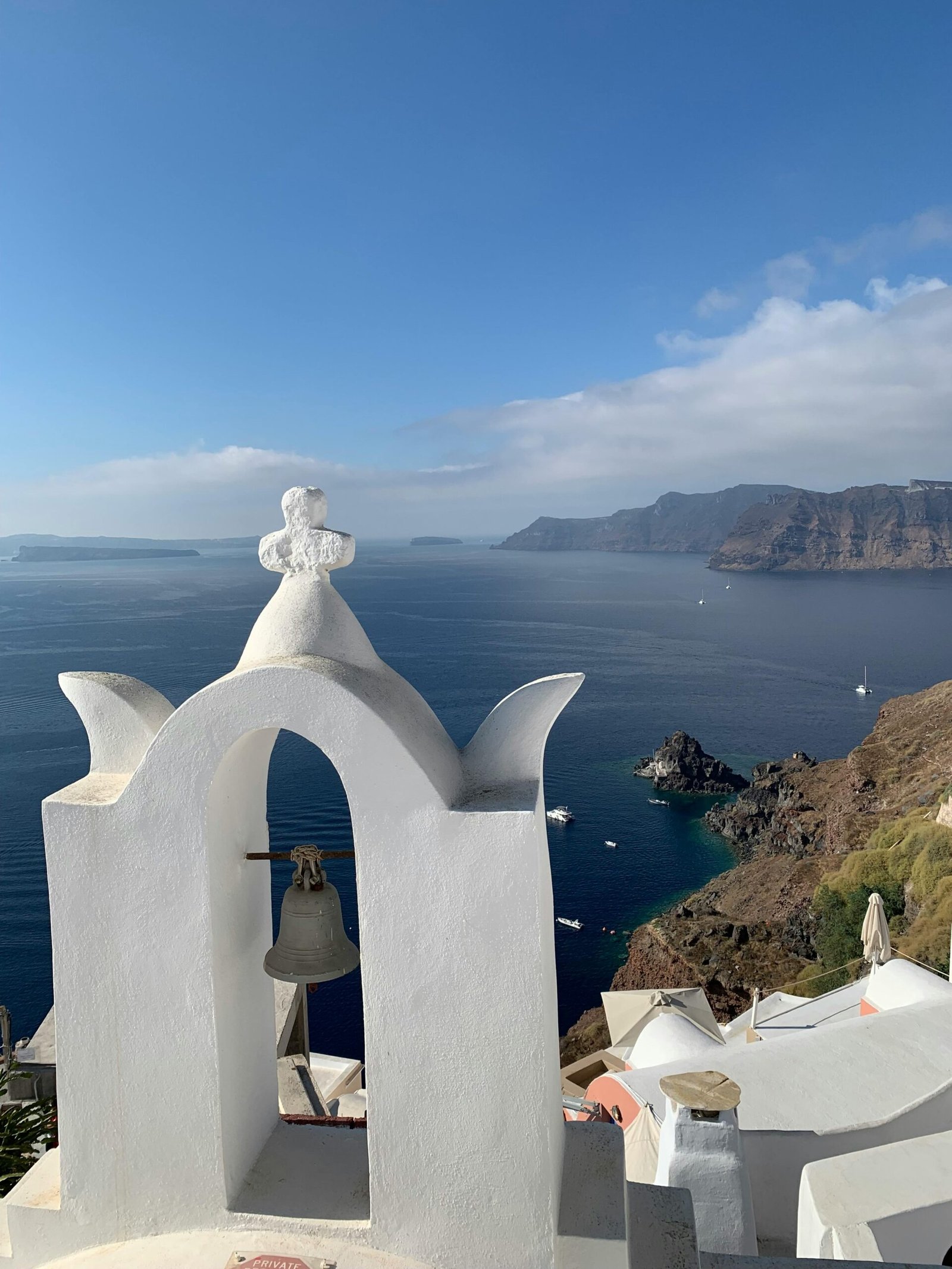
Imerovigli is the strongest compromise for many serious travelers. It still gives you the caldera setting, but the mood is calmer and less performative than Oia. Firostefani sits in a similar lane, though with a slightly more restrained feel and fewer of the headline-grabbing properties people see online.
Megalochori is where you go if you want a more grounded village feel and are willing to give up the caldera drama. Pyrgos is another good example: more local in tone, less obvious, and better for travelers who care more about atmosphere than a famous view. Akrotiri is worth considering for people who want space and a less frantic pace, but it is not the right choice if being in the center of the action matters to you.
What travelers underestimate about the island’s trade-offs
Santorini gives you a very specific kind of luxury: visual drama, strong dining, and a sense of occasion. What you give up is ease. You give up spontaneity, you give up value, and in many cases you give up the relaxed feeling that people assume a Greek island will automatically provide.
That trade-off is not a flaw. It is the deal. The mistake is pretending Santorini is a casual beach island when it is really a high-demand destination where the best experience is usually the result of disciplined choices, not luck.
Here is the counterintuitive part: the most expensive caldera stay is not always the best use of your budget. For many travelers, a smarter room in a less pressured area produces a better trip than a famous address with a view that you barely enjoy because you are constantly navigating crowds, noise, and the pressure to “make it worth it.”
Who this suits
Santorini suits travelers who want a short, polished, high-impact stay and are comfortable paying for precision. It works well for couples, honeymooners, design-focused travelers, and people who care more about atmosphere and dining than about long beach days or low-key wandering.
It does not suit travelers who want easy value, large sandy beaches, or a relaxed island rhythm without friction. Families with young children, budget-conscious travelers, and anyone who dislikes crowds should be cautious. They can still enjoy Santorini, but only if they accept that the island is not built for convenience first.
- Best fit: couples, honeymooners, design-led travelers, and short-stay visitors who want a concentrated experience.
- Poor fit: budget travelers, families needing space, and people who want a quiet, low-effort island holiday.
Where Santorini feels worth it, and where it does not
The island feels worth it when your expectations are aligned with what it actually does well: dramatic views, strong food, and a sense of occasion that is hard to replicate elsewhere in Greece. It also feels worth it when you choose a base that matches your travel style instead of chasing the most photographed address on the island.
It does not feel worth it when travelers expect a broad, easygoing island with lots of room to improvise. Santorini is too small, too famous, and too expensive for that kind of approach. If you want a more layered cultural stop in Greece before or after Santorini, the Acropolis Museum is a better example of how to pair a high-profile destination with something that adds depth rather than just another view.
That is why Why Santorini Is Harder to Do Well Than Most People Admit matters as a planning question, not just a headline. The island is not difficult because it is confusing. It is difficult because the margin for error is small, and the cost of getting it wrong is high.
What a good Santorini trip actually looks like
A good Santorini trip is not about doing more. It is about choosing the right part of the island, accepting the trade-offs, and not trying to force it into the shape of a relaxed beach holiday. The travelers who enjoy it most are usually the ones who understand that the island is a premium experience with real limits.
That is the point most people miss when they search for Why Santorini Is Harder to Do Well Than Most People Admit. The island is not hard because it lacks appeal. It is hard because the appeal is concentrated, expensive, and easy to dilute with poor planning.
Most Greece trips follow the same tired script. The ones that don’t — the ones travelers still talk about years later — were built around a real understanding of how this country works. That kind of understanding takes time, or it takes someone who already has it.
Recommended experiences
Some experiences mentioned here are curated and managed by Elite Greece Travels.
- Athens Milos Santorini Itinerary 9 Days — Itinerary (managed by Elite Greece Travels).
- Greece 7 Day Itinerary Athens Delphi Meteora Santorini — Itinerary (managed by Elite Greece Travels).
- Santorini Sunset Cruise With Dinner In The Caldera — Cruise (managed by Elite Greece Travels).
Frequently asked questions
Why is Santorini harder to plan than other Greek islands?
Because the island has a narrow margin for error. Location, season, and budget choices matter more here than on most islands, and bad decisions are expensive fast.
Is Santorini worth it for first-time visitors to Greece?
Yes, if the traveler wants a high-impact, short stay and accepts the trade-offs. No, if they expect a relaxed, low-cost island experience.
Which areas are best for a quieter stay?
Imerovigli, Firostefani, Megalochori, Pyrgos, and parts of Akrotiri are generally better for travelers who want less pressure than Oia or central Fira.
What do travelers most often get wrong about Santorini?
They overvalue the famous view and undervalue the practical side of the stay. A poor location or a rushed schedule can ruin the trip even if the hotel looks impressive online.
Is Santorini good for families?
Only for families who are comfortable with higher prices, busy public areas, and a more structured trip. It is not the easiest Greek island for children or for parents who want space and flexibility.
When is Santorini most difficult to enjoy?
Peak summer is the hardest period because crowds, pricing, and pressure all rise at once. The island can still be enjoyable then, but only with realistic expectations and careful planning.