

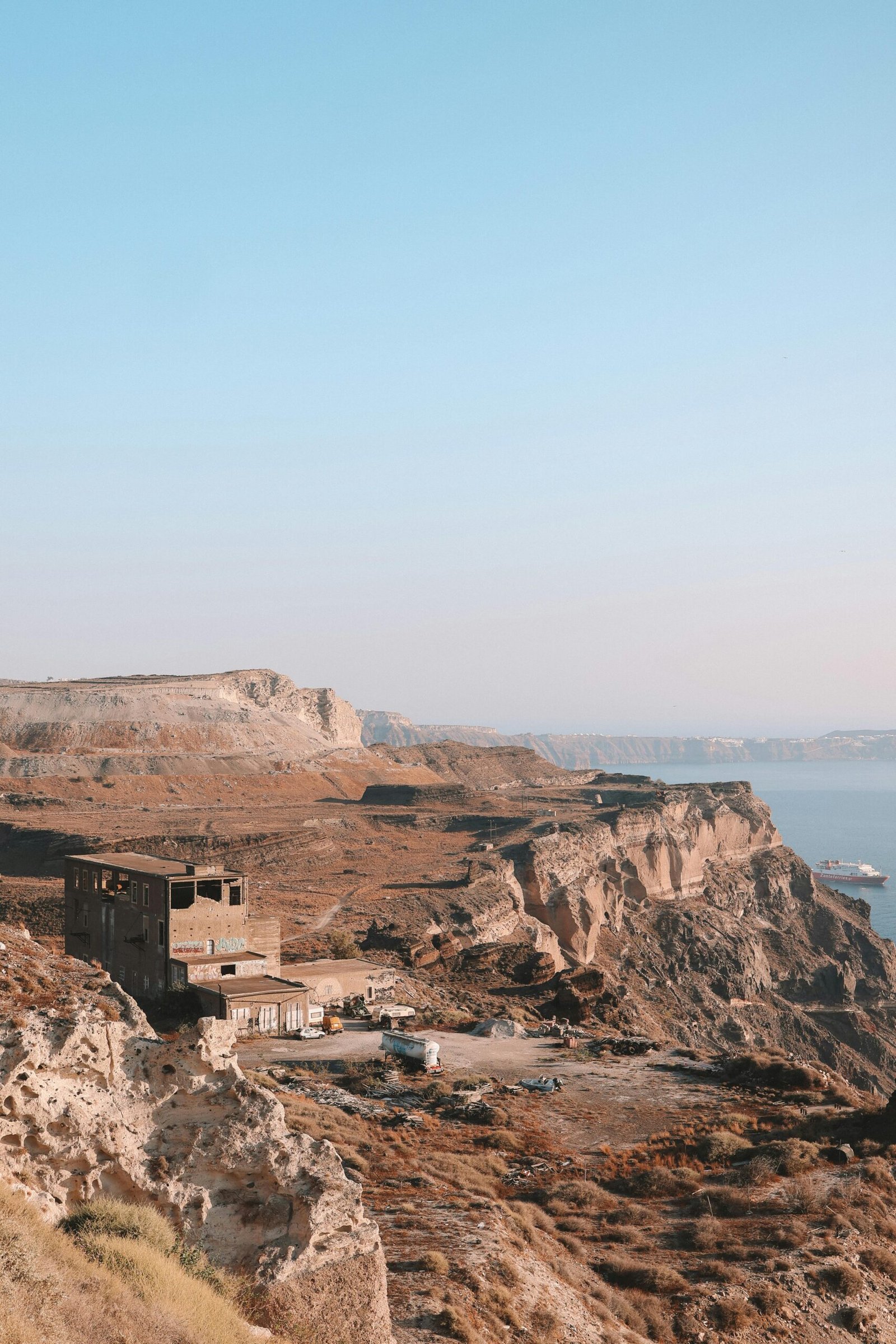
Why Most First-Timers to Santorini Leave Slightly Disappointed usually comes down to one simple psychological trap: people arrive expecting the island to behave like the version they have seen online. They are not really choosing Santorini as it is; they are choosing the idea of Santorini that has been edited, filtered, and compressed into a few high-impact images.
The problem is not that Santorini is overrated in some absolute sense. The problem is that first-timers often confuse a strong visual identity with a complete travel experience, then feel let down when the island’s reality is crowded, expensive, and less intimate than they assumed.
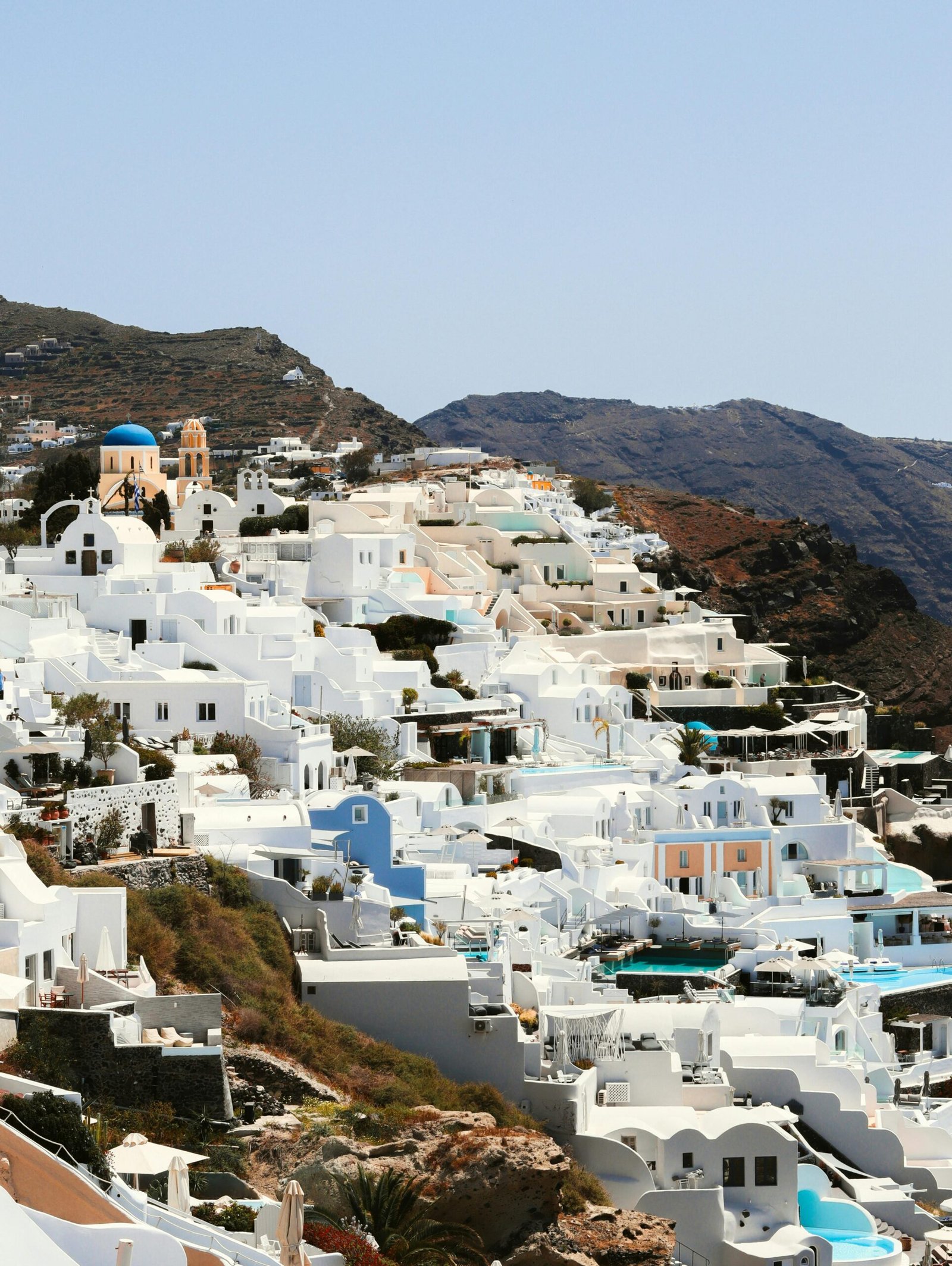
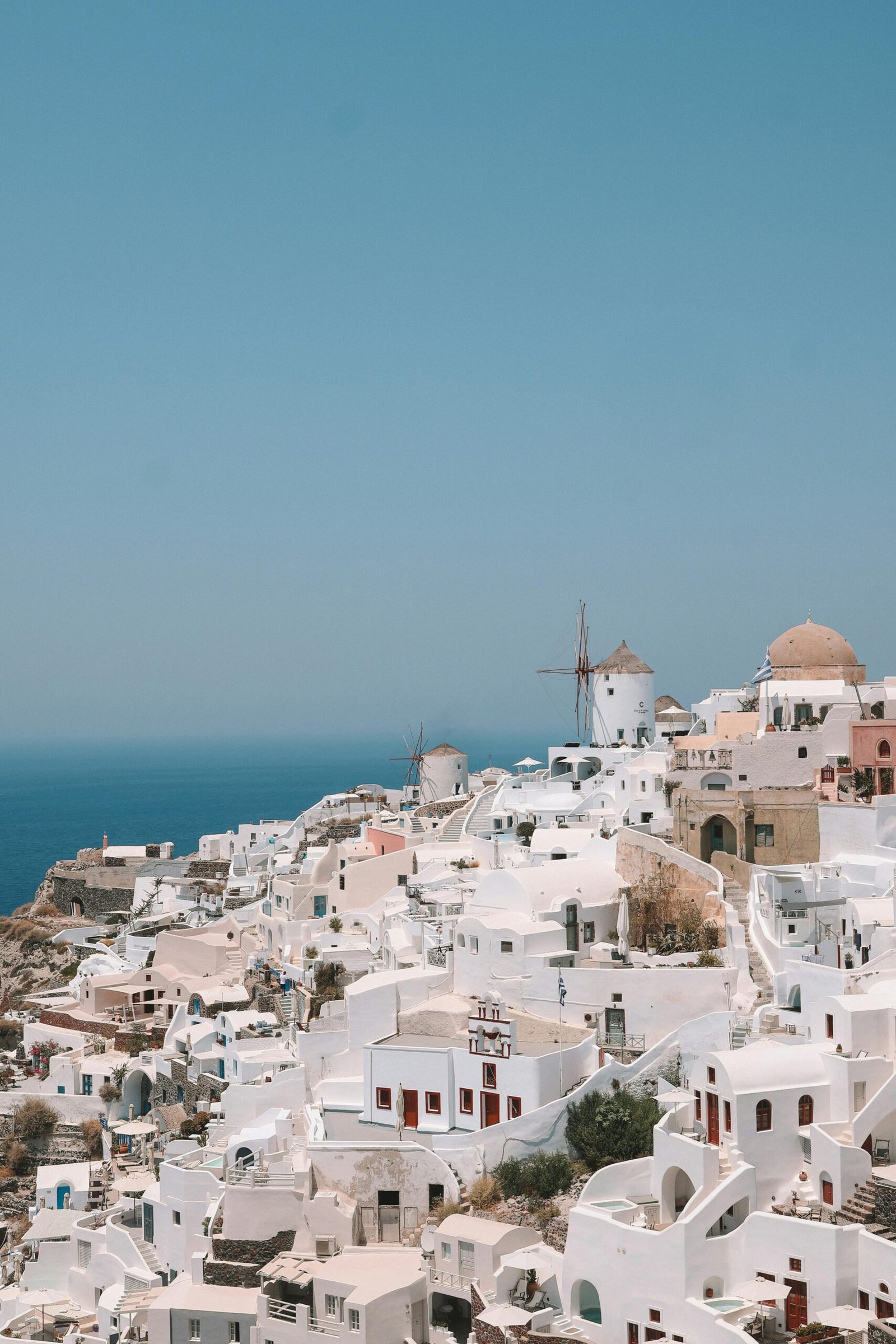
Why Most First-Timers to Santorini Leave Slightly Disappointed
The core mistake is projection. Travelers project a mood onto Santorini before they arrive: romance, calm, exclusivity, effortless beauty, a sense that every moment will feel curated. Then peak season introduces noise, queues, inflated expectations, and a lot of other people trying to have the same version of the trip at the same time.
That is why Why Most First-Timers to Santorini Leave Slightly Disappointed is not really a complaint about the island. It is a description of a mismatch between fantasy and operating conditions. Santorini can still deliver a very good trip, but not if you expect it to behave like a private set built for your arrival.
The assumption behind Why Most First-Timers to Santorini Leave Slightly Disappointed
Most first-time visitors are not chasing a destination; they are chasing a feeling. They want the emotional payoff of being somewhere famous, beautiful, and easy to admire without effort. That is a powerful motivation, and it explains why Santorini gets chosen even by travelers who know it will be busy.
The issue is that fame changes the experience. Once a place becomes a global shorthand for romance and scenery, people arrive with a very specific script in mind. When the island does not immediately match that script, the disappointment is not about one bad dinner or one crowded viewpoint; it is about the collapse of an expectation they were emotionally invested in.
Why the image of Santorini is so hard to resist
Santorini is one of the easiest Greek islands to understand from a distance. It photographs well, it is instantly recognizable, and it promises a clean, high-contrast version of Greece that feels safe for a first trip. That matters to travelers who are nervous about making the wrong choice, because Santorini looks like a low-risk decision.
There is also a status element people do not always admit. Choosing Santorini can feel like choosing certainty: you know what it is, you know it is famous, and you assume famous means satisfying. In reality, fame often means you are paying a premium for a shared experience, not a private one.
If you want broader context on how Greece is presented and promoted, the national tourism materials at
Visit Greece are useful, but they naturally show the polished version. That is fine. Just do not confuse polished with complete.
The emotional gap between expectation and reality
Expectations on Santorini usually center on calm, space, and a feeling of being slightly removed from everything. Reality in peak season is often the opposite: tight spaces, high prices, busy viewpoints, and a constant sense that you are sharing the island with a large number of other people who had the same idea. That gap is what first-timers feel most strongly, even if they cannot always name it.
The surprise is not that Santorini is busy. The surprise is how much busyness changes the emotional texture of the place. A destination that looks serene in photos can feel oddly performative when every popular spot is crowded with people trying to capture the same moment from the same angle. That is the point where the fantasy starts to crack.
My clear view: if you are choosing Santorini mainly for the classic image, peak season is the wrong time to do it. The island’s visual appeal does not disappear, but the experience becomes more transactional, more expensive, and less forgiving. Travelers who want atmosphere without friction are often the ones who feel the letdown most sharply.
The moment disappointment usually hits
For many travelers, the disappointment does not arrive on day one. It arrives when they realize the island is not giving them the sense of exclusivity they expected. That moment can come at a viewpoint packed shoulder to shoulder, at a restaurant where the bill feels disconnected from the experience, or simply when they notice how much of their day is spent navigating crowds instead of absorbing the place.
This is the moment where the emotional calculation changes. They stop thinking, “We made a great choice,” and start thinking, “Is this really what all the fuss was about?” That shift matters because it is usually not caused by one bad decision; it is caused by a chain of assumptions that finally meet the reality of peak-season demand.
Many travelers also underestimate the degree to which Santorini rewards patience and punishes impatience. If you arrive wanting instant payoff, you are more likely to feel irritated by every delay, every queue, and every sign that the island is operating at full capacity. That emotional state can ruin a trip faster than any logistical issue.
Who is most prone to this pattern
The travelers most likely to leave slightly disappointed are often the ones who value mood over movement. Honeymooners, first-time Greece visitors, and people planning a once-in-a-lifetime trip are especially vulnerable because they have attached too much meaning to the destination. They are not just buying a holiday; they are buying a memory they hope will feel effortless and special.
- Couples who want privacy but choose the most famous island in Greece in peak season.
- First-time visitors who want a “best of Greece” experience in one stop.
- Travelers who care more about photos than pace, comfort, or crowd tolerance.
- People who assume a famous destination will automatically feel elevated and calm.
There is a second group that gets caught out: travelers who are good at research but bad at emotional honesty. They know Santorini is busy, but they still imagine they will somehow experience it differently from everyone else. That is a very common self-deception, and it is one reason Why Most First-Timers to Santorini Leave Slightly Disappointed remains such a consistent pattern.
What travelers consistently underestimate
They underestimate how much seasonality changes the island’s personality. In peak months, Santorini is not just busier; it is less forgiving. The same famous views, the same premium prices, and the same narrow spaces become harder to enjoy when every part of the day is shared with thousands of other visitors.
They also underestimate how much they are paying for a brand. Santorini is not a place where value is automatically obvious. You can have a very good trip there, but you need to accept that the destination’s reputation is part of what you are buying, and reputation is often expensive.
For travelers who want a broader cultural frame for Greece beyond the island circuit, the Greek Ministry of Culture offers a useful reminder that the country is not a single experience. Santorini is one part of Greece’s story, not the whole thing.
How to approach Santorini differently
The better question is not whether Santorini is worth it. The better question is what role you want it to play in the trip. If you want the island to be the emotional peak of a wider Greece journey, it can work well. If you want it to carry the entire weight of your expectations, it is much more likely to disappoint.
A more honest approach is to treat Santorini as a place with a very specific strength: dramatic visual identity. That is real, and for some travelers it is enough. But once you stop asking it to be calm, private, and uncrowded in peak season, you can judge it on what it actually is rather than on what you hoped it would become.
Greece rewards travelers who arrive with a plan, but the deeper lesson is even more basic: choose the destination that matches your travel temperament, not your fantasy. If you know you are sensitive to crowds, price inflation, or performative travel environments, say that out loud before you book. That honesty changes everything.
Conclusion
Recognizing the pattern is the first step. The second is building a trip around how you actually travel — not the traveler you imagine yourself to be. Most great Greece experiences start with that honesty.
Frequently asked questions
Is Santorini still worth visiting for a first trip to Greece?
Yes, but only if you understand what you are paying for: a highly recognizable island with strong visual appeal and a very busy peak season. If you want a quieter, more layered introduction to Greece, Santorini should not be your only stop.
Why do so many first-timers feel let down by Santorini?
Because they arrive expecting privacy, calm, and a polished romantic mood, then encounter crowds, high prices, and a destination that feels shared rather than personal. The disappointment usually comes from the gap between image and operating reality.
What is the biggest mistake people make when planning Santorini?
They treat Santorini as a guaranteed highlight instead of a specific kind of destination with clear trade-offs. That leads to overinvestment in the island and underestimation of how much season and crowd levels shape the experience.
Who is most likely to enjoy Santorini despite the crowds?
Travelers who care most about visual impact, hotel quality, and the idea of being in a famous place usually cope better. They are less likely to expect quiet, spontaneity, or a local-feeling pace.
Does visiting Santorini in peak season make the disappointment worse?
Usually yes. Peak season amplifies the island’s weaknesses: crowding, price pressure, and reduced sense of space. If your expectations are already high, the seasonal pressure makes the mismatch more obvious.
How should I think about Santorini if I want an honest trip?
Treat it as one part of a larger Greece itinerary, not the entire emotional centerpiece. Decide whether you want scenery, romance, or a broader sense of Greek life, then choose the destination that fits that priority instead of forcing Santorini to do everything.