

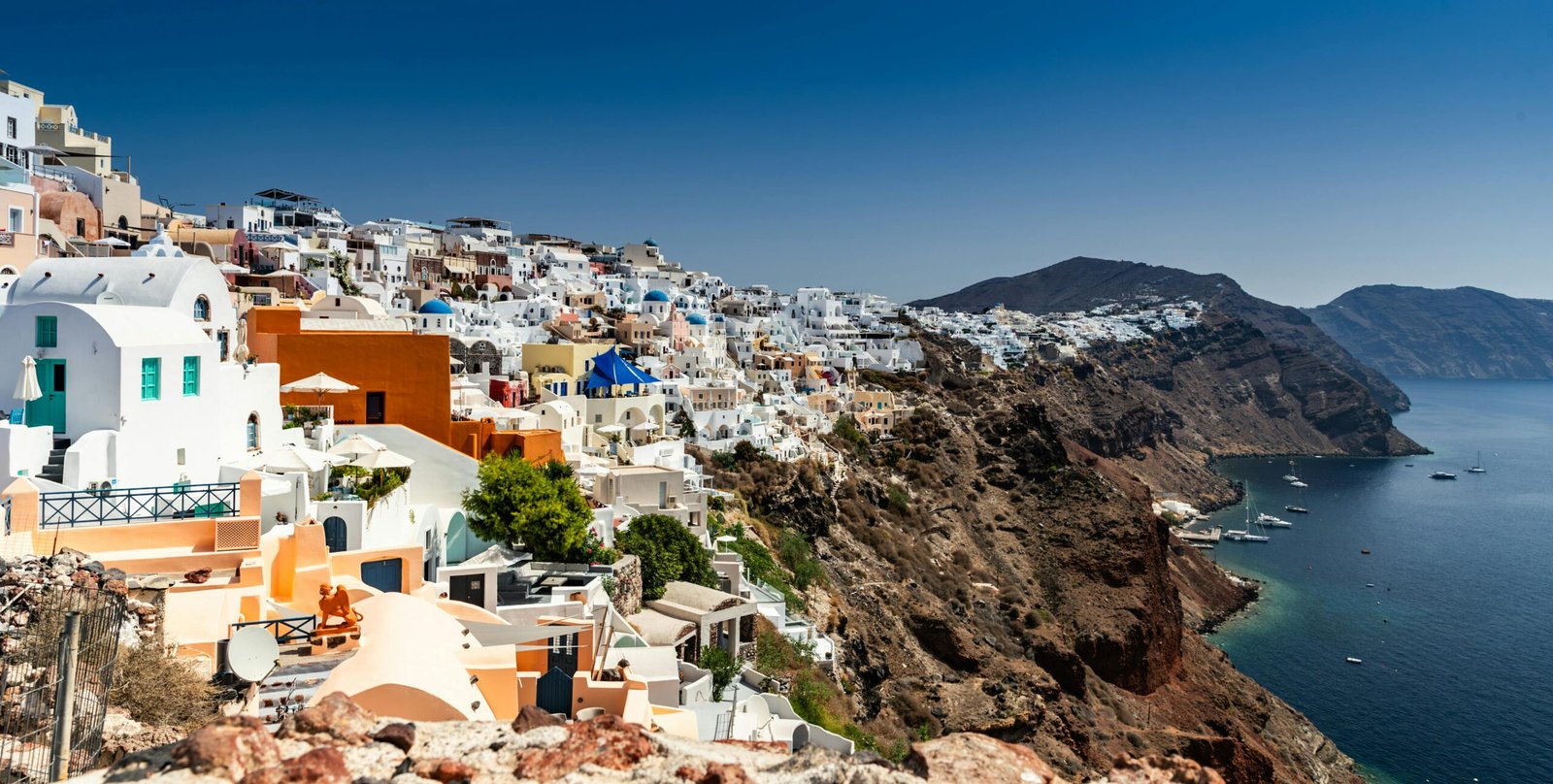
Why Most First-Timers to Santorini Leave Slightly Disappointed usually starts with one assumption: that the island will feel as polished and effortless as its photos. In reality, many visitors arrive expecting a clean emotional payoff and run straight into crowds, heat, inflated prices, and a lot of waiting around for the same view everyone else is chasing.
The disappointment is rarely about Santorini being “bad.” It is about the gap between the fantasy people buy before they arrive and the actual experience of being there in peak season, when the island is under pressure and your patience gets tested early.
Why Most First-Timers to Santorini Leave Slightly Disappointed
Why Most First-Timers to Santorini Leave Slightly Disappointed is not a mystery to anyone who has worked on the island in July or August. The problem is not that Santorini fails to deliver views. The problem is that many first-timers arrive expecting the island to deliver a feeling on demand, and that is not how it works.
The real issue is psychological. People do not just choose Santorini for the destination; they choose it for the identity attached to it. It feels like the “right” Greece trip, the one that proves you did Greece properly, and that pressure creates a fragile expectation before the plane even lands.
The image is stronger than the experience for many first-timers
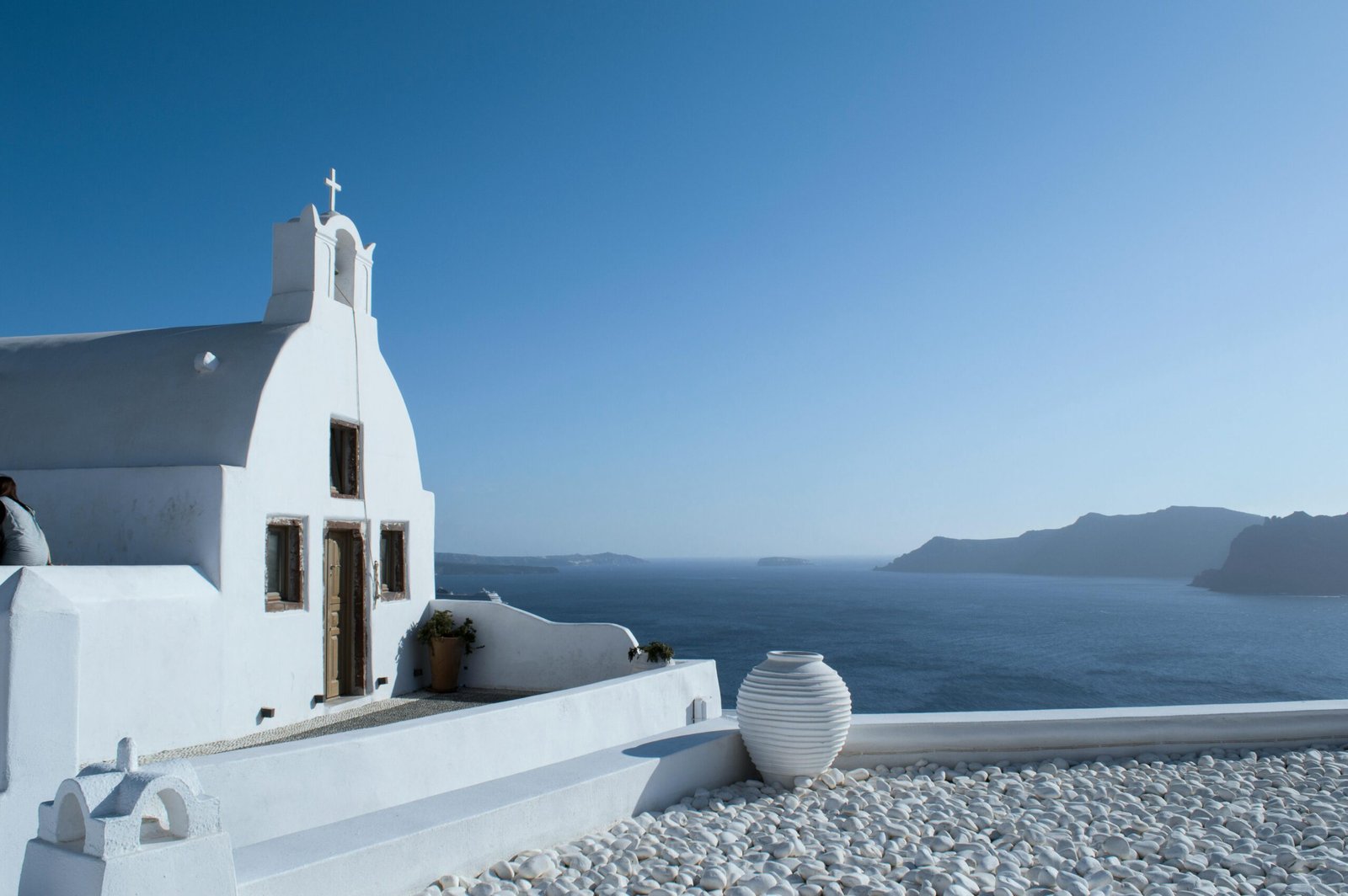
Santorini has been sold as a visual shorthand for Greece for so long that many travelers think they already know it. They have seen the caldera, the blue domes, the sunset crowd, and the whitewashed lanes, so they assume the trip will feel instantly rewarding. That is the first trap: familiarity creates false confidence.
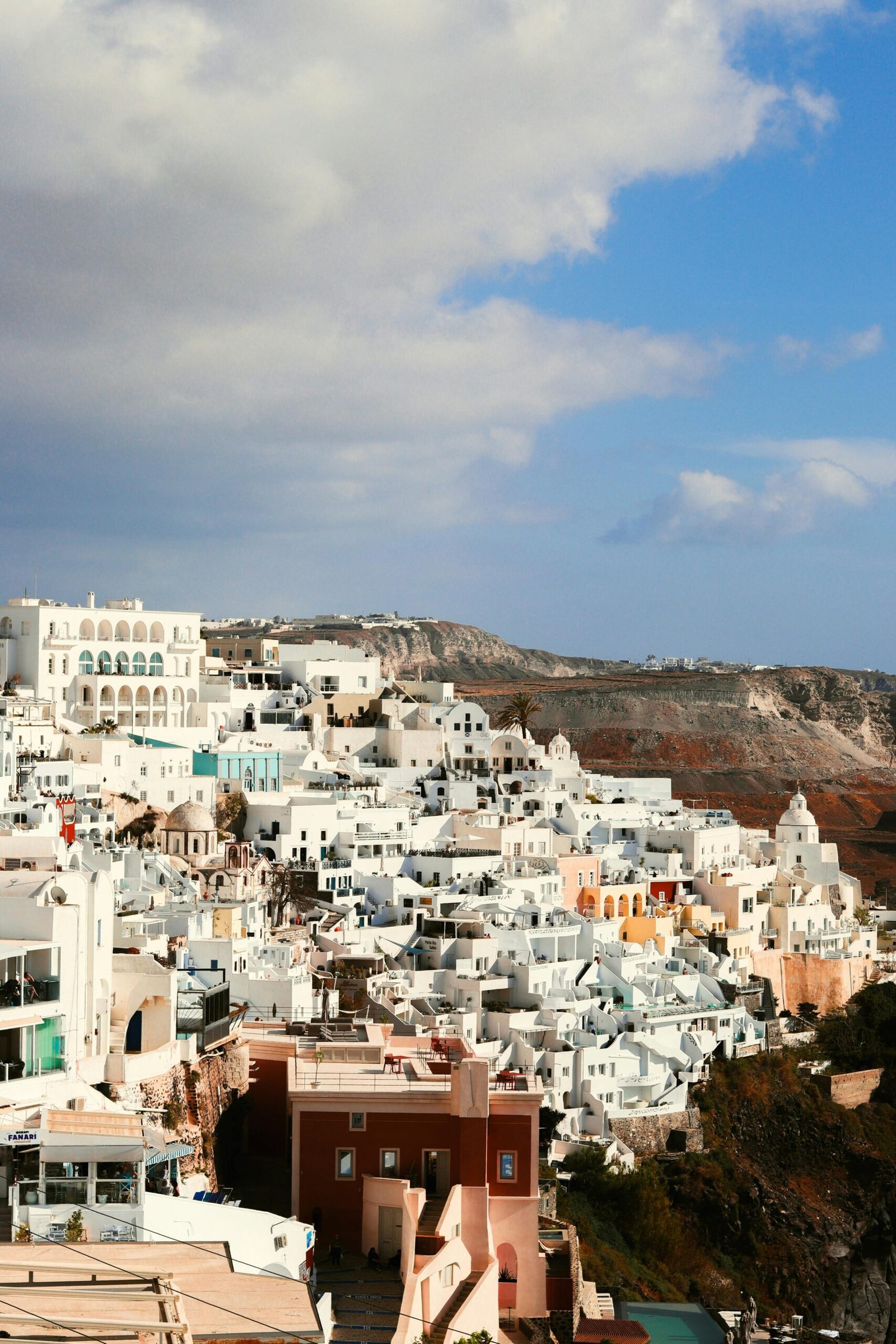
What they do not picture is the friction. Peak-season Santorini can feel crowded, expensive, and oddly transactional, especially if you are trying to recreate the exact scenes you saw online. The island is still impressive, but the emotional experience is often less “wow” and more “why is this so hard to enjoy?”
Why Most First-Timers to Santorini Leave Slightly Disappointed
The phrase sounds dramatic, but it is accurate because the disappointment is usually mild and persistent, not catastrophic. Travelers are not outraged; they are underwhelmed in a way they did not expect. That is worse, because it is harder to name and easier to blame on yourself.
The core mistake is assuming Santorini will feel intimate. In peak season, it often feels managed, crowded, and highly visible. You are not discovering the island so much as participating in a very busy shared experience, and that changes the emotional tone of the trip.
Here is the counterintuitive part: the more someone has built Santorini up as a once-in-a-lifetime destination, the more likely they are to feel let down by ordinary inconveniences. A long wait, a noisy terrace, or a room that looks smaller than expected can hit harder because the traveler has already invested so much meaning in the trip. The island did not fail them; the fantasy did.
The moment disappointment usually hits
For most first-timers, the shift happens when the island stops being a backdrop and starts behaving like a place with limits. That moment is often very ordinary: a crowded sunset spot, a restaurant that feels rushed, or a view that is hard to enjoy because everyone else is trying to enjoy it at the same time.
That is when the emotional math changes. Travelers realize they are spending a lot of money and energy to compete for the same experience as everyone else. Once that sinks in, the trip can start to feel less special than expensive, which is a brutal combination.
People also underestimate how much peak-season heat and crowd density affect mood. Santorini is not difficult in a dramatic sense, but it is tiring. Fatigue makes everything feel flatter, and a tired traveler is much easier to disappoint.
Who is most prone to this pattern
The travelers most likely to feel this are not the inexperienced ones. They are the ones who have been waiting for a “big” Greece trip and want Santorini to justify the anticipation. They tend to be image-driven, celebration-driven, or checking-a-box travelers who want the destination to feel as elevated as it looks.
Couples on a milestone trip are especially vulnerable because they often expect the island to create the mood for them. So are first-time Greece visitors who only have time for one island and choose Santorini because it feels safest and most recognizable. If you are the type who wants your trip to feel seamless and emotionally rewarding from the start, Santorini can be a rough first lesson in how travel actually works.
- Travelers who want quiet, space, and a sense of discovery often leave feeling they paid too much for too little breathing room.
- Travelers who are highly visual and social-media-led often feel the gap between the image and the lived experience most sharply.
- Travelers who dislike queues, crowds, or high-pressure dining scenes usually notice the strain fastest.
The season matters more than people admit
Peak season changes Santorini from a place into a performance. The island is still the island, but the volume is turned up on everything: prices, crowds, noise, and the sense that every good viewpoint has already been claimed. That is why the same traveler can love Santorini in one month and feel irritated in another.
This is where many people make a planning error that feels small at the time and becomes expensive later. They choose the most famous version of Santorini because they want certainty, then discover that certainty comes with congestion and less emotional space. If you are trying to understand the broader context of Greek travel,
Visit Greece is useful for seeing how much seasonality shapes the experience across the country.
Greece rewards travelers who arrive with a plan, but Santorini punishes people who confuse a famous name with a good fit. Those are not the same thing.
What a more honest approach looks like
The better way to approach Santorini is to stop asking it to be the whole trip. Treat it as one part of a wider Greece experience, not the emotional climax you have been building toward for months. That shift alone removes a lot of pressure.
It also helps to be honest about what you actually want from the island. If you want a dramatic view and a polished, high-profile stay, Santorini can still make sense. If you want ease, value, and a sense of space, you are setting yourself up for frustration by forcing it into the wrong role.
There is also a practical side to this honesty. Travelers who care about Greek history, context, and a more grounded understanding of the country often enjoy balancing the glamour of Santorini with something more culturally anchored. For that broader perspective, the Hellenic Ministry of Culture is a better reference point than the usual glossy travel content.
The point is not to talk yourself out of Santorini. The point is to stop expecting it to solve the emotional work of the trip for you. Once you do that, the island becomes easier to appreciate for what it is, not for what the internet promised.
Conclusion
Why Most First-Timers to Santorini Leave Slightly Disappointed is really a story about expectation management, not destination quality. The island is famous because it is visually distinctive and easy to recognize, but that same fame creates pressure that many travelers do not notice until they are already there.
Recognizing the pattern is the first step. The second is building a trip around how you actually travel — not the traveler you imagine yourself to be. Most great Greece experiences start with that honesty.
Frequently asked questions
Why do first-time visitors to Santorini often feel let down?
Because they expect the island to feel effortless, intimate, and emotionally transformative, especially in peak season. In reality, crowds, heat, and high prices can make the experience feel more managed than magical.
Is Santorini overrated for first-time Greece travelers?
Not overrated, but often misunderstood. It is a strong choice for the right traveler, but it is a poor choice if you want space, quiet, or a relaxed pace.
What is the biggest mistake people make when planning Santorini?
They treat the island as a guaranteed highlight instead of a destination with real seasonal pressure. That leads to disappointment when the lived experience does not match the image.
Who is most likely to be disappointed by Santorini?
Travelers who are highly image-driven, crowd-sensitive, or expecting a seamless luxury experience are most likely to feel underwhelmed. Couples on milestone trips are especially vulnerable to this.
Does visiting Santorini outside peak season help?
Yes. Season changes the island significantly. Outside the busiest months, the pace is calmer and the emotional experience is usually better for first-timers.
Should first-time visitors skip Santorini entirely?
Not necessarily. The better question is whether Santorini fits the kind of trip you actually want. If you want a famous, high-visibility island experience, it can work well. If you want ease and breathing room, it may not be the best first choice.