

Why Most First-Timers to Santorini Leave Slightly Disappointed usually starts with a simple mistake: people confuse a famous image with a usable travel experience. They arrive expecting the island to behave like the photos, then feel irritated when it behaves like a very popular place in peak season.
The disappointment is rarely about Santorini being bad. It is usually about the gap between what travelers hoped the island would give them emotionally and what the island actually asks of them: patience, money, and a tolerance for crowds that many first-timers do not realize they need.
Why Most First-Timers to Santorini Leave Slightly Disappointed
The core pattern is projection. People do not just book Santorini for a destination; they book it for a feeling they have already decided it will provide. They want the arrival to confirm the fantasy, and when the island behaves like a busy, expensive, heavily visited place, the emotional letdown starts early.
That is why Why Most First-Timers to Santorini Leave Slightly Disappointed is not really a question about the island. It is a question about expectation management, social media conditioning, and the very human habit of assuming a place will deliver the mood we have already pictured.
The image travelers buy is not the experience they get
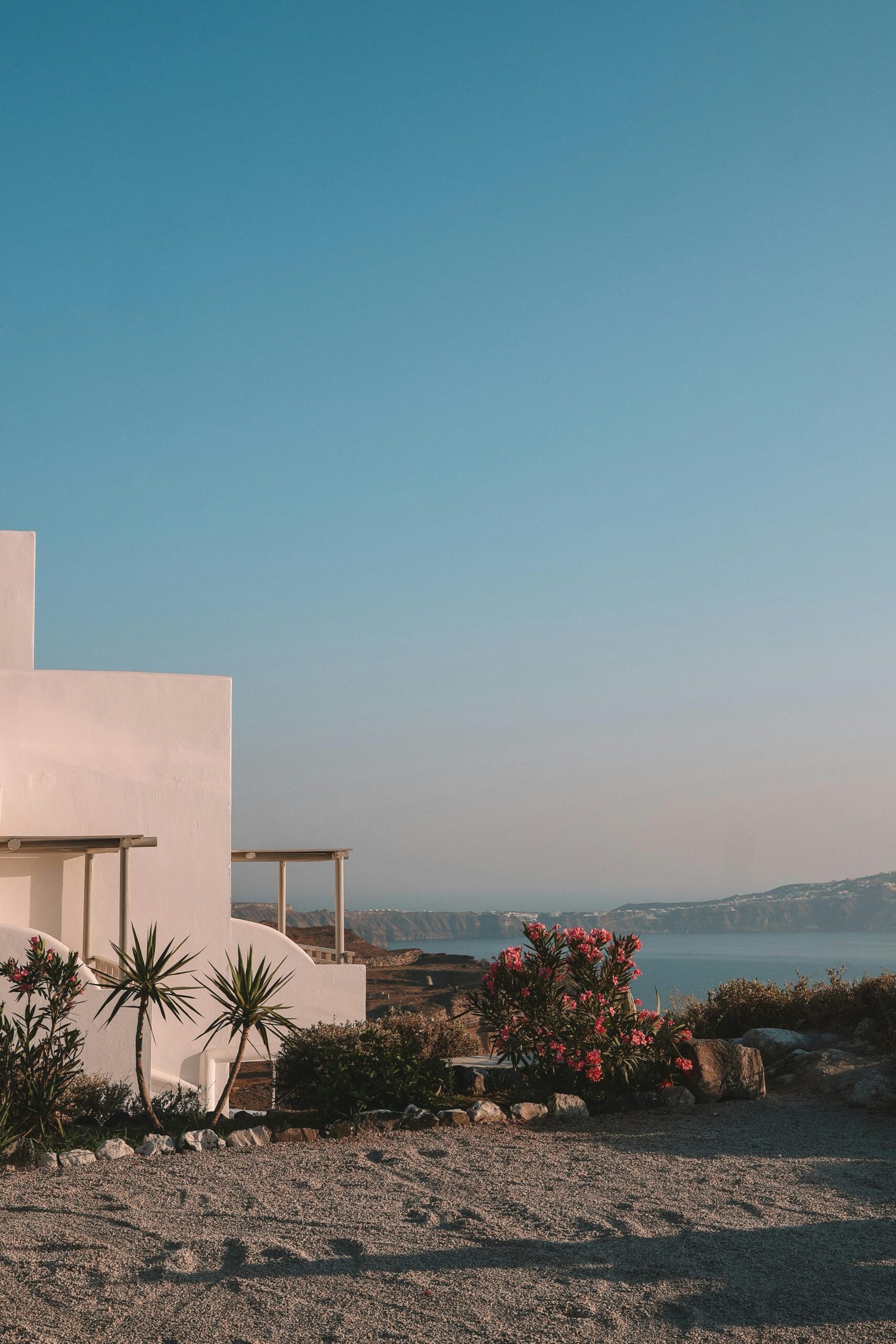
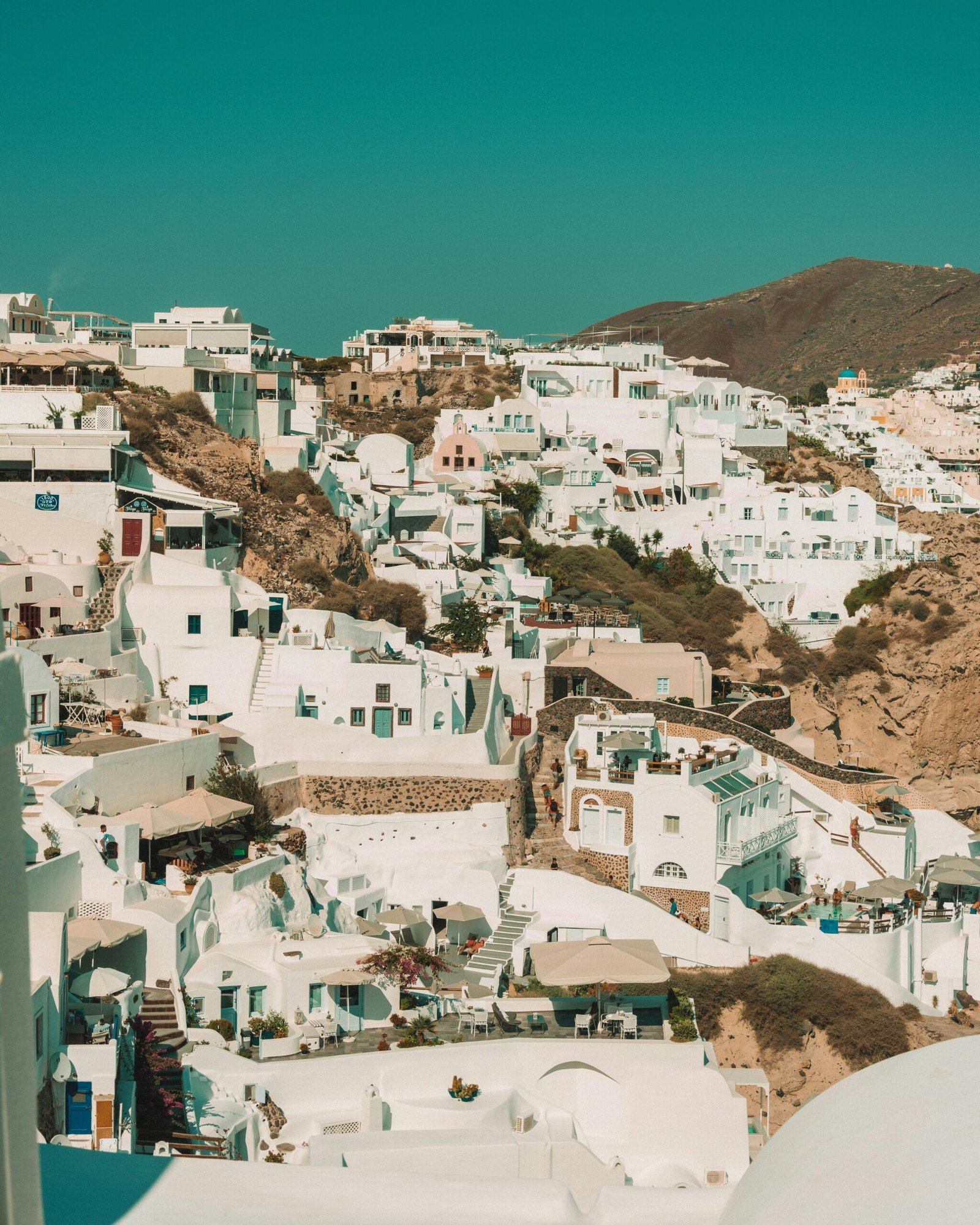
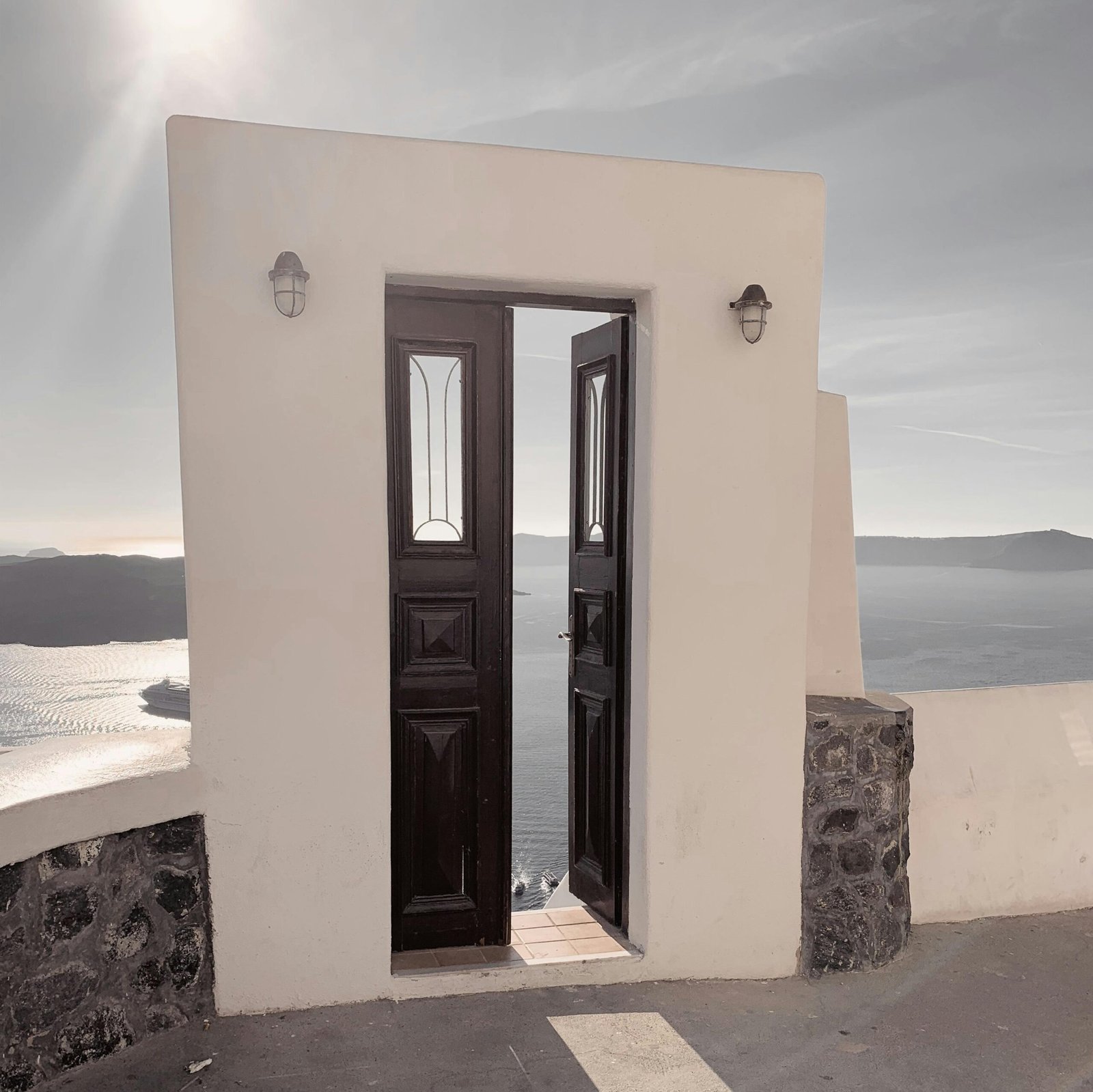
Santorini sells very well in the imagination because it is easy to reduce to a visual shorthand: white walls, blue domes, caldera views, sunset dinners. That image is clean, controlled, and emotionally efficient. Real travel is not efficient, and peak-season Santorini is especially bad at living up to a simplified picture.
What people underestimate is that the island’s most famous areas are not set pieces. They are places where thousands of other visitors are trying to have the same emotional moment at the same time. The result is not failure, exactly, but friction. Friction is what disappointment feels like when no one warned you it would be there.
Why Most First-Timers to Santorini Leave Slightly Disappointed is often because they expected intimacy and got exposure. They expected quiet and got queues, noise, and constant movement. That mismatch is enough to flatten the mood of a trip, even when the island is still objectively beautiful.
Why people choose Santorini anyway
There is a status component that travelers rarely admit out loud. Santorini signals that you have “done” Greece in a recognizable way, and for many first-time visitors that matters as much as the destination itself. It is not only about scenery; it is about validating a decision to spend money on a trip that feels meaningful.
There is also a control fantasy at work. First-timers often choose Santorini because it feels safe, famous, and easy to justify to a partner, a family, or themselves. When a destination is already famous, the traveler feels less risk in choosing it. That psychological safety can be expensive, because famous is not the same as right.
This is where Why Most First-Timers to Santorini Leave Slightly Disappointed becomes predictable. People pick the island to avoid regret, then discover that choosing the obvious option can create a different kind of regret: the feeling that they paid a premium for something they half-knew would be crowded.
The emotional gap: expectation versus reality
Most travelers expect Santorini to feel exclusive. In peak season, it often feels managed, compressed, and expensive. You are not just sharing the island with other visitors; you are sharing the same viewpoints, the same dining windows, and the same emotional cues.
The surprising part is that many people are not disappointed by the crowds alone. They are disappointed by how much mental energy the crowds consume. When you spend the day navigating people, timing, and pricing, the trip stops feeling effortless. That is when the emotional bill comes due.
There is a particular kind of letdown that first-timers rarely anticipate: the sense that you are present in a famous place but not fully inside it. You see the view, you take the picture, you spend the money, and still the experience feels oddly thin. That is the moment Why Most First-Timers to Santorini Leave Slightly Disappointed stops being a headline and starts being personal.
The moment disappointment usually hits
It usually hits when the traveler realizes they are performing the trip instead of living it. That can happen at sunset, when the crowd is larger than expected and the scene feels less like a private reward and more like a public event. It can also happen at dinner, when the bill arrives and the value feels out of proportion to the experience.
This is the point where fantasy collapses into accounting. Travelers start asking whether the view justified the cost, whether the timing was worth the stress, and whether another Greek island might have given them more room to breathe. Once that question appears, it is hard to unsee it.
Why Most First-Timers to Santorini Leave Slightly Disappointed is often not about one bad moment. It is about the accumulation of small corrections to the fantasy. Each correction is minor on its own; together they strip away the emotional payoff people thought they had purchased.
The traveler types most prone to this pattern
Three groups get caught most often. First, the social-media-led traveler who wants the image more than the place. Second, the celebratory traveler — honeymooners, anniversary couples, milestone celebrants — who expects the island to amplify the emotion automatically. Third, the first-time Greece visitor who assumes the most famous island is the safest introduction.
- Image-first travelers want the trip to look like the reference pictures.
- Milestone travelers expect the destination to do emotional work for them.
- First-timers often confuse fame with fit.
These travelers are not shallow or naive. They are simply making a common mistake: they are choosing Santorini for what it represents, not for what it is like to visit when everyone else has made the same decision. That is a very different calculation.
If you are comparing Greece options more broadly, the official national tourism site at
visitgreece.gr is useful for context, but it will not tell you whether a place matches your temperament. That part is your job.
Peak season changes the island more than most people admit
Peak season does not just make Santorini busier. It changes the emotional texture of the place. The island becomes less forgiving, more expensive, and more dependent on advance decisions that many first-timers do not realize they need to make carefully.
That matters because first-time visitors often arrive with a vague sense that “it will all work out.” In Santorini, that mindset creates real problems. You end up paying premium rates for mediocre timing, tolerating pressure you did not budget for, and discovering too late that the island’s famous ease is not distributed evenly.
Why Most First-Timers to Santorini Leave Slightly Disappointed is especially true for travelers who equate spontaneity with freedom. In peak season, spontaneity often means less choice, not more. The island is not hostile; it is simply overused.
What a better approach looks like
The better approach is not to lower your standards. It is to stop asking Santorini to be something it is not. Treat it as a high-demand, high-cost, high-visibility destination with real strengths and real limits, not as a universal Greek experience.
That means deciding what you actually want from the trip before you choose the island. If you want romance, spectacle, and a memorable caldera setting, Santorini can deliver. If you want spaciousness, ease, and a sense of discovery, you are probably choosing the wrong island for the wrong reason.
Greece rewards travelers who arrive with a plan, but more importantly it rewards travelers who know what they are optimizing for. If you understand your own motive — status, romance, convenience, or image — you are far less likely to be surprised by the result.
If you want a deeper cultural frame for how Greek destinations are presented and preserved, the Ministry of Culture’s site at culture.gov.gr/en/ is a useful reminder that these places are not theme parks. They are living places with pressure on them, and Santorini is one of the clearest examples of that pressure.
Conclusion
The real issue is not that Santorini disappoints everyone. It disappoints the people who arrive with an untested story in their head and then treat the island as if it should confirm that story. Once you see that pattern, the trip becomes easier to judge honestly.
Greece doesn’t punish inexperience. It punishes unexamined assumptions. The travelers who leave disappointed rarely lacked information — they lacked a framework for using it.
Frequently asked questions
Why do first-time visitors feel let down by Santorini?
Because they often arrive expecting the island to deliver a private, effortless version of the famous image. In peak season, Santorini is crowded, expensive, and highly managed, which creates a gap between fantasy and reality.
Is Santorini actually overrated?
For travelers who want space, spontaneity, and a softer pace, yes, it can feel overrated. For travelers who want iconic caldera views and are prepared for the cost and crowds, it can still be worth the visit.
What is the biggest mistake first-timers make?
They choose Santorini for its reputation instead of matching the island to their travel style. That usually leads to disappointment when the trip feels more public and pressured than they expected.
Why does peak season make Santorini harder to enjoy?
Peak season increases crowding, pricing, and decision pressure. The island’s most famous areas become less relaxed and more performative, which changes the emotional experience of being there.
Who tends to enjoy Santorini most?
Travelers who value scenery, premium hotels, and a high-profile destination usually do well there. People looking for quiet, room to roam, or a more relaxed Greek island experience often leave underwhelmed.
How can I avoid being disappointed by Santorini?
Be honest about why you want to go. If you want the iconic view and accept the cost and crowds, you are less likely to feel misled. If you want a calmer island experience, choose differently.