

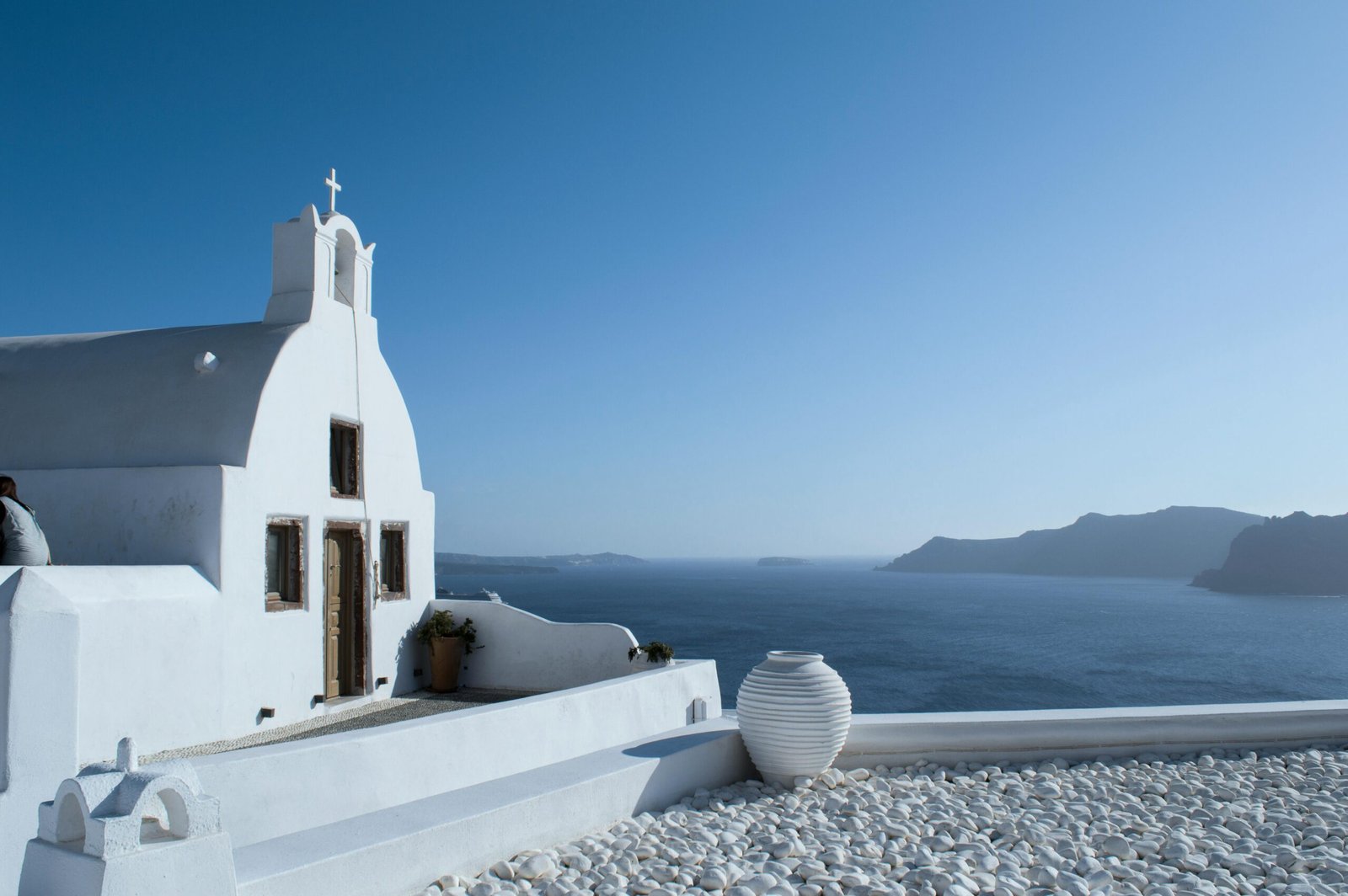
Why Santorini Is Harder to Do Well Than Almost Anywhere in Greece because the island punishes vague planning and rewards travelers who know exactly what they want. It looks straightforward online: white villages, caldera views, a few luxury hotels, and a famous sunset. In practice, that simplicity is misleading.
The real problem is not seeing Santorini. The real problem is avoiding the version of Santorini that feels crowded, overpriced, and oddly generic for a place this expensive. If you want it to feel calm and worth the money, you need to make sharper decisions than you do in most of Greece.
Why Santorini Is Harder to Do Well Than Almost Anywhere in Greece
Santorini is one of the easiest places in Greece to book badly and one of the hardest to experience well. That is not a contradiction; it is the reality of a destination where the best-known areas are also the most exposed to crowds, pricing pressure, and weak planning. If you treat it like a simple luxury stop, you usually get a very expensive version of average.
My position is blunt: Santorini is not a place for casual improvisation. If you want privacy, good pacing, and a stay that feels intentional, you need to think like an operator, not a tourist chasing the obvious checklist. Why Santorini Is Harder to Do Well Than Almost Anywhere in Greece is exactly why serious travelers should plan it with more care than they give most islands.
Why Santorini Is Harder to Do Well Than Almost Anywhere in Greece for most travelers
The island’s problem is concentration. The views, the prestige hotels, the famous villages, and the dining scene are all compressed into a small area, which means mistakes show up fast and cost more than they should. Stay in the wrong place and you spend your trip looking at the island instead of actually enjoying it.
What most travelers underestimate is how little margin for error Santorini gives you. A room that looks spectacular in photos can feel exposed, noisy, or impractical once you arrive. A hotel that is technically “in Oia” may be in the most crowded part of Oia, which is a very different experience from the one people imagine.
Why Santorini Is Harder to Do Well Than Almost Anywhere in Greece also comes down to expectations. Travelers arrive wanting luxury, but they often mean different things: silence, space, service, views, or convenience. Santorini forces you to choose, because getting all five usually means paying far more and still making compromises.
Two mistakes travelers make again and again
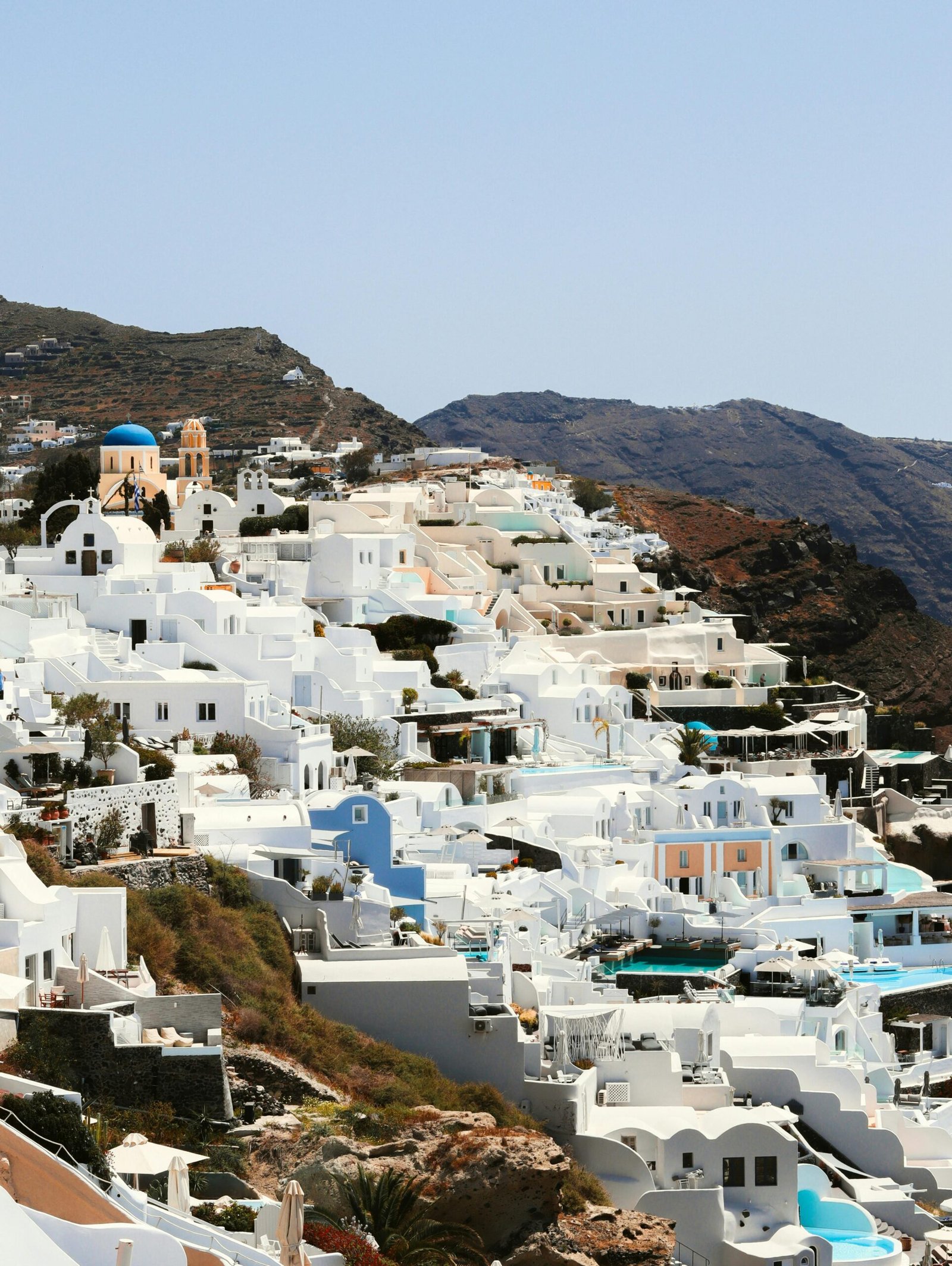
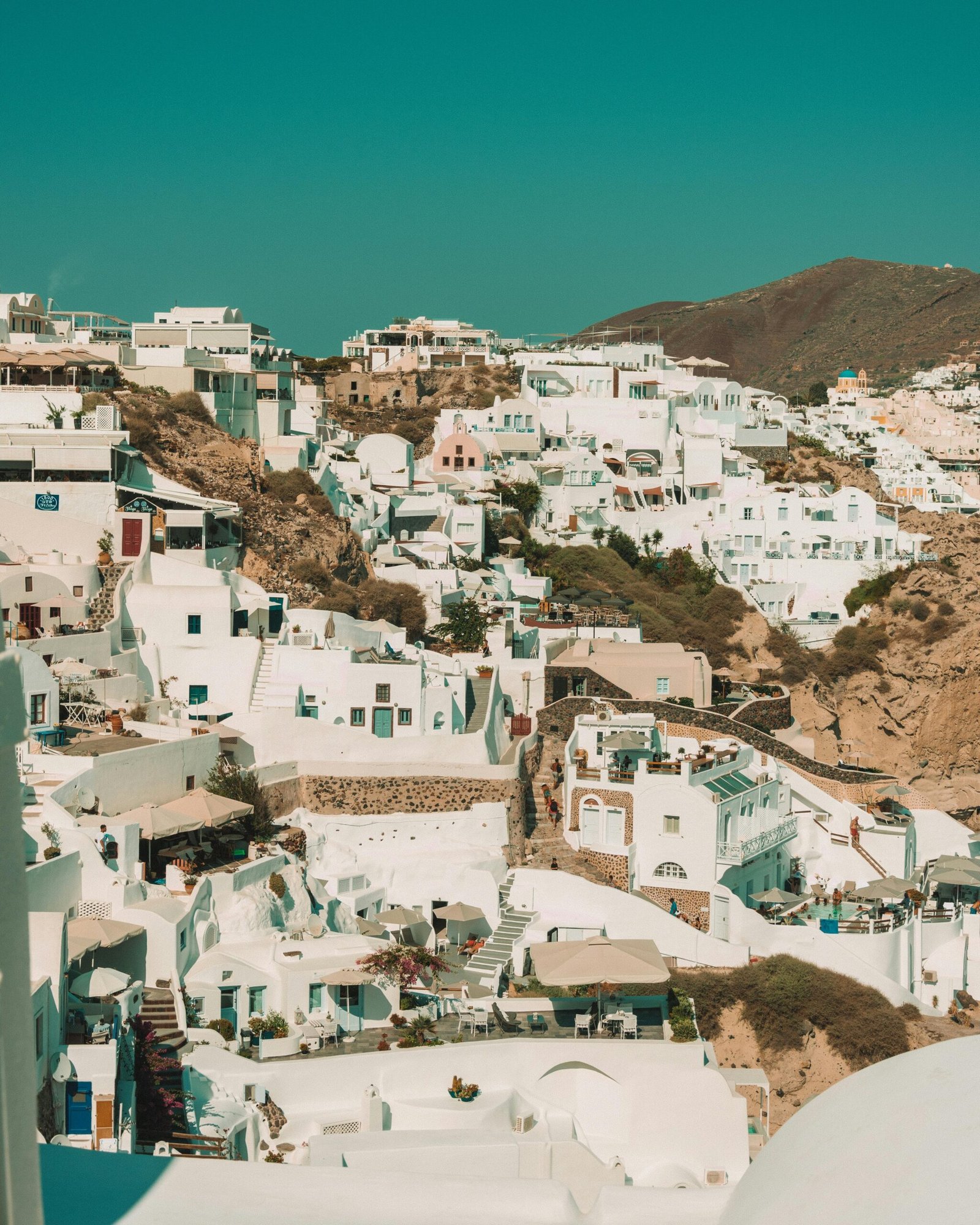
The first mistake is assuming the famous villages are interchangeable. They are not. Oia is the most recognizable and the most exposed to visitor traffic; Fira is more central and practical, but busier and less refined in feel; Imerovigli is often the best balance for travelers who want caldera views without the same level of foot traffic; Firostefani sits in a useful middle ground, though it can feel more compressed than people expect.
The second mistake is treating Santorini like a beach island. It has beaches, but that is not what it does best. If someone books Santorini expecting a classic relaxed beach holiday, they are usually disappointed because the island’s real value is in the view-driven stay, not in long, easy beach days.
There is a third mistake that costs people money: they book the wrong category of accommodation for the way they actually travel. Couples often overpay for a dramatic room they barely use. Families sometimes choose a cliffside setting that looks beautiful online and then discover it is awkward, exposed, or simply impractical for their needs.
The places that matter when you are planning a stay
Oia is the obvious choice, but obvious is not the same as best. It suits travelers who want the classic caldera experience and are willing to tolerate more foot traffic, more attention, and a higher chance of paying for the name rather than the experience. When Oia works, it works very well; when it misses, it feels over-managed and crowded.
Imerovigli is the strongest choice for many high-end travelers because it tends to deliver the calmest version of the caldera stay. It is less showy than Oia and less hectic than Fira, which is exactly why experienced travelers often prefer it. Firostefani is useful for people who want access and views without being in the center of the island’s daily churn.
Fira suits travelers who want energy, restaurants, and a more practical base, but it is not the island’s quiet luxury choice. Akrotiri is a different proposition altogether: lower-key, less polished, and better for travelers who care more about space and a slower pace than about being near the iconic cliffside scene. For a broader sense of how Greece handles heritage and protected places, the official Ministry of Culture site is worth checking when you want context beyond hotel marketing.
Megalochori is often overlooked by first-timers, which is exactly why it can work for travelers who want a village feel without the saturation of the main caldera strip. It is not the place for people who need to be in the center of everything, and that is part of its appeal. Santorini is full of places that look similar on a map but produce very different stays in practice.
What you gain, and what you give up
The gain is obvious: dramatic views, strong hospitality at the top end, and a destination with real name recognition for a reason. Santorini can feel highly polished when it is done properly, and for travelers who value a contained, design-forward stay, it can be one of the most satisfying islands in Greece. The best properties know how to create privacy in a place that is constantly being photographed.
The trade-off is equally real. You give up spontaneity, value, and often a sense of easy freedom. Santorini is not where you go if you want to wander without thinking, change plans casually, or avoid premium pricing for nearly everything that matters.
That trade-off becomes sharper in peak season, when the island’s small scale works against it. Even a very good stay can feel less exclusive if you ignore timing and location. This is where Why Santorini Is Harder to Do Well Than Almost Anywhere in Greece becomes more than a slogan; it is a practical warning about how fast the island can feel overused.
A counterintuitive point most people miss
The most expensive room is not always the smartest choice in Santorini. In fact, some of the highest-priced cliffside options create more friction than comfort because they prioritize the view over the lived experience. A slightly less dramatic property in a better-positioned neighborhood can feel far more exclusive because it is easier to enjoy.
That is the part most travelers get wrong. They assume exclusivity is about visibility, when in Santorini it is often about discretion. The calmer the setting, the more expensive the stay can feel in the right way, even if the room is not the one that dominates social media.
Why Santorini Is Harder to Do Well Than Almost Anywhere in Greece is also why experienced travelers often choose restraint over spectacle. The island is at its best when the stay is edited, not maximalist. If every decision is made to chase the most famous view, the trip usually feels less special, not more.
Who this suits
Santorini suits couples, design-conscious travelers, honeymooners who care about atmosphere, and repeat Greece visitors who already know they do not want a generic island week. It also suits people who are happy to pay for a carefully chosen base and who understand that the island’s appeal is concentrated, not broad.
It does not suit travelers who want easy beach variety, large family-friendly resorts with lots of space, or a loose, unstructured island feel. It also disappoints people who are chasing “authenticity” as a vague concept while still expecting polished luxury. Those are different goals, and Santorini is not the right place to pretend they are the same.
- Best fit: couples, luxury travelers, design-focused guests, and repeat visitors who want a refined stay.
- Poor fit: beach-first travelers, large families needing space, and anyone who dislikes crowds or premium pricing.
If you want a broader planning baseline for Greece, use
Visit Greece as a starting point, then get more specific about what kind of Santorini you actually want. That distinction matters more here than almost anywhere else in the country.
Why expert help matters more here than on most Greek islands
On many Greek islands, a decent location and a reasonable hotel choice will still produce a good trip. Santorini is less forgiving. The wrong neighborhood, the wrong room type, or the wrong season can turn a premium booking into a noisy, overexposed, overpriced stay.
This is also where travelers make a sequencing mistake. They treat Santorini as a simple add-on, when in reality it should be placed with intention in the larger Greece trip. If you arrive here tired, rushed, or expecting it to function like a casual island stop, the island will feel less generous than it should.
Why Santorini Is Harder to Do Well Than Almost Anywhere in Greece is the clearest example of why generic planning fails. The island is small, famous, and expensive, which means the margin between a very good trip and a disappointing one is thin. That is exactly why experienced guidance is useful here, not because Santorini is difficult to visit, but because it is difficult to get right.
Greece rewards travelers who arrive with a plan built around how they actually travel — not a generic template. The difference between a frustrating trip and a remarkable one often comes down to sequence, timing, and knowing which trade-offs matter for your situation.
Recommended experiences
Some experiences mentioned here are curated and managed by Elite Greece Travels.
- Athens Milos Santorini Itinerary 9 Days — Itinerary (managed by Elite Greece Travels).
- Greece 7 Day Itinerary Athens Delphi Meteora Santorini — Itinerary (managed by Elite Greece Travels).
- Santorini Sunset Cruise With Dinner In The Caldera — Cruise (managed by Elite Greece Travels).
Frequently asked questions
Why is Santorini harder to plan than other Greek islands?
Because the island is small, expensive, and heavily concentrated around a few famous areas. Small mistakes in location, room type, or timing have a bigger impact here than they do on most Greek islands.
Which area is best for a calm luxury stay in Santorini?
Imerovigli is often the strongest balance of views and calm. Oia can be excellent, but it is more exposed to foot traffic and feels less private in the most obvious parts.
Is Santorini good for families?
Only for certain families. If you need space, flexibility, and easy movement, Santorini is usually not the best fit. It works better for older children or families who prioritize a high-end, view-driven stay over convenience.
What do travelers get wrong most often in Santorini?
They assume the famous villages are interchangeable and they overvalue the most photographed rooms. In practice, the neighborhood and the actual usability of the property matter more than the headline view.
Is Santorini still worth it if I want a quiet trip?
Yes, but only if you choose carefully. A quiet Santorini stay is possible, but it requires a better location choice and more discipline about what you are trying to get from the island.
When is Santorini most likely to feel overcrowded?
Peak summer is the obvious answer, but shoulder periods can still feel busy if you stay in the most famous areas. The issue is not only season; it is also where you stay and how exposed your base is to day-tripper traffic.