

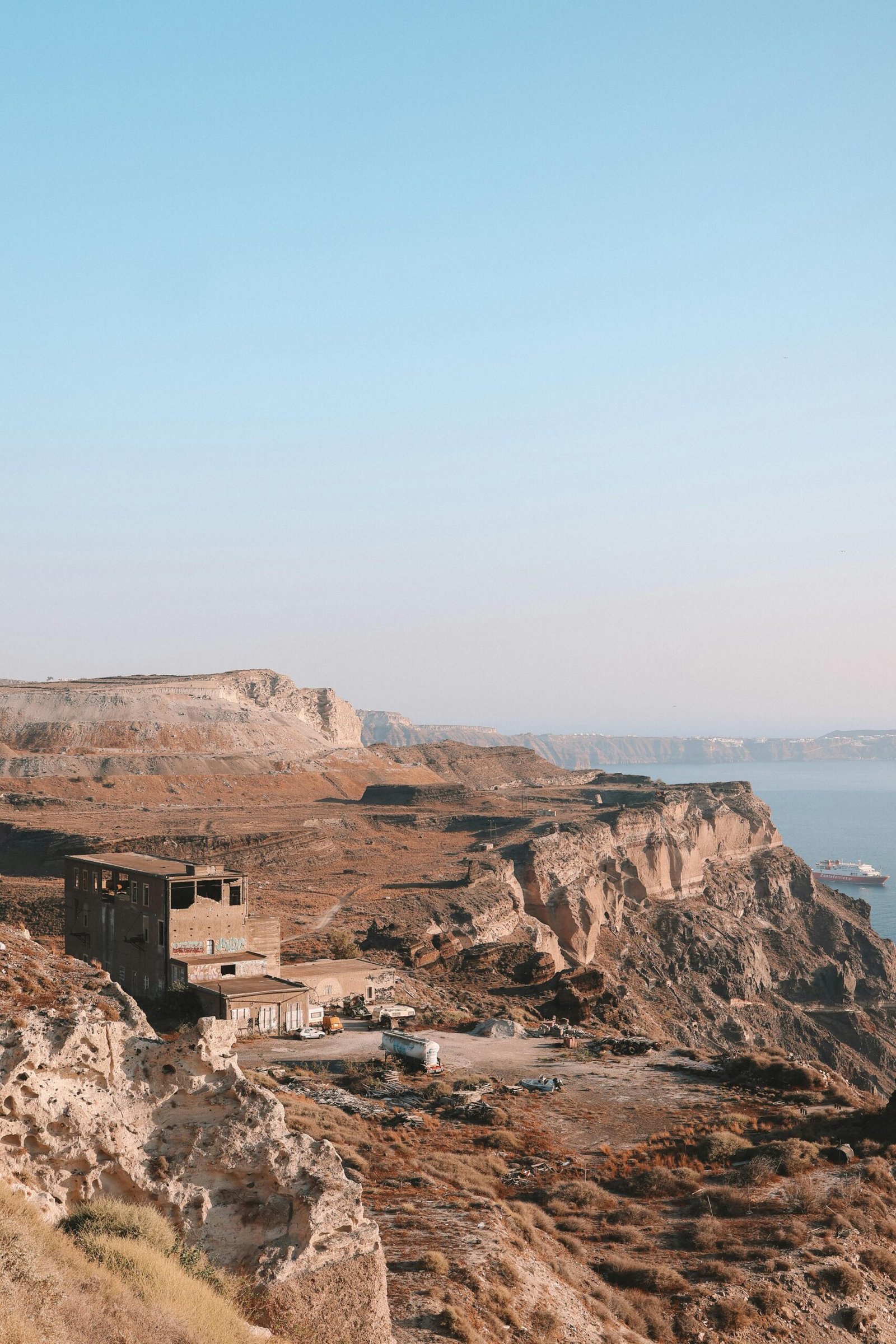
Why Most First-Timers to Santorini Leave Slightly Disappointed usually starts with one assumption: that the island will feel as polished and effortless in real life as it looks in photos. That assumption is understandable, but it is also the main reason people arrive already primed for a letdown.
The disappointment is rarely about Santorini being “bad.” It is about the gap between a highly edited image and the physical reality of visiting in peak season: crowds, heat, price pressure, and a lot less privacy than people expect. Once you see that pattern clearly, the trip makes more sense.
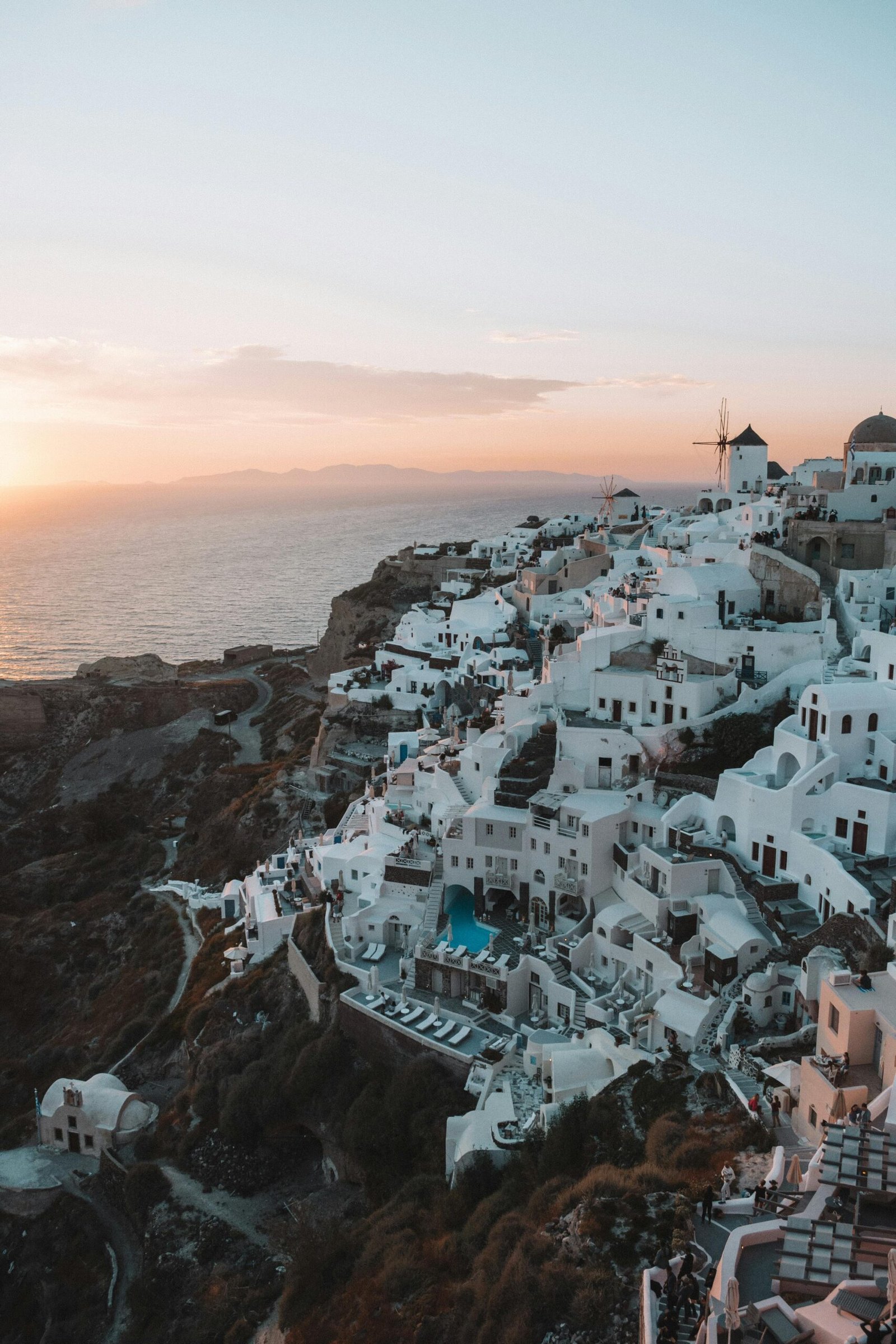
Why Most First-Timers to Santorini Leave Slightly Disappointed
Why Most First-Timers to Santorini Leave Slightly Disappointed is not a mystery to anyone who works in Greece travel. The island is sold as a once-in-a-lifetime experience, so first-timers arrive with a very specific emotional script already in place: romance, ease, exclusivity, and a sense that everything will feel special the moment they land. That script is the problem.
People do not choose Santorini only because it is famous. They choose it because they want their first Greece trip to feel unmistakably “worth it,” and Santorini is the easiest place to attach that hope. It is also the easiest place to overpay for the wrong kind of experience, because the island’s reputation is stronger than most travelers’ understanding of how it actually functions in peak season.
The real reason Why Most First-Timers to Santorini Leave Slightly Disappointed
The core issue is expectation inflation. Travelers do not just want a beautiful island; they want a clean emotional payoff for the money, time, and anticipation they have invested. When a destination has been built up for years through social media, wedding marketing, and glossy travel content, the mind starts treating the trip like a guaranteed emotional event.
That is a dangerous way to book Santorini. The island is still a real place with bottlenecks, crowds, and a very narrow premium zone that everyone wants at the same time. The moment you realize you are sharing the same view, the same lane, and the same sunset pressure with hundreds of other people, the fantasy starts to crack.
The emotional gap: what people expect versus what they actually feel
Most first-timers expect calm, privacy, and a sense of being slightly removed from ordinary life. What they usually get is a high-density, high-cost environment where even simple decisions feel competitive. That mismatch creates a strange emotional effect: people are technically in one of Greece’s most famous places, yet they feel rushed, boxed in, and oddly performative.
That is why the disappointment is often subtle rather than dramatic. It is not that the island fails completely. It is that the experience feels more managed and less effortless than they imagined, and that difference matters more than travelers admit before they go.
One counterintuitive truth: the more someone has built Santorini up as a “special occasion” destination, the more vulnerable they are to disappointment. Special occasions create pressure. Pressure makes people notice every queue, every inflated price, every crowded terrace, and every moment that does not match the image in their head.
The moment the disappointment usually hits
The disappointment usually lands in one of two places: the first crowded sunset or the first time a traveler realizes how much of the island’s premium experience is shared. That is the moment the trip stops feeling exclusive and starts feeling managed by demand. People do not usually say this out loud, but they feel it immediately.
For many, the real letdown is not the view itself. It is the emotional cost of getting to the view. If you have spent the day navigating crowds, paying premium prices, and adjusting your expectations around availability, the sunset can feel less like a reward and more like a final test.
Who is most likely to feel this way
First-time visitors who are most prone to disappointment usually fall into a few clear groups. The first is the “one perfect trip” planner, who wants Santorini to carry the emotional weight of an entire Greece vacation. The second is the couple chasing a romantic milestone, because romance creates a stronger expectation of privacy and ease than Santorini can reliably deliver in peak season.
The third group is the traveler who has only seen Santorini through curated images and assumes that the famous parts are the whole experience. These travelers are often the most surprised by how commercial the island can feel once they are actually there. If you want a broader sense of how Greece presents itself versus how it functions on the ground,
Visit Greece is useful as a starting point, but it will not tell you where the emotional friction usually comes from.
- Couples expecting privacy and romance at every turn
- First-timers using Santorini as the centerpiece of a once-in-a-lifetime trip
- Travelers who rely heavily on social media imagery when choosing destinations
- People who dislike crowds but book the most crowded part of the season anyway
The season problem nobody wants to talk about
Peak season changes Santorini more than most first-timers realize. The island does not just get busier; it becomes more transactional, more expensive, and less forgiving of bad assumptions. The same place that looks serene in photos can feel compressed and overworked when demand is at its highest.
This is where many travelers make the wrong emotional calculation. They assume that because Santorini is famous, it will somehow absorb the crowds gracefully. It does not. The island has a limited amount of space, and peak season exposes that limitation fast.
That is why Why Most First-Timers to Santorini Leave Slightly Disappointed is really a timing story as much as a destination story. The island is not disappointing in the abstract; it is disappointing when travelers expect peak-season Santorini to behave like a private luxury escape.
What people misunderstand about “worth it”
There is a very specific kind of traveler who leaves Santorini feeling underwhelmed: the one who equates “worth it” with constant visual payoff. Santorini does deliver strong visual moments, but it is not a destination that keeps rewarding you every minute of the day. That is a hard truth for people who are used to destinations that feel relaxed and varied.
My clear position: if you want Santorini to be the emotional center of your Greece trip, you need to accept that the island is strongest as a short, focused stay, not as a place to stretch out and expect depth from every hour. People who try to make it do too much are the ones most likely to feel they paid too much for too little. Greece rewards travelers who arrive with a plan, but Santorini especially punishes vague expectations.
For travelers trying to understand the broader cultural frame of Greece beyond the postcard version, the Ministry of Culture is a better reference point than social media. It will not solve the disappointment problem, but it does remind you that Greece is not a backdrop; it is a lived-in country with real constraints and priorities.
How to approach Santorini differently
The better way to approach Santorini is to treat it as a high-demand, high-expectation destination that needs clear boundaries. That means being honest about what you are actually seeking: romance, views, status, convenience, or a famous name on your itinerary. Those are not the same thing, and Santorini does not satisfy all of them equally.
If you want to avoid the usual disappointment, stop asking whether Santorini is “worth it” in the abstract. Ask whether you are booking it for the right emotional reason. If you are chasing a perfect image, the island will probably feel expensive and crowded. If you are choosing it with realistic expectations, it can still be a strong part of a Greece trip.
That is the real reframe behind Why Most First-Timers to Santorini Leave Slightly Disappointed: the issue is not the island’s quality, but the fantasy travelers attach to it before they arrive. Once you separate the place from the projection, you make better decisions about season, budget, and what kind of experience you actually want.
Recognizing the pattern is the first step. The second is building a trip around how you actually travel — not the traveler you imagine yourself to be. Most great Greece experiences start with that honesty.
Frequently asked questions
Why do first-time visitors to Santorini often feel disappointed?
Because they arrive with a polished image in mind and then meet a crowded, expensive, high-pressure island in peak season. The gap between expectation and reality is usually the real problem.
Is Santorini overrated for first-timers?
Not exactly. It is over-idealized. Travelers who expect privacy, calm, and constant ease are the ones most likely to feel let down.
What is the biggest mistake people make when booking Santorini?
They treat it like a guaranteed luxury experience instead of a high-demand destination with real crowd and season pressure. That assumption leads to poor timing and unrealistic expectations.
Who is most likely to be disappointed by Santorini?
Couples expecting a private romantic escape, travelers using it as the emotional centerpiece of a once-in-a-lifetime trip, and people who rely heavily on social media images when planning.
Does peak season make Santorini worse?
Yes, for many first-timers. Peak season increases crowds, prices, and friction, which makes the island feel less exclusive and less relaxed than people expect.
How should I think about Santorini differently?
Treat it as a famous, high-demand destination with a narrow premium experience, not as a place that will automatically deliver a perfect emotional payoff. That mindset leads to better decisions.