

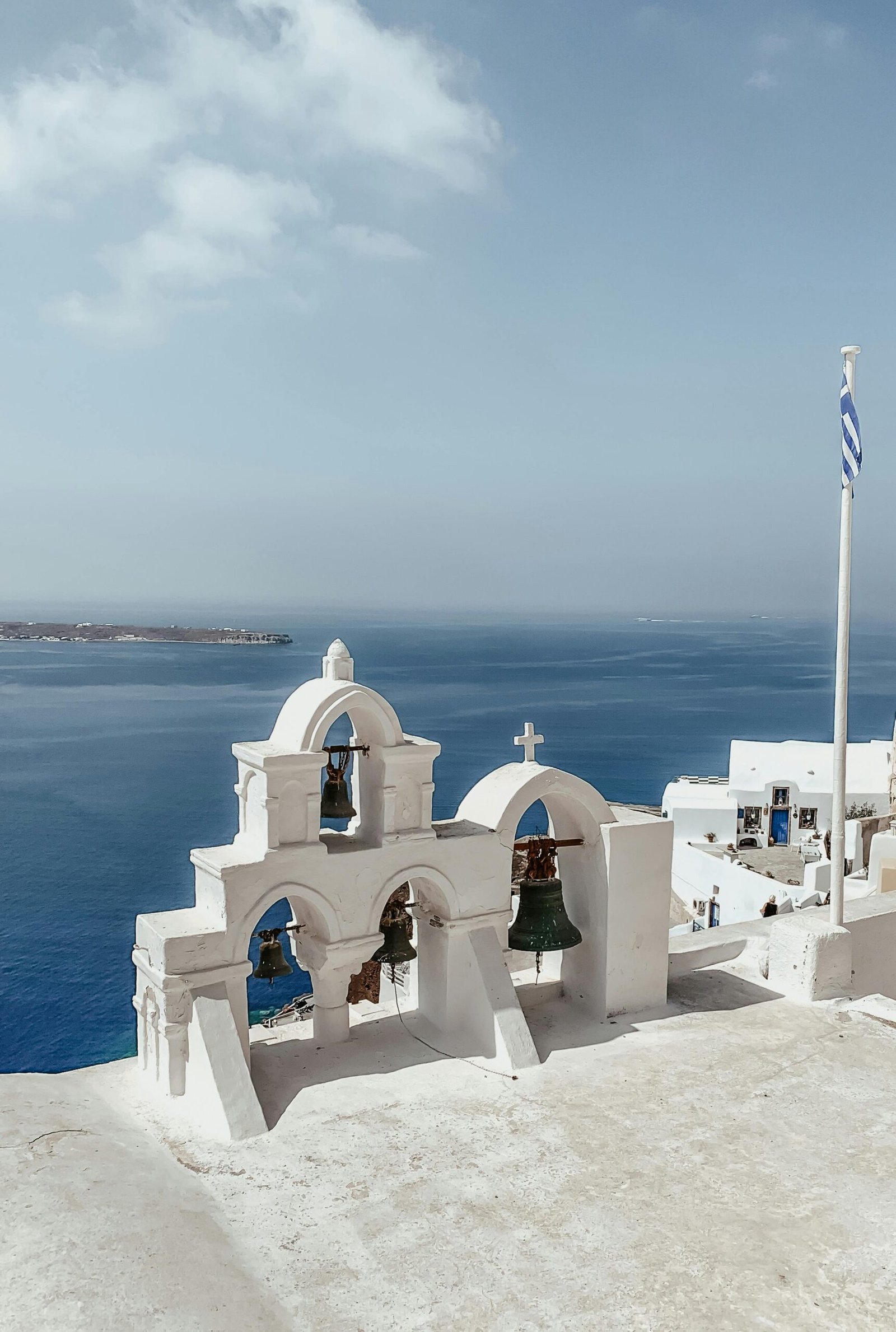
Why Most First-Timers to Santorini Leave Slightly Disappointed is usually not about Santorini failing to deliver. It is about travelers arriving with a fixed image of what the island should feel like, then reacting badly when peak-season Santorini behaves like a very busy, very expensive place with serious pressure on space, patience, and attention.
The mistake starts before the trip is booked. People choose Santorini to match a feeling they already want — romance, prestige, a once-in-a-lifetime view — and then assume the island will protect that feeling from crowds, heat, queues, and noise. It will not.
Why Most First-Timers to Santorini Leave Slightly Disappointed
Why Most First-Timers to Santorini Leave Slightly Disappointed is a useful question because the answer is not “the island is overrated.” That is too lazy. The real issue is that Santorini is often chosen as a symbol before it is chosen as a destination, and symbols are fragile when they meet daily reality.
People do this because they are not just buying a holiday. They are buying a version of themselves in a place that looks good in memory, in photos, and in conversations later. Santorini is one of the few Greek destinations where the emotional expectation can be bigger than the practical one from the start.
The image is the product, and that is the problem
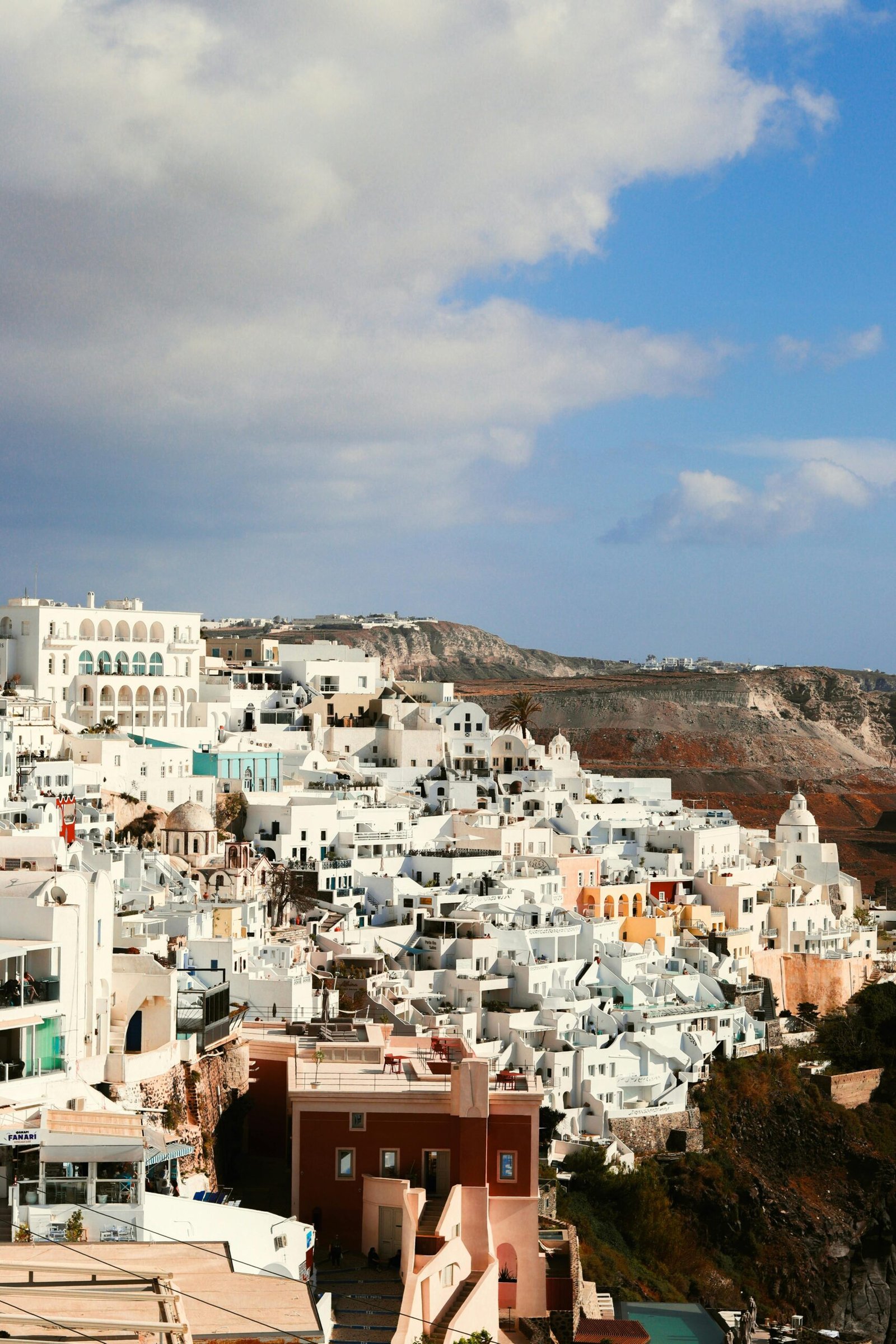
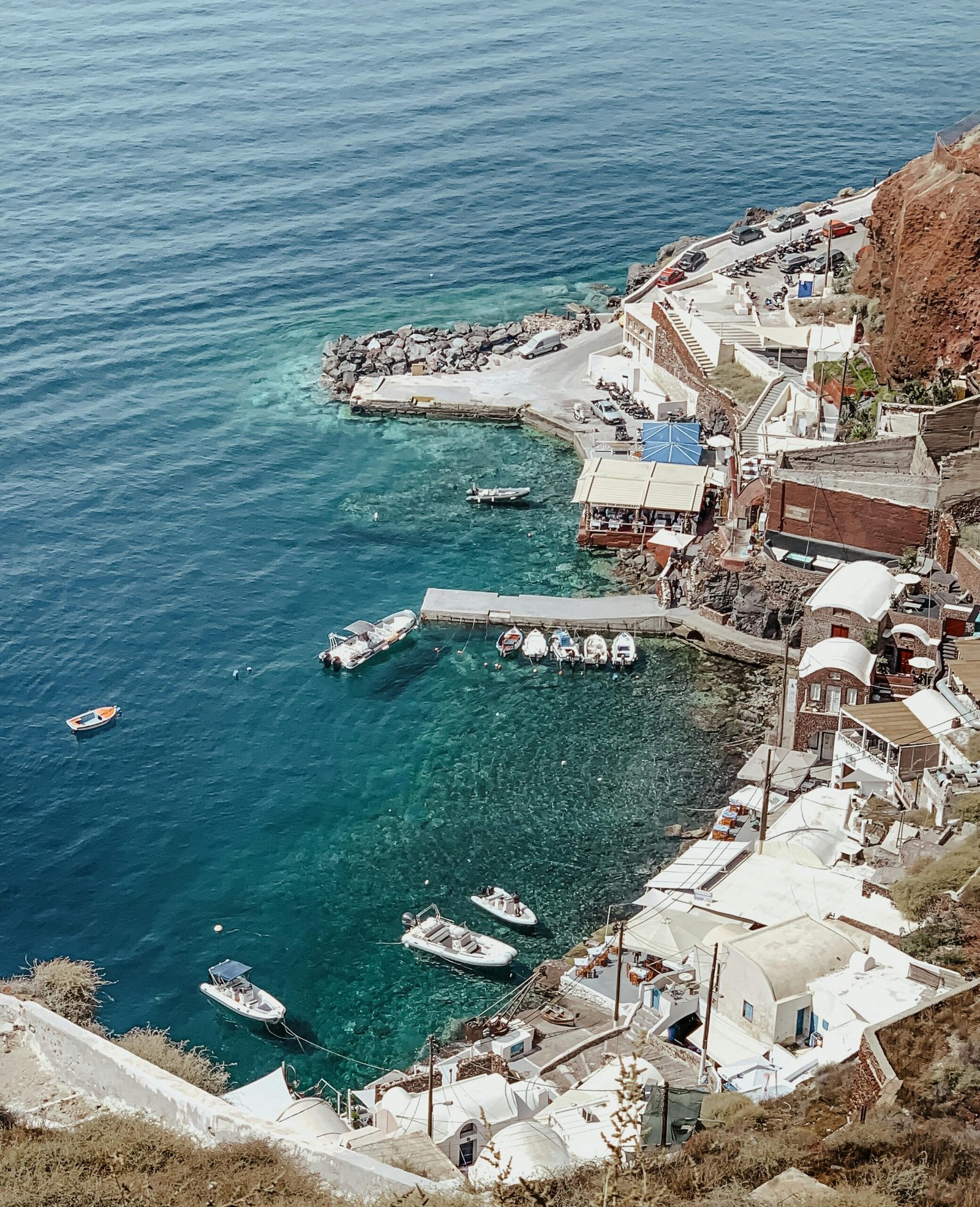
Most first-timers arrive with a mental picture built from social media, proposal photos, and a few polished travel clips. That picture is narrow: whitewashed terraces, blue domes, sunset dinners, and a sense of effortless exclusivity. In peak season, the actual island is more layered, more crowded, and much less curated than the image suggests.
Here is the counterintuitive part: the disappointment is often strongest among travelers who are getting exactly what they paid for. They booked the famous view, the famous sunset, and the famous setting, then discovered that fame itself changes the experience. A place can be beautiful and still feel overmanaged, overbooked, and emotionally thinner than expected.
Why travelers make this choice in the first place
There are three common psychological drivers. First, people want certainty, and Santorini feels like a safe choice because it is instantly recognizable. Second, many travelers want a trip that signals taste and effort without requiring much research. Third, couples often use Santorini as shorthand for “special,” which is a dangerous word because it hides all sorts of assumptions.
This is where
official Greece travel guidance can help with the basics, but it will not correct the emotional mistake. Most disappointment begins when travelers confuse a well-known destination with a universally satisfying one. Those are not the same thing.
Why Most First-Timers to Santorini Leave Slightly Disappointed is, in practice, a story about expectation management. The island is selected to produce a feeling, then judged against a fantasy version of that feeling. That is a setup for frustration before the trip even starts.
The moment the disappointment usually hits
The letdown rarely arrives in a dramatic way. It usually shows up in one ordinary moment: the first time the traveler realizes that the famous sunset is not theirs alone. The crowd, the noise, the waiting, the jostling for a view — that is when the spell breaks for many people.
Another common trigger is the first meal with a view that feels priced for the scenery rather than the food. That is not unique to Santorini, but the island makes it more obvious because expectations are so inflated. Once travelers feel they are paying a premium for access rather than quality, the tone changes fast.
There is also a quieter disappointment that comes from fatigue. Santorini in peak season can feel performative, and that wears people down. If you expected ease, privacy, and romance to happen automatically, the island can feel like work.
Why most first-timers to Santorini leave slightly disappointed in peak season
Peak season amplifies every mismatch between fantasy and reality. Crowds compress the experience, prices sharpen every decision, and the island’s most famous areas become less about atmosphere and more about crowd control. That is the point where first-timers realize the destination is not working on their behalf.
I take a clear position here: if your main goal is a calm, unforced Greek island experience, Santorini in peak season is a poor first choice. It can still be worth visiting, but not if you are expecting intimacy, spontaneity, or room to breathe. Those are the first things peak season strips away.
People often blame the island itself, when the real issue is timing. Santorini’s reputation makes travelers underestimate how much season changes the emotional tone. The same place can feel polished in one month and exhausting in another.
The traveler types most prone to this mistake
Some travelers are almost guaranteed to feel this mismatch more sharply than others. The most vulnerable are the ones who want the trip to feel effortless, the ones chasing a milestone moment, and the ones who have only one island on the itinerary because they want to “do Santorini properly.” That phrase usually means they are already overinvested in the idea.
- Couples planning a honeymoon or proposal and expecting the island to create the mood for them.
- First-time Greece visitors who want the most famous place first, before they understand the trade-offs.
- Travelers who equate luxury with privacy and assume a premium price guarantees it.
- People who have seen Santorini mostly through photography and underestimate how crowded it gets in real life.
These travelers are not wrong to want beauty or significance. They are wrong to assume fame and emotional satisfaction are the same thing. That is the core error behind Why Most First-Timers to Santorini Leave Slightly Disappointed.
What they expected versus what they actually experience
Expectation says: a serene, iconic island where every moment feels elevated. Reality says: a destination with real demand, limited capacity in its most famous areas, and a lot of social pressure around getting the “right” experience. The gap between those two is where disappointment lives.
Many travelers also expect Santorini to feel like a complete Greece experience. It is not. It is a very specific, highly concentrated version of island travel, and that narrowness is exactly why it can feel underwhelming if you expected variety, ease, or local everyday life.
For broader context on how Greece presents its destinations and seasons, the Ministry of Culture and Sports is useful background reading, especially if you want to understand the country beyond the postcard layer. But the practical point remains simple: Santorini is famous because it is famous, and that changes how people experience it.
How to approach Santorini differently
The better question is not whether Santorini is worth visiting. It is what role you want it to play in the trip. If you treat it as one part of a wider Greece itinerary, the pressure drops and the island usually performs better emotionally.
Greece rewards travelers who arrive with a plan, but not a fantasy. That distinction matters. A good plan accepts crowds, seasonality, and the fact that some places are better admired than inhabited for too long.
The reframe is simple: go to Santorini for the specific experience it reliably offers, not for the emotional experience you hope will happen automatically. If you want romance, build it into the trip instead of expecting the island to manufacture it. If you want calm, choose timing and expectations accordingly. That is how you avoid the quiet letdown that so many first-timers feel but rarely name.
Why Most First-Timers to Santorini Leave Slightly Disappointed is not a warning to avoid the island. It is a warning to stop using a famous place as a substitute for clear thinking. Once you do that, Santorini becomes easier to appreciate for what it is.
Greece doesn’t punish inexperience. It punishes unexamined assumptions. The travelers who leave disappointed rarely lacked information — they lacked a framework for using it.
Frequently asked questions
Is Santorini still worth visiting for first-timers?
Yes, but only if you understand what you are actually visiting: a famous, high-demand island with limited emotional margin in peak season. It is worth seeing. It is not a guarantee of ease or romance.
Why do so many people feel underwhelmed by Santorini?
Because they arrive with a picture, not a framework. They expect the island to deliver a mood on command, then react badly when crowds, prices, and timing interrupt that mood.
What is the biggest mistake first-timers make in Santorini?
Treating the island as the centerpiece of the entire Greece trip instead of one part of it. That puts too much pressure on one place to deliver too many feelings.
Does peak season make Santorini worse?
For most first-timers, yes. Peak season compresses space, raises stress, and makes the island feel more managed and less personal. The same setting can feel very different outside the busiest months.
Who is most likely to be disappointed in Santorini?
Travelers looking for privacy, first-timers who want the most famous place as their first Greek experience, and couples expecting the island to create a romantic atmosphere by itself.
How should I think about Santorini more realistically?
See it as a specific, high-profile destination with real trade-offs, not as a universal benchmark for Greece. If you know what it does well and what it does poorly, you are much less likely to feel let down.