

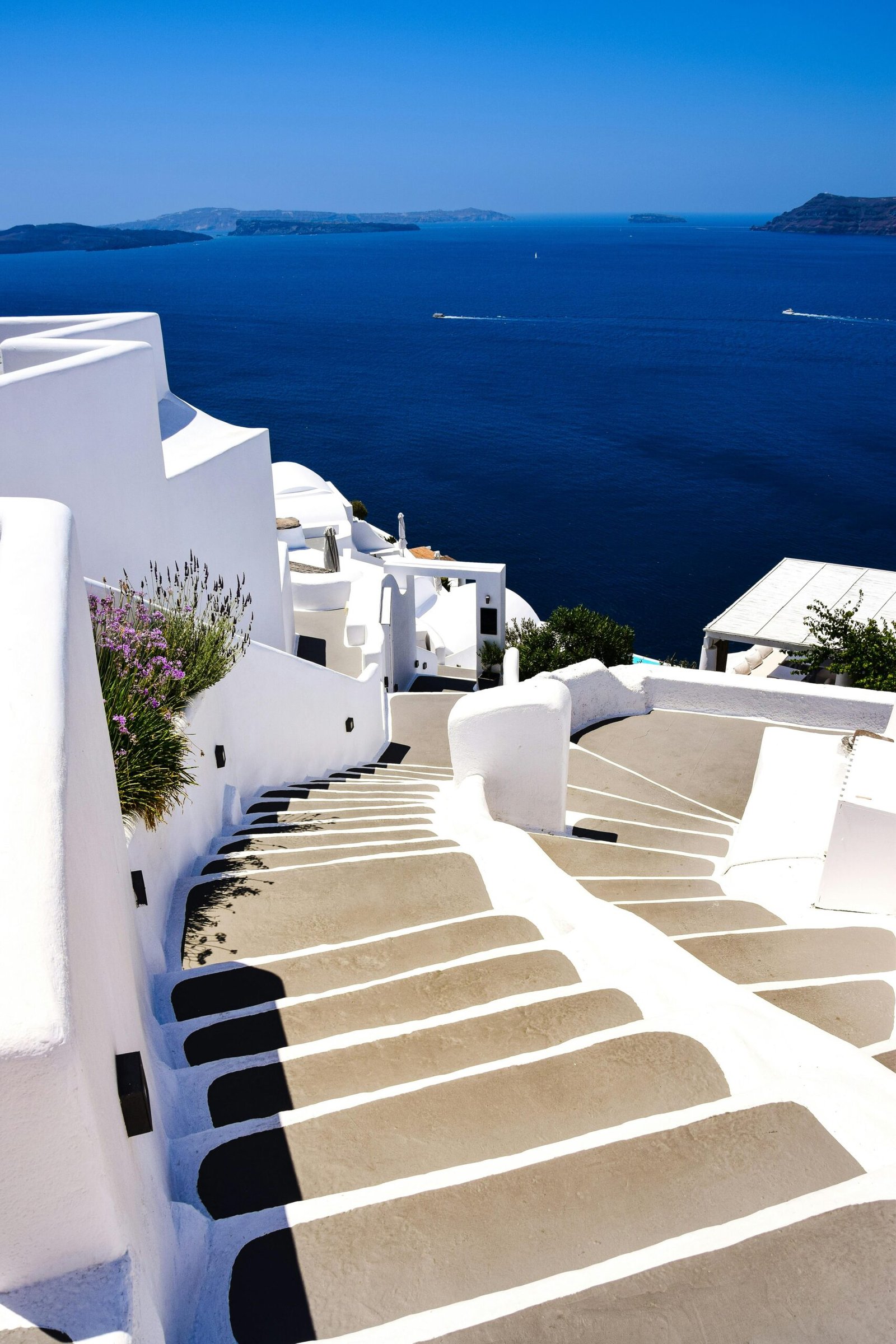
Why Santorini Is Harder to Plan Well Than Most People Realize is that the island punishes vague planning. People assume it is a straightforward luxury stop: book a cave suite, watch the caldera, done. In practice, the wrong base, wrong season, or wrong pace can turn a short stay into a crowded, overpriced exercise in frustration.
The island is small, but the decisions are not small. Santorini works best when you match your accommodation area, your tolerance for crowds, and your expectations for privacy and views before you book anything.
Why Santorini Is Harder to Plan Well Than Most People Realize
Santorini looks easy to plan from the outside. It is not. The island has a very clear visual identity, but that makes travelers overconfident, and overconfidence is where Santorini goes wrong. Why Santorini Is Harder to Plan Well Than Most People Realize is simple: the island forces trade-offs, and most people only notice them after they have paid for the wrong version of the trip.
The biggest mistake: choosing the wrong area for the way you actually travel
Most travelers pick Santorini by view first and function second. That is backwards. Oia is the obvious choice for first-timers who want the classic caldera look, but it is also the most expensive, the most crowded, and the least forgiving if you dislike being around other people at peak hours. Fira is more practical, but it is busier and less polished in feel; Imerovigli is quieter and often the best all-around base for couples who want calm without feeling isolated.
Firostefani sits in a useful middle ground and is frequently the smartest compromise for travelers who want caldera access without Oia’s pressure. Akrotiri suits people who care more about space, archaeology, and a looser pace than about being in the center of the postcard scene. Kamari and Perissa are different again: better for beach-focused stays, less useful if your priority is the caldera atmosphere. If you choose the wrong area, you do not just lose convenience — you change the entire feel of the trip.
Why Santorini Is Harder to Plan Well Than Most People Realize in peak season
The second mistake is assuming Santorini behaves like a normal Greek island in summer. It does not. In high season, the island can feel compressed and expensive in a way that surprises even experienced travelers, especially if they are staying only one or two nights and trying to “see everything.” That approach usually produces a rushed, overpacked stay where the cost is high and the experience is thin.
People also underestimate how quickly the island changes by month. Early spring and late autumn can be excellent for travelers who value calmer conditions and better rates, but some businesses operate on reduced schedules and the mood is noticeably different. July and August bring the full pressure of demand, and if you want a particular room category or a specific area, the market punishes hesitation. This is one reason Why Santorini Is Harder to Plan Well Than Most People Realize keeps coming up in serious trip planning conversations.
What travelers consistently get wrong
First, they treat Santorini as if every area offers the same experience with a different price tag. It does not. A caldera-facing stay and a village or beach stay are fundamentally different products, and mixing up those expectations is the fastest way to feel disappointed.
Second, they assume the island is best enjoyed by chasing the most famous viewpoints all day. That is exactly how you end up feeling like you spent a lot of money to stand in line with everyone else. Santorini is better when you choose a narrower focus: views, food, photography, wine, archaeology, or a quiet luxury break. Trying to do all of it in a short stay usually produces a mediocre result.
Third, they ignore how much accommodation quality varies at the same price point. A room in Santorini can look similar online and feel very different in real life depending on privacy, sun exposure, and how close you are to the crowds. This is where local knowledge matters more than glossy photos.
Counterintuitive truth: the best Santorini trip is often not the most iconic one
Here is the part most travelers do not expect: the best Santorini stay for many people is not in Oia. Oia is famous for a reason, but for a lot of travelers it is too intense, too expensive, and too performative. You pay a premium for the name and the view, then spend time working around the crowds that come with both.
I would rather place a couple in Imerovigli or Firostefani than force them into Oia if they want a better balance of calm, view, and value. They give up some of the instant recognition and some of the “I stayed in Oia” bragging rights. In return, they usually get a trip that feels more relaxed, less staged, and more worth the money.
Who this suits
Santorini suits travelers who care about atmosphere, design, and views, and who are willing to pay for them. It works well for couples, honeymooners, photographers with patience, and travelers who are comfortable choosing a narrow, high-quality experience instead of trying to cover the island broadly. It also suits people who want a short, polished stay and are realistic about the island’s limitations.
- Best fit: couples, luxury travelers, and first-timers who want the classic caldera experience.
- Good fit: food-focused travelers, wine lovers, and people who prefer a slower, more contained stay.
- Poor fit: travelers who hate crowds, want long beach days, or expect a low-cost island holiday.
- Poor fit: families wanting easy space and flexibility without paying premium rates.
If you want a relaxed village feel, broad beaches, or the kind of island where you can improvise day by day, Santorini is not the cleanest match. It can still work, but only if you accept that the island is built around a very specific style of travel. That style is not for everyone, and pretending otherwise is how people end up annoyed.
The planning trade-off nobody likes to admit
Santorini gives you iconic views, strong hotels, and a high-end feel in the right places. What it takes away is spontaneity, value, and sometimes privacy. The more you want the classic caldera experience, the more you pay and the more you share it with other people.
That trade-off matters most for travelers who are used to Greek islands feeling easy and informal. Santorini is more curated, more expensive, and less forgiving of poor choices. If you want a trip that feels smooth, you need to decide early what matters more: the famous view, the quieter base, or the best value for your budget.
For broader destination context and official cultural information, it is worth checking
Visit Greece and, when you want to understand the wider heritage framing around Greek sites and institutions, the Hellenic Ministry of Culture. That will not solve the planning problem for you, but it does remind you that Santorini is part of a larger Greek travel picture, not a standalone fantasy product.
My position is clear: Santorini is worth it when the plan is specific and disciplined, and disappointing when people treat it like a place that will sort itself out on arrival. The island is too expensive to wing, and too crowded to fix later. Why Santorini Is Harder to Plan Well Than Most People Realize is not a slogan; it is the reality behind most bad bookings.
Greece rewards travelers who arrive with a plan built around how they actually travel — not a generic template. The difference between a frustrating trip and a remarkable one often comes down to sequence, timing, and knowing which trade-offs matter for your situation.
Recommended experiences
Some experiences mentioned here are curated and managed by Elite Greece Travels.
- Athens Milos Santorini Itinerary 9 Days — Itinerary (managed by Elite Greece Travels).
- Greece 7 Day Itinerary Athens Delphi Meteora Santorini — Itinerary (managed by Elite Greece Travels).
- Santorini Sunset Cruise With Dinner In The Caldera — Cruise (managed by Elite Greece Travels).
Frequently asked questions
Why is Santorini harder to plan than other Greek islands?
Because the island is small, expensive, and highly segmented by area. The wrong base or season changes the trip in a way most travelers do not anticipate.
What is the biggest mistake people make in Santorini?
They choose the most famous area without checking whether it fits their travel style. Oia is not automatically the best choice, and for many people it is the wrong one.
Which area is best for a calmer stay?
Imerovigli and Firostefani are usually the best balance of views and calm. Akrotiri is quieter still, but it is a different kind of stay and not for everyone.
Is Santorini worth it for a short trip?
Yes, if the stay is focused and realistic. A short visit works best when you accept that you cannot do everything and instead choose one clear priority.
What kind of traveler is Santorini not good for?
It is not a great fit for travelers who want low crowds, casual spontaneity, or good value above all else. It also frustrates people who expect a beach-first island holiday.
When is the best time to plan Santorini?
Shoulder seasons are often the best balance of conditions and crowd levels, but availability and operating schedules can be less predictable. Peak summer is the most demanding and the least forgiving.
Why do people feel Santorini is overpriced?
Because many are paying for a specific view and location, not just the room itself. If the area or room category is wrong, the price feels even harder to justify.