

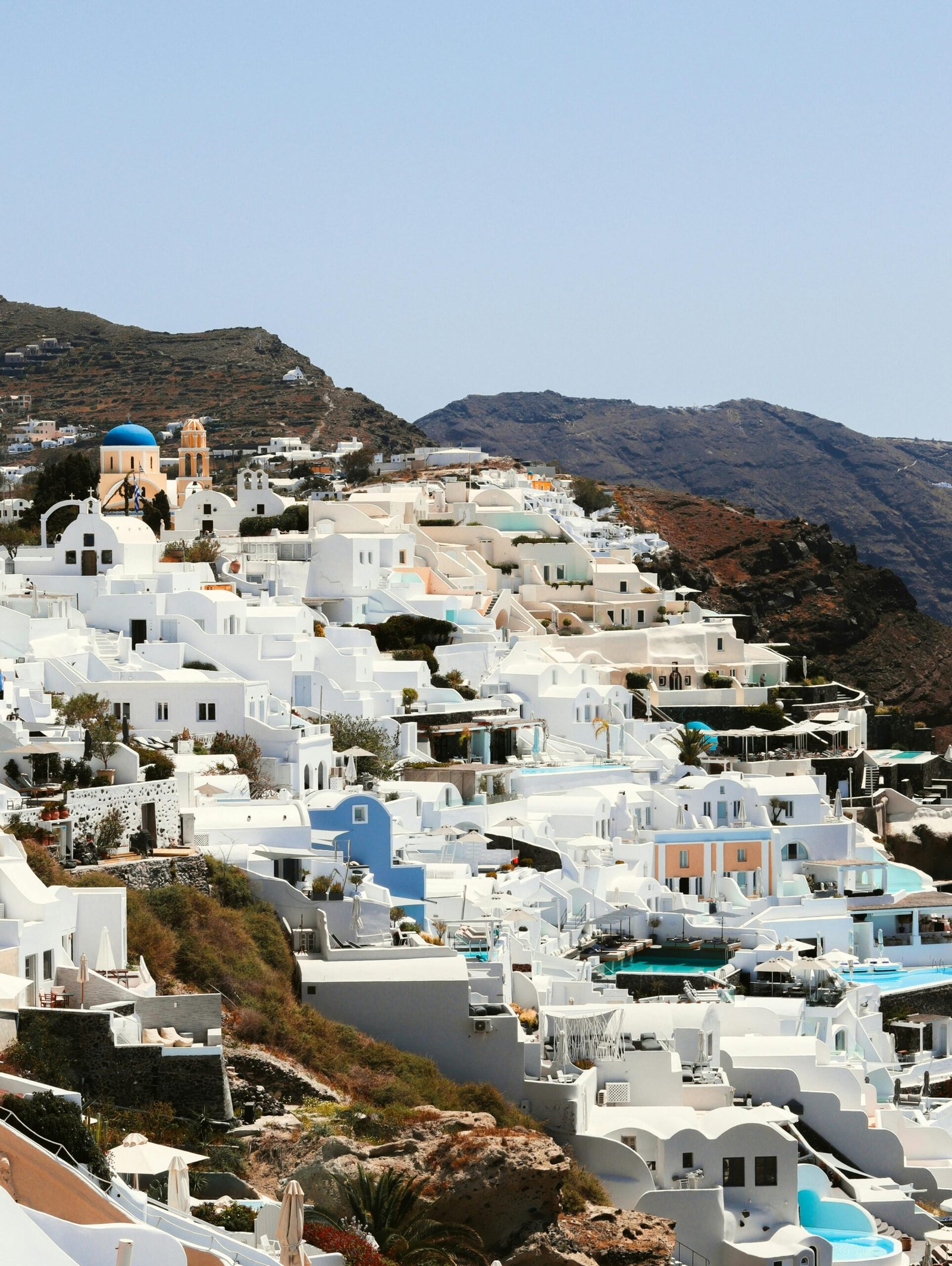
Why Most First-Timers to Santorini Leave Slightly Disappointed starts with a simple psychological mistake: people arrive expecting the island to match the version they have already seen online. They are not just booking a destination; they are trying to recreate a feeling they think Santorini should deliver on demand.
That is where the trouble starts. Santorini is a real place with crowds, heat, price pressure, and a very specific visual appeal that can be hard to access when everyone else is trying to access it too.
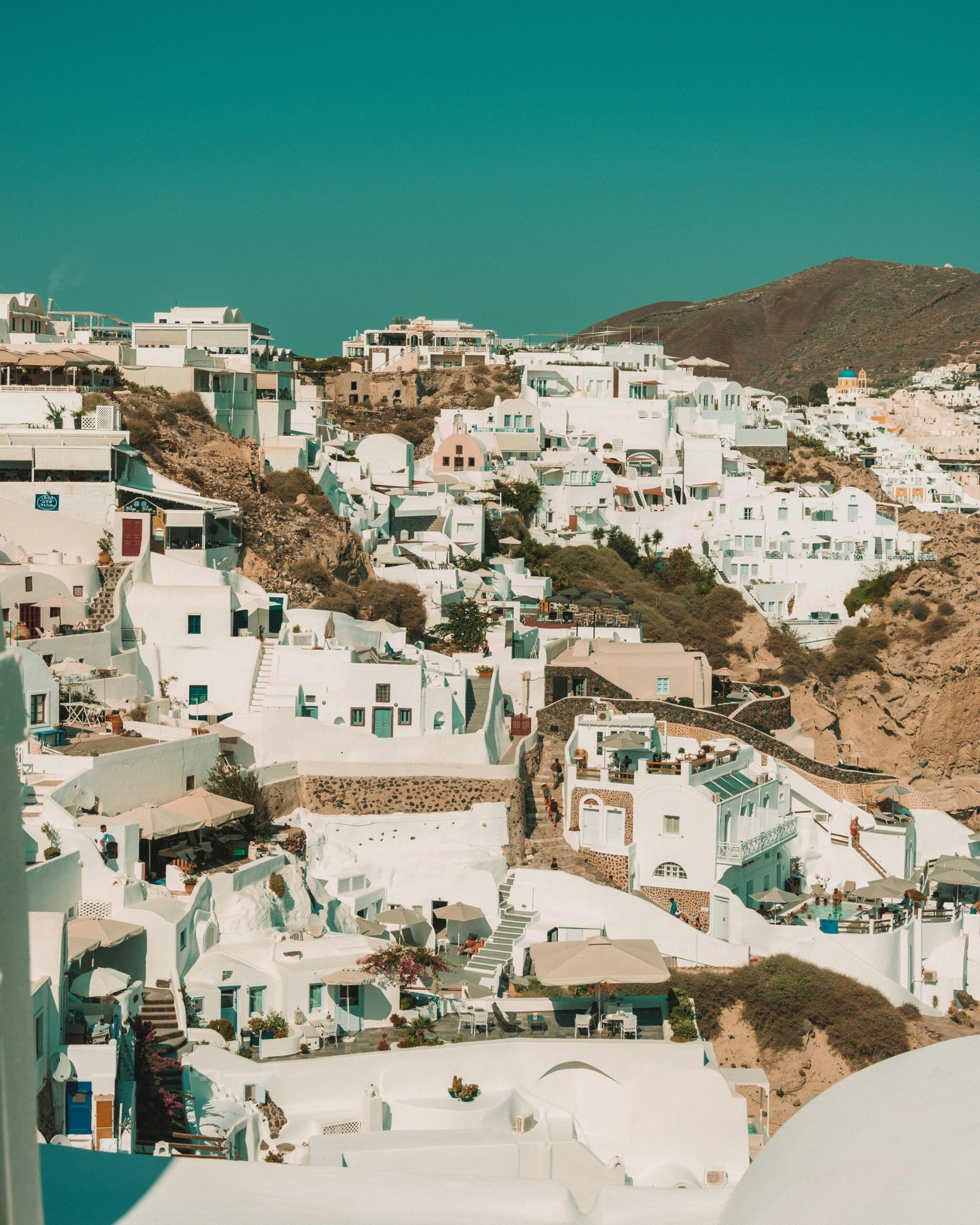
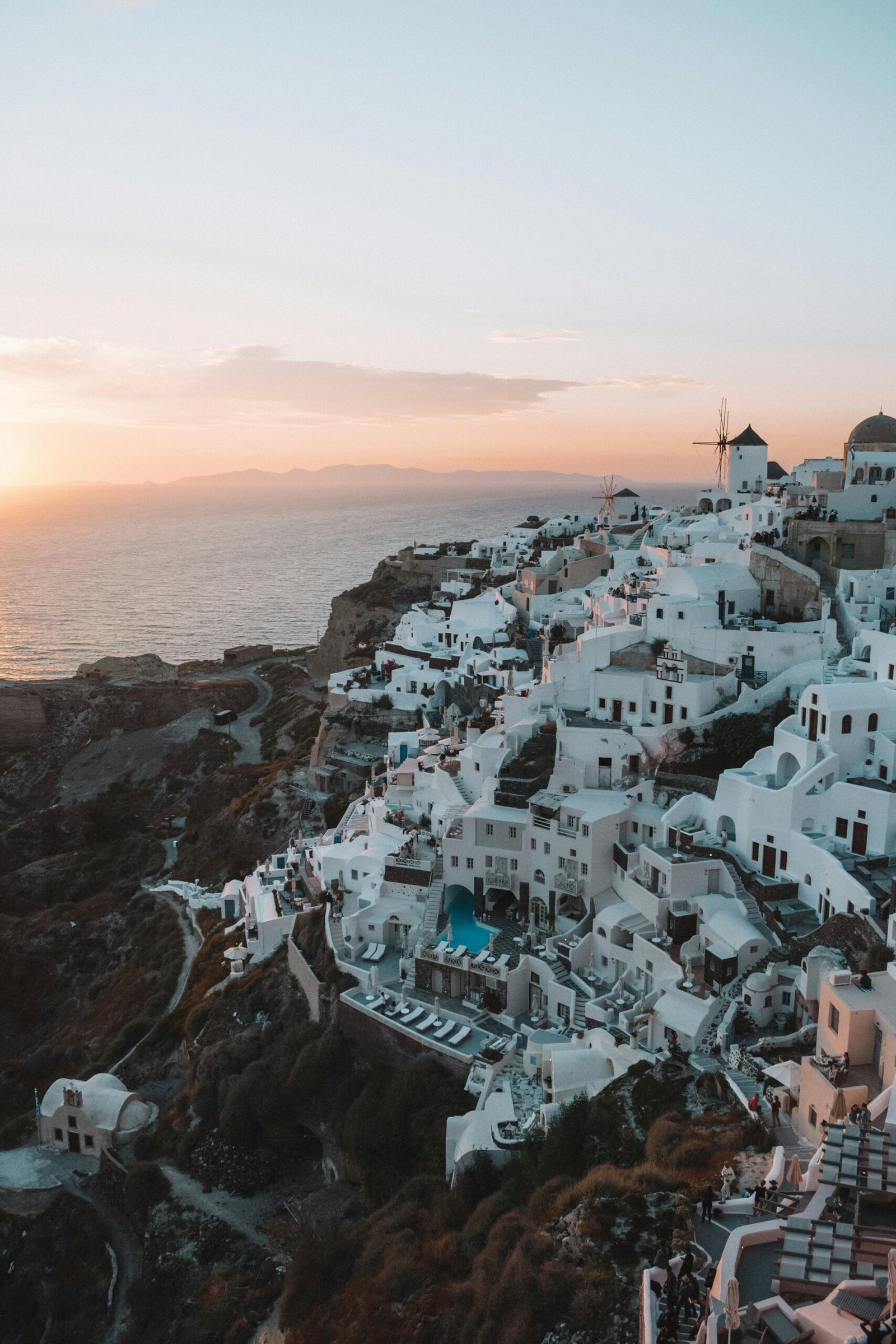
Why Most First-Timers to Santorini Leave Slightly Disappointed
The real problem is not Santorini. It is the picture in your head.
Most first-timers do not choose Santorini because they want a Greek island experience in the broad sense. They choose it because they want the version that has been repeated back to them for years: white buildings, blue domes, dramatic caldera views, and a sense that this will be the most memorable stop in Greece. That is a powerful expectation, and it is also a fragile one.
Why Most First-Timers to Santorini Leave Slightly Disappointed is often less about what the island offers and more about the gap between fantasy and friction. Once you land in peak season, the island stops behaving like an image and starts behaving like a place that has to handle a lot of people at once.
Why travelers keep making this choice anyway
People choose Santorini because they want certainty. They want one destination that feels instantly legible, visually impressive, and socially validated. It is the safe choice for a honeymoon, a milestone trip, or a first Greece visit because nobody has to explain why they went there.
There is also a status component. Santorini signals that you chose the famous island, the one everyone recognizes, and for many travelers that matters more than they admit. That pressure makes people less willing to question whether the island fits their actual travel style.
Why Most First-Timers to Santorini Leave Slightly Disappointed is usually rooted in this need for reassurance. They are not really asking, “What do I want from this trip?” They are asking, “Will this look and feel like the trip I was supposed to have?”
The expectation gap is emotional, not just visual
What travelers expect is a clean emotional payoff: romance, ease, and a sense of being somewhere unmistakably special. What they often get is a place that is beautiful in fragments but crowded in the moments they most want to savor. That disconnect is what creates the uneasy feeling that something is off.
The surprising part is that many people are not disappointed because Santorini is too busy. They are disappointed because the island asks for patience, and they came expecting instant gratification. That is a different problem, and it catches even experienced travelers off guard.
Why Most First-Timers to Santorini Leave Slightly Disappointed is also tied to how little margin people leave for inconvenience. A narrow lane, a long wait, a packed viewpoint, or a restaurant that feels more transactional than intimate can undo the mood faster than they expect.
The moment disappointment usually hits
It usually happens when the traveler realizes the island is not private, not quiet, and not particularly forgiving in peak season. The moment may be small: a sunset spot packed beyond comfort, a meal that feels overpriced for the setting, or an afternoon where the heat and crowds make simple movement feel like work.
This is the point where the fantasy collapses. Not because Santorini is bad, but because the traveler expected the island to deliver a premium emotional experience without the usual trade-offs that come with one of the most visited places in Greece.
That is the core of Why Most First-Timers to Santorini Leave Slightly Disappointed. The disappointment is rarely dramatic. It is usually a quiet recalibration from “this is exactly what I pictured” to “this is more crowded, more expensive, and less effortless than I expected.”
Traveler types most prone to this pattern
Some travelers are structurally more vulnerable to disappointment because of what they need from a trip. The most common are people who want a polished, low-friction experience but choose one of the most high-demand destinations in the country. They want beauty without compromise, and Santorini rarely gives that in peak season.
- First-time Greece visitors who want the “signature” island and assume it will represent the whole country.
- Couples planning a once-in-a-lifetime trip who expect romance to be built into the destination itself.
- Travelers who are highly influenced by social media and assume the visual version is the lived version.
- People who dislike crowds, waiting, or inflated pricing but still choose the most famous island.
These are not bad decisions in themselves. They become problems when the traveler mistakes recognition for fit. Santorini is not difficult to enjoy, but it is easy to choose for the wrong reasons.
Peak season changes the emotional math
Peak season does not just add more people. It changes the way the island feels in your body and in your schedule. A place that looks serene in photos can feel compressed, rushed, and expensive once the volume of visitors rises.
That is why timing matters more here than many travelers realize. In high season, the island’s most famous areas can feel less like a destination and more like a shared viewing platform. If you are arriving with a fantasy of spaciousness, that mismatch is hard to ignore.
If you want a broader sense of how Greek destinations vary by season and visitor profile,
Visit Greece is a useful starting point. It will not solve the emotional mismatch, but it will remind you that not every Greek island is built for the same kind of trip.
What a better approach looks like
The better approach is not to lower your standards. It is to stop asking Santorini to be all things at once. If you want the island for its views, say that clearly and accept that the rest of the experience may be less smooth than the photos suggest.
Why Most First-Timers to Santorini Leave Slightly Disappointed becomes less true when travelers choose the island for one honest reason instead of five imagined ones. That means deciding whether you want scenery, romance, convenience, or status, and understanding that Santorini is strongest when you are clear about the trade-off.
Greece rewards travelers who arrive with a plan, but more importantly, it rewards travelers who know what kind of discomfort they will tolerate for the payoff they want. If you do not like crowds, do not pretend you do. If you want a quieter, more grounded island experience, choose accordingly.
The Hellenic Ministry of Culture is worth checking when you want a clearer sense of how Greece protects and presents its heritage sites and public spaces. That perspective matters because Santorini is not just a backdrop; it is part of a much larger cultural landscape that gets flattened when people treat it like a single-use photo stop.
Conclusion: the honest version of Santorini
Santorini is not a mistake. It is a very specific island with a very specific appeal, and first-timers get into trouble when they confuse that appeal with universal suitability. The disappointment is usually not about the island failing; it is about the traveler expecting a different kind of trip than Santorini is built to give.
Recognizing the pattern is the first step. The second is building a trip around how you actually travel — not the traveler you imagine yourself to be. Most great Greece experiences start with that honesty.
Frequently asked questions
Why do first-time visitors expect Santorini to feel more special than it does?
Because Santorini has been marketed and repeated as the iconic Greek island. Many travelers arrive expecting an emotional high point rather than a busy, expensive, highly visited place with real-world friction.
What is the most common reason people feel let down in Santorini?
The biggest reason is the gap between the image they carried in and the reality of peak season crowds, prices, and limited calm in the most famous areas.
Is Santorini still worth visiting for a first trip to Greece?
Yes, if you want its specific visual identity and accept the trade-offs. It is a strong choice for travelers who value scenery and name recognition more than quiet or ease.
Who is most likely to be disappointed by Santorini?
Travelers who dislike crowds, want a relaxed pace, or expect the island to feel intimate and effortless are the most likely to feel underwhelmed.
Does visiting Santorini in peak season make the disappointment worse?
Usually, yes. Peak season amplifies the exact things that create friction: crowds, heat, higher prices, and a more compressed feeling in the most visited areas.
How should first-timers think about Santorini differently?
Treat it as a destination with a narrow strength, not a universal Greek island experience. Decide what you actually want from the trip before assuming Santorini is the right fit.