

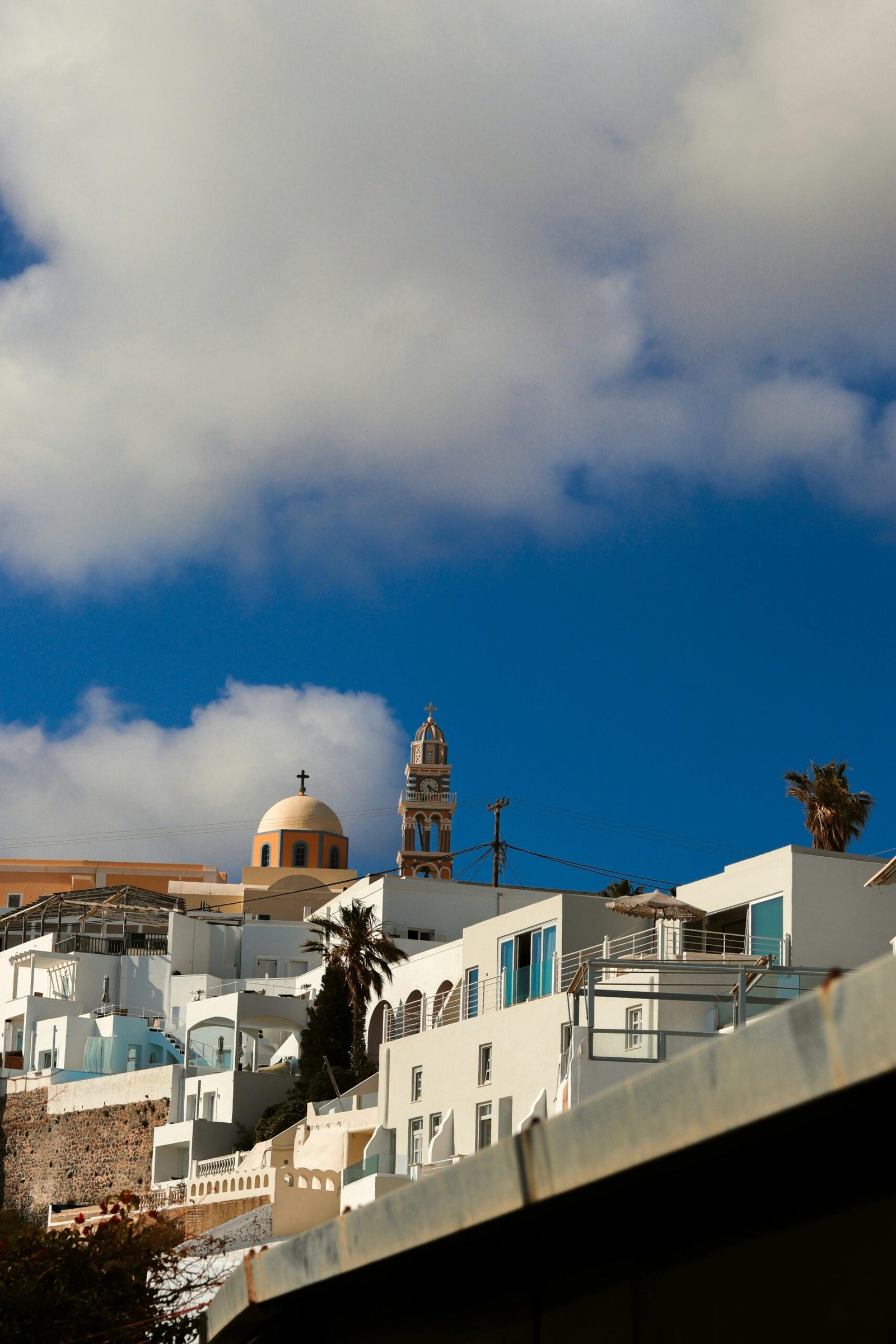
Why Most First-Timers to Santorini Leave Slightly Disappointed is usually not a problem with Santorini itself. It is a problem with the story travelers have already built in their heads before they arrive. They picture a place that delivers the same feeling all day, every day, in every corner. Santorini does not work that way, and peak season makes the gap harder to ignore.
The disappointment is rarely dramatic. It is quieter than that: a sense that the island is more crowded, more expensive, and more managed than expected. If you understand the psychology behind that letdown, you can see why so many first-timers make the same mistake before they ever book.
Why Most First-Timers to Santorini Leave Slightly Disappointed
The core mistake is simple: people confuse a visual image with a lived experience. Santorini is one of the most photographed places in Greece, so travelers arrive expecting the island to behave like a constant highlight reel. That is a bad assumption, and in peak season it becomes painfully obvious.
Why Most First-Timers to Santorini Leave Slightly Disappointed is mostly about projection. People are not just booking a destination; they are booking a feeling of arrival, romance, and payoff. They want the island to validate the money, the time off, and the anticipation in one clean moment.
The Psychology Behind the Santorini Decision
Most first-timers choose Santorini because they want certainty. It is familiar, recognizable, and easy to explain to other people, which matters more than travelers admit. When a destination already has a strong image, it feels safer than making a less obvious choice that might require more judgment.
This is where Greece rewards travelers who arrive with a plan, but Santorini punishes those who expect the island to do the emotional work for them. People want a guaranteed payoff, and they mistake fame for reliability. That is the real psychological trap.
There is also social pressure. Santorini is one of those places people feel they should see at least once, especially on a first Greece trip. That “should” is often stronger than genuine interest, and it leads to decisions made for status rather than fit.
Why Most First-Timers to Santorini Leave Slightly Disappointed in Peak Season
Peak season changes the island’s emotional texture. The whitewashed image is still there, but it is competing with crowds, noise, queues, and constant movement. The island becomes less about lingering and more about managing your own patience.
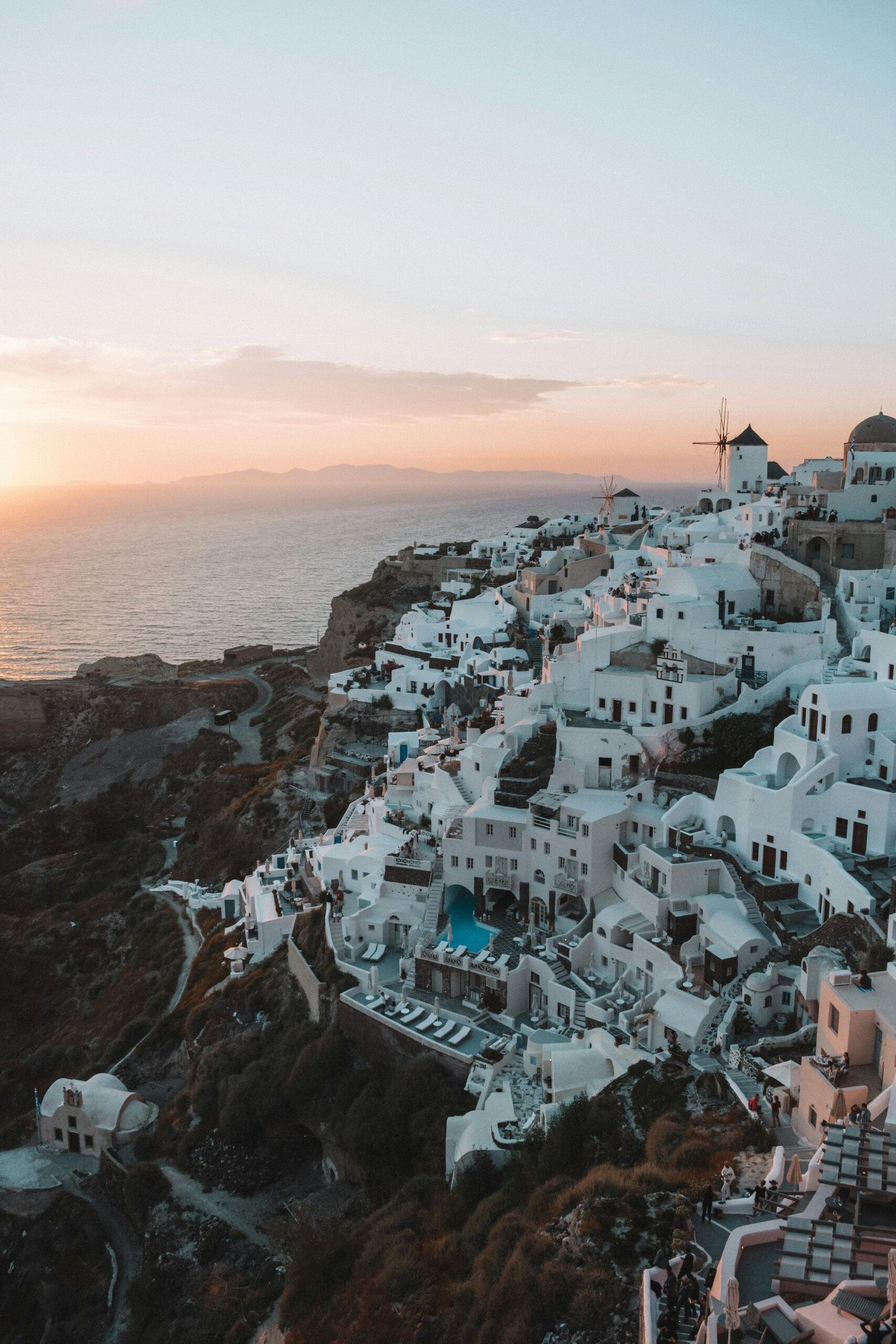
The disappointment usually starts when travelers realize they are sharing the exact same viewpoints, terraces, and narrow lanes with everyone else who came for the same photo. That moment matters because it breaks the fantasy of exclusivity. Santorini is not private, and in high season it does not even pretend to be.
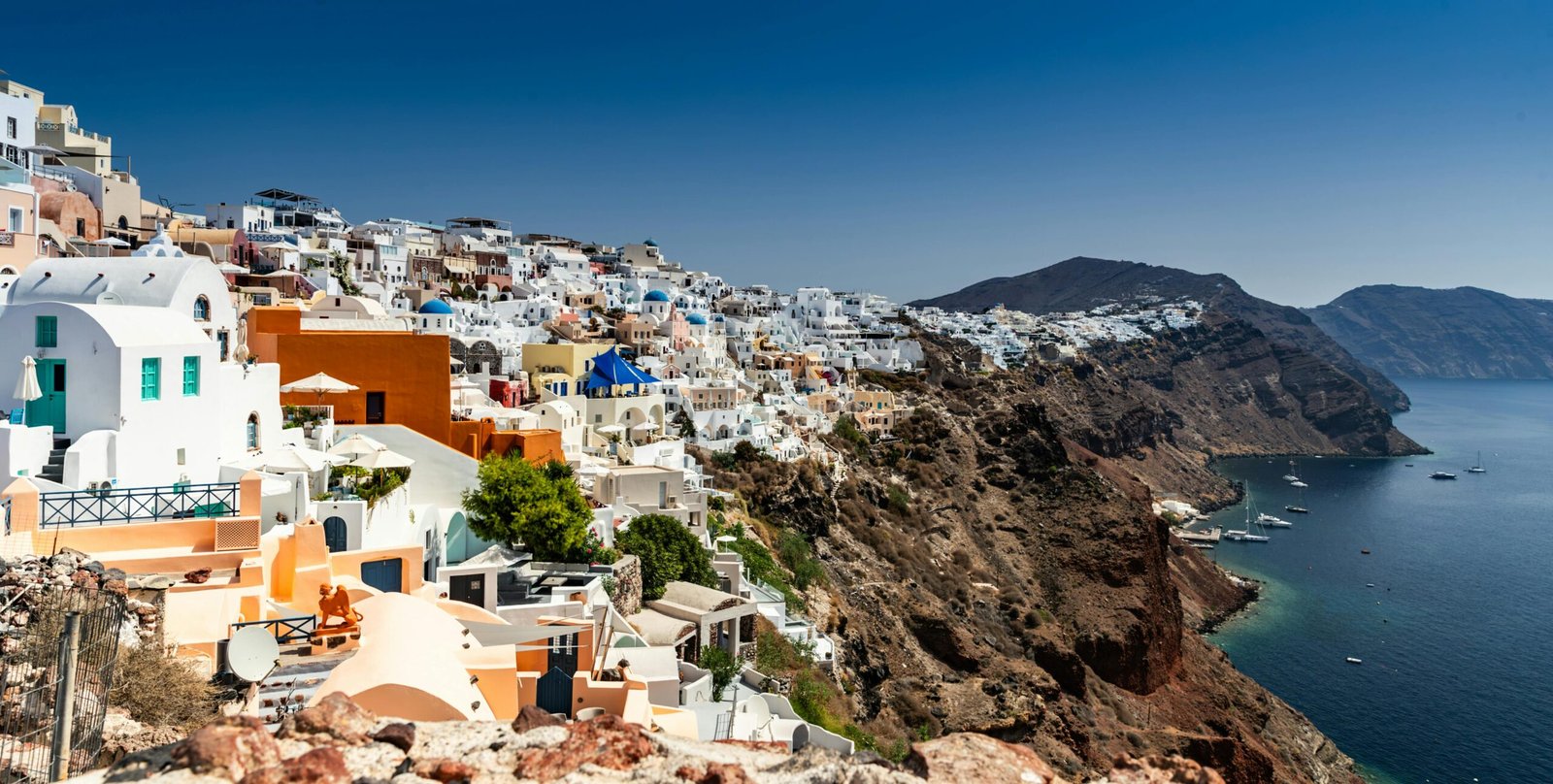
My clear position: if your main reason for going to Santorini is to “experience the view,” peak season is the wrong time to build the whole trip around that expectation. You will still see the caldera, but you will also see the machinery around it: crowds, premium pricing, and a lot of competition for space. That combination is what leaves people feeling they paid too much for too little emotional return.
The Emotional Gap: What Travelers Expect vs What They Actually Feel
Travelers expect awe, ease, and romance. What they often feel instead is pressure to perform the trip correctly. They worry about missing the best angle, the best hour, the best table, the best sunset spot. That is not relaxation; that is management.
The emotional gap is not just disappointment. It is friction between fantasy and reality. Santorini can still be impressive, but if every good moment feels crowded or curated, the trip starts to feel less personal than expected.
Many first-timers also underestimate how quickly novelty wears off. A place that looks extraordinary in photos can feel repetitive if the traveler has built the entire experience around one visual idea. That is why the island can feel both overhyped and underexplored at the same time.
The Specific Moment When the Disappointment Hits
The letdown usually arrives when the traveler realizes the island is asking for more patience than they planned to give. It might be the first time they try to enjoy a famous viewpoint and find themselves shoulder to shoulder with strangers. It might be the first meal where the bill feels inflated for the setting.
That is the moment the image collapses into logistics. Not transportation logistics, but emotional logistics: where do you sit, when do you move, how long do you wait, and how much of the day is spent navigating other people? First-timers often do not anticipate how much mental energy that consumes.
Another common trigger is sunset. People build up one moment so much that anything less than perfect feels like failure. In reality, the sunset is just one part of the day, and when it is treated like the whole reason for being there, the pressure becomes self-defeating.
Who Is Most Prone to This Pattern
Couples are especially vulnerable because Santorini is marketed so aggressively as a romantic destination. If a trip is supposed to “mean something,” every inconvenience feels larger. A crowded terrace is not just crowded; it becomes evidence that the experience is less intimate than promised.
First-time Greece travelers are another common group. They often want one iconic island that can stand in for the whole country, which is a mistake. Greece is not a single mood, and Santorini is not a summary of the islands.
There are also travelers who are highly image-driven but not especially patient. They want the result, not the process. Those are the people most likely to leave saying, “It was beautiful, but…”
- Couples expecting privacy and emotional intensity
- First-time Greece visitors using Santorini as a default choice
- Travelers who prioritize photos over atmosphere
- People visiting in peak season without adjusting expectations
What Travelers Consistently Underestimate
They underestimate how much the island has been optimized for demand. Santorini is not an untouched experience, and pretending otherwise sets people up for disappointment. The most polished parts of the island are also the most heavily used, and that changes the feeling of being there.
They also underestimate how much season shapes perception. A shoulder-season visit and a peak-season visit can feel like two different destinations. The island itself has not changed, but the emotional experience absolutely has.
If you want a broader sense of how Greek destinations are presented versus how they actually function, the official tourism context at
Visit Greece is useful as a baseline. It will not tell you what frustrates first-timers, but it does remind you that the public image is only one layer of the experience.
How to Approach Santorini Differently
The better approach is not to expect less; it is to expect more honestly. Santorini works best when you understand that its value is concentrated, not constant. A few moments can be excellent, but the whole island is not designed to deliver a continuous emotional high.
That means choosing the trip for the right reason. If you want a place that feels dramatic, highly structured, and visually distinctive, Santorini can still make sense. If you want a relaxed island where the day unfolds naturally, this is not the right fit.
The travelers who do best here stop treating Santorini like a verdict on Greek travel. They treat it like one specific kind of destination with clear strengths and clear limits. That shift alone prevents a lot of regret.
For travelers who want more context on the country beyond the postcard version, the cultural background at Greece’s Ministry of Culture is a useful reminder that Greece is deeper than its most photographed places. That matters, because the biggest mistakes usually come from reducing the country to one image.
Conclusion
Why Most First-Timers to Santorini Leave Slightly Disappointed is not a warning to avoid the island. It is a warning to stop expecting one famous place to solve a bad planning framework. Santorini is at its best when you understand what it offers and what it does not.
Greece doesn’t punish inexperience. It punishes unexamined assumptions. The travelers who leave disappointed rarely lacked information — they lacked a framework for using it.
Frequently asked questions
Why do so many first-time visitors feel underwhelmed by Santorini?
Because they arrive with a highly polished image in mind and then meet a real island shaped by crowds, pricing, and seasonal pressure. The gap between expectation and experience is usually the problem, not the destination itself.
Is Santorini worse in peak season?
For many first-timers, yes. Peak season amplifies the exact things people are least prepared for: congestion, competition for space, and a stronger sense that the island is performing for visitors rather than hosting them.
What is the biggest mistake first-time visitors make in Santorini?
They assume the island’s reputation guarantees an emotional payoff. That leads to overinvestment in a single image, usually the caldera or sunset, and not enough attention to the overall feel of the trip.
Who is most likely to be disappointed by Santorini?
Travelers looking for privacy, spontaneity, or a relaxed island rhythm are the most likely to feel let down. So are couples who expect the island to create romance for them without friction.
Is Santorini still worth visiting for a first trip to Greece?
Yes, if you want a highly recognizable, visually dramatic destination and you understand its limits. No, if you want your first Greece experience to feel easy, varied, and less managed.
How can travelers avoid disappointment in Santorini?
By choosing the island for its actual strengths rather than its image. The key is to accept that Santorini is intense, popular, and highly seasonal, and to plan with that reality in mind.