

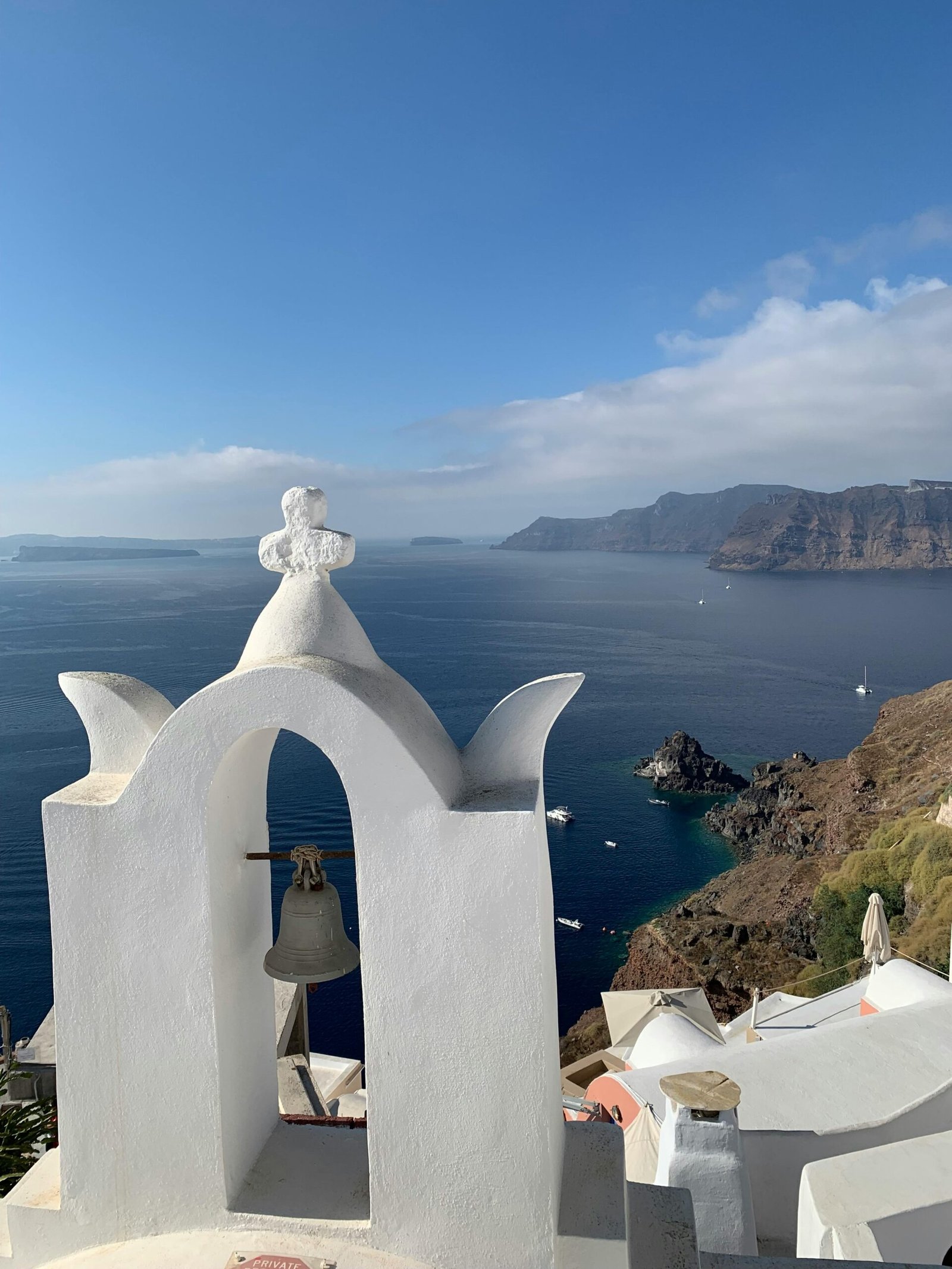
Why Santorini Is Harder to Plan Than Most People Expect starts with a simple problem: people plan the island as if it were one place, when it is really several very different experiences packed into a small, expensive, and heavily visited destination. That mistake is why so many trips feel overbooked, overexposed, or oddly limited once people arrive.
The island is not difficult because it lacks options. It is difficult because the wrong base, the wrong season, or the wrong idea of what Santorini is for can turn a dream trip into a crowded compromise. If you want the romantic version, the calm version, or the practical version, those are not the same trip.
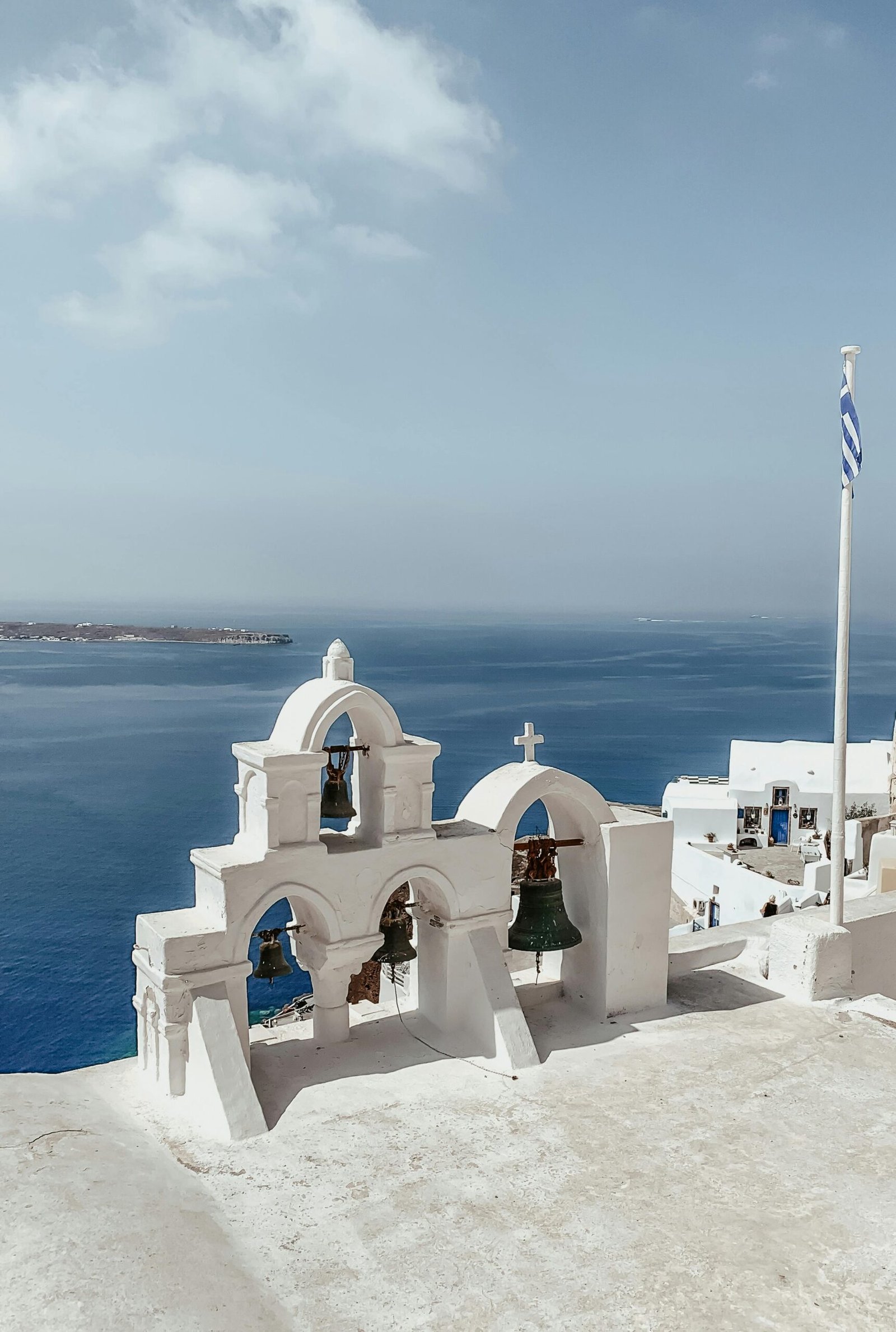
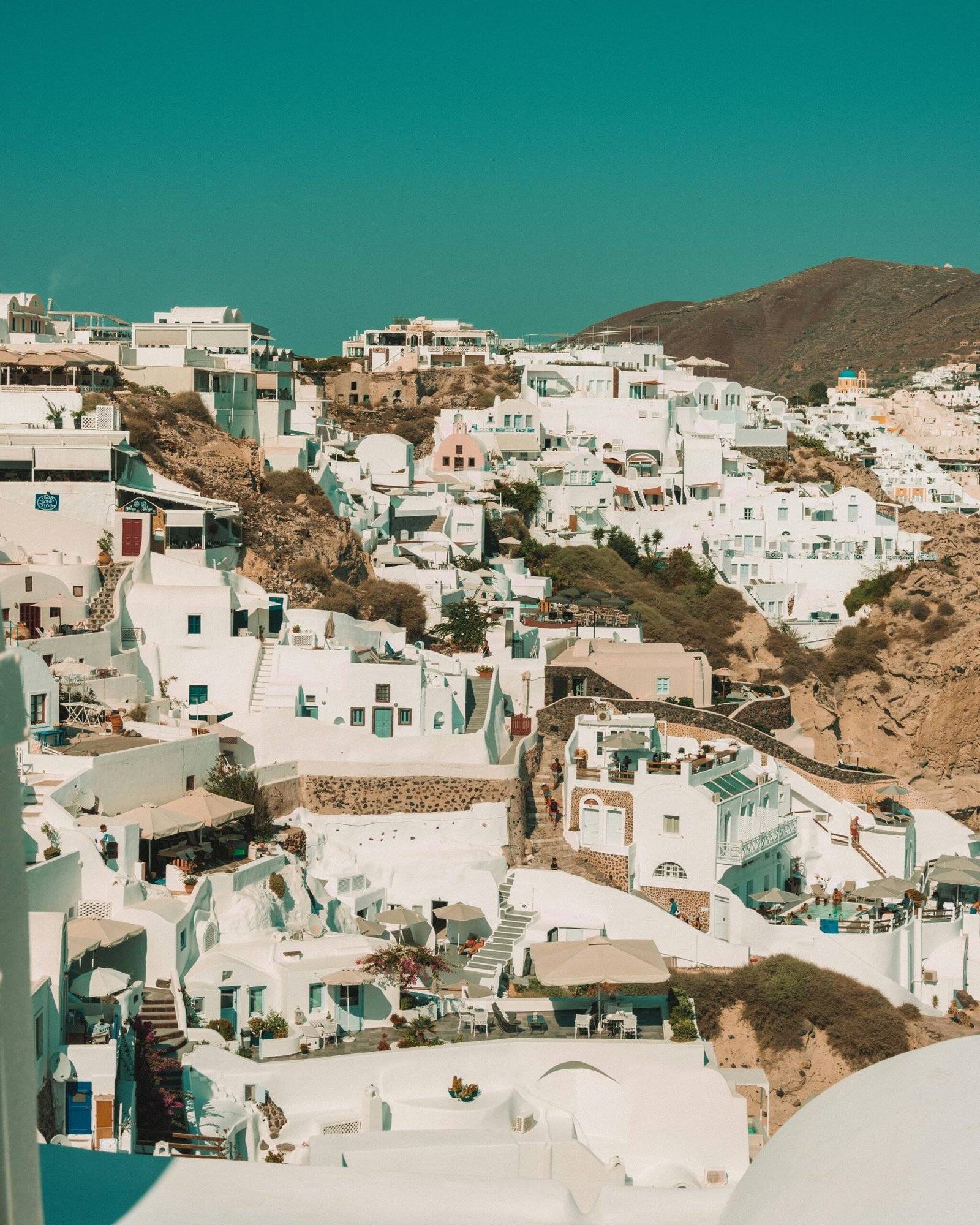
Why Santorini Is Harder to Plan Than Most People Expect
Santorini is one of the easiest places in Greece to recognize and one of the easiest places to mis-plan. People see the photos and assume the island will deliver the same experience everywhere, all day, in every month. It won’t.
My clear position: Santorini is not a “wing it” destination. If you want the trip to feel smooth, you need to decide what you are prioritizing before you book anything else. Views, privacy, ease, nightlife, and value do not line up neatly here.
Why Santorini Is Harder to Plan Than Most People Expect: the real issue is mismatch
The main planning failure is not choosing the “wrong” hotel in a general sense. It is choosing a base that fights the way you actually travel. Oia suits travelers who want the classic caldera experience and are willing to pay for it; Fira is more practical and more active; Imerovigli gives a quieter, more refined feel; Firostefani sits in a useful middle ground; Kamari and Perissa make sense for travelers who care more about space and beach access than caldera drama; Akrotiri works for people who want a slower, less crowded corner of the island.
Why Santorini Is Harder to Plan Than Most People Expect is that each of those areas changes the trip in a meaningful way. Stay in the wrong place and you spend too much time compensating for what the area does not offer. That is where the trip starts feeling tiring instead of easy.
Two mistakes travelers keep making
The first mistake is booking Santorini as if the island is only about the caldera edge. That view is excellent, but it is also the most expensive and most compressed part of the island. Travelers who insist on that setting for the entire stay often end up paying a premium for a room they barely enjoy during the day because they are out dealing with crowds and heat.
The second mistake is assuming shoulder season solves everything. It helps, but it does not erase the island’s structural issues. In April, May, late September, and October, Santorini is more manageable, yet the same planning errors still matter. If you pick the wrong area or expect the island to feel quiet in the most famous spots, you will still be disappointed.
Where people actually get the most value
Oia is the most famous choice, and that fame is expensive in every sense. You gain the iconic caldera setting and the strongest visual payoff, but you give up flexibility, price sanity, and often a sense of ease. It is the right choice for travelers who are happy to pay for the headline view and accept the operational inconvenience that comes with it.
Imerovigli is the best choice for many couples because it gives a more restrained version of the caldera experience. Fira works better for travelers who want more dining, more movement, and a less exclusive feel. Firostefani is often underestimated, which is a mistake; it can deliver a strong balance of access and atmosphere without the full intensity of Oia.
Kamari and Perissa are frequently dismissed by first-timers who think they are “less Santorini.” That is lazy thinking. For families, repeat visitors, and anyone who values room to breathe over postcard positioning, they can be the smarter base. Akrotiri suits travelers who want a quieter rhythm and do not need to be in the middle of the island’s most photographed strip.
A counterintuitive truth about Santorini
The surprising part is that some of the most expensive stays are not the easiest stays. A high-end caldera property can be beautiful and still be the wrong choice if you dislike stairs, crowds, or a layout that forces you to work around the setting all day. The room may be exceptional; the trip may still feel inconvenient.
Why Santorini Is Harder to Plan Than Most People Expect is that luxury here can come with friction. In practical terms, the more famous the location, the more you often pay for the privilege of dealing with access constraints, busier surroundings, and less room for error. Travelers who ignore that trade-off usually blame the island when the real issue is the booking decision.
Who this suits
Santorini suits couples, design-focused travelers, and people who care about scenery enough to build the whole trip around it. It also suits travelers who are comfortable paying more to reduce uncertainty and who do not mind that the island’s best-known areas are heavily visited. If you are the type who likes a polished, contained experience, Santorini can work very well.
It does not suit everyone. Budget-first travelers, travelers who hate crowds, and people who want a relaxed beach holiday with easy movement around the island often leave frustrated. Families can enjoy Santorini, but only if they choose the right base and accept that the island is not built for casual spontaneity.
- Best fit: couples, honeymooners, design-led travelers, repeat Greece visitors
- Less suitable: budget travelers, large groups chasing value, travelers who want a simple beach week
Season matters more here than people expect
In peak summer, Santorini can feel overmanaged by demand. Prices rise, availability tightens, and the island’s most famous areas become less forgiving of poor planning. That is when travelers most often make the wrong compromise: they book too late, accept a mediocre location, and then spend the trip trying to recover from that decision.
Shoulder season is better, but not because the island becomes easy. It becomes more workable. The weather is milder, the pressure drops, and the island’s flaws are less punishing. That is why people who want a calmer, more deliberate Santorini experience should think in terms of season first, not just room category.
If you want a broader sense of how Greece’s seasons affect planning, the official overview at
Visit Greece is a useful starting point, but Santorini still requires more specific judgment than a general destination guide can provide.
The trade-offs you need to accept
If you choose the caldera, you gain the classic Santorini experience and lose some ease, value, and sometimes privacy. If you choose a quieter base, you gain space and practicality and lose the most famous view from your doorstep. If you choose peak season, you gain energy and full operational choice; you lose breathing room.
That is the real planning problem. Why Santorini Is Harder to Plan Than Most People Expect is not that the island is confusing. It is that every good option has a cost, and travelers often only notice that cost after they have already committed.
For travelers who want to pair Santorini with other culturally serious stops in Greece, the official Ministry of Culture site at culture.gov.gr/en/ is a useful reference point for thinking beyond the island checklist. Santorini is best when it is treated as one part of a larger, well-sequenced Greece plan, not as a standalone mood board.
Conclusion
Greece rewards travelers who arrive with a plan built around how they actually travel — not a generic template. The difference between a frustrating trip and a remarkable one often comes down to sequence, timing, and knowing which trade-offs matter for your situation.
Recommended experiences
Some experiences mentioned here are curated and managed by Elite Greece Travels.
- Athens Milos Santorini Itinerary 9 Days — Itinerary (managed by Elite Greece Travels).
- Greece 7 Day Itinerary Athens Delphi Meteora Santorini — Itinerary (managed by Elite Greece Travels).
- Santorini Sunset Cruise With Dinner In The Caldera — Cruise (managed by Elite Greece Travels).
Frequently asked questions
What is the biggest mistake people make when planning Santorini?
They choose the island based on the famous view alone and ignore how much the base, season, and pace of travel affect the experience. That is how people end up paying a lot for a trip that feels inconvenient.
Is Oia the best place to stay in Santorini?
Oia is the best-known place to stay, not automatically the best for every traveler. It is strong for the classic caldera experience, but it is also the most expensive and one of the least forgiving choices if you want flexibility or quiet.
Which area is better for a calmer Santorini trip?
Imerovigli and Firostefani are usually better for travelers who want a calmer caldera-based stay. Akrotiri can also work well for people who want a slower pace and do not need to be in the busiest part of the island.
When is the best time to plan Santorini?
Shoulder season is usually the smartest window for most travelers because the island is more manageable and less punishing. Peak summer can still work, but only if you book carefully and accept higher prices and more crowd pressure.
Is Santorini a good choice for families?
Yes, but only with the right expectations and the right base. Families who want space, easier movement, and less emphasis on the caldera often do better in Kamari or Perissa than in the most famous cliffside areas.
Why do people say Santorini is harder to plan than expected?
Because the island looks simple from the outside, but the experience changes sharply depending on where you stay, when you go, and what kind of trip you want. Those choices matter more here than they do in many other Greek destinations.